
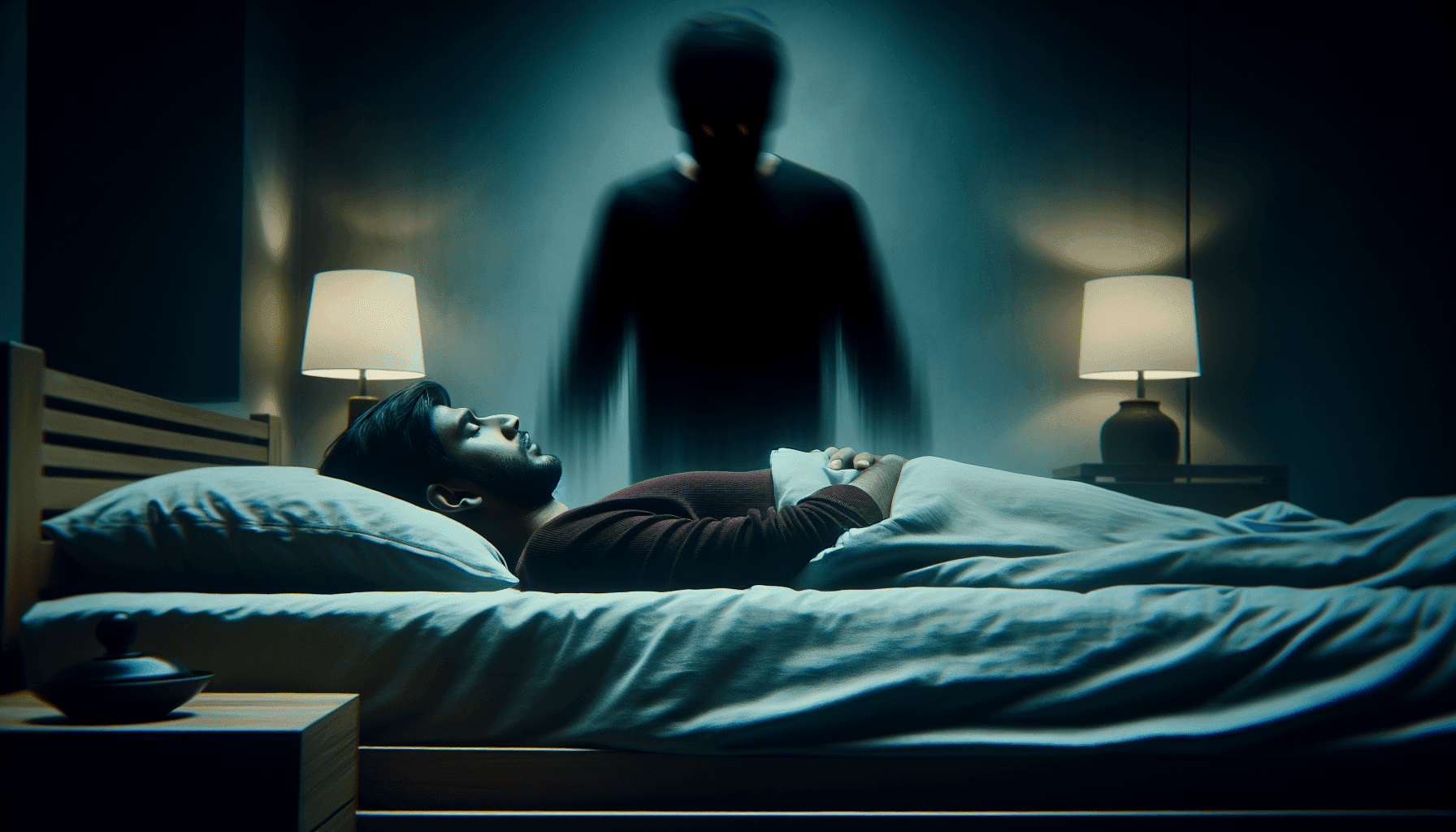
Have you ever experienced sleep paralysis? It can be a truly terrifying and disorienting experience, leaving you questioning the boundaries of reality. In this article, I will share my personal reflections on sleep paralysis and explore the fascinating intersection between the dream world and wakefulness.
What is Sleep Paralysis?
Sleep paralysis is a phenomenon that occurs when a person temporarily experiences an inability to move or speak while falling asleep or waking up. During sleep paralysis, the individual may be fully conscious and aware of their surroundings, but unable to move or react. Many people report feeling a sense of pressure on their chest or the sensation of a presence in the room during an episode of sleep paralysis.
Your Experience with Sleep Paralysis
If you have ever had a frightening experience of waking up but feeling paralyzed, you may have experienced sleep paralysis. This phenomenon can be accompanied by vivid hallucinations and a sense of intense fear. It is important to remember that sleep paralysis is a relatively common occurrence and is not typically a cause for concern.
The Science Behind Sleep Paralysis
Sleep paralysis occurs during the REM (rapid eye movement) stage of sleep when the brain is active, but the body remains immobilized to prevent acting out dreams. It is believed that sleep paralysis can occur when there is a disruption in the normal transitions between sleep stages, leading to a state where the mind is awake, but the body is still in a state of paralysis.
Understanding the REM Stage of Sleep
During the REM stage of sleep, the brain is highly active, and dreams are most vivid. This stage is characterized by rapid eye movements, increased brain activity, and muscle paralysis to prevent acting out dreams. Disruptions in the REM stage of sleep can lead to experiences of sleep paralysis.
Your Brain and Body During Sleep Paralysis
While experiencing sleep paralysis, your mind is awake and aware of your surroundings, but your body remains paralyzed. This disconnection between the brain and body can lead to feelings of helplessness and fear. Understanding the science behind sleep paralysis can help demystify this experience and provide reassurance that it is a normal occurrence.
Cultural and Historical Perspectives on Sleep Paralysis
Sleep paralysis has been documented throughout history and across different cultures, often associated with supernatural or paranormal beliefs. In many cultures, sleep paralysis is attributed to malevolent spirits or supernatural entities that are believed to visit individuals during the night.
The History of Sleep Paralysis
Historical accounts of sleep paralysis date back centuries, with descriptions of the phenomenon found in ancient texts and folklore. In some cultures, sleep paralysis is seen as a form of spiritual attack or a visitation from otherworldly beings.
Sleep Paralysis in Folklore and Mythology
In folklore and mythology, sleep paralysis is often associated with creatures such as demons, witches, or shadowy figures that visit individuals during the night. These supernatural interpretations of sleep paralysis highlight the mysterious and often unsettling nature of this phenomenon.
Coping Strategies for Dealing with Sleep Paralysis
If you have experienced sleep paralysis, there are several coping strategies that can help you manage and reduce the frequency of episodes. By implementing these strategies, you can feel more in control of your experiences and lessen the fear and anxiety associated with sleep paralysis.
Maintain a Consistent Sleep Schedule
Establishing a regular sleep schedule can help regulate your sleep cycles and reduce the likelihood of experiencing disruptions in the REM stage of sleep. Aim to go to bed and wake up at the same time every day to promote healthy sleep patterns.
Relaxation Techniques Before Bed
Engaging in relaxation techniques before bed, such as deep breathing exercises, meditation, or gentle stretching, can help calm your mind and body before sleep. By practicing relaxation techniques, you can reduce stress and anxiety that may contribute to sleep paralysis episodes.
Create a Relaxing Sleep Environment
Create a comfortable and relaxing sleep environment that promotes restful sleep. Ensure your bedroom is dark, quiet, and at a comfortable temperature to optimize your sleep quality. By creating a soothing sleep environment, you can enhance your overall sleep experience and reduce the likelihood of sleep paralysis episodes.
Seek Support from Loved Ones
If you are struggling with the fear and anxiety associated with sleep paralysis, don’t hesitate to seek support from loved ones or a mental health professional. Talking about your experiences with others can provide comfort and reassurance, helping you feel more at ease with your sleep paralysis episodes.
The Intersection of Dreaming and Wakefulness
One of the most intriguing aspects of sleep paralysis is the intersection between dreaming and wakefulness. During an episode of sleep paralysis, individuals may experience vivid hallucinations and sensory disturbances that blur the line between dreams and reality.
The Lucid Dreaming Connection
Lucid dreaming is a phenomenon in which the dreamer is aware that they are dreaming and may have some control over the dream narrative. Some individuals who experience sleep paralysis report entering a state of lucid dreaming during the episode, where they are conscious of their surroundings but feel unable to move.
Exploring Consciousness and Reality
The experience of sleep paralysis raises questions about the nature of consciousness and the boundaries of reality. During an episode of sleep paralysis, individuals may question the validity of their perceptions and the distinction between the dream world and wakefulness.
Integrating Dream Experiences
By reflecting on your experiences with sleep paralysis and incorporating them into your understanding of consciousness and reality, you can gain insights into the complexities of the human mind. Embracing the interconnectedness of dreaming and wakefulness can lead to a deeper appreciation of the mysteries of our consciousness.
Conclusion: Embracing the Mysteries of Sleep Paralysis
In conclusion, sleep paralysis is a fascinating phenomenon that challenges our understanding of the boundaries between dreams and reality. By exploring the science, history, and coping strategies associated with sleep paralysis, you can come to terms with your experiences and find ways to navigate this intriguing aspect of sleep. Through reflection and self-awareness, you can embrace the mysteries of sleep paralysis and gain a deeper appreciation for the complexities of the human mind. Remember, you are not alone in your experiences, and by seeking support and understanding, you can navigate the boundaries of reality with courage and insight.