
Do You Experience Sleep Paralysis?
Have you ever woken up in the middle of the night, unable to move or speak, feeling an immense pressure on your chest, and sensing a presence in the room? You might have experienced sleep paralysis. In this article, we will explore the myths and realities surrounding this phenomenon.
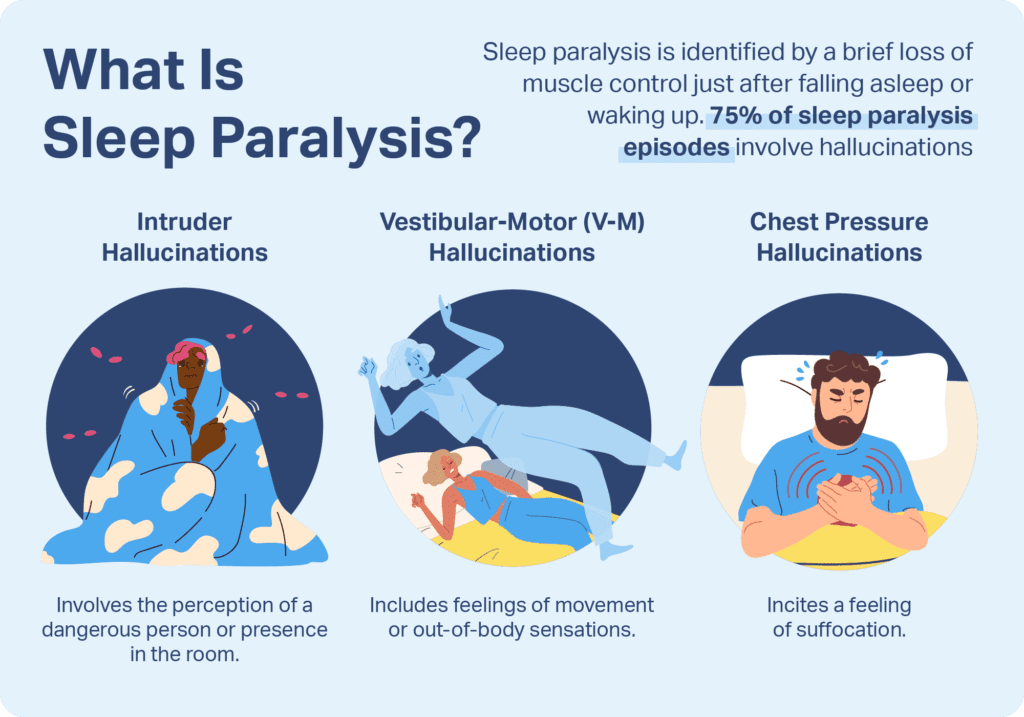
What is Sleep Paralysis?
Before we delve into the myths and realities of sleep paralysis, let’s first understand what it is. Sleep paralysis is a condition in which a person is temporarily unable to move, speak, or react while falling asleep or waking up. It can be a scary and unsettling experience, often accompanied by hallucinations and a sense of fear.
Myth: Sleep Paralysis is Caused by a Supernatural Entity
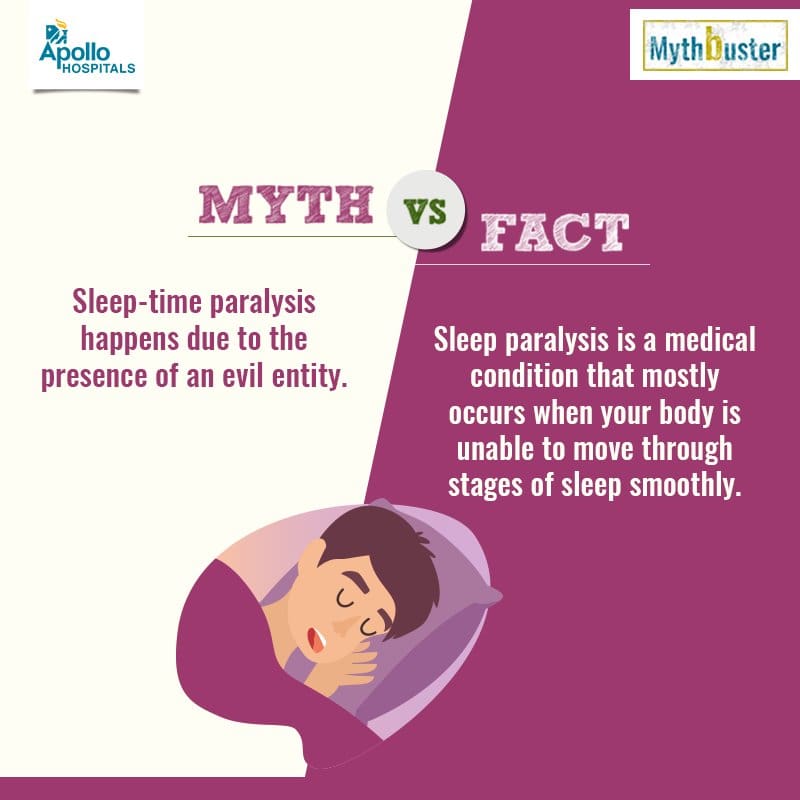
One of the most common myths surrounding sleep paralysis is that it is caused by a supernatural entity, such as demons, ghosts, or aliens. Many cultures have stories about creatures like the “Old Hag” or the “Night Witch” that are said to be responsible for causing sleep paralysis.
However, the reality is that sleep paralysis has a scientific explanation. During REM (rapid eye movement) sleep, our muscles become temporarily paralyzed to prevent us from acting out our dreams. Sleep paralysis occurs when we become conscious while our muscles are still paralyzed, leading to the feeling of being trapped in our own body.
Reality: Sleep Paralysis is a Natural Phenomenon
Contrary to popular belief, sleep paralysis is a natural phenomenon that occurs due to the body’s normal sleep-wake cycle. It is not a sign of possession or a mystical experience. While it can be frightening and unsettling, especially if accompanied by hallucinations, it is not harmful and usually resolves on its own.
Myth: Sleep Paralysis is a Sign of a Paranormal Encounter
Some people believe that experiencing sleep paralysis is a sign of a paranormal encounter or psychic ability. They may interpret the sensation of a presence in the room or the feeling of being watched as evidence of supernatural forces at play.
In reality, these experiences are often a result of the brain’s hyper-vigilant state during sleep paralysis. The brain is in a state between wakefulness and sleep, making it more prone to creating vivid and sometimes terrifying hallucinations. These hallucinations are not a sign of supernatural activity but rather a byproduct of the brain’s unusual state.

Reality: Sleep Paralysis Can be Triggered by Stress and Anxiety
While sleep paralysis is not caused by supernatural forces, it can be triggered by factors such as stress, anxiety, and disrupted sleep patterns. People who are under a lot of stress or experiencing anxiety may be more prone to episodes of sleep paralysis.
If you find yourself frequently experiencing sleep paralysis, it may be helpful to address any underlying stress or anxiety issues. Practicing relaxation techniques, improving sleep hygiene, and seeking support from a therapist or counselor can help reduce the frequency of episodes.
Myth: Sleep Paralysis is Dangerous and Harmful
Another common myth about sleep paralysis is that it is dangerous and harmful to your health. Some people believe that experiencing sleep paralysis can lead to physical harm, mental illness, or even death. This misconception can add to the fear and anxiety surrounding sleep paralysis.

Reality: Sleep Paralysis is Generally Harmless
In reality, sleep paralysis is generally harmless and does not pose a threat to your physical or mental well-being. While it can be a scary and distressing experience, especially if accompanied by hallucinations, sleep paralysis is not known to cause any long-term harm.
If you experience sleep paralysis, it is important to remember that it is a temporary and self-limiting condition. By understanding the myths and realities surrounding sleep paralysis, you can approach these episodes with more calmness and clarity.
Coping Strategies for Dealing with Sleep Paralysis
If you frequently experience sleep paralysis and find it disrupting your sleep and overall well-being, there are a few coping strategies that may help manage and reduce episodes of sleep paralysis:
| Coping Strategy | Description |
|---|---|
| Improve Sleep Hygiene | Establish a regular sleep schedule, create a calming bedtime routine, and create a restful sleep environment. |
| Reduce Stress | Practice relaxation techniques such as meditation, deep breathing, and mindfulness to reduce stress and anxiety. |
| Seek Professional Help | If sleep paralysis is significantly impacting your life, consider seeking help from a sleep specialist or therapist for further support. |
By incorporating these coping strategies into your routine, you may be able to reduce the frequency and severity of sleep paralysis episodes, leading to better sleep and overall well-being.
Conclusion
In conclusion, sleep paralysis is a natural phenomenon that occurs when the brain’s normal sleep-wake cycle is disrupted. While it can be a frightening and unsettling experience, especially if accompanied by hallucinations, it is generally harmless and does not pose a threat to your health.
By separating the myths from the realities surrounding sleep paralysis, you can approach these episodes with a better understanding of what is happening and how to cope with them. Remember that seeking support from a healthcare professional can also be helpful in managing sleep paralysis and improving your overall sleep quality.