Understanding The Science Behind Sleep Paralysis
Have you ever woken up in the middle of the night, unable to move or speak? You may have experienced sleep paralysis. This phenomenon can be terrifying, but there is a scientific explanation behind it. Let’s dive in and understand the science behind sleep paralysis.
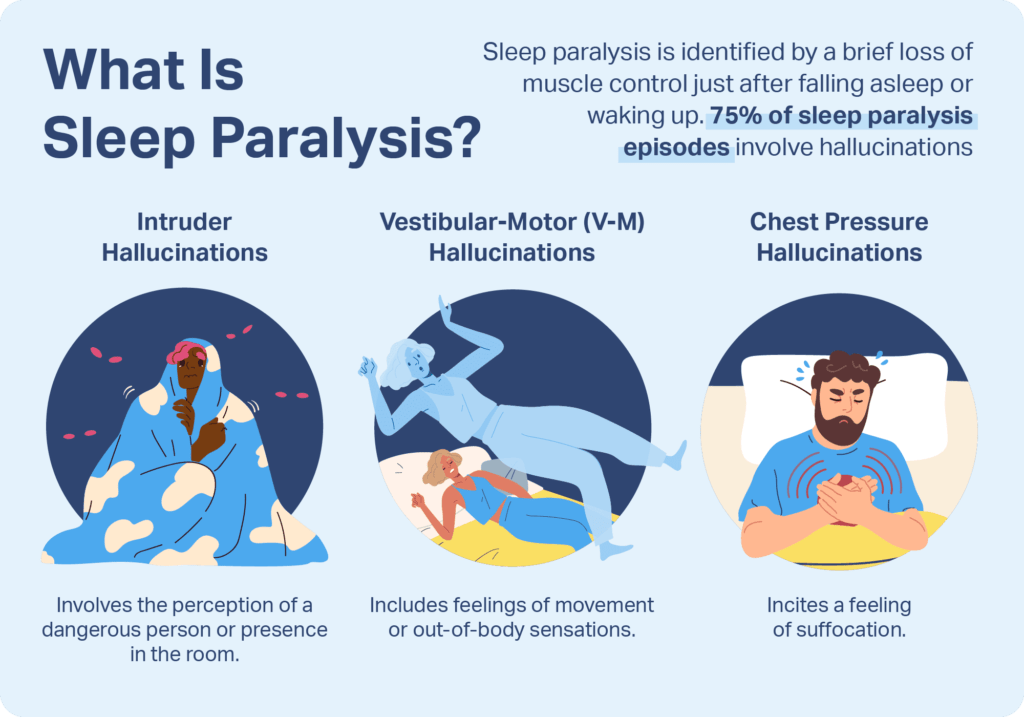
What is Sleep Paralysis?
Sleep paralysis is a relatively common phenomenon that occurs when you wake up during the transition between sleep and wakefulness. During this state, your body is temporarily paralyzed, and you may feel unable to move or speak. This typically lasts for a few seconds to a few minutes, but it can feel much longer.
It is important to note that sleep paralysis is not a medical condition on its own, but rather a symptom of other sleep disorders such as narcolepsy. This experience can be frightening, but it is usually harmless and does not pose any long-term health risks.
The Sleep Cycle
In order to understand sleep paralysis, it is important to first understand the different stages of sleep. The sleep cycle consists of four stages of non-REM (rapid eye movement) sleep followed by REM sleep. These stages cycle throughout the night, with REM sleep occurring roughly every 90 minutes.
During the REM stage of sleep, your brain is highly active, and this is when most dreams occur. Your muscles are usually temporarily paralyzed during REM sleep to prevent you from acting out your dreams. This paralysis is known as REM atonia.
The Causes of Sleep Paralysis
Sleep paralysis occurs when you wake up before the REM atonia wears off. This can happen for a variety of reasons, including:
- Disruption of the sleep cycle
- Irregular sleep patterns
- Stress and anxiety
- Sleep deprivation
- Narcolepsy
Some people may be more prone to experiencing sleep paralysis than others, and it can occur at any age.
Symptoms of Sleep Paralysis
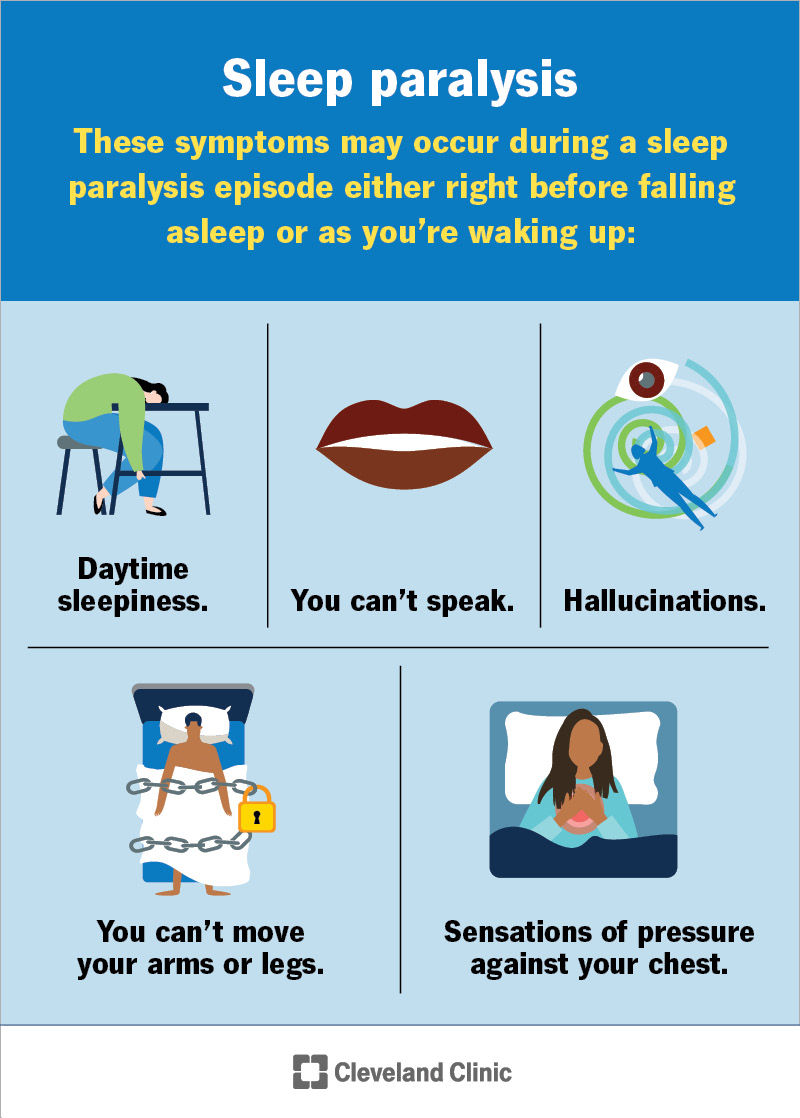
When experiencing sleep paralysis, you may feel a sense of fear or dread, as you are conscious but unable to move or speak. Other common symptoms include:
- Pressure on the chest
- Hallucinations
- Sensations of floating, flying, or falling
- Feeling a presence in the room
These symptoms can vary from person to person and may be accompanied by feelings of confusion or disorientation.
Treatment and Prevention
While sleep paralysis can be a frightening experience, there are steps you can take to reduce the likelihood of it occurring:
- Maintain a regular sleep schedule
- Create a relaxing bedtime routine
- Reduce stress and anxiety
- Improve sleep hygiene
- Treat any underlying sleep disorders
If you experience frequent or severe episodes of sleep paralysis, it is important to consult a healthcare professional. They may recommend further evaluation or treatment for any underlying sleep disorders.
Coping Strategies
If you do experience sleep paralysis, there are coping strategies that may help you feel more at ease:
- Focus on controlling your breathing
- Try to move your toes or fingers to help break the paralysis
- Remind yourself that it is a temporary experience
- Practice relaxation techniques before bedtime
By being prepared and knowing what to expect, you can help alleviate some of the anxiety associated with sleep paralysis.

When to Seek Help
While sleep paralysis is usually harmless, there are cases where it may be a symptom of an underlying sleep disorder. It is important to seek help if you experience:
- Frequent episodes of sleep paralysis
- Severe anxiety or distress
- Persistent sleep disturbances
- Other symptoms that may indicate a sleep disorder
A healthcare professional can help determine the underlying cause of your sleep paralysis and recommend appropriate treatment options.
Conclusion
In conclusion, sleep paralysis can be a terrifying experience, but it is usually harmless and happens to many people at some point in their lives. By understanding the science behind sleep paralysis, you can better cope with and prevent these episodes. Remember to focus on improving your overall sleep quality and managing stress levels to reduce the likelihood of experiencing sleep paralysis.
If you have any concerns about your sleep patterns or experience frequent episodes of sleep paralysis, do not hesitate to seek help from a healthcare professional. Take care of your mental and physical well-being to ensure a good night’s sleep and reduce the occurrence of sleep paralysis.