
Welcome to the fascinating world of sleep paralysis in folklore and mythology! Many cultures around the world have their own unique interpretations of this common sleep phenomenon. From ancient Greek tales of the demon Hypnos to Icelandic legends of the “Mare” who sits on your chest at night, these stories offer a glimpse into how different societies have tried to explain the eerie experience of being unable to move while dreaming. Join us on a journey through the folklore and mythology surrounding sleep paralysis, and discover the rich tapestry of beliefs and superstitions that have evolved over centuries.
Have you ever experienced the terrifying phenomenon known as sleep paralysis?
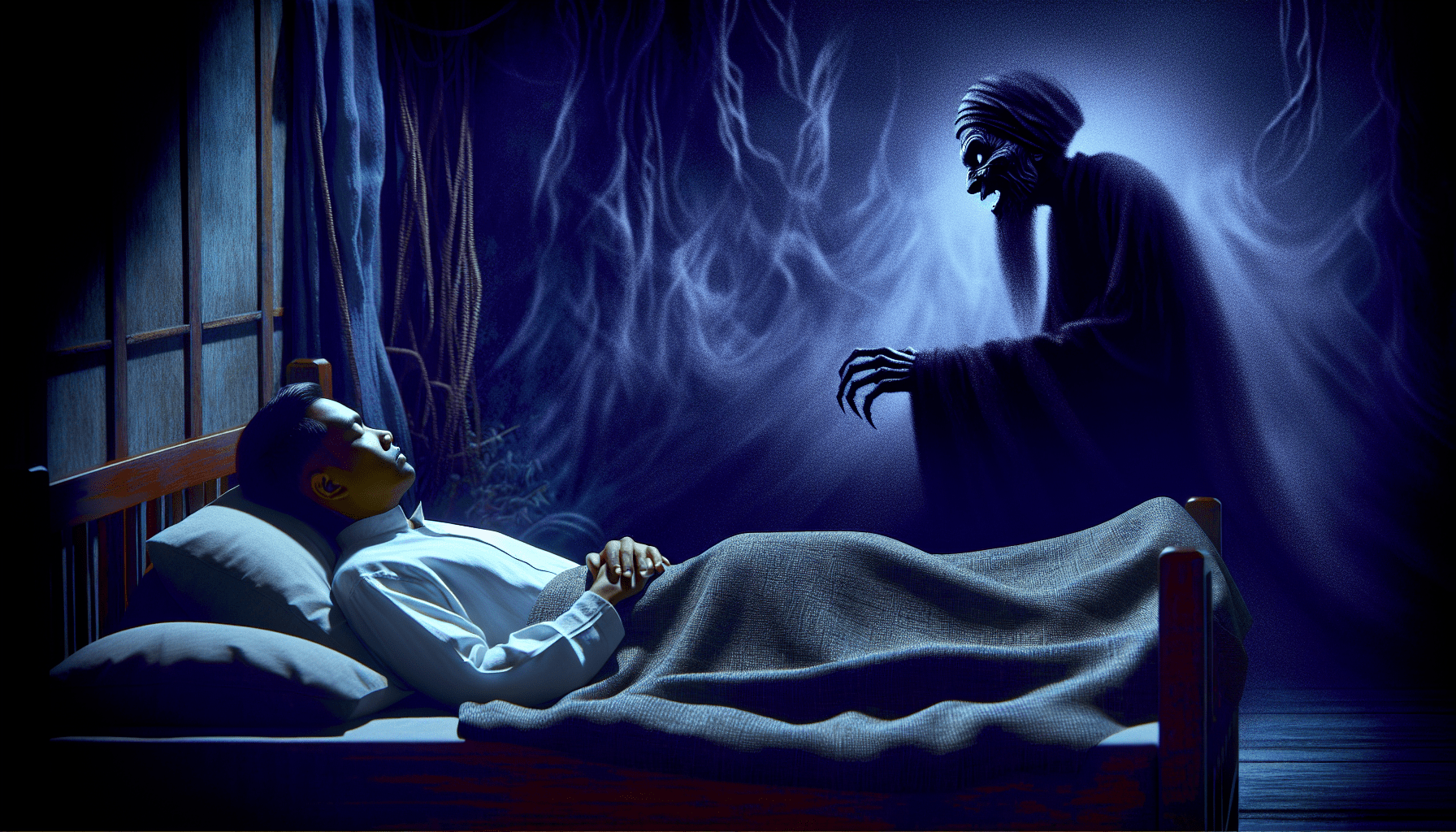
Sleep paralysis is a frightening experience where you wake up unable to move or speak, often accompanied by a feeling of pressure on your chest and a sense of impending doom. Many cultures around the world have their own unique beliefs and explanations for this terrifying phenomenon. In this article, we will explore some of the folklore and mythology surrounding sleep paralysis, shedding light on the diverse perspectives on this mysterious occurrence.
Understanding Sleep Paralysis
Sleep paralysis occurs when a person wakes up during the REM (rapid eye movement) stage of sleep but their brain remains in a state of paralysis, preventing them from moving their muscles. This can be a terrifying experience as the individual is conscious but unable to move, speak, or cry out for help. The sensation of pressure on the chest and a feeling of being watched or accompanied by a malevolent presence are common experiences reported by those who have suffered from sleep paralysis.
Many factors can contribute to the occurrence of sleep paralysis, including stress, disrupted sleep patterns, narcolepsy, and sleeping on your back. While it is a relatively common phenomenon, affecting around 8% of the general population, it can be a frightening and disorienting experience for those who have never encountered it before.
The Cultural Significance of Sleep Paralysis
Throughout history, sleep paralysis has been interpreted and explained through the lens of various cultural beliefs and mythologies. Different cultures have associated sleep paralysis with supernatural entities, spirits, and demons, attributing the phenomenon to otherworldly forces beyond the realm of scientific understanding.

Sleep Paralysis in Folklore
In many cultures, sleep paralysis is closely intertwined with folklore and superstitions. It is often seen as a form of spiritual attack or demonic possession, with mysterious entities being blamed for the terrifying sensations experienced during episodes of sleep paralysis. Here are some examples of how sleep paralysis is viewed in different folklore traditions:
Native American Folklore
In Native American folklore, sleep paralysis is often attributed to evil spirits or supernatural beings known as “hag” or “witches.” These malevolent entities are believed to visit individuals during the night, sitting on their chest and suffocating them, causing the sensation of pressure experienced during sleep paralysis. Shamans and medicine men were called upon to protect people from these malicious spirits and ward off their attacks.
African Folklore
In many African cultures, sleep paralysis is seen as a form of spiritual attack by malevolent spirits or witches. It is believed that these entities can enter a person’s body while they are asleep and paralyze them, causing fear and distress. Rituals and protective charms are often used to ward off these evil spirits and protect individuals from experiencing sleep paralysis.
European Folklore
In European folklore, sleep paralysis is often associated with supernatural beings such as demons, ghosts, or vampires. The sensation of being unable to move or speak is attributed to these malevolent entities holding the individual down or draining their energy. Various rituals, charms, and prayers were used to protect against these dark forces and prevent sleep paralysis from occurring.
Sleep Paralysis in Mythology
In addition to folklore, sleep paralysis has also been depicted in various mythological traditions around the world. Myths are stories that seek to explain natural phenomena or human experiences through the lens of cultural beliefs and symbolism. Here are some examples of how sleep paralysis is portrayed in mythology:
Greek Mythology
In Greek mythology, sleep paralysis is associated with the god Hypnos, the personification of sleep. It is believed that Hypnos and his twin brother Thanatos, the god of death, would visit mortals during the night and bring them into a state of unconsciousness. The sensation of paralysis experienced during sleep paralysis was thought to be the result of being visited by these powerful deities.
Japanese Mythology
In Japanese mythology, sleep paralysis is linked to a supernatural creature known as the “kanashibari.” This malevolent being is said to sit on the chest of sleeping individuals, causing them to experience a sense of pressure and immobility. Kanashibari is believed to be a harbinger of misfortune and is associated with sleep disturbances and nightmares in Japanese folklore.
Norse Mythology
In Norse mythology, sleep paralysis is often attributed to the influence of malevolent spirits such as the “mare” or “nightmare.” These supernatural beings are said to ride on the backs of sleeping people, causing them to experience terrifying dreams and sensations of being held down. Sacred symbols and protective talismans were used to ward off these dark forces and prevent sleep paralysis from occurring.
Coping with Sleep Paralysis
If you have ever experienced sleep paralysis, you know how frightening and disorienting it can be. While the experience is usually harmless and temporary, it can still have a significant impact on your mental and emotional well-being. Here are some tips for coping with sleep paralysis and reducing the likelihood of future episodes:
Improve Your Sleep Environment
Creating a calm and peaceful sleep environment can help reduce stress and promote restful sleep. Make sure your bedroom is dark, quiet, and at a comfortable temperature. Avoid stimulating activities before bedtime and establish a relaxing bedtime routine to prepare your body and mind for sleep.
Practice Good Sleep Hygiene
Maintaining good sleep hygiene is essential for preventing sleep disturbances such as sleep paralysis. Develop a regular sleep schedule and stick to it, even on weekends. Avoid caffeine, alcohol, and heavy meals close to bedtime, as these can disrupt your sleep patterns and increase the likelihood of experiencing episodes of sleep paralysis.
Reduce Stress and Anxiety
Stress and anxiety are common triggers for sleep paralysis. Practice relaxation techniques such as deep breathing, meditation, or yoga to help calm your mind and body. Seek support from a therapist or counselor if you are struggling with persistent stress or anxiety that is affecting your sleep.
Seek Professional Help
If you are experiencing frequent episodes of sleep paralysis or if they are causing significant distress or impairment in your daily life, it may be helpful to seek professional help. A sleep specialist or therapist can provide guidance and support in managing your symptoms and improving your overall sleep quality.
Final Thoughts
Sleep paralysis is a mysterious and complex phenomenon that has been interpreted and explained through a variety of cultural beliefs and mythological traditions. By exploring the folklore and mythology surrounding sleep paralysis, we gain insight into the diverse perspectives on this intriguing experience. Whether you view sleep paralysis as a spiritual attack, a scientific phenomenon, or something in between, it remains a fascinating and enigmatic aspect of the human experience. By understanding the cultural significance of sleep paralysis, we can gain a deeper appreciation for the rich tapestry of beliefs and traditions that shape our understanding of the world around us.