
Welcome to an exploration of the intriguing connection between sleep paralysis and creativity. If you have ever experienced the unsettling sensation of being unable to move or speak upon waking or falling asleep, you are not alone. Many individuals have reported feelings of fear or anxiety during these episodes. However, what if I told you that some people, including myself, have found inspiration and creativity in the midst of sleep paralysis? In this article, we will discuss how this unique phenomenon has influenced my creative process and how you may be able to turn a potentially frightening experience into something positive and productive. Let’s delve into the fascinating world of sleep paralysis and creativity! Have you ever experienced the frightening phenomenon of sleep paralysis? You’re not alone. Many people have encountered this unsettling experience at some point in their lives. But did you know that sleep paralysis can also have a surprising influence on your creativity? Let’s explore the mysterious world of sleep paralysis and how it can impact your creative abilities.
What is Sleep Paralysis?
If you’ve ever found yourself waking up from sleep unable to move or speak, you may have experienced sleep paralysis. This unique state occurs when your mind wakes up during REM (rapid eye movement) sleep, but your body remains temporarily paralyzed. It can be a terrifying experience, as you may feel like you’re trapped in your own body, unable to move or communicate.
Your brain basically wakes up before your body does
Imagine feeling completely conscious but unable to move a muscle. That’s essentially what happens during sleep paralysis. Your mind is awake, but your body is still in a state of sleep-induced paralysis. It can be a disorienting and frightening experience for those who go through it.
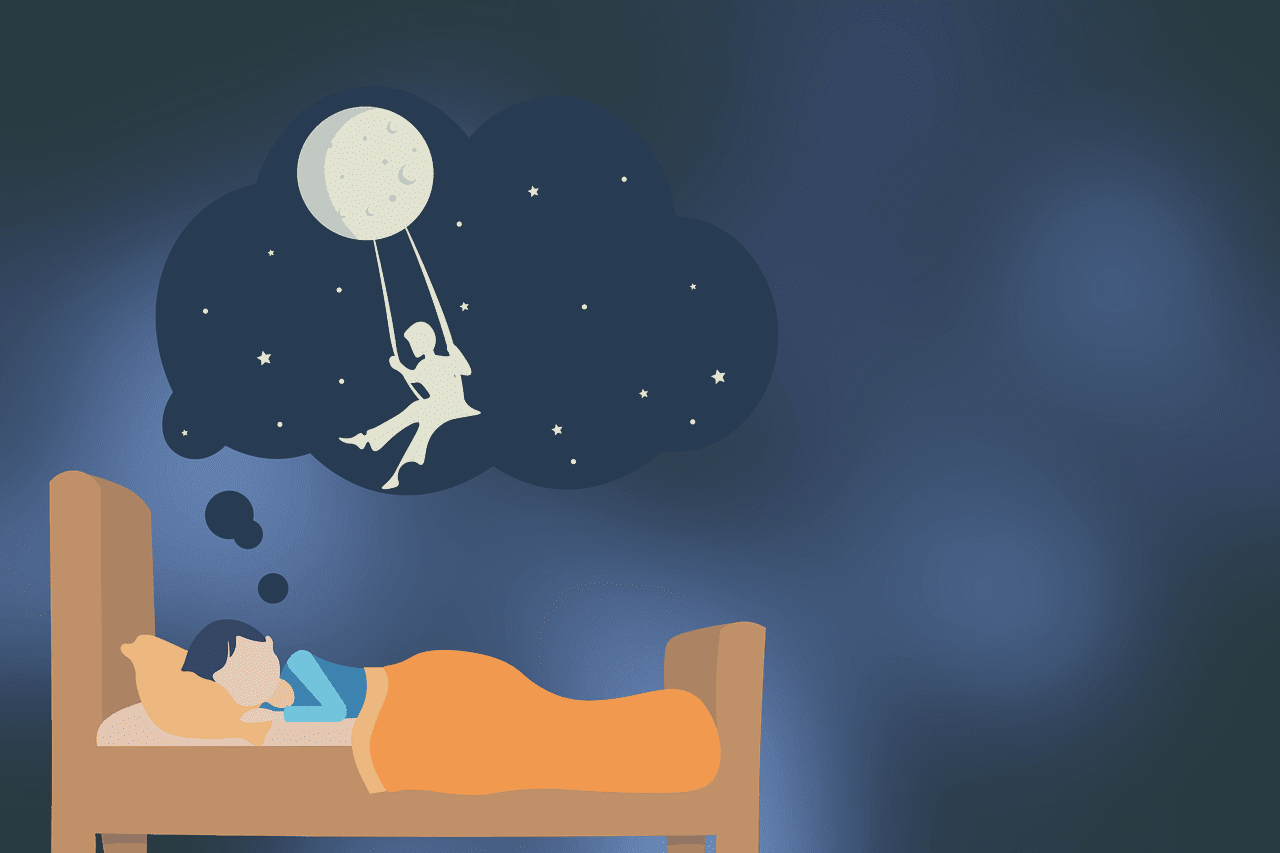
The Science Behind Sleep Paralysis
Sleep paralysis occurs during the REM stage of sleep, which is when most dreaming happens. During REM sleep, your body is naturally paralyzed to prevent you from acting out your dreams. However, in the case of sleep paralysis, this paralysis persists even after you’ve woken up mentally.
Your body is still in dream mode
When you experience sleep paralysis, your body fails to transition out of the dream-mode paralysis that normally occurs during REM sleep. This can lead to a feeling of helplessness and confusion as your mind tries to make sense of why your body is not responding to its commands.
The amygdala is on high alert
During sleep paralysis, the amygdala, the part of the brain responsible for processing emotions, goes into overdrive. This heightened emotional state can lead to feelings of fear, dread, and even hallucinations, making the experience even more terrifying for the person going through it.

How Sleep Paralysis Can Influence Your Creativity
While sleep paralysis can be a frightening experience, it can also have unexpected effects on your creativity. Many artists, writers, and musicians have reported experiencing heightened creativity and inspiration after going through a bout of sleep paralysis. But how exactly does this phenomenon influence your creative abilities?
Your brain is in a hyper-aware state
During sleep paralysis, your brain is in a hyper-aware state, as it tries to make sense of the disconnect between your mind and body. This heightened state of consciousness can lead to a surge in creative thinking, as your brain is more receptive to new ideas and connections.
Your dreams become more vivid and surreal
Because sleep paralysis occurs during the REM stage of sleep, your dreams can become more vivid and surreal. This dreamlike state can spark new ideas and inspiration for your creative endeavors, leading to a surge in artistic output.
Your subconscious mind is unleashed
During sleep paralysis, your subconscious mind is more active than usual, as it tries to navigate the strange experience of being awake but unable to move. This can lead to a deeper connection with your inner thoughts and feelings, unlocking new pathways for creative expression.

How to Channel Sleep Paralysis into Creativity
If you’ve experienced sleep paralysis and want to harness its creative potential, there are several strategies you can use to channel this unique phenomenon into your artistic pursuits. By tapping into the insights gained during sleep paralysis, you can enhance your creativity and produce more meaningful work.
Keep a dream journal
One way to harness the creative power of sleep paralysis is to keep a dream journal. Write down your experiences and feelings during sleep paralysis, as well as any vivid dreams or hallucinations you may have had. This can help you tap into your subconscious mind and channel its insights into your creative work.
Practice mindfulness and meditation
Mindfulness and meditation can help you make sense of the emotional and psychological effects of sleep paralysis. By practicing these techniques, you can gain a deeper understanding of your thoughts and feelings during sleep paralysis and use them to enhance your creative process.
Experiment with different art forms
If you’re a visual artist, try experimenting with different mediums and techniques to express the vivid imagery of your sleep paralysis experiences. If you’re a writer or musician, use the emotional intensity of sleep paralysis to inspire new stories or compositions. By exploring different art forms, you can tap into the full creative potential of your sleep paralysis experiences.
Coping with Sleep Paralysis
While sleep paralysis can have a surprising influence on your creativity, it can also be a distressing and unsettling experience. If you’re struggling to cope with the effects of sleep paralysis, there are several strategies you can use to manage this phenomenon and reduce its impact on your well-being.
Talk to a therapist or counselor
If you’re experiencing frequent episodes of sleep paralysis and it’s impacting your mental health, consider speaking with a therapist or counselor. They can help you process the emotional and psychological effects of sleep paralysis and develop coping strategies to manage this phenomenon effectively.
Create a calming bedtime routine
Establishing a calming bedtime routine can help reduce the likelihood of experiencing sleep paralysis. Practice relaxation techniques such as deep breathing, meditation, or gentle stretching before bed to help your mind and body unwind and prepare for a restful night’s sleep.
Improve your sleep hygiene
Good sleep hygiene is essential for managing sleep paralysis. Make sure your sleep environment is comfortable, dark, and quiet, and avoid stimulating activities such as screen time before bed. By prioritizing healthy sleep habits, you can reduce the frequency and intensity of sleep paralysis episodes.

Final Thoughts
Sleep paralysis is a mysterious and unsettling phenomenon that can have a surprising influence on your creativity. By understanding the science behind sleep paralysis and learning how to channel its creative potential, you can transform this unique experience into a source of inspiration and artistic growth. Remember, you’re not alone in your experiences with sleep paralysis, and with the right strategies and mindset, you can navigate this phenomenon with creativity and resilience.