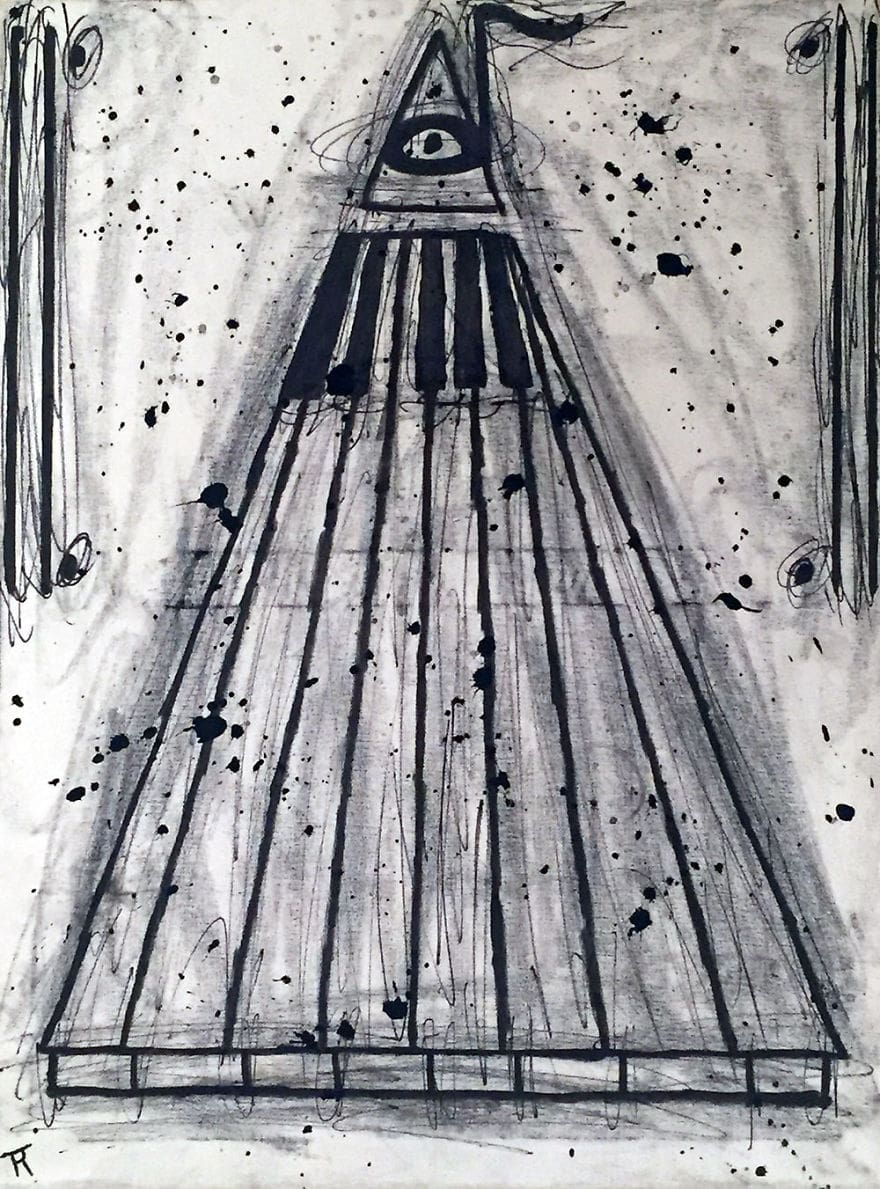
Have you ever wondered about the connection between sleep paralysis and indigenous art and artifacts? In this article, you will explore the fascinating intersection of this common sleep phenomenon and the rich cultural expressions of indigenous peoples. From ancient artifacts to contemporary art pieces, there is much to discover about how different cultures have interpreted and depicted sleep paralysis. So, let’s delve into this intriguing topic together!
Understanding Sleep Paralysis
If you have ever experienced sleep paralysis, you know how unsettling it can be. This phenomenon occurs when a person wakes up from sleep but finds themselves unable to move. Often, individuals may feel a sense of pressure on their chest, have difficulty breathing, and even hallucinate. While sleep paralysis is a common occurrence, it can be quite frightening for those who experience it.
Sleep Paralysis Across Cultures
Sleep paralysis is not a phenomenon that is limited to one culture or time period. In fact, this experience has been documented across various societies and throughout history. Different cultures have attributed different meanings to sleep paralysis, with some viewing it as a medical condition and others seeing it as a spiritual or supernatural occurrence.
The Role of Art and Artifacts
Art and artifacts have long been used as a way to capture and convey human experiences. When it comes to sleep paralysis, indigenous cultures have created stunning pieces of art that depict this phenomenon in unique and thought-provoking ways. These artistic representations offer us a glimpse into how different societies have interpreted and understood sleep paralysis.
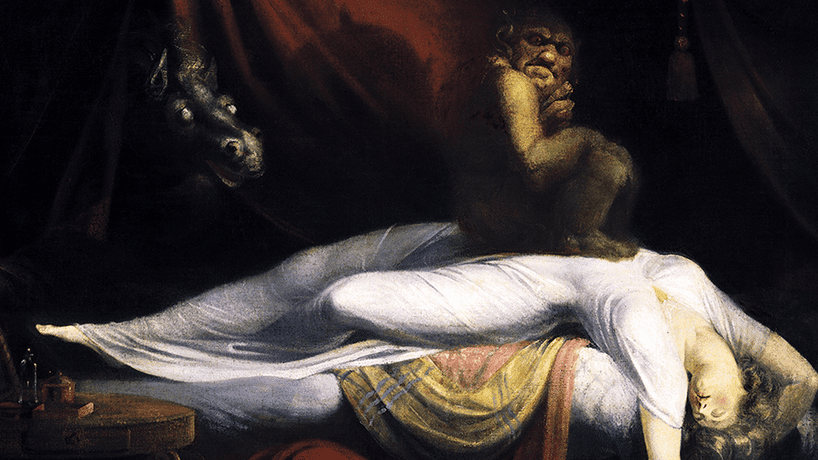
Sleep Paralysis in Indigenous Art
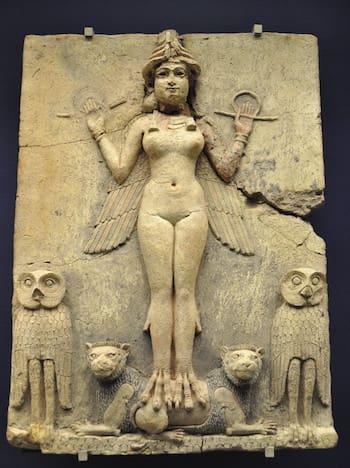
One of the most striking aspects of sleep paralysis in indigenous art is the diversity of interpretations and depictions. From paintings to sculptures, indigenous artists have utilized various mediums to convey the experience of sleep paralysis in a powerful and evocative manner.
Symbolism in Indigenous Art
Indigenous art is often characterized by rich symbolism and storytelling. In the context of sleep paralysis, artists have used symbols such as birds, snakes, and masks to represent the feelings of fear, helplessness, and confusion that often accompany this experience. By leveraging these symbols, indigenous artists are able to convey the complex emotions and sensations associated with sleep paralysis.
Artistic Styles and Techniques
Indigenous art is known for its vibrant colors, intricate patterns, and attention to detail. When it comes to depicting sleep paralysis, artists have employed a variety of styles and techniques to bring this phenomenon to life. Whether through realistic portraits or abstract compositions, these artists have succeeded in capturing the essence of sleep paralysis through their unique artistic visions.
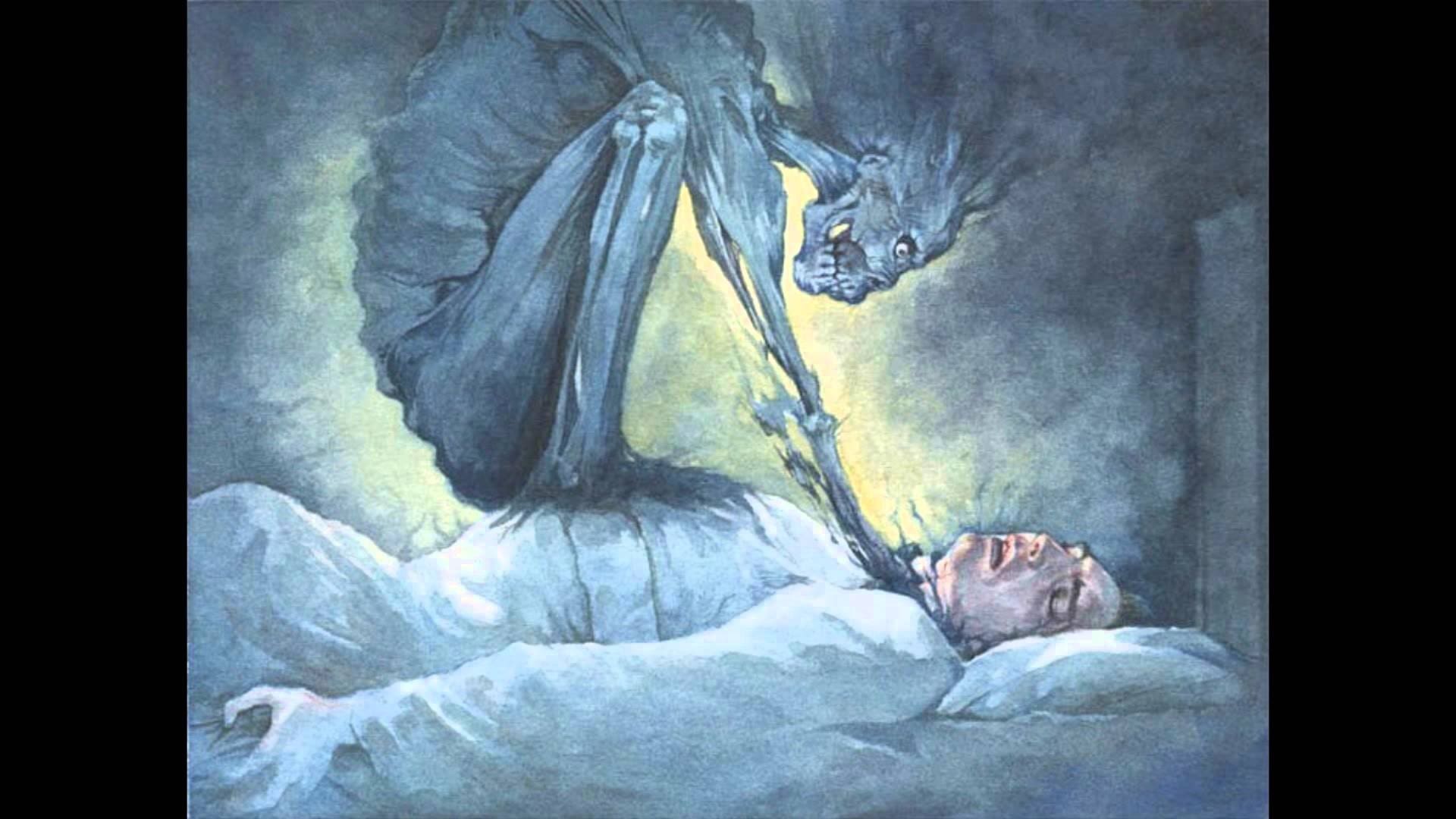
Indigenous Artifacts and Sleep Paralysis
In addition to visual art, indigenous cultures have also created artifacts that reflect their beliefs and understandings of sleep paralysis. These artifacts, ranging from ceremonial objects to everyday items, offer us valuable insights into how different societies have approached this mysterious phenomenon.
Ceremonial Objects
Ceremonial objects play a significant role in indigenous cultures, serving as powerful symbols of tradition and spirituality. In the context of sleep paralysis, certain artifacts have been used in ceremonial practices to ward off evil spirits and protect individuals from malevolent forces during their vulnerable state of sleep paralysis. These objects not only serve a practical purpose but also hold deep symbolic meaning within indigenous cultures.
Everyday Items
Even in everyday life, indigenous peoples have found ways to address the challenges posed by sleep paralysis. Everyday items such as dreamcatchers, talismans, and protective amulets have been used to provide a sense of security and peace to those who experience sleep paralysis regularly. These items serve as physical reminders of the spiritual beliefs and practices that guide indigenous communities in navigating the complexities of sleep paralysis.
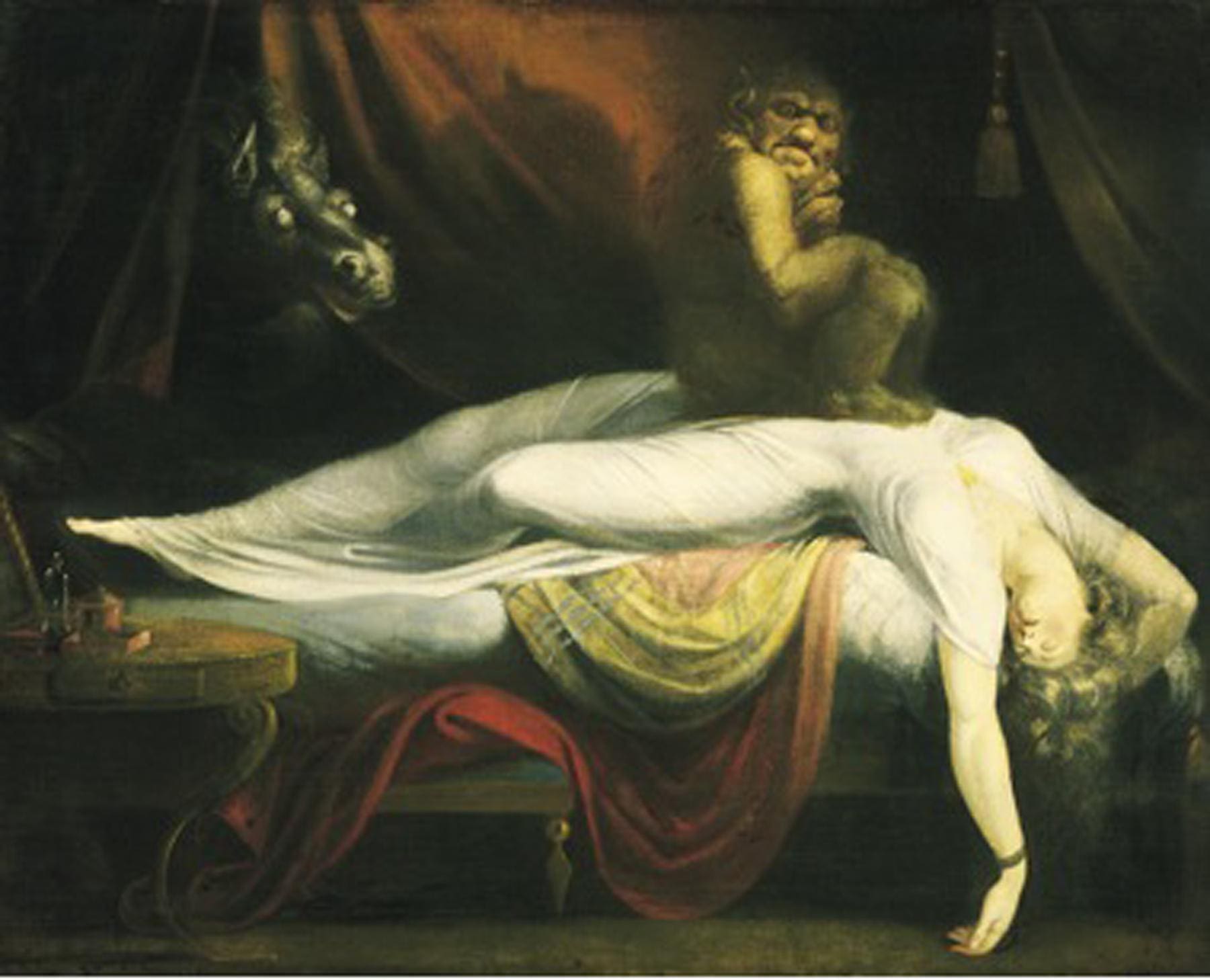
Contemporary Interpretations
While indigenous art and artifacts offer valuable insights into the historical and cultural significance of sleep paralysis, contemporary artists have also been drawn to this topic. Through their innovative works, these artists challenge traditional narratives and explore new ways of understanding and representing sleep paralysis in a modern context.
Reinterpretation of Symbols
Contemporary artists often reinterpret traditional symbols and motifs in order to make them relevant to a contemporary audience. When it comes to sleep paralysis, artists may update traditional symbols or incorporate new elements into their work to reflect the evolving understanding of this phenomenon. By doing so, these artists breathe new life into age-old traditions and offer fresh perspectives on the experience of sleep paralysis.
Fusion of Artistic Styles
In today’s globalized world, artists have the freedom to draw inspiration from a wide range of artistic traditions and practices. This fusion of artistic styles can be seen in contemporary works that explore the theme of sleep paralysis. By blending indigenous techniques with modern influences, artists are able to create visually stunning pieces that speak to the complexities of this phenomenon in a rapidly changing world.
Conclusion
In conclusion, the intersection of sleep paralysis and indigenous art and artifacts offers a fascinating glimpse into the rich cultural heritage of different societies. Through their paintings, sculptures, and ceremonial objects, indigenous peoples have captured the essence of sleep paralysis in diverse and profound ways. By studying these artistic expressions, we gain a deeper appreciation for the complexities of this common sleep phenomenon and the diverse ways in which it has been understood and interpreted throughout history. So next time you find yourself in a state of sleep paralysis, remember the powerful artistic legacy that surrounds this mysterious experience.