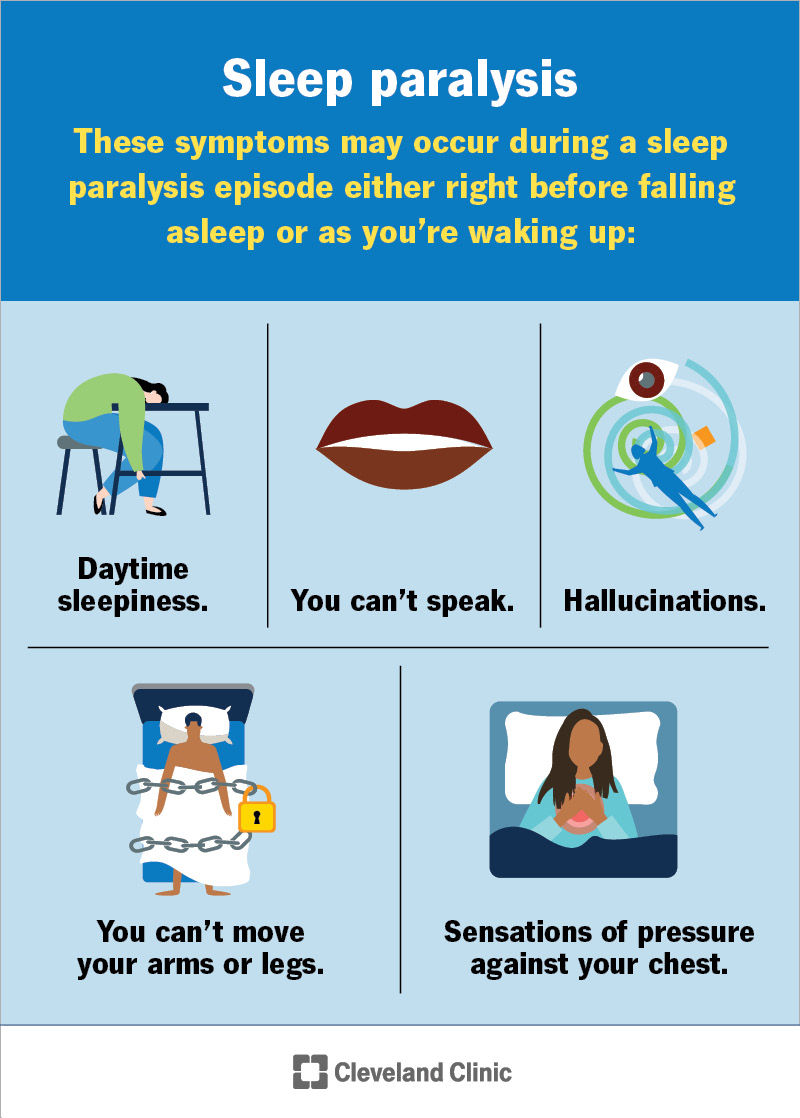
Have you ever experienced the unsettling sensation of being awake but unable to move, feeling like a heavy weight is pressing down on your chest? If so, you may have experienced sleep paralysis. In moments like these, it can be challenging to find a sense of gratitude amidst the fear and confusion. However, cultivating gratitude in the midst of sleep paralysis can help shift your perspective and bring a sense of peace and calm to these moments. Let’s explore how you can cultivate gratitude even in the midst of sleep paralysis.
Understanding Sleep Paralysis
Sleep paralysis is a phenomenon that occurs when a person is temporarily unable to move or speak while falling asleep or waking up. It can be accompanied by vivid hallucinations and a sense of fear or dread. While sleep paralysis is not considered harmful, it can be a frightening experience for those who have never experienced it before.
What Causes Sleep Paralysis?
There are a few factors that can contribute to the occurrence of sleep paralysis. These include:
- Disrupted Sleep Patterns: Irregular sleep schedules or poor sleep quality can increase the likelihood of experiencing sleep paralysis.
- Stress and Anxiety: High levels of stress or anxiety can trigger episodes of sleep paralysis.
- Narcolepsy: Sleep paralysis can be a symptom of narcolepsy, a chronic sleep disorder.
- Sleeping on Your Back: Sleeping on your back increases the likelihood of experiencing sleep paralysis. Now that you have a better understanding of what sleep paralysis is and what can potentially trigger it, let’s move on to how you can cultivate gratitude in the midst of these experiences.

Cultivating Gratitude During Sleep Paralysis
While sleep paralysis can be a scary and unsettling experience, it is possible to cultivate gratitude even in the midst of these moments. Practicing gratitude can help shift your focus from fear and anxiety to a sense of peace and acceptance. Here are some strategies to help you cultivate gratitude during sleep paralysis:
Focus on Your Breath
During an episode of sleep paralysis, focus on your breath. Take slow, deep breaths and try to stay calm. By focusing on your breath, you can anchor yourself in the present moment and create a sense of calm amidst the chaos.
Practice Mindfulness
Mindfulness involves paying attention to the present moment without judgment. During sleep paralysis, try to observe the sensations and feelings you are experiencing without getting caught up in fear or panic. By practicing mindfulness, you can cultivate a sense of detachment from the experience and find gratitude in the moment.
Express Gratitude
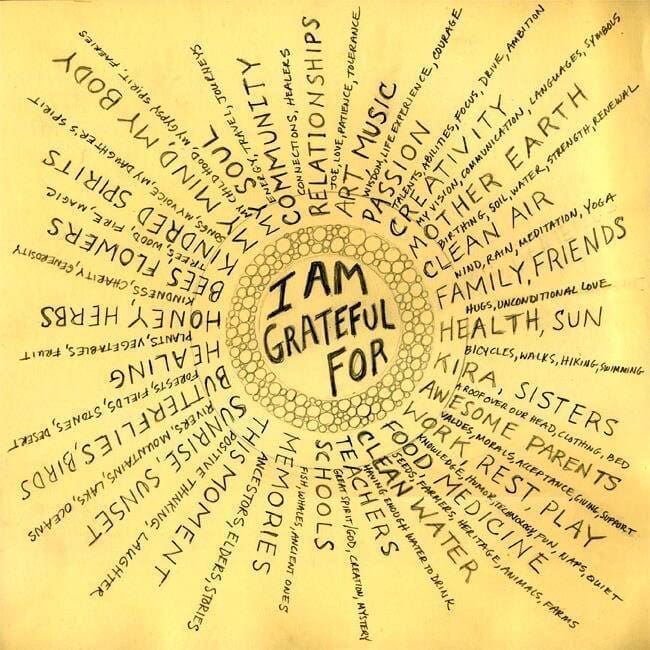
Even in the midst of sleep paralysis, take a moment to express gratitude for the things in your life that bring you joy and happiness. Focus on the people, experiences, and moments that you are grateful for, and let that sense of gratitude fill your heart and mind.
Visualize a Positive Outcome
In moments of sleep paralysis, it can be helpful to visualize a positive outcome. Imagine yourself overcoming the paralysis and feeling a sense of peace and calm. Visualizing a positive outcome can help shift your mindset from fear to gratitude.
Create a Gratitude Journal
Consider keeping a gratitude journal to document the things you are grateful for each day. In moments of sleep paralysis, you can refer back to your journal and remind yourself of the blessings in your life. Writing down your gratitude can help solidify your feelings of thankfulness and bring a sense of peace to your mind.
Seek Support
If you are struggling to cope with sleep paralysis, consider seeking support from a therapist or counselor. Talking to a professional can help you process your feelings and develop strategies for cultivating gratitude in the midst of these experiences. Remember, you are not alone, and there are resources available to help you navigate this challenging phenomenon.
Practice Self-Compassion
Be gentle with yourself during episodes of sleep paralysis. Practice self-compassion and show yourself kindness and understanding. Remember that it is okay to feel scared or anxious, and that you deserve to treat yourself with love and care.
By implementing these strategies, you can begin to cultivate gratitude even in the midst of sleep paralysis. Remember that it is a process, and it may take time to shift your perspective. Be patient with yourself, and trust that you have the resilience and strength to overcome these challenging moments.
Conclusion
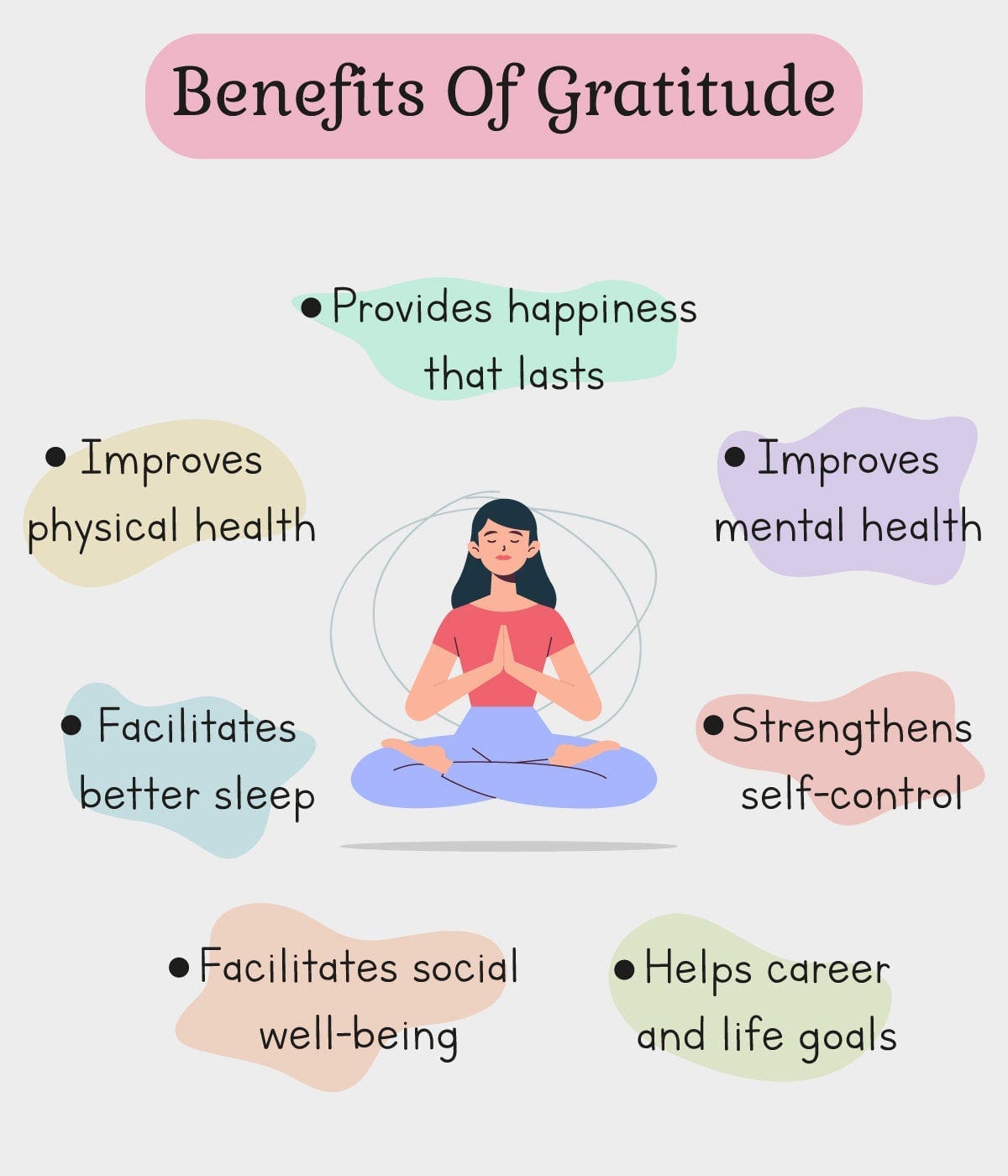
In conclusion, cultivating gratitude in the midst of sleep paralysis can help shift your perspective from fear and anxiety to peace and acceptance. By focusing on your breath, practicing mindfulness, expressing gratitude, visualizing a positive outcome, creating a gratitude journal, seeking support, and practicing self-compassion, you can begin to find a sense of gratitude even in the most unsettling moments. Remember that you are not alone, and there are tools and resources available to help you navigate the experience of sleep paralysis with grace and gratitude. Stay strong, stay grateful, and know that you have the power to overcome these challenges.