In times of sleep paralysis episodes, your support system plays a crucial role in helping you navigate through the unsettling experience. Whether it’s a comforting presence by your side, a reassuring voice guiding you back to reality, or simply knowing that someone is there for you, having a support system can make all the difference in the world. By having someone there to hold your hand, provide comfort, and offer assistance, you can feel safe and supported during these challenging moments. Have you ever experienced sleep paralysis? You are not alone. Many people around the world have encountered this phenomenon at some point in their lives. In this article, we will explore how to create a support system to help you cope with sleep paralysis episodes.

Understanding Sleep Paralysis
Sleep paralysis is a temporary inability to move or speak that occurs when you are waking up or falling asleep. During an episode, you may feel like you are awake but unable to move, which can be accompanied by hallucinations and a sense of fear or dread. Understanding what sleep paralysis is and its common symptoms is the first step in dealing with it effectively.
What Causes Sleep Paralysis?
Sleep paralysis is often associated with other sleep disorders, such as narcolepsy or insomnia. It can also be triggered by stress, lack of sleep, irregular sleep patterns, or certain medications. Knowing what factors can contribute to sleep paralysis can help you identify potential triggers and manage your symptoms more effectively.
Common Symptoms of Sleep Paralysis
Some common symptoms of sleep paralysis include:
- Inability to move or speak
- Feeling pressure on your chest
- Hallucinations
- Feeling like someone is in the room with you Recognizing these symptoms can help you differentiate between sleep paralysis and other sleep-related conditions.
Building Your Support System
Creating a support system can make a big difference in how you cope with sleep paralysis episodes. Having people who understand what you are going through and can provide comfort and reassurance can help you feel less isolated and anxious during these episodes.
Communicating with Loved Ones
Talking to friends and family about your experiences with sleep paralysis can help them understand what you are going through and provide emotional support when you need it. Letting your loved ones know how they can help you during an episode, whether it’s staying with you until it passes or checking in on you the next day, can make a big difference in how you feel supported and cared for.
Joining a Support Group
Connecting with others who have experienced sleep paralysis can help you feel less alone and learn coping strategies from people who have been through similar experiences. Support groups provide a safe space to share your thoughts and feelings, ask questions, and receive advice and encouragement from others who understand what you are going through.

Coping Strategies During Sleep Paralysis Episodes
Having coping strategies in place can help you manage the symptoms of sleep paralysis more effectively and reduce feelings of fear and anxiety during an episode.
Relaxation Techniques
Practicing relaxation techniques, such as deep breathing, progressive muscle relaxation, or visualization, can help calm your mind and body during a sleep paralysis episode. Focus on breathing slowly and deeply, relaxing your muscles one by one, or imagining yourself in a peaceful and safe place to help reduce feelings of fear and panic.
Changing Your Sleep Environment
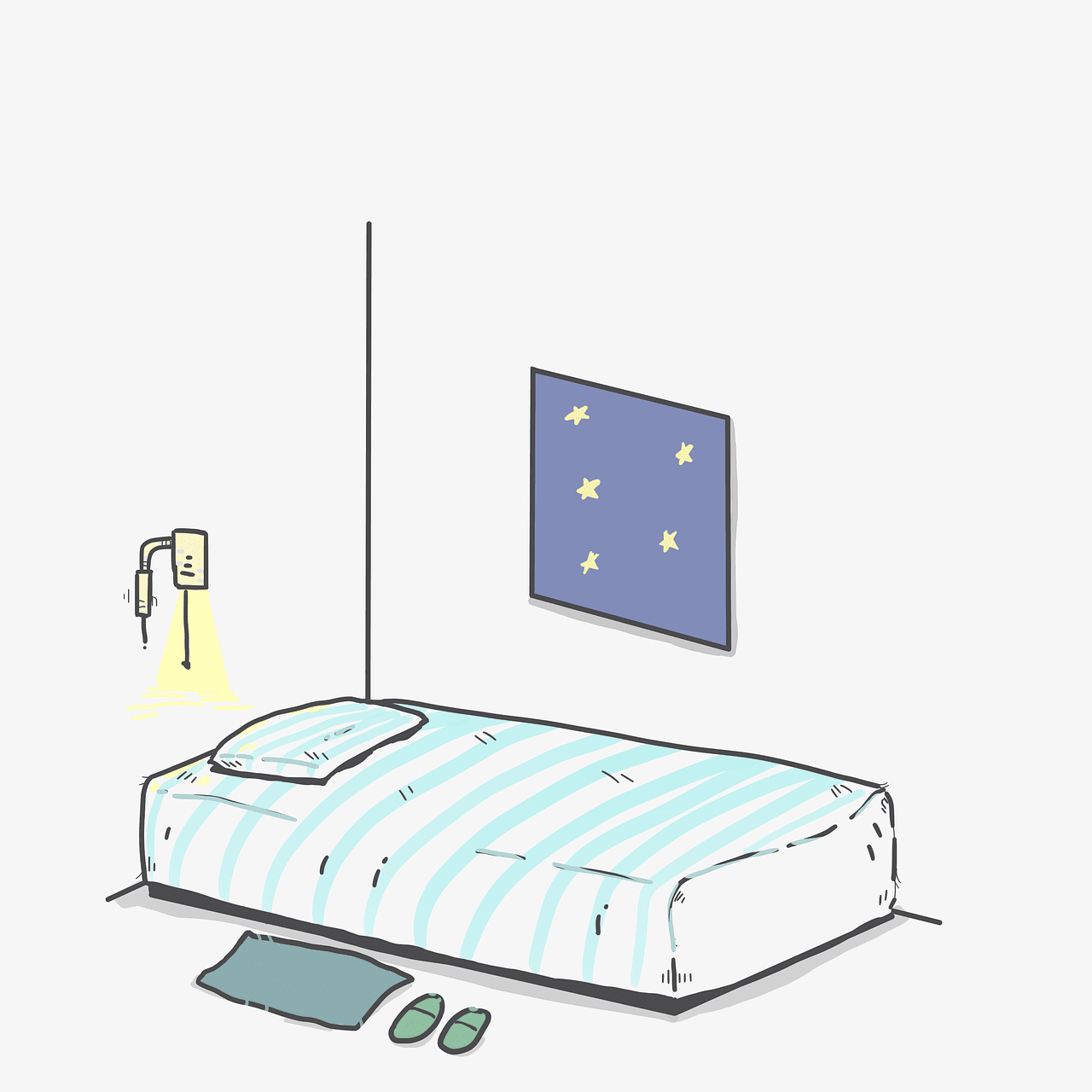
Creating a comfortable and relaxing sleep environment can help improve the quality of your sleep and reduce the frequency of sleep paralysis episodes. Make sure your bedroom is quiet, dark, and cool, and invest in a supportive mattress and pillows to help you get a good night’s rest. Avoiding caffeine, alcohol, and heavy meals before bedtime can also improve your sleep quality and reduce the likelihood of experiencing sleep paralysis.
Seeking Professional Help
If you are experiencing frequent or severe sleep paralysis episodes that are impacting your daily life, it may be helpful to seek professional help from a sleep specialist or therapist.
Consulting a Sleep Specialist
A sleep specialist can help diagnose any underlying sleep disorders that may be contributing to your sleep paralysis episodes and develop a treatment plan to help you manage your symptoms. They may recommend sleep studies to monitor your sleep patterns and identify any issues that may be affecting your sleep quality.
Therapy and Counseling
Therapy and counseling can also be beneficial in helping you cope with the emotional and psychological effects of sleep paralysis. A therapist can help you explore any underlying issues that may be contributing to your sleep paralysis episodes and develop coping strategies to reduce feelings of anxiety and fear during an episode.

Conclusion
In conclusion, building a support system, developing coping strategies, and seeking professional help are important steps in managing sleep paralysis episodes. Remember that you are not alone in experiencing sleep paralysis and that there are resources and support available to help you cope with this condition. By taking proactive steps to care for yourself and seeking support from others, you can navigate sleep paralysis episodes more effectively and improve your overall quality of life.