
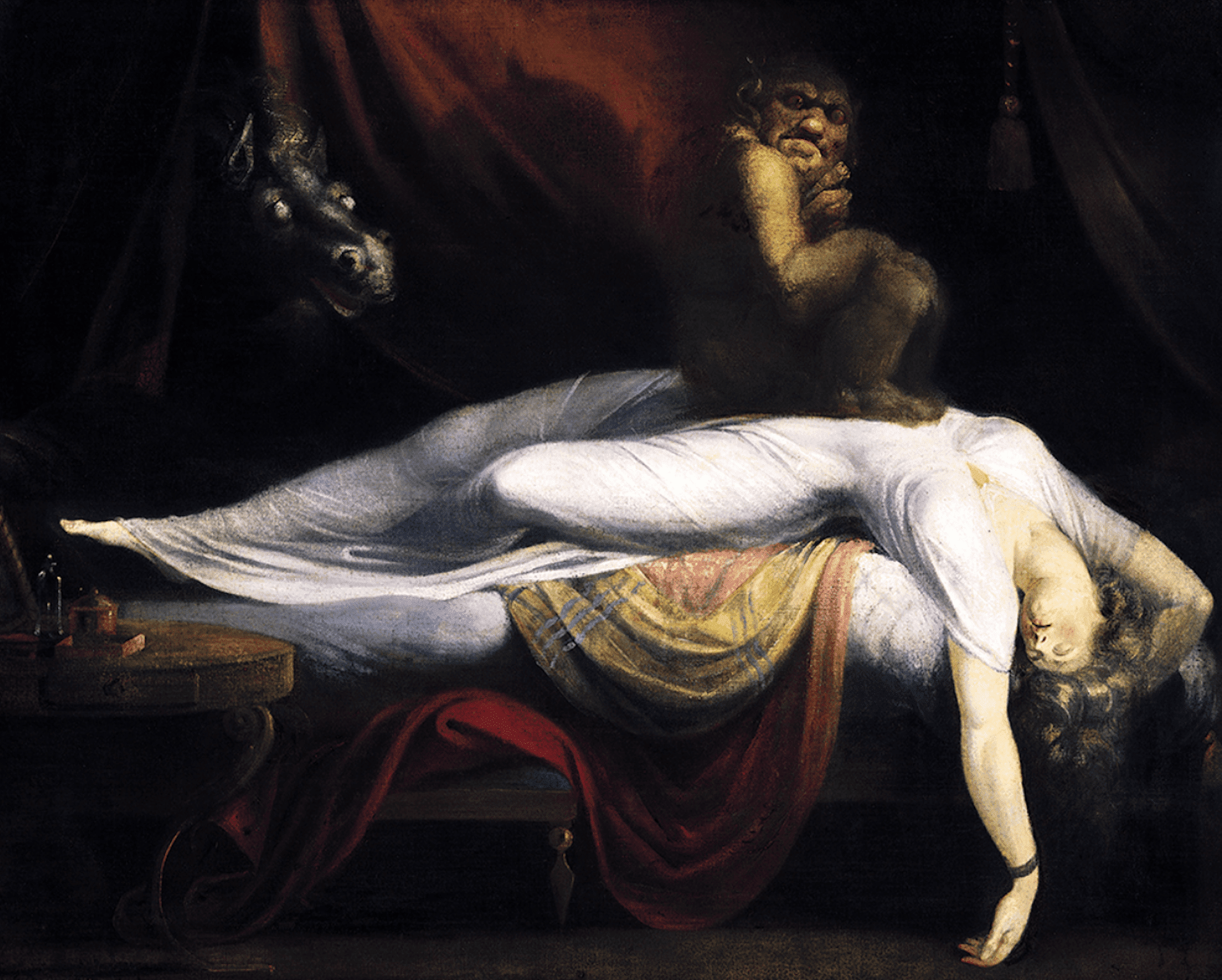
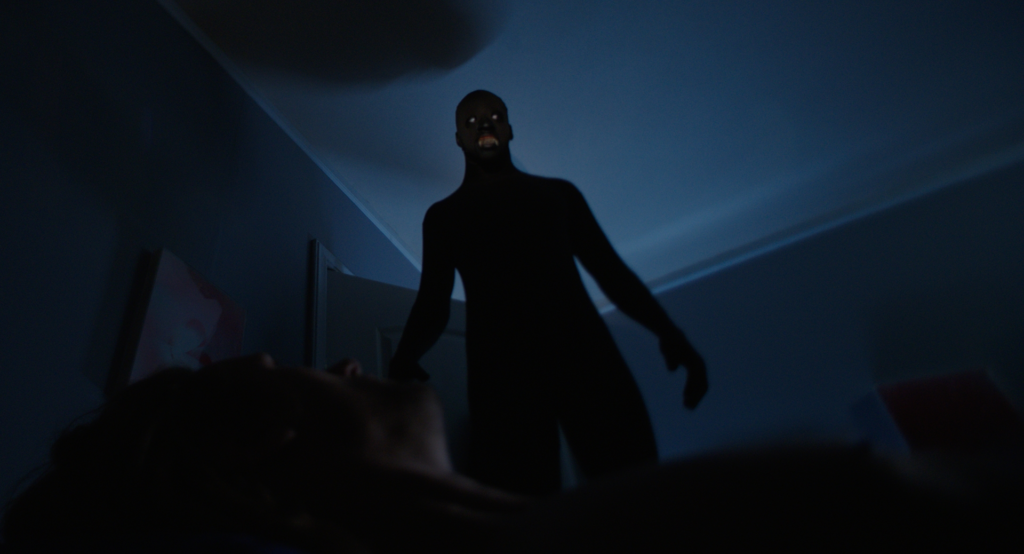
Have you ever watched a movie or TV show that depicted sleep paralysis? It can be a fascinating and eerie experience to see this unique phenomenon portrayed on screen. From horror films to documentaries, the cultural representation of sleep paralysis in media has captured the attention of audiences worldwide. Join us as we explore the various ways in which this mysterious sleep disorder is brought to life in the world of entertainment. You may just find yourself looking at sleep paralysis in a whole new light after seeing how it is interpreted on the big and small screen. Have you ever experienced the terrifying sensation of being awake but unable to move or speak, feeling an intense pressure on your chest, and seeing shadowy figures lurking in the darkness? You may have experienced sleep paralysis. It is a phenomenon that has been portrayed in various forms of media, particularly in movies and TV shows. In this article, we will explore the cultural representation of sleep paralysis in popular entertainment and how it impacts our understanding of this mysterious and unsettling experience.
Understanding Sleep Paralysis
Sleep paralysis is a condition that occurs when a person is briefly unable to move or speak while falling asleep or waking up. It is often accompanied by hallucinations, such as seeing sinister figures or feeling an oppressive presence in the room. While sleep paralysis is a common and generally harmless phenomenon, it can be a terrifying experience for those who have had it.
What Causes Sleep Paralysis?
Sleep paralysis occurs when the body is caught between stages of wakefulness and sleep. During REM (rapid eye movement) sleep, the body is typically paralyzed to prevent you from acting out your dreams. However, in some cases, this paralysis can persist even as you wake up, leading to sleep paralysis.
Common Symptoms of Sleep Paralysis
- Inability to move or speak
- Feeling of pressure on the chest
- Hallucinations, such as seeing shadowy figures or hearing strange noises
- Feeling like someone is in the room with you
- Sense of impending doom or dread
You are not alone if you have experienced these symptoms during a sleep paralysis episode. Many people around the world have reported similar experiences, leading to a shared cultural understanding of this phenomenon.
Sleep Paralysis in Movies
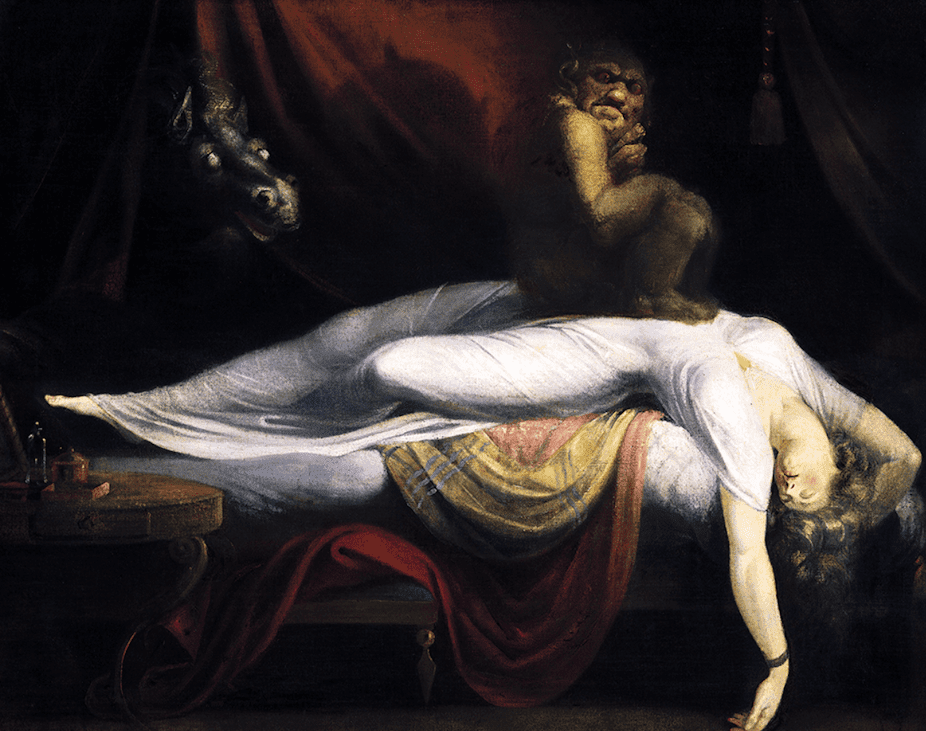
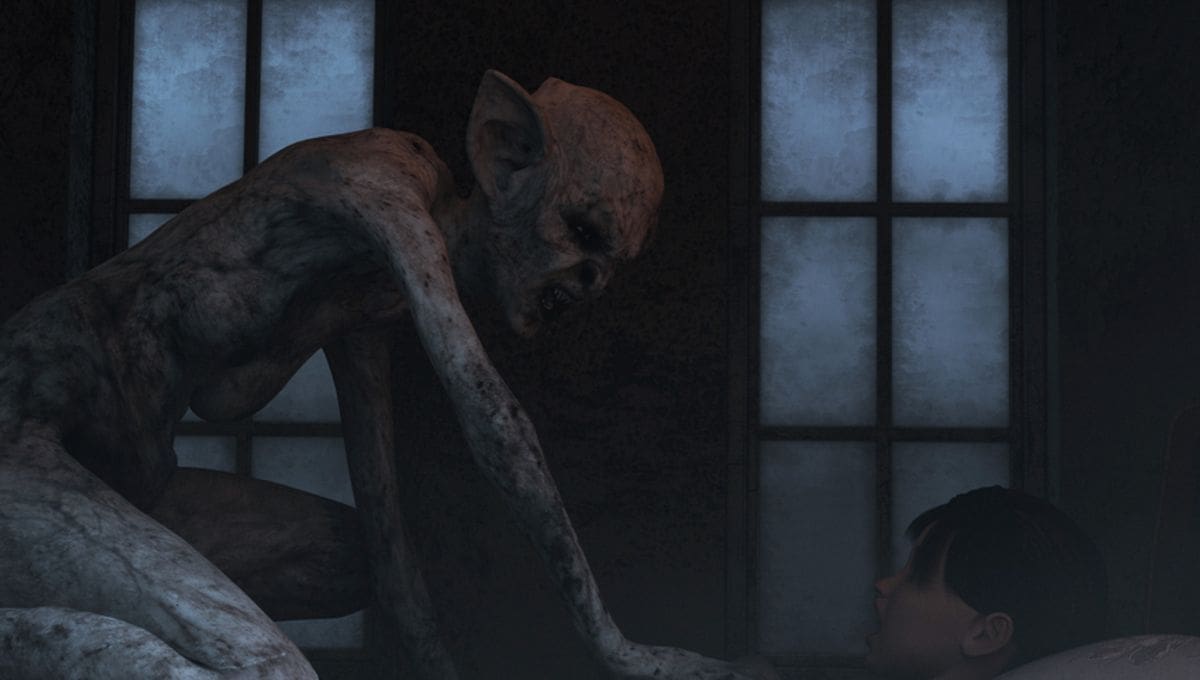
Sleep paralysis has been a popular theme in horror movies, often depicted as a terrifying and supernatural experience. These movies often exaggerate the reality of sleep paralysis, portraying it as a demonic or malevolent presence haunting the protagonist. While these portrayals may be entertaining, they can also perpetuate misconceptions about sleep paralysis.
Examples of Sleep Paralysis in Movies
Here are some popular movies that feature sleep paralysis as a central theme:
| Movie Title | Description |
|---|---|
| The Nightmare (2015) | A documentary exploring the experiences of individuals who suffer from sleep paralysis, blending real-life interviews with dramatic reenactments. |
| Dead Awake (2016) | A horror film about a woman haunted by a mysterious entity that visits her during episodes of sleep paralysis. |
| Mara (2018) | A psychological horror film in which a criminal psychologist investigates a series of mysterious deaths related to sleep paralysis. |
While these movies may sensationalize sleep paralysis for entertainment purposes, they also bring awareness to this phenomenon and shed light on the real-life experiences of those who suffer from it.
Sleep Paralysis in TV Shows
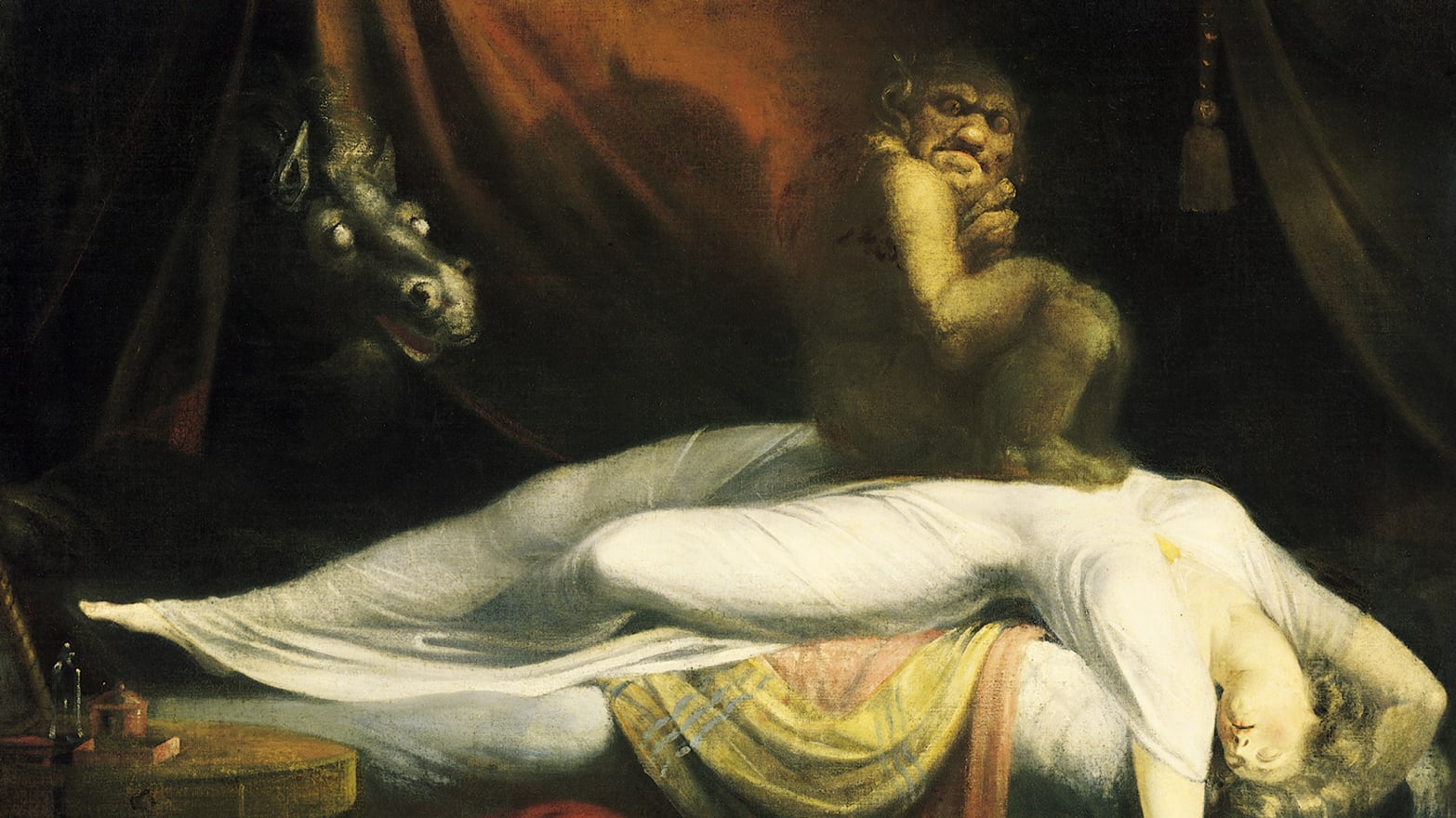
In addition to movies, sleep paralysis has also been featured in various TV shows, often as a subplot or standalone episode. These portrayals can vary in accuracy and tone, with some shows taking a more realistic approach while others lean heavily into the supernatural aspects of the experience.
Notable Depictions of Sleep Paralysis in TV Shows
Here are a few examples of TV shows that have featured sleep paralysis:
| TV Show | Episode Title | Description |
|---|---|---|
| The Haunting of Hill House | “Two Storms” | A critically acclaimed episode that showcases a character experiencing sleep paralysis in a haunted house. |
| American Horror Story | “Fearful Pranks Ensue” | In this Halloween-themed episode, a character experiences sleep paralysis after being tormented by ghosts. |
| Black Mirror | “Playtest” | An episode that explores the intersection of technology and psychological horror, featuring a brief scene of sleep paralysis. |
These TV shows use sleep paralysis as a tool to create tension and suspense, adding a supernatural element to their storytelling. While these depictions may not always accurately represent the reality of sleep paralysis, they contribute to the cultural conversation surrounding this phenomenon.
The Impact of Media Representations
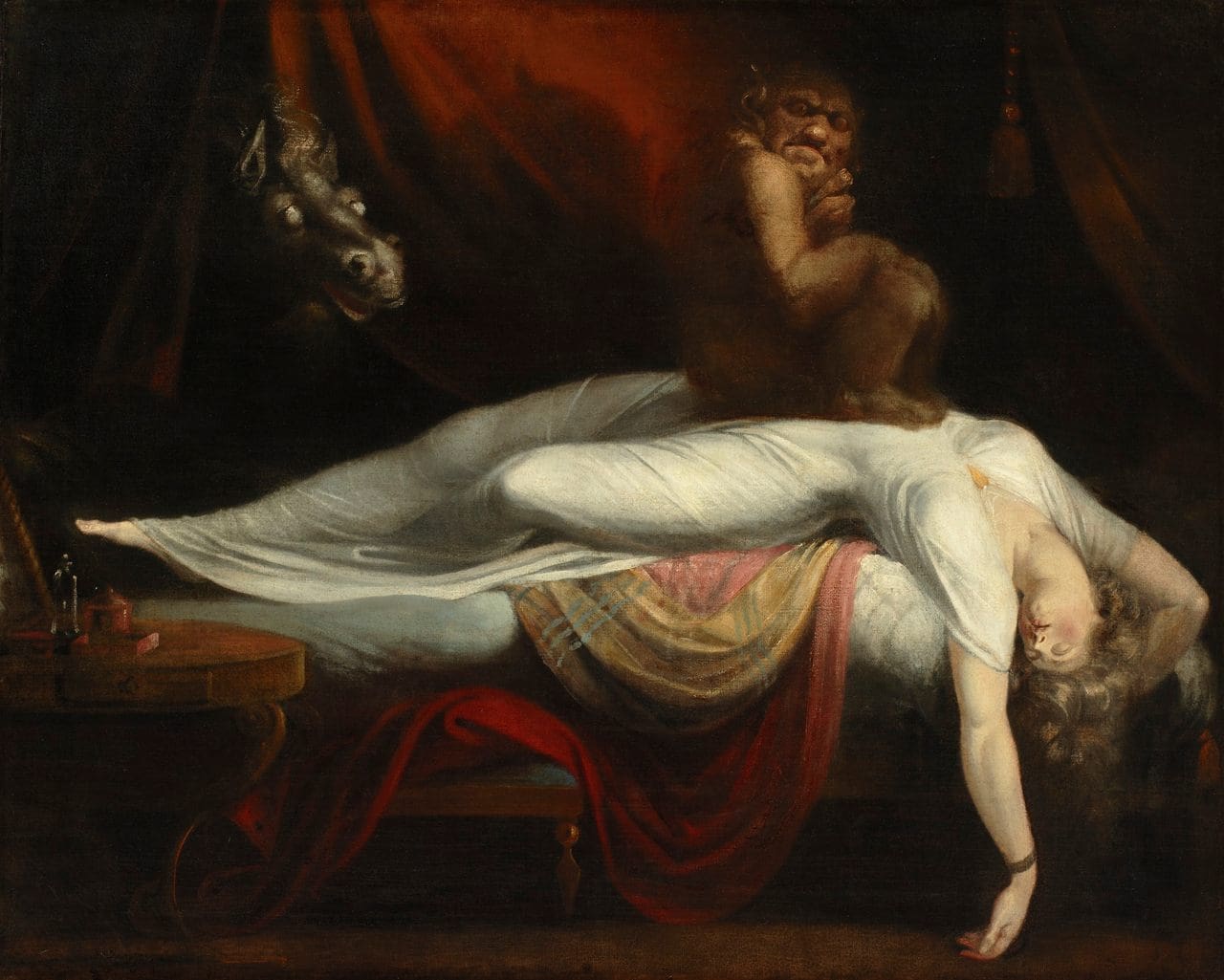
The portrayal of sleep paralysis in movies and TV shows has both positive and negative implications for how the public perceives this phenomenon. On one hand, these depictions can raise awareness about sleep paralysis and help individuals recognize the symptoms when they experience them. On the other hand, sensationalized portrayals can perpetuate myths and misconceptions about sleep paralysis, leading to unnecessary fear and stigma.
How Media Influences Perception
- Education: Movies and TV shows can educate viewers about sleep paralysis and its symptoms, helping to demystify the experience.
- Stigmatization: Sensationalized portrayals of sleep paralysis as a demonic or supernatural phenomenon can contribute to fear and stigma surrounding this condition.
- Entertainment: While some portrayals may be exaggerated for entertainment purposes, they can engage and captivate audiences, sparking interest and curiosity about sleep paralysis.
It is important to critically evaluate media representations of sleep paralysis and consider how they may shape our understanding of this phenomenon. By recognizing the difference between fact and fiction, we can better appreciate the real-life experiences of those who have had sleep paralysis.
Coping with Sleep Paralysis
If you have experienced sleep paralysis, know that you are not alone. Many people around the world have had similar experiences and have found ways to cope with and manage their symptoms. Here are some tips for dealing with sleep paralysis:
Relaxation Techniques
- Deep Breathing: Focus on your breath and take slow, deep breaths to help calm your mind and body.
- Progressive Muscle Relaxation: Tense and release each muscle group in your body, starting from your toes and working up to your head.
- Meditation: Practice mindfulness meditation to help reduce anxiety and stress before bedtime.
Sleep Hygiene Practices
- Consistent Sleep Schedule: Establish a regular bedtime routine and wake-up time to promote healthy sleep patterns.
- Comfortable Sleep Environment: Create a relaxing sleep environment with a comfortable mattress, pillows, and minimal distractions.
- Limit Stimulants: Avoid caffeine, nicotine, and electronic devices before bedtime to improve sleep quality.
Seeking Professional Help
If your sleep paralysis episodes are frequent or severely impacting your quality of life, consider seeking help from a healthcare professional. A doctor or sleep specialist may recommend treatments such as cognitive-behavioral therapy or medication to address underlying sleep disorders.
Remember that sleep paralysis is a common and generally harmless phenomenon that can be managed with proper care and support. By implementing healthy sleep habits and coping strategies, you can reduce the frequency and intensity of your episodes and improve your overall quality of sleep.
Conclusion
The cultural representation of sleep paralysis in movies and TV shows has played a significant role in shaping our understanding of this mysterious phenomenon. While these portrayals may vary in accuracy and tone, they have contributed to a shared cultural awareness of sleep paralysis and sparked conversations about its impact on individuals’ lives.
As you continue to explore the world of entertainment, keep in mind the difference between fiction and reality when it comes to sleep paralysis. By approaching media depictions with a critical eye and seeking out accurate information, you can deepen your understanding of this intriguing experience and appreciate the diversity of perspectives that exist within our cultural landscape. Sleep well, and may your dreams be free of shadowy figures and oppressive presences.