

Imagine waking up in the middle of the night, unable to move your body and feeling a heavy pressure on your chest. You panic, trying to scream for help, but no words escape your lips. This terrifying experience is known as sleep paralysis, and it occurs when your mind becomes awake while your body remains in a state of temporary paralysis during sleep. In this article, we will explore how different cultures perceive and interpret sleep paralysis, shedding light on the fascinating variations in beliefs and attitudes towards this phenomenon. Whether you have experienced it yourself or are simply intrigued by the mysteries of the human mind, join us on this journey of discovery as we compare cultural attitudes towards sleep paralysis.
Understanding Sleep Paralysis
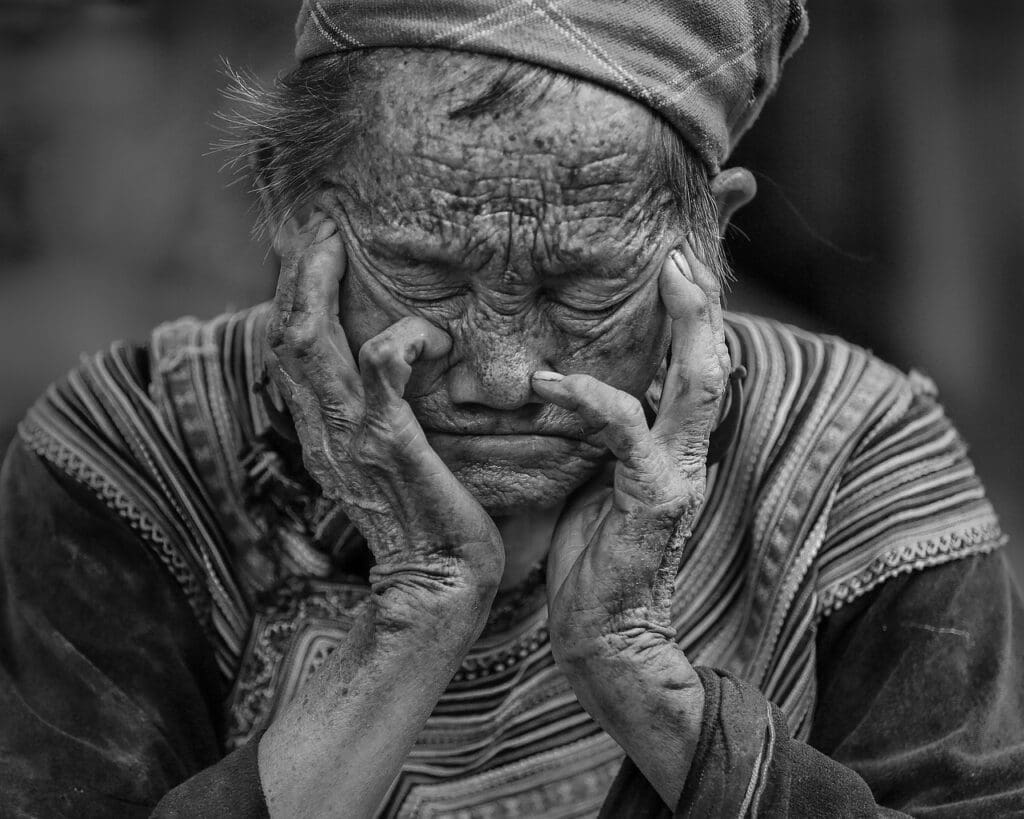
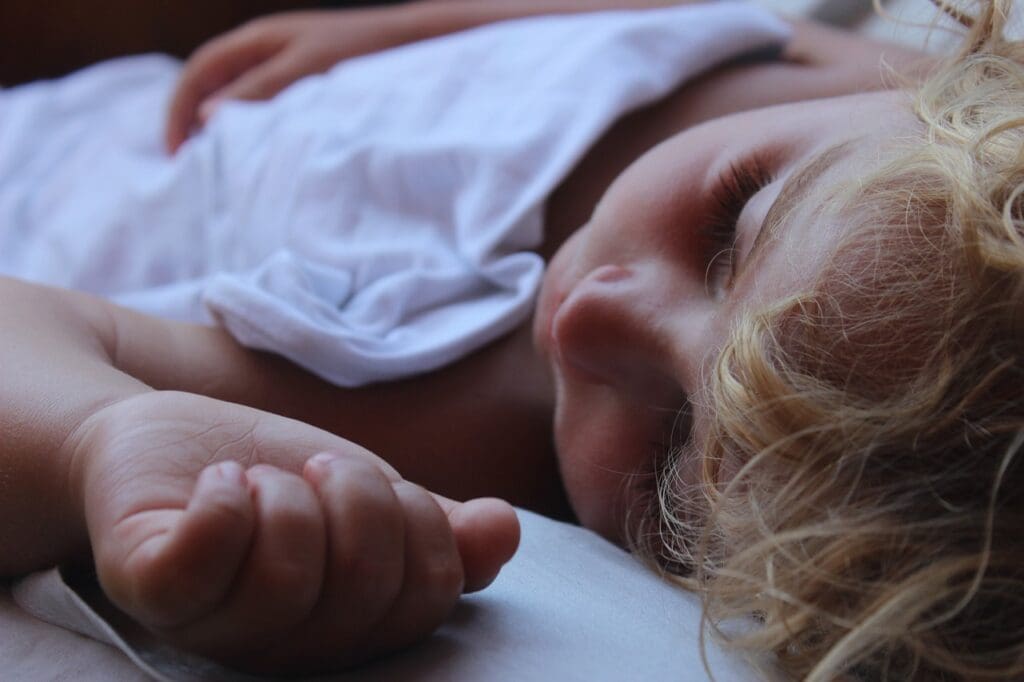
Sleep paralysis is a phenomenon that occurs between sleep and wakefulness, where an individual is temporarily unable to move or speak. It is a state of muscular atonia that happens during rapid eye movement (REM) sleep, which is a stage of sleep associated with vivid dreaming. During this period, the brain signals the muscles to relax and prevents them from moving to prevent us from physically acting out our dreams. However, in some cases, the brain fails to “wake up” the body, resulting in sleep paralysis.
Causes of Sleep Paralysis
The exact causes of sleep paralysis are still not fully understood, but several factors have been identified as potential triggers. One common cause is disrupted sleep patterns, such as irregular sleep schedules or not getting enough sleep. Other factors include sleep disorders like narcolepsy, insomnia, and sleep apnea, as well as certain medical conditions, such as migraines and anxiety disorders. Additionally, sleep paralysis has been associated with stress, sleep deprivation, and changes in sleep-wake cycles.
Cultural Perspectives on Sleep Paralysis
Sleep Paralysis in Western Cultures
In Western cultures, sleep paralysis is often perceived as a frightening and disturbing experience. It is often associated with supernatural or paranormal entities, such as demons or alien abductions. The cultural narratives around sleep paralysis in Western societies tend to focus on the terrifying aspects of the phenomenon, often emphasizing the helplessness and fear experienced by individuals during an episode.
Sleep Paralysis in Eastern Cultures
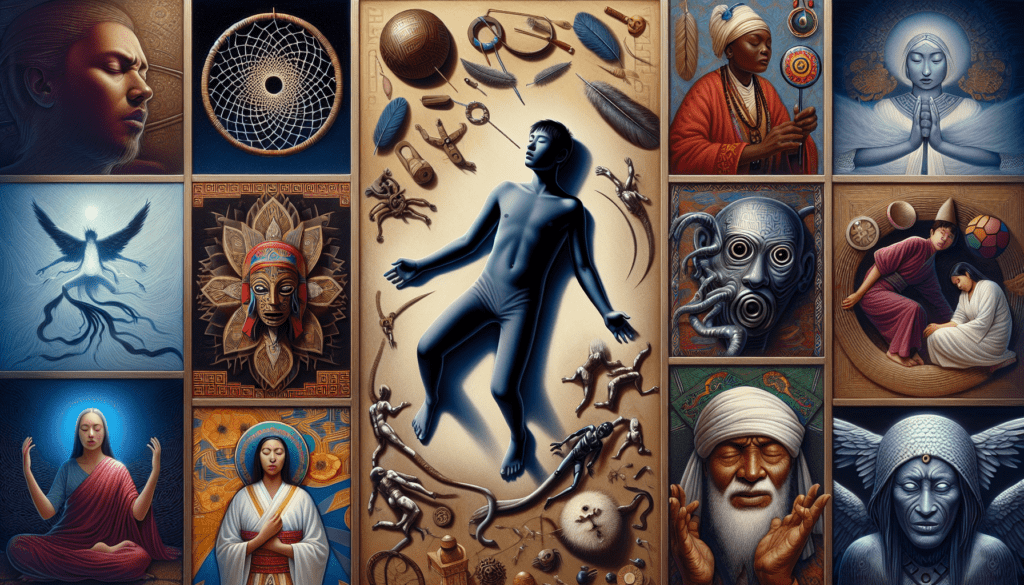
In contrast to Western cultures, Eastern perspectives on sleep paralysis tend to view it more as a spiritual or psychological phenomenon. In some Eastern cultures, sleep paralysis is seen as an opportunity for spiritual growth or enlightenment. It is sometimes interpreted as a visitation from a deity or a sign of spiritual awakening. Eastern cultures often emphasize the importance of meditation, mindfulness, and self-reflection as ways to cope with and understand sleep paralysis experiences.
Sleep Paralysis in Indigenous Cultures
Indigenous cultures around the world have their own unique interpretations of sleep paralysis. In some Indigenous societies, sleep paralysis is believed to be caused by the presence of ancestral spirits or trickster figures. These experiences are often seen as a form of communication or interaction with the spirit world. Indigenous cultures may have specific rituals or practices to protect against and cope with sleep paralysis, often involving the use of herbal remedies, sacred objects, or ceremonial dances.
Beliefs and Interpretations
Superstitions and Myths Surrounding Sleep Paralysis
Sleep paralysis has long been surrounded by superstitions and myths in many cultures. For example, the belief in the “Old Hag” syndrome is common in various cultures, where an evil spirit or witch sits on a person’s chest, rendering them immobilized and unable to move or breathe. Other superstitions associate sleep paralysis with curses, black magic, or even encounters with vampires or demons. These cultural beliefs often contribute to the fear and perceived malevolence associated with sleep paralysis experiences.
Religious and Spiritual Interpretations of Sleep Paralysis
Religious and spiritual interpretations of sleep paralysis vary across cultures. In some religious traditions, sleep paralysis is seen as a spiritual battle between good and evil forces. It may be seen as a form of spiritual attack or demonic possession. On the other hand, some spiritual practices view sleep paralysis as a pathway to higher consciousness or a means of entering the astral plane. These interpretations highlight the significance of individual belief systems and cultural perspectives in shaping one’s understanding of sleep paralysis.
Scientific Explanations of Sleep Paralysis
From a scientific standpoint, sleep paralysis is explained as a glitch in the transition between sleep and wakefulness. It occurs when the brain wakes up before the REM sleep cycle is completed, causing temporary muscle paralysis. This explanation focuses on the physiological mechanisms and brain activity that underlie sleep paralysis. While scientific explanations provide valuable insights into the phenomenon, they may not fully capture the complex cultural and psychological dimensions of sleep paralysis experiences.
Perceived Cultural Significance
Cultural Significance of Sleep Paralysis in Western Societies
Sleep paralysis holds significant cultural resonance in Western societies, often being depicted in art, literature, and popular media. It is often associated with horror and the supernatural, regularly appearing in horror films, novels, and urban legends. The cultural significance of sleep paralysis in the West is tied to its ability to evoke fear and fascination, serving as a narrative device to explore themes of vulnerability, powerlessness, and the unknown.
Cultural Significance of Sleep Paralysis in Eastern Societies
In Eastern societies, sleep paralysis carries cultural significance rooted in spiritual traditions and practices. Some Eastern belief systems view sleep paralysis as a transformative experience, providing opportunities for personal and spiritual growth. Eastern cultures often emphasize the importance of mindfulness and self-reflection in interpreting and integrating sleep paralysis experiences into one’s broader spiritual journey.
Cultural Significance of Sleep Paralysis in Indigenous Societies
Indigenous societies have their own cultural significance and interpretations of sleep paralysis. For many Indigenous communities, sleep paralysis is seen as a connection to the spirit world or a form of communication with ancestors. The cultural significance lies in the belief that sleep paralysis experiences can offer insights, guidance, or warnings from the spiritual realm. Indigenous cultures often have rituals and practices that honor and navigate these encounters for personal and collective well-being.
Experiences and Symptoms
Common Experiences During Sleep Paralysis
Individual experiences of sleep paralysis may vary, but there are some commonalities. Many people describe feeling awake and aware of their surroundings while being unable to move or speak. Sensations of pressure on the chest, difficulty breathing, and a sense of impending doom are often reported. Visual and auditory hallucinations are also common, with individuals sometimes perceiving shadowy figures, eerie sounds, or a presence in the room. These experiences can be profoundly distressing and lead to feelings of terror and anxiety.
Cultural Variations in Symptoms Experienced During Sleep Paralysis
While some symptoms of sleep paralysis are universal, cultural variations exist in how individuals interpret and experience the phenomenon. Cultural factors, such as beliefs, traditions, and spiritual frameworks, can shape the content and intensity of sleep paralysis symptoms. For example, individuals from cultures that emphasize supernatural entities may report more vivid and malevolent hallucinations, while those from cultures that view sleep paralysis as a spiritual journey may describe more positive or enlightening experiences.

Coping Mechanisms
Cultural Coping Strategies for Sleep Paralysis
Cultural coping strategies for sleep paralysis can vary widely. In Western cultures, seeking reassurance from others and sharing experiences through support groups or online forums may provide a sense of validation and comfort. In Eastern cultures, meditation, rituals, and maintaining a spiritual practice are commonly employed coping mechanisms. Indigenous cultures may rely on shamanic rituals, dream interpretation, or herbal remedies. These cultural coping strategies aim to alleviate fear, enhance understanding, and restore a sense of control over sleep paralysis experiences.
Traditional Remedies and Rituals
Traditional remedies and rituals have been used for centuries to cope with sleep paralysis. In some cultures, herbs with calming properties are used, such as chamomile or lavender, to promote relaxation and better sleep. Spiritual rituals, prayer, or the use of talismans and amulets are also common. These remedies and rituals serve as cultural anchors, providing individuals with a sense of empowerment, protection, and connection to ancestral wisdom.
Treatment and Therapy
Medical Interventions for Sleep Paralysis
Medical interventions for sleep paralysis primarily focus on addressing underlying sleep disorders or improving sleep hygiene. Treatments may include medications for underlying conditions like narcolepsy or anxiety, counseling for stress management, and sleep hygiene education to establish consistent sleep patterns. In severe cases, a continuous positive airway pressure (CPAP) machine may be prescribed to help manage sleep apnea. It is essential for healthcare providers to address the emotional and psychological impact of sleep paralysis on individuals and provide support and empathy.
Alternative Therapies and Approaches
Various alternative therapies and approaches can complement traditional medical interventions for sleep paralysis. These may include relaxation techniques like yoga or mindfulness meditation to reduce anxiety and promote better sleep. Some individuals find benefit from energy healing practices, such as Reiki or acupuncture, which aim to balance the body’s energetic systems. Art therapy and dreamwork can also provide avenues for creative expression and exploration of sleep paralysis experiences.
Impacts on Psychological Well-being
Psychological Consequences of Sleep Paralysis in Different Cultures
The psychological consequences of sleep paralysis can vary across cultures. In Western societies, where sleep paralysis is often associated with fear and supernatural phenomena, individuals may experience higher levels of anxiety, post-traumatic stress symptoms, and sleep disturbances. In Eastern cultures, where sleep paralysis is viewed as a spiritual journey, individuals may have more positive psychological outcomes, such as increased spiritual connectedness, personal growth, and a sense of purpose. Indigenous cultures may see sleep paralysis experiences as a validation of cultural beliefs and spirituality, fostering a sense of identity and well-being.
Perception of Sleep Disorders Across Cultures
The perception of sleep disorders, including sleep paralysis, may differ across cultures. In Western cultures, where sleep is often seen as a biomedical necessity, sleep disorders are typically regarded as medical conditions that require treatment. Eastern cultures may approach sleep disorders holistically, considering physical, psychological, and spiritual dimensions. Indigenous cultures may view sleep disorders through a cultural lens, emphasizing the importance of spiritual well-being and harmonious connections with the natural and supernatural world.
Sleep Paralysis in Art and Literature
Depictions of Sleep Paralysis in Western Art
Sleep paralysis has inspired various artworks in Western culture. Artists often depict the eerie and unsettling atmosphere of sleep paralysis experiences, portraying individuals trapped in a state of paralysis, often with shadowy figures lurking nearby. Through visual representation, these artworks communicate the sense of vulnerability and terror associated with sleep paralysis, inviting viewers to reflect on their own fears and anxieties.
Sleep Paralysis Motifs in Eastern Literature
In Eastern literature, sleep paralysis motifs can be found in mystical and spiritual texts that explore the deeper dimensions of consciousness and human experience. These texts often present sleep paralysis as a metaphorical and transformative process, offering insight into the nature of reality, self-realization, and enlightenment. Sleep paralysis motifs in Eastern literature highlight the spiritual and introspective aspects of the phenomenon and its potential for personal growth and spiritual awakening.
Indigenous Representations of Sleep Paralysis
Indigenous cultures have rich storytelling traditions, and sleep paralysis is sometimes incorporated into these narratives. Indigenous representations of sleep paralysis often intertwine with cultural beliefs, spiritual teachings, and ancestral knowledge. The stories may emphasize themes of interconnection with the natural and supernatural world, the importance of dreams, and the role of ancestral spirits. These representations serve not only as cultural expressions but also as a means of transmitting cultural values and wisdom to future generations.
Cultural Variations in Sleep Paralysis Experiences
Cross-Cultural Studies on Sleep Paralysis Experiences
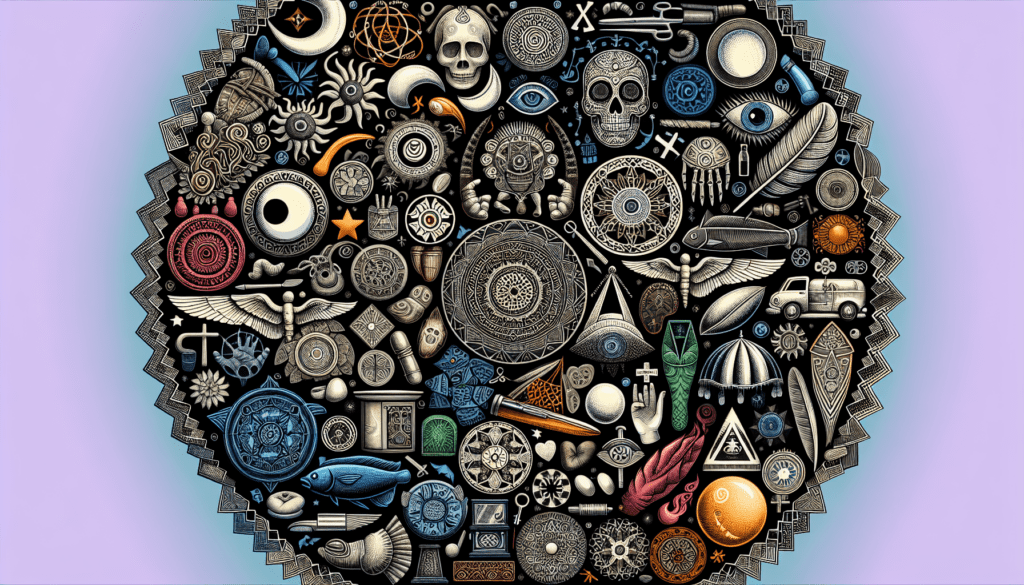
Cross-cultural studies on sleep paralysis experiences have shown significant cultural variations in the prevalence, beliefs, and interpretations of sleep paralysis. These studies highlight how cultural factors shape individuals’ experiences and understanding of sleep paralysis. They also underscore the influence of cultural beliefs, societal norms, and spiritual frameworks in shaping the content and meaning attributed to sleep paralysis episodes.
Factors Influencing Cultural Variations in Sleep Paralysis
Several factors contribute to cultural variations in sleep paralysis experiences. Cultural beliefs, religious or spiritual traditions, and societal narratives surrounding sleep, dreams, and supernatural phenomena all play a role. The level of exposure to Western media and cultural globalization can also impact individuals’ interpretations of sleep paralysis. Additionally, personal beliefs, individual experiences, and the level of fear or anxiety related to sleep paralysis vary among individuals within a cultural context. These multifaceted influences contribute to the rich and diverse cultural landscape of sleep paralysis understanding.
In conclusion, sleep paralysis is a fascinating phenomenon that transcends cultures, beliefs, and interpretations. It holds cultural significance in different societies, shaped by diverse interpretations and coping strategies. Understanding the cultural variations in sleep paralysis experiences is crucial to recognizing the cultural nuance and complexity involved. By embracing the richness of these cultural perspectives, we gain a more comprehensive understanding of the human experience and the diverse ways we navigate the realms of sleep and consciousness.