
Have you ever experienced the terrifying sensation of being completely awake and aware, yet unable to move your body? If so, you may have encountered sleep paralysis. This perplexing phenomenon leaves individuals temporarily paralyzed during the transition between sleep and wakefulness, trapping them in a state of immobilization and fear. As your mind awakens, you may find yourself unable to speak or even breathe properly, accompanied by an overwhelming sense of pressure on your chest. Shadows and eerie figures may haunt your field of vision, intensifying this already unsettling experience. Let’s explore the common symptoms of sleep paralysis and shed light on this perplexing condition.
Inability to Move
Complete immobility
Sleep paralysis often begins with a complete immobility of your body. You may find yourself unable to move any part of your body, no matter how hard you try. It can feel as if your muscles have completely shut down, leaving you trapped in your own body. This sensation can be incredibly unsettling and may cause feelings of frustration or helplessness.
Feeling of being restrained
Along with the inability to move, you may also experience a sensation of being restrained. It may feel as if an invisible force is holding you down, making it impossible for you to break free. This feeling of being physically bound can evoke a sense of claustrophobia and intensify the overall feeling of being trapped.
Inability to speak or shout
In addition to the physical immobility, sleep paralysis often comes with the frustrating inability to speak or shout. Even though you may try to alert someone nearby or call for help, no sound comes out of your mouth. It can be incredibly distressing, as you may feel like you are suffocating under the weight of silence. The frustration of not being able to communicate only adds to the sense of helplessness during these episodes.
Hallucinations
Visual hallucinations
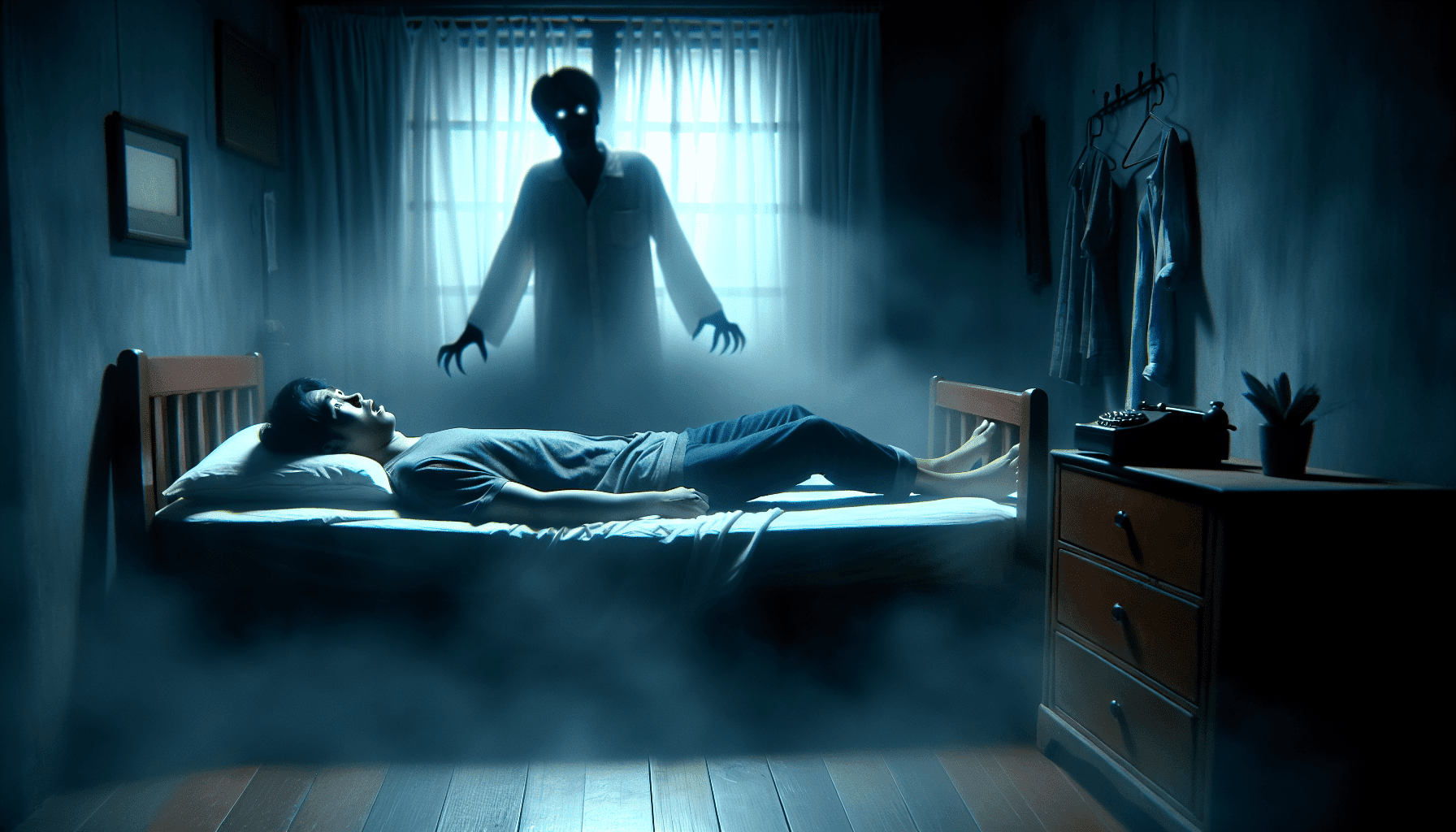
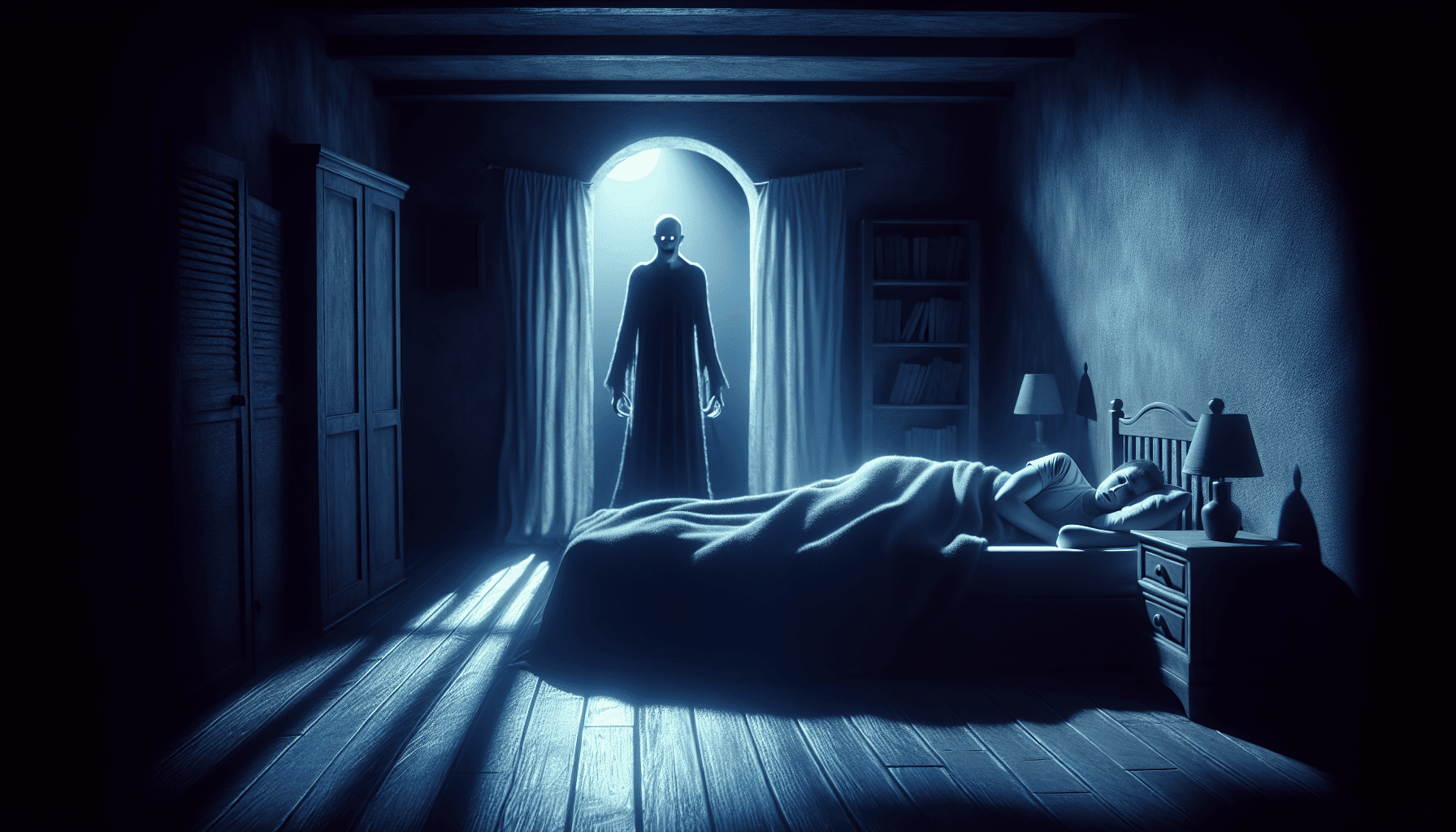
One of the most unsettling aspects of sleep paralysis is the occurrence of vivid visual hallucinations. As you lie immobilized, you may begin to see images or scenes that are not actually present. These hallucinations can range from fleeting shadows to full-blown apparitions, often taking the form of threatening or terrifying figures. These visual disturbances can contribute to the intense fear experienced during sleep paralysis episodes.
Auditory hallucinations
Alongside visual hallucinations, sleep paralysis can also bring about auditory hallucinations. You may hear strange noises, voices, or other sounds that have no basis in reality. These auditory hallucinations can vary from whispering voices to loud, menacing screams, further heightening the fear and confusion during an episode. It is essential to remember that these hallucinations are solely a result of the sleep paralysis and not reflective of any actual external stimuli.
Tactile hallucinations
In some cases, sleep paralysis can include tactile hallucinations, which involve the perception of physical sensations that are not present. You may feel as if someone is touching you or even as if you are floating above your bed. These sensations can be incredibly vivid and realistic, leading to an even greater sense of confusion and unease. It is important to remind yourself that these sensations are solely a product of the sleep paralysis and not indicative of any external reality.
Sense of Presence
Feeling of another presence in the room
A common experience during sleep paralysis is the overwhelming feeling of another presence in the room. Even though you may be alone, you may feel as if someone or something is watching you or standing nearby. This sensation of an unseen presence can be incredibly unnerving, causing feelings of heightened alertness and perceived danger.
Sensation of being watched or touched
In addition to the feeling of another presence, sleep paralysis can also bring about the sensation of being watched or touched. You may perceive a gentle caress or a firm grip on your body, even if there is no physical contact occurring. This tactile sensation, combined with the feeling of being watched, can intensify the fear and anxiety experienced during sleep paralysis episodes.
Intense Fear
Feeling of impending doom
One of the hallmark symptoms of sleep paralysis is a pervasive feeling of impending doom. You may have a strong sense that something terrible is about to happen or that you are in grave danger. This overwhelming feeling can be accompanied by a sense of foreboding and a deep-rooted fear that is difficult to shake off. The intensity of this fear can leave you feeling helpless and desperate for the episode to end.
Sense of terror or panic
Alongside the feeling of impending doom, sleep paralysis often brings about an intense sense of terror or panic. This overwhelming rush of fear can be all-encompassing, making it challenging to think clearly or remain calm. The combination of physical immobility and the perception of imminent danger can create a distressing experience that can stay with you long after the episode ends.
Difficulty Breathing
Sensation of being suffocated
During sleep paralysis, many individuals report a sensation of being suffocated or unable to breathe properly. It may feel as if there is an invisible force pressing down on your chest, making it difficult to take in air. This sensation can be incredibly distressing and add to the overall sense of panic and fear that accompanies sleep paralysis episodes.
Inability to take deep breaths
In addition to feeling suffocated, you may also find it challenging to take deep breaths during sleep paralysis. Your breathing may become shallow and rapid, which can further contribute to feelings of anxiety and a heightened sense of breathlessness. It is essential to remember that despite the perceived difficulty in breathing, sleep paralysis itself does not pose any direct danger to your respiratory system.
Pressure or Weight on Chest
Feeling of pressure on the chest
One of the physical sensations commonly associated with sleep paralysis is a feeling of pressure on the chest. It can feel as if there is a heavy weight pressing down on your chest, making it harder to breathe. This pressure can be uncomfortable and exacerbate the sense of being trapped or immobile.
Sensation of a heavy weight on the body
Along with the pressure on the chest, sleep paralysis can also bring about a sensation of a heavy weight on your entire body. It may feel as if you are being crushed under an immense burden, making any movement impossible. This physical sensation can intensify the overall feelings of fear and helplessness during sleep paralysis episodes.
Rapid Eye Movement (REM)
Inability to move eyes
During sleep paralysis, you may experience an inability to move your eyes. Your gaze may remain fixed or only be able to make slight movements. This physical restriction contributes to the feeling of being trapped within your own body and adds to the overall sense of immobilization that accompanies sleep paralysis.
Fluttering or rapid movements of the eyelids
In some cases, sleep paralysis may lead to fluttering or rapid movements of the eyelids. It can feel as if your eyelids are fluttering uncontrollably or rapidly opening and closing. These eye movements, combined with the inability to fully control them, can be disorienting and further contribute to the unsettling nature of sleep paralysis.
Sleep Disruption
Frequent episodes of sleep paralysis
One of the most challenging aspects of sleep paralysis is the disruption it causes to your sleep patterns. If you experience recurrent episodes of sleep paralysis, it can significantly impact the quality and quantity of your sleep. This can lead to daytime sleepiness, fatigue, and a general feeling of exhaustion. It is crucial to address any underlying factors contributing to sleep paralysis to restore a healthy sleep routine.
Disturbed sleep patterns
Beyond the immediate episode of sleep paralysis, the experience can disrupt your overall sleep patterns. You may find it difficult to fall asleep or stay asleep due to anxiety or fear of another episode. This can result in fragmented sleep, making it challenging to feel rested and refreshed upon waking. Establishing a consistent sleep routine and managing stress levels can help alleviate the disruption to your sleep patterns.
Pre-Sleep Symptoms
Tingling or vibrating sensations
Before the onset of sleep paralysis, you may experience tingling or vibrating sensations in various parts of your body. These sensations can be mild to intense and often occur as you begin to relax and drift off to sleep. They can be unsettling but are generally harmless and serve as an early warning sign of an impending sleep paralysis episode.
Strange auditory experiences
In addition to physical sensations, you may also have strange auditory experiences before sleep paralysis takes hold. You may hear buzzing or humming sounds, whispers, or other peculiar noises. These auditory disturbances can be disorienting, but it is essential to remember that they are a part of the sleep paralysis experience and not indicative of any external stimuli.
Post-Sleep Symptoms
Feelings of exhaustion
Following a sleep paralysis episode, you may feel an overwhelming sense of exhaustion. The experience can leave you emotionally drained and physically tired, even if the actual episode lasted only a few minutes. The intense fear and heightened alertness can take a toll on your energy levels, emphasizing the importance of prioritizing rest and self-care following an episode.
Confusion or disorientation
Sleep paralysis can leave you feeling confused or disoriented upon waking. The vivid hallucinations and overall intense experience can blur the lines between dream and reality, making it challenging to fully grasp your surroundings. It is important to give yourself time to recalibrate and ground yourself after an episode, allowing your mind and body to adjust.