In this article, you will learn valuable tips on how to maintain a positive mindset and outlook despite experiencing sleep paralysis. By implementing simple strategies such as practicing relaxation techniques, developing a consistent sleep routine, and seeking support from loved ones or a therapist, you can empower yourself to navigate through the challenges of sleep paralysis with a positive attitude. Embracing positivity and focusing on self-care can greatly improve your overall well-being and help you overcome the obstacles posed by this sleep disorder. Have you ever experienced the terrifying phenomenon of sleep paralysis? Do you find yourself feeling anxious or fearful when you think about going to bed at night? While sleep paralysis can be a frightening experience, there are ways to create a positive mindset and outlook despite it. In this article, we will explore techniques and strategies to help you overcome the challenges of sleep paralysis and cultivate a more positive attitude towards sleep.
Understanding Sleep Paralysis
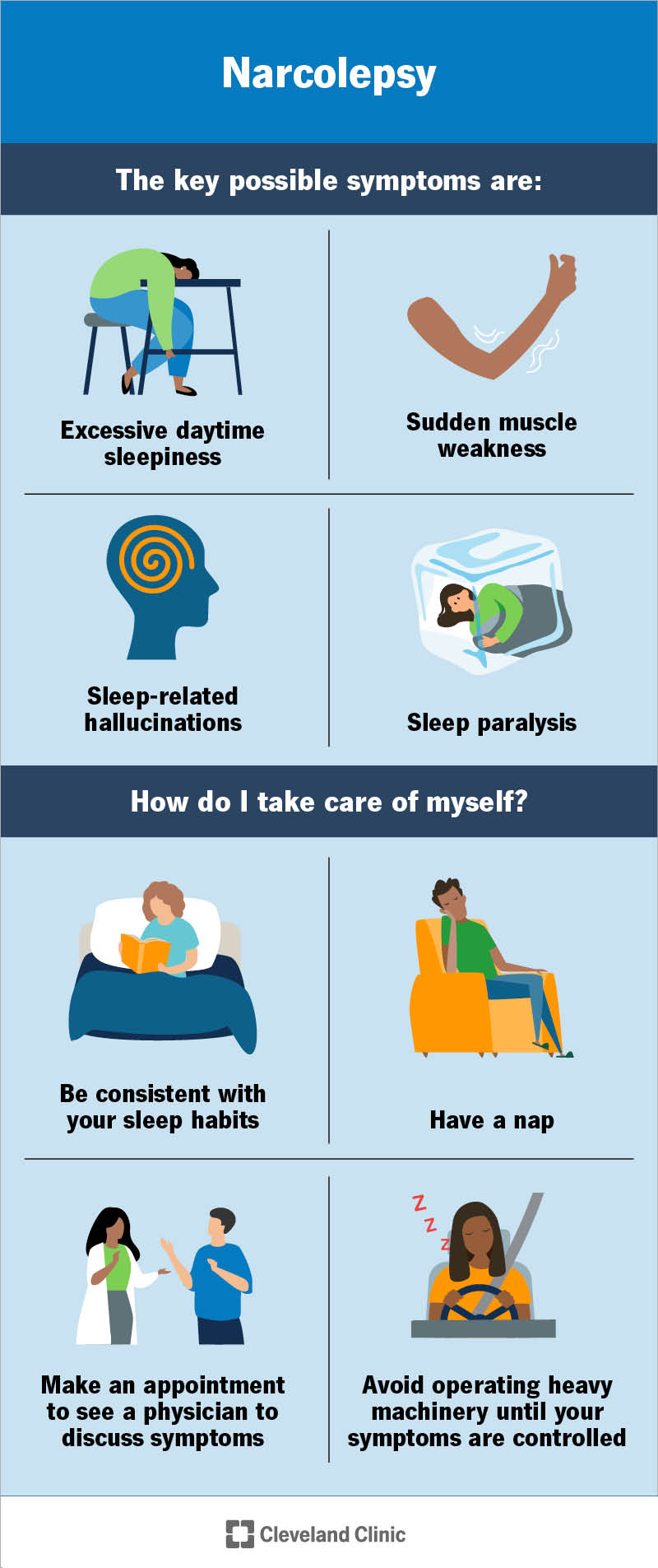
Sleep paralysis occurs when you wake up or fall asleep and find yourself unable to move or speak. It can be accompanied by hallucinations or a feeling of pressure on your chest. While the exact causes of sleep paralysis are still not fully understood, it is often associated with disrupted sleep patterns, stress, and anxiety.
Despite how terrifying it may feel in the moment, it’s important to remember that sleep paralysis is a common phenomenon and is not harmful in itself. By understanding the science behind sleep paralysis, you can start to shift your mindset towards a more positive and empowered outlook.
What Happens During Sleep Paralysis?
During sleep paralysis, your body is temporarily disconnected from your brain, preventing you from moving or speaking. This is a normal part of the sleep cycle called REM atonia, which happens to prevent you from acting out your dreams and potentially harming yourself during sleep. However, when you experience sleep paralysis, you wake up or fall asleep while still in this state of muscle paralysis, leading to the feeling of being trapped in your body.
Common Symptoms of Sleep Paralysis
- Inability to move or speak
- Feeling of pressure on the chest
- Hallucinations
- Fear and anxiety
By recognizing these symptoms and understanding the science behind sleep paralysis, you can start to demystify the experience and approach it with a more positive mindset.
Cultivating Positive Thoughts
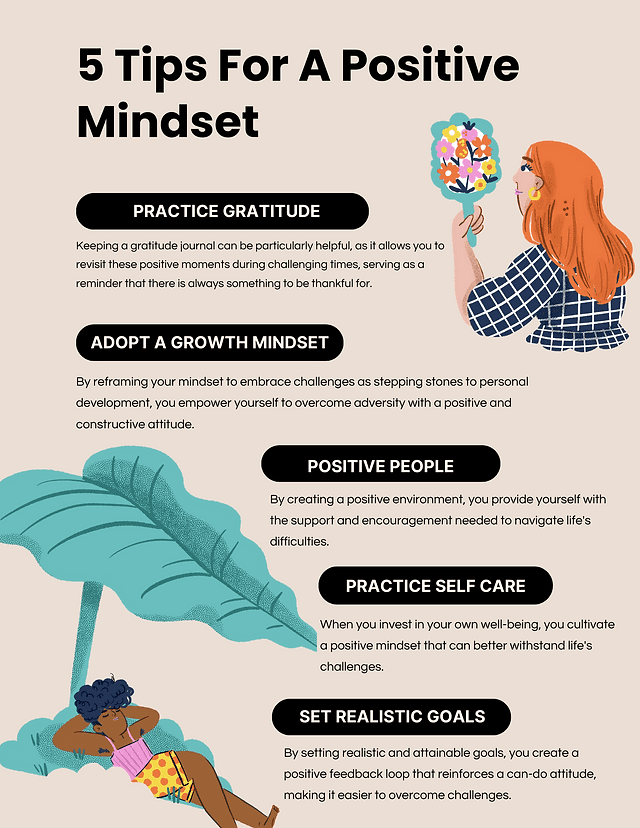
One of the most effective ways to combat the fear and anxiety associated with sleep paralysis is to cultivate positive thoughts and emotions. By shifting your mindset towards a more optimistic outlook, you can reduce the impact that sleep paralysis has on your mental well-being.
Practicing Gratitude
Gratitude is a powerful tool for shifting your mindset towards positivity. By focusing on the things in your life that you are grateful for, you can create a sense of abundance and contentment that can help to counteract the negative emotions brought on by sleep paralysis.
Start a gratitude journal and make it a habit to write down three things you are grateful for every day. This simple practice can help you to shift your focus towards the positive aspects of your life, even in the face of challenges like sleep paralysis.
Affirmations
Affirmations are positive statements that you can repeat to yourself to reinforce positive beliefs and attitudes. By creating and repeating affirmations related to overcoming sleep paralysis, you can train your mind to adopt a more empowering mindset.
Examples of affirmations you can use include:
- “I am safe and protected during sleep paralysis.”
- “I am capable of overcoming challenges with strength and courage.”
- “I am in control of my thoughts and emotions.”
By incorporating affirmations into your daily routine, you can build a positive mindset that will help you face sleep paralysis with confidence and resilience.

Creating a Relaxing Bedtime Routine
A relaxing bedtime routine can help to reduce stress and anxiety, making it less likely that you will experience sleep paralysis. By creating a calming environment and engaging in activities that promote relaxation before bed, you can improve the quality of your sleep and reduce the likelihood of sleep paralysis episodes.
Establishing a Sleep Schedule
Maintaining a consistent sleep schedule can help to regulate your body’s internal clock and improve the quality of your sleep. Aim to go to bed and wake up at the same time every day, even on weekends, to establish a healthy sleep routine. By getting into a regular sleep pattern, you can reduce the likelihood of experiencing disruptions like sleep paralysis.
Relaxation Techniques
Practicing relaxation techniques before bed can help to calm your mind and body, making it easier to fall asleep peacefully. Try incorporating activities like deep breathing exercises, meditation, or gentle stretching into your bedtime routine to promote relaxation and reduce stress.
There are also apps and guided meditations available that can help you relax before bedtime. By taking the time to unwind and de-stress before bed, you can create a peaceful environment that supports restful sleep.
Seeking Support and Guidance
Dealing with sleep paralysis on your own can be a daunting task, but seeking support and guidance from others can make a significant difference in how you cope with the experience. By connecting with a supportive community or seeking professional help, you can gain valuable insights and resources to help you overcome the challenges of sleep paralysis.
Joining a Support Group
Joining a support group for individuals who experience sleep paralysis can provide you with a sense of community and understanding. By sharing your experiences with others who can relate, you can feel less isolated and more empowered to face the challenges of sleep paralysis.
Look for online support groups or local meetups where you can connect with others who are going through similar experiences. By seeking support from a community of like-minded individuals, you can find comfort and strength in knowing that you are not alone.
Seeking Professional Help
If sleep paralysis is significantly impacting your mental health and well-being, it may be beneficial to seek professional help from a therapist or counselor. A mental health professional can help you explore underlying issues that may be contributing to your experiences of sleep paralysis and provide you with personalized strategies for coping.
Therapy can also help you develop skills for managing stress and anxiety, which can reduce the frequency and intensity of sleep paralysis episodes. By working with a trained professional, you can gain valuable insights and tools to help you navigate the challenges of sleep paralysis with resilience and grace.

Conclusion
Despite the fear and anxiety that sleep paralysis may provoke, there are ways to create a positive mindset and outlook that can help you overcome its challenges. By understanding the science behind sleep paralysis, cultivating positive thoughts, creating a relaxing bedtime routine, and seeking support and guidance, you can shift your mindset towards empowerment and resilience.
Remember that you are not alone in facing sleep paralysis, and there are resources and strategies available to support you on your journey towards better sleep and mental well-being. By adopting a positive mindset and implementing these techniques, you can navigate the experience of sleep paralysis with courage and strength. Embrace the power of positivity and transform your relationship with sleep paralysis for the better.