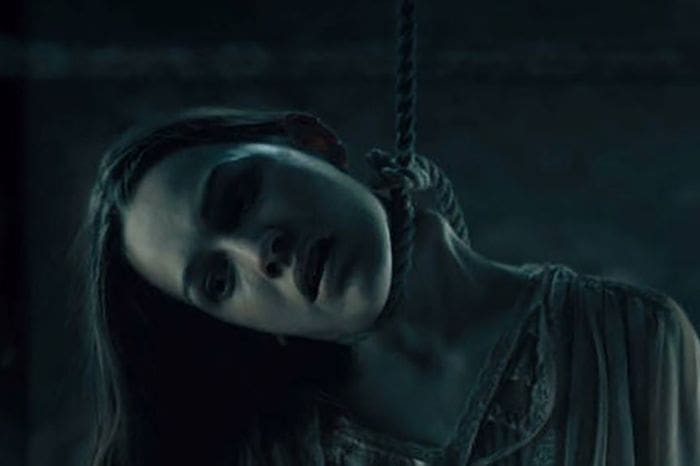
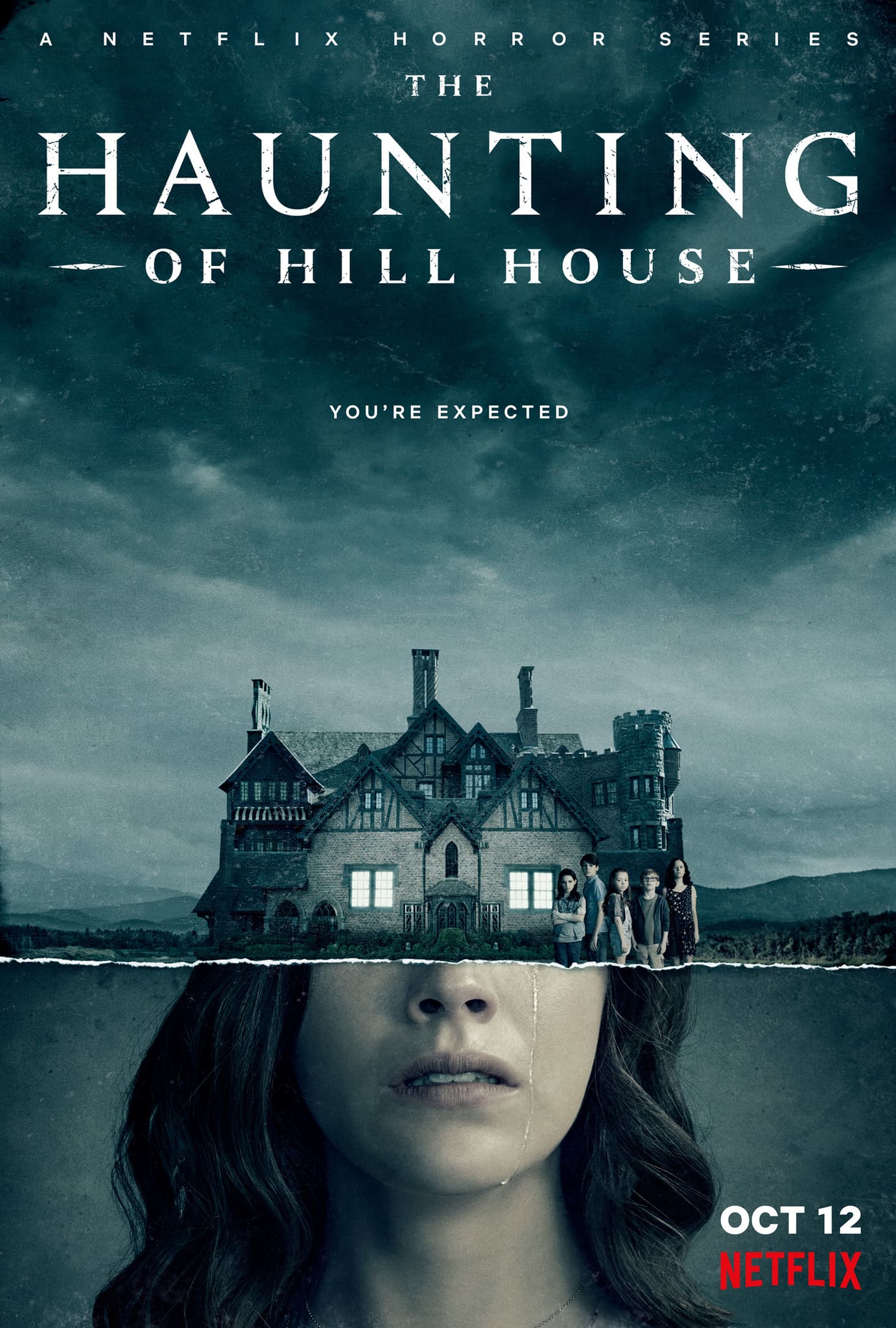
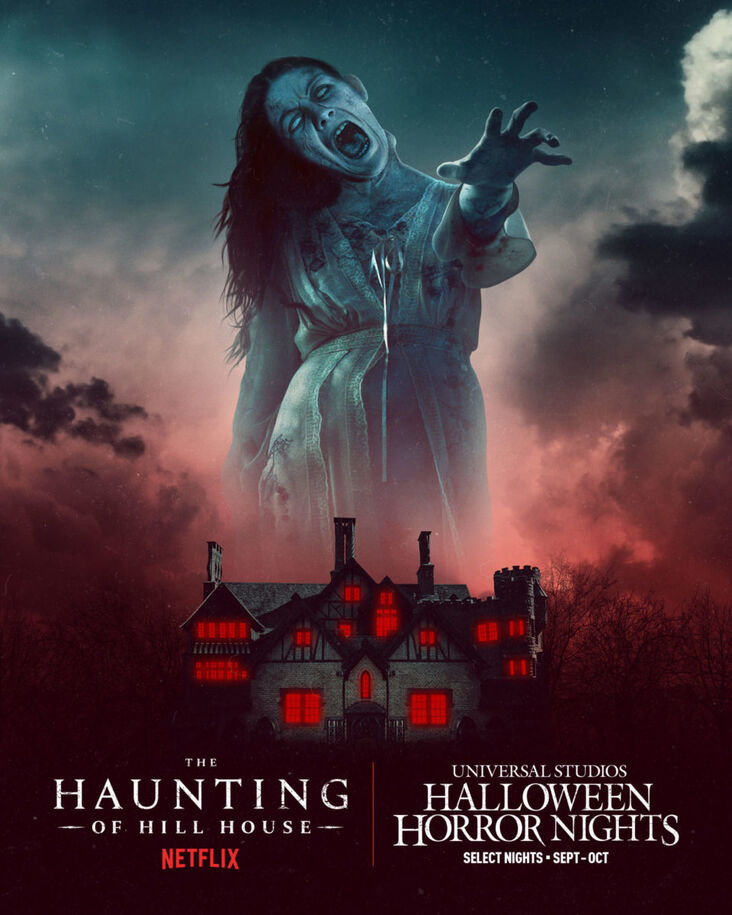
The Haunting of Hill House
Sleep paralysis is a common experience for many individuals around the world, but have you ever wondered about its potential cultural significance? In this article, we will delve into the phenomenon of sleep paralysis, exploring its connection to cultural trauma, specifically in the context of “The Haunting of Hill House.” Let’s explore how this haunting tale sheds light on the deeper cultural implications of sleep paralysis.
Understanding Sleep Paralysis
Sleep paralysis is a phenomenon that occurs when a person becomes conscious during the transition between sleep and wakefulness. During this state, the body remains paralyzed, and individuals may experience hallucinations or feelings of suffocation. This can be a terrifying experience for those who have never encountered it before, leading to feelings of fear and helplessness.
Sleep paralysis is often accompanied by vivid hallucinations, commonly involving a sense of evil presence or impending doom. These hallucinations can vary from person to person, but the overarching theme is usually one of fear and dread. Understanding the mechanics of sleep paralysis can help demystify the experience and provide reassurance to those who may be struggling with it.
Cultural Perspectives on Sleep Paralysis
Sleep paralysis has been documented across various cultures throughout history, often attributed to malevolent spirits or supernatural entities. In many cultures, sleep paralysis is seen as a result of being visited by demons or otherworldly beings during the night. These cultural interpretations have influenced how individuals perceive and react to sleep paralysis, shaping their experiences and beliefs surrounding the phenomenon.
Cultural beliefs about sleep paralysis can have a profound impact on how individuals interpret and cope with their experiences. In cultures where sleep paralysis is associated with evil spirits, individuals may seek spiritual interventions or protective measures to ward off malevolent forces. Understanding these cultural perspectives is essential for exploring the deeper implications of sleep paralysis and its potential connection to cultural trauma.
Historical Context of Sleep Paralysis
Throughout history, sleep paralysis has been documented in various cultural texts and folklore, often depicted as a malevolent force preying on unsuspecting individuals. In ancient times, sleep paralysis was believed to be caused by demons or witches who would visit people during the night, leading to feelings of terror and helplessness.
These historical interpretations of sleep paralysis have shaped how the phenomenon is perceived in modern times, with many individuals still associating it with supernatural entities or demonic forces. Exploring the historical context of sleep paralysis can provide valuable insights into the cultural significance of this experience and its impact on individuals’ beliefs and behaviors.
Cross-Cultural Perspectives on Sleep Paralysis
Sleep paralysis is not limited to a specific culture or region; it is a universal phenomenon that has been documented across various societies and countries. Despite differences in cultural beliefs and interpretations, the experience of sleep paralysis remains consistent across different populations, highlighting its cross-cultural prevalence and significance.
Cross-cultural perspectives on sleep paralysis can offer valuable insights into the diverse ways in which this phenomenon is understood and interpreted by different societies. By examining how sleep paralysis is perceived in various cultural contexts, we can gain a deeper understanding of the cultural influences that shape individuals’ experiences of this phenomenon.
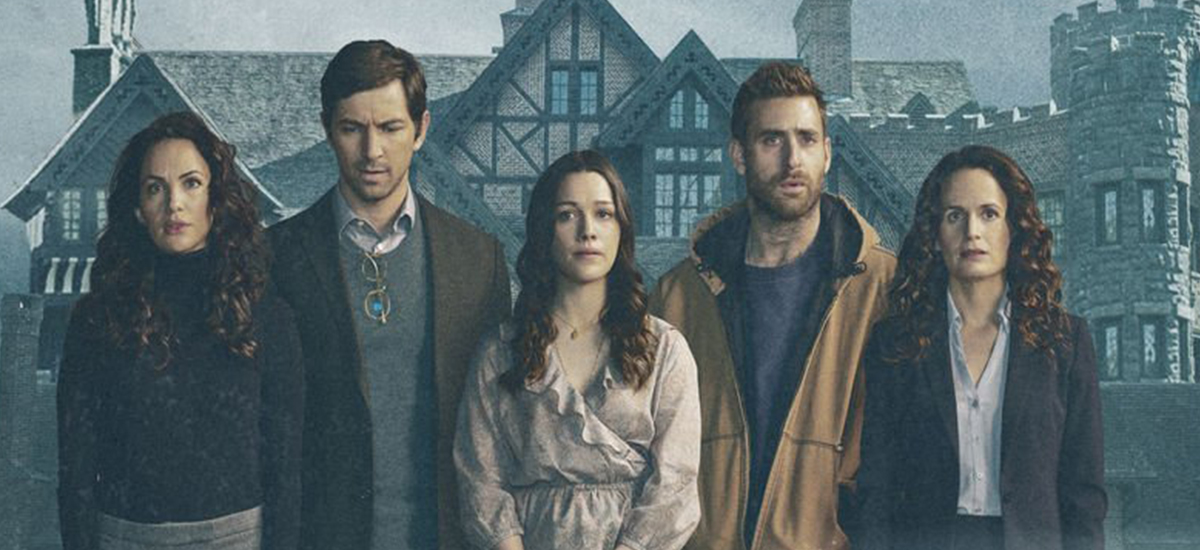
The Haunting of Hill House: A Cultural Exploration
“The Haunting of Hill House” is a novel by Shirley Jackson that explores themes of supernatural phenomena, psychological terror, and family trauma. The story follows the Crain family as they confront the haunting memories of their past and the mysterious occurrences at Hill House. Through the lens of this haunting tale, we can unravel the deeper cultural implications of sleep paralysis and its connection to trauma.
Symbolism in “The Haunting of Hill House”
“The Haunting of Hill House” is rich with symbolism and metaphorical imagery that explores the themes of fear, grief, and trauma. The titular Hill House serves as a metaphor for the characters’ haunted pasts and unresolved emotional conflicts, manifesting as supernatural phenomena and ghostly apparitions. The house itself becomes a character in the story, reflecting the psychological depths of the characters’ fears and anxieties.
By examining the symbolism in “The Haunting of Hill House,” we can uncover the hidden meanings and themes that contribute to the novel’s eerie atmosphere and haunting narrative. The haunted house motif serves as a backdrop for exploring the characters’ inner demons and the cultural traumas that haunt them, shedding light on the deeper significance of their experiences.
Sleep Paralysis in “The Haunting of Hill House”
In “The Haunting of Hill House,” sleep paralysis plays a central role in the characters’ experiences of supernatural phenomena and psychological terror. The Crain family members frequently encounter sleep paralysis as they navigate the haunted halls of Hill House, experiencing vivid hallucinations and terrifying nightmares. The phenomenon of sleep paralysis becomes intertwined with the characters’ traumatic pasts, blurring the lines between reality and the supernatural.
By examining the portrayal of sleep paralysis in “The Haunting of Hill House,” we can gain insights into how the phenomenon is used to evoke fear, suspense, and psychological tension in the story. The characters’ encounters with sleep paralysis serve as a gateway to exploring their innermost fears and traumas, highlighting the deep-rooted psychological impact of their haunted experiences.
Coping with Sleep Paralysis
If you have experienced sleep paralysis, know that you are not alone. Many individuals around the world have encountered this phenomenon and have found ways to cope with its effects. Here are some strategies that may help you navigate sleep paralysis and reduce its impact on your well-being:
Establish a Consistent Sleep Routine
Maintaining a regular sleep schedule can help regulate your sleep patterns and reduce the likelihood of experiencing sleep paralysis. Try to go to bed and wake up at the same time each day, creating a consistent sleep routine that supports healthy sleep habits.
Create a Relaxing Sleep Environment
Creating a calm and soothing sleep environment can help you feel more relaxed and at ease before bedtime. Consider incorporating calming activities such as reading, listening to music, or taking a warm bath to unwind and prepare for sleep.
Address Underlying Stress or Anxiety
Stress and anxiety can contribute to sleep disturbances, including sleep paralysis. It’s essential to address any underlying stressors or anxieties that may be impacting your sleep quality. Practice stress-reducing techniques such as mindfulness, meditation, or deep breathing exercises to promote relaxation and improve sleep.
Seek Support from a Healthcare Professional
If you are struggling to cope with sleep paralysis or experiencing significant distress, consider seeking support from a healthcare professional. A doctor or mental health provider can help assess your symptoms and provide guidance on managing sleep paralysis effectively.
Join a Support Group or Online Community
Connecting with others who have experienced sleep paralysis can provide comfort, validation, and support. Consider joining a support group or online community where you can share your experiences, learn from others, and find solidarity in navigating this phenomenon.
Conclusion
In conclusion, “The Haunting of Hill House” offers a captivating exploration of the cultural significance of sleep paralysis and its connection to trauma. By examining the themes and symbolism in Shirley Jackson’s novel, we can gain insights into the psychological depths of this haunting tale and the impact of sleep paralysis on the characters’ haunted experiences. Through a deeper understanding of sleep paralysis and its cultural implications, we can shed light on the profound effects of this phenomenon and the ways in which it shapes our perceptions of reality and the supernatural. Remember, if you ever find yourself facing the eerie phenomenon of sleep paralysis, know that you are not alone, and there are resources and support available to help you navigate this experience with courage and resilience.