
Are you familiar with the eerie sensation of waking up unable to move? Sleep paralysis, a phenomenon that occurs during the transition between sleep and wakefulness, has long been shrouded in myths and misconceptions. In this article, we will debunk common misunderstandings surrounding sleep paralysis and shed light on what truly happens during this mysterious state. So, grab a cup of tea and get ready to unravel the truth about sleep paralysis.
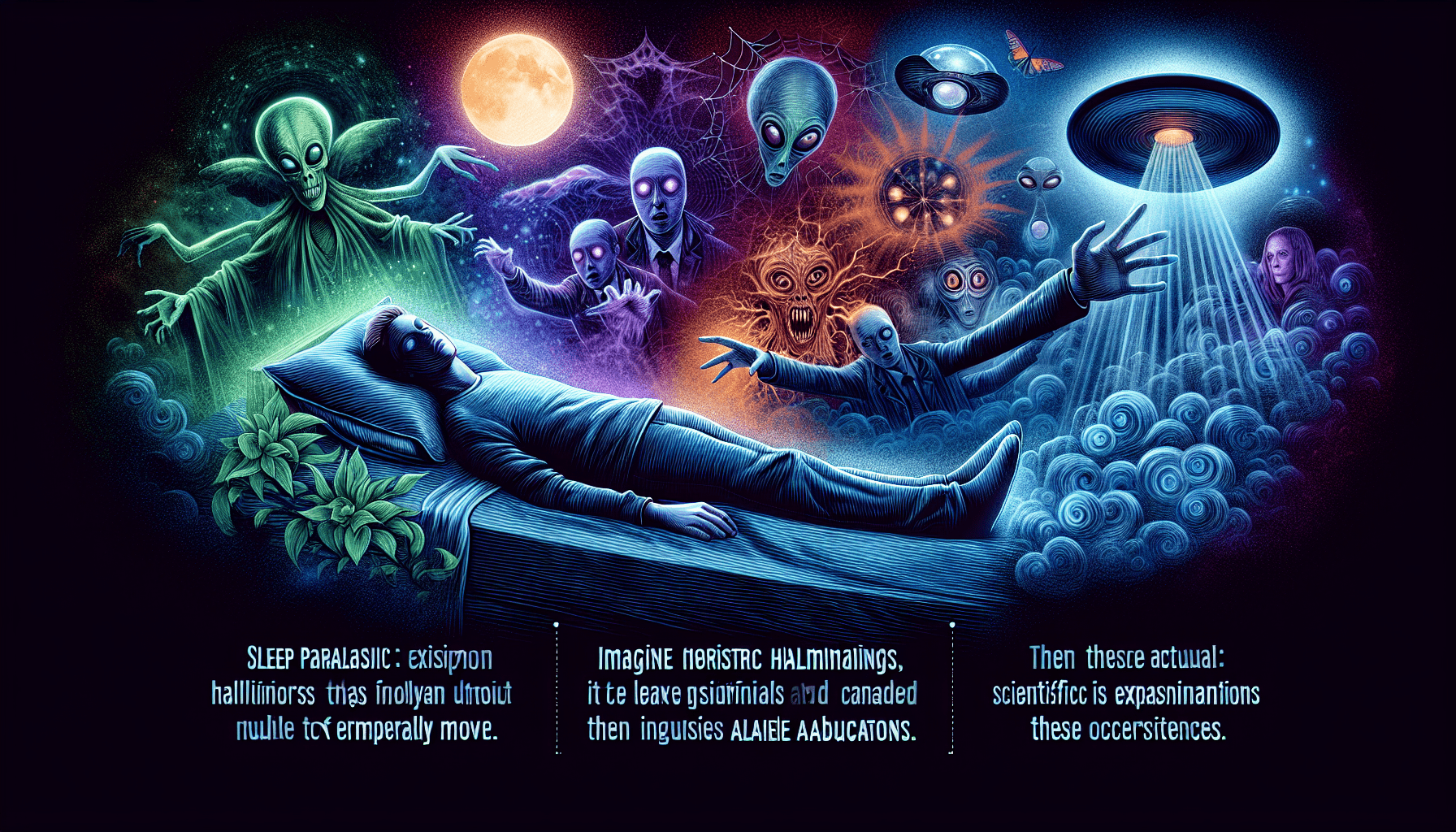
Myth: Sleep paralysis is caused by supernatural beings
Sleep paralysis has been surrounded by a variety of historical and cultural beliefs, often attributing the phenomenon to supernatural beings. Throughout history, different cultures have referred to sleep paralysis as “night hag,” “old hag syndrome,” or “witch riding,” associating it with malevolent spirits or witches. These beliefs often stem from the fear and confusion experienced during episodes of sleep paralysis.
Subheading 1: Historical and cultural beliefs
In many cultures, sleep paralysis has been interpreted as an encounter with supernatural entities. Folklore and legends often describe these entities as demonic or malevolent spirits that visit individuals during their sleep, causing the paralysis and accompanying feelings of terror. These beliefs have persisted for centuries and are deeply ingrained in the cultural fabric of various societies.
Subheading 2: Scientific explanation of sleep paralysis
Contrary to the supernatural explanations, sleep paralysis is a natural phenomenon that occurs due to the complex interaction between the sleep-wake cycle and the body’s muscular system. During rapid eye movement (REM) sleep, the brain shuts off signals to the voluntary muscles to prevent acting out dreams and ensure bodily safety. Sleep paralysis occurs when this mechanism fails to fully disengage during the transition from REM sleep to wakefulness, resulting in temporary muscle immobility.
Myth: Sleep paralysis is always accompanied by hallucinations
Sleep paralysis is commonly associated with hallucinations, but it is not a universal feature of the experience. Different types of sleep paralysis can occur, some with hallucinations and others without any visual or auditory disturbances.
Subheading 1: Types of sleep paralysis
There are two primary types of sleep paralysis: isolated sleep paralysis and recurrent isolated sleep paralysis. Isolated sleep paralysis refers to the occasional occurrence of sleep paralysis, often unrelated to any underlying sleep disorder. Recurrent isolated sleep paralysis, on the other hand, involves frequent episodes of sleep paralysis, usually indicative of an underlying sleep disorder such as narcolepsy.
Subheading 2: Frequency of hallucinations in sleep paralysis
While hallucinations frequently accompany sleep paralysis, they do not occur in every instance. Estimates suggest that approximately 20-60% of sleep paralysis episodes involve hallucinations. These hallucinations can vary greatly, ranging from a sense of presence in the room to vivid visual and auditory experiences, often perceived as threatening or terrifying.
Myth: Sleep paralysis is a dangerous medical condition
Sleep paralysis may induce feelings of fear and helplessness, but it is generally not considered a dangerous medical condition. While the experience can be distressing, it does not pose any immediate physical harm.
Subheading 1: Physical effects of sleep paralysis
During an episode of sleep paralysis, individuals may experience a range of physical sensations, such as difficulty breathing, a racing heart, and a sensation of pressure on the chest. These symptoms can be alarming, but they are typically transient and resolve once the episode ends.
Subheading 2: Psychological effects of sleep paralysis
Sleep paralysis can have psychological effects, including anxiety, fear of falling asleep, and disrupted sleep patterns. The fear and distress associated with sleep paralysis can lead to a significant impact on mental well-being, causing daytime sleepiness, mood disturbances, and increased stress levels.
Subheading 3: Long-term health risks
While sleep paralysis itself does not pose long-term health risks, the presence of underlying sleep disorders, such as narcolepsy, can have implications for overall health. It is essential to differentiate between sleep paralysis as an isolated phenomenon and sleep paralysis occurring in the context of an underlying sleep disorder when considering potential long-term health risks.
Myth: Sleep paralysis only happens when waking up
Contrary to popular belief, sleep paralysis can occur both when waking up and when falling asleep. The timing of sleep paralysis episodes can vary depending on individual factors and sleep patterns.
Subheading 1: Sleep paralysis during the transition from wakefulness to sleep
Sleep paralysis can occur when individuals are in the process of falling asleep. This type of sleep paralysis is known as hypnagogic or predormital sleep paralysis. It can manifest as a feeling of being unable to move or speak while still conscious, often accompanied by hallucinations.
Subheading 2: Sleep paralysis during the transition from sleep to wakefulness
Another type of sleep paralysis, known as hypnopompic or postdormital sleep paralysis, occurs upon waking up from sleep. During this transition, individuals may find themselves temporarily unable to move or speak, often combined with vivid hallucinations.
Subheading 3: Factors that increase the likelihood of sleep paralysis
Several factors can increase the likelihood of experiencing sleep paralysis episodes, such as sleep deprivation, inconsistent sleep schedules, substance use (including alcohol and certain medications), sleep disorders (e.g., narcolepsy), and mental health conditions (e.g., anxiety and depression). Understanding these contributing factors can help individuals identify potential triggers and manage sleep paralysis more effectively.
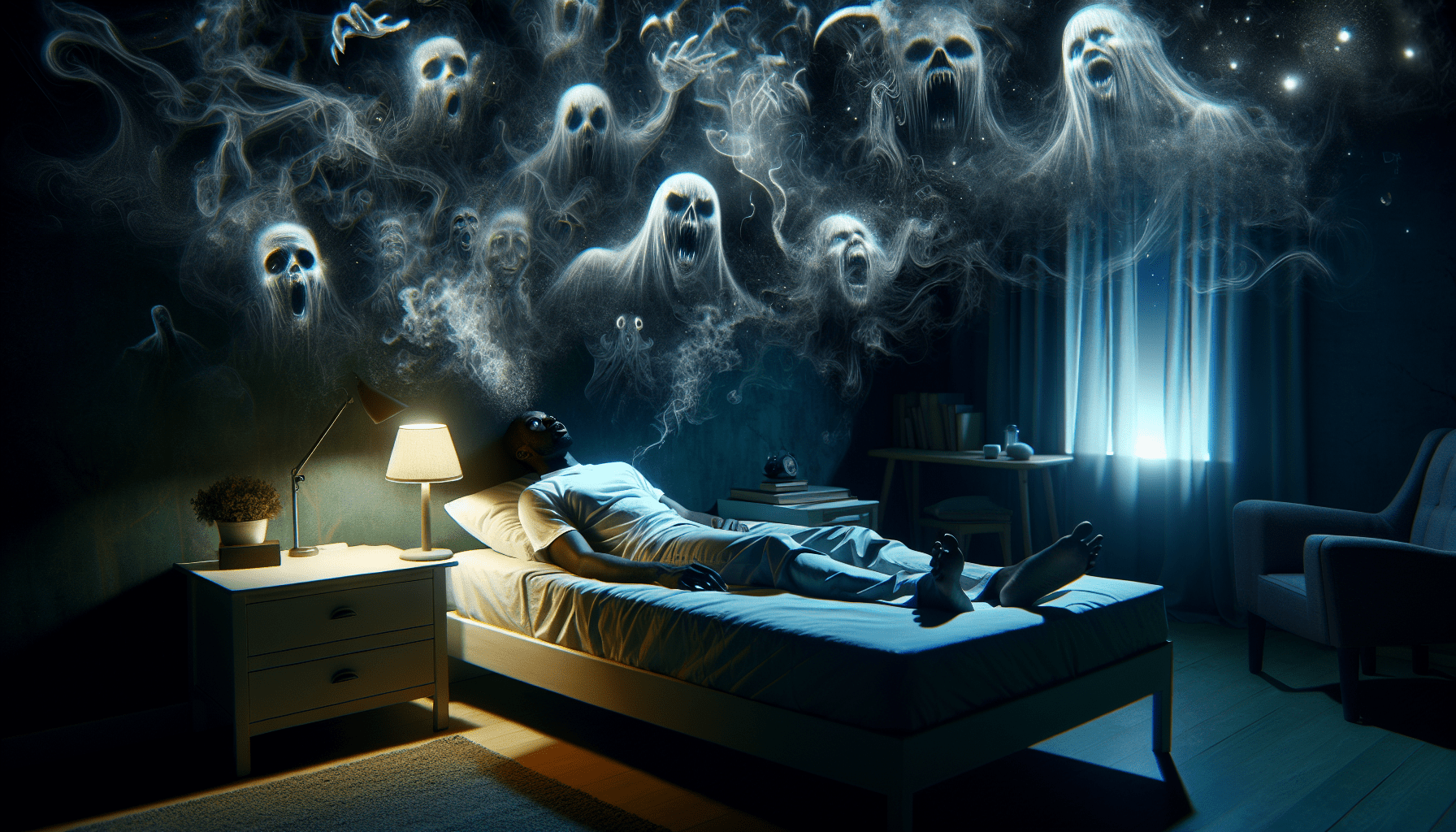
Misconception: Sleep paralysis is a sign of a sleep disorder
While sleep paralysis can be associated with sleep disorders, it is not inherently indicative of a specific sleep disorder. Sleep paralysis can occur as an isolated phenomenon or as a symptom of an underlying sleep disorder.
Subheading 1: Sleep disorders associated with sleep paralysis
Sleep paralysis commonly occurs in individuals with narcolepsy, a neurological disorder characterized by excessive daytime sleepiness and uncontrollable episodes of falling asleep. However, sleep paralysis can also be experienced by individuals without any other symptoms of narcolepsy.
Subheading 2: Sleep paralysis as an isolated phenomenon
Isolated sleep paralysis refers to sporadic episodes of sleep paralysis occurring in the absence of any underlying sleep disorders. These isolated experiences can be triggered by various factors and are not necessarily indicative of a chronic or ongoing sleep disorder.
Misconception: Sleep paralysis can be prevented or treated with medication
Currently, there are no specific medications approved for the treatment or prevention of sleep paralysis. While medications used to treat sleep disorders (such as narcolepsy) may indirectly alleviate sleep paralysis episodes, they are not specifically designed to target this phenomenon.
Subheading 1: Lack of specific medications for sleep paralysis
Sleep paralysis is a complex phenomenon that involves the intricate interplay of various physiological and neurological mechanisms. As such, developing targeted medications solely for sleep paralysis remains an ongoing challenge for researchers and healthcare professionals.
Subheading 2: Management strategies for sleep paralysis
Despite the lack of medical treatments, there are several management strategies that individuals can employ to cope with sleep paralysis. These strategies may include maintaining regular sleep schedules, optimizing sleep hygiene practices, managing stress levels, and developing relaxation techniques to reduce anxiety associated with sleep paralysis episodes.
Misconception: Sleep paralysis is the same as night terrors
Sleep paralysis and night terrors are distinct phenomena, although they can share some similarities. Night terrors primarily occur during non-rapid eye movement (NREM) sleep, while sleep paralysis is associated with REM sleep.
Subheading 1: Differences in experience and symptoms
Sleep paralysis often involves the temporary inability to move or speak, accompanied by vivid hallucinations. In contrast, night terrors are characterized by sudden awakenings from sleep, usually with intense fear, screaming, and physical agitation. Unlike sleep paralysis, individuals experiencing night terrors are often unable to recall the details of their dreams or hallucinations.
Subheading 2: Common misconceptions about night terrors
Night terrors are often mistaken for nightmares or sleepwalking. However, they are distinct events with their own unique characteristics. While sleep paralysis and night terrors can both be distressing experiences, understanding the differences between them can help individuals better understand and manage their sleep-related phenomena.
Misconception: Sleep paralysis is a rare phenomenon
Sleep paralysis is more common than many people realize, with estimates suggesting that a significant portion of the population may experience at least one episode in their lifetime.
Subheading 1: Prevalence of sleep paralysis worldwide
Sleep paralysis has been reported across various cultures and geographic locations worldwide, indicating its prevalence among different populations. Studies have found that between 7% and 38% of individuals may experience sleep paralysis at some point in their lives.
Subheading 2: Underreporting and lack of awareness
It is important to note that sleep paralysis is likely underreported due to the lack of awareness surrounding the phenomenon. Many individuals who experience sleep paralysis may be unaware of what it is or chalk it up to a vivid dream or supernatural encounter, further contributing to underreporting.
Myth: Sleep paralysis can be completely eliminated
While it may not be possible to completely eliminate sleep paralysis, there are strategies that can help manage and reduce its frequency, providing individuals with a better quality of sleep and improved well-being.
Subheading 1: Managing and reducing the frequency of sleep paralysis
Establishing consistent sleep habits, prioritizing good sleep hygiene, maintaining a regular sleep schedule, and managing stress levels can all contribute to reducing the occurrence of sleep paralysis episodes. Relaxation techniques, such as deep breathing exercises or meditation, may also help in managing the anxiety associated with sleep paralysis.
Subheading 2: Seeking professional help for recurring sleep paralysis
If sleep paralysis episodes persist or significantly impact daily functioning and well-being, it may be beneficial to seek professional help. A sleep specialist can evaluate the individual’s sleep patterns, identify any underlying sleep disorders, and provide tailored treatment options or coping strategies to manage sleep paralysis effectively.