
In today’s fast-paced work environment, it’s important for employers to understand and accommodate the needs of all their employees, including those who may be experiencing sleep paralysis. By implementing a few simple changes, such as flexible work hours, designated rest areas, and open communication channels, employers can help create a more supportive and inclusive workplace for everyone. It’s crucial for employers to prioritize the well-being of their employees and make the necessary accommodations to ensure everyone can thrive in their roles. How Can Employers Accommodate Individuals With Sleep Paralysis?
How can employers accommodate individuals with sleep paralysis? Sleep paralysis is a condition that can greatly impact one’s ability to function effectively at work due to the disruption it causes in sleep patterns. In this article, we will discuss various ways employers can support and accommodate employees with sleep paralysis to ensure a productive and inclusive work environment.
Understanding Sleep Paralysis
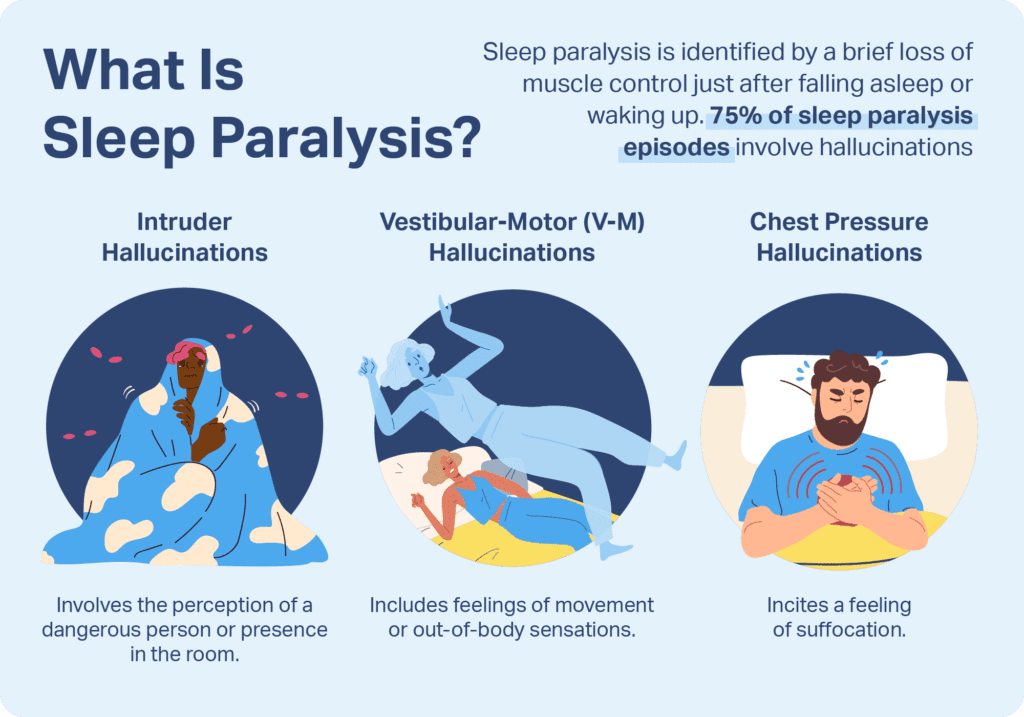
Before we dive into how employers can assist employees with sleep paralysis, let’s first understand what sleep paralysis is. Sleep paralysis is a phenomenon in which a person is temporarily unable to move or speak while falling asleep or waking up. It can be a frightening experience and is often accompanied by hallucinations or a feeling of pressure on the chest.
How Sleep Paralysis Affects Work Performance
Sleep paralysis can have a significant impact on an individual’s daily functioning, including their performance at work. Some common symptoms of sleep paralysis that can affect work performance include:
- Excessive daytime sleepiness
- Difficulty concentrating
- Mood swings and irritability
- Decreased productivity
- Increased risk of accidents or errors
Understanding how sleep paralysis can affect work performance is crucial for employers to provide the necessary accommodations and support for affected employees.
Accommodations for Employees with Sleep Paralysis
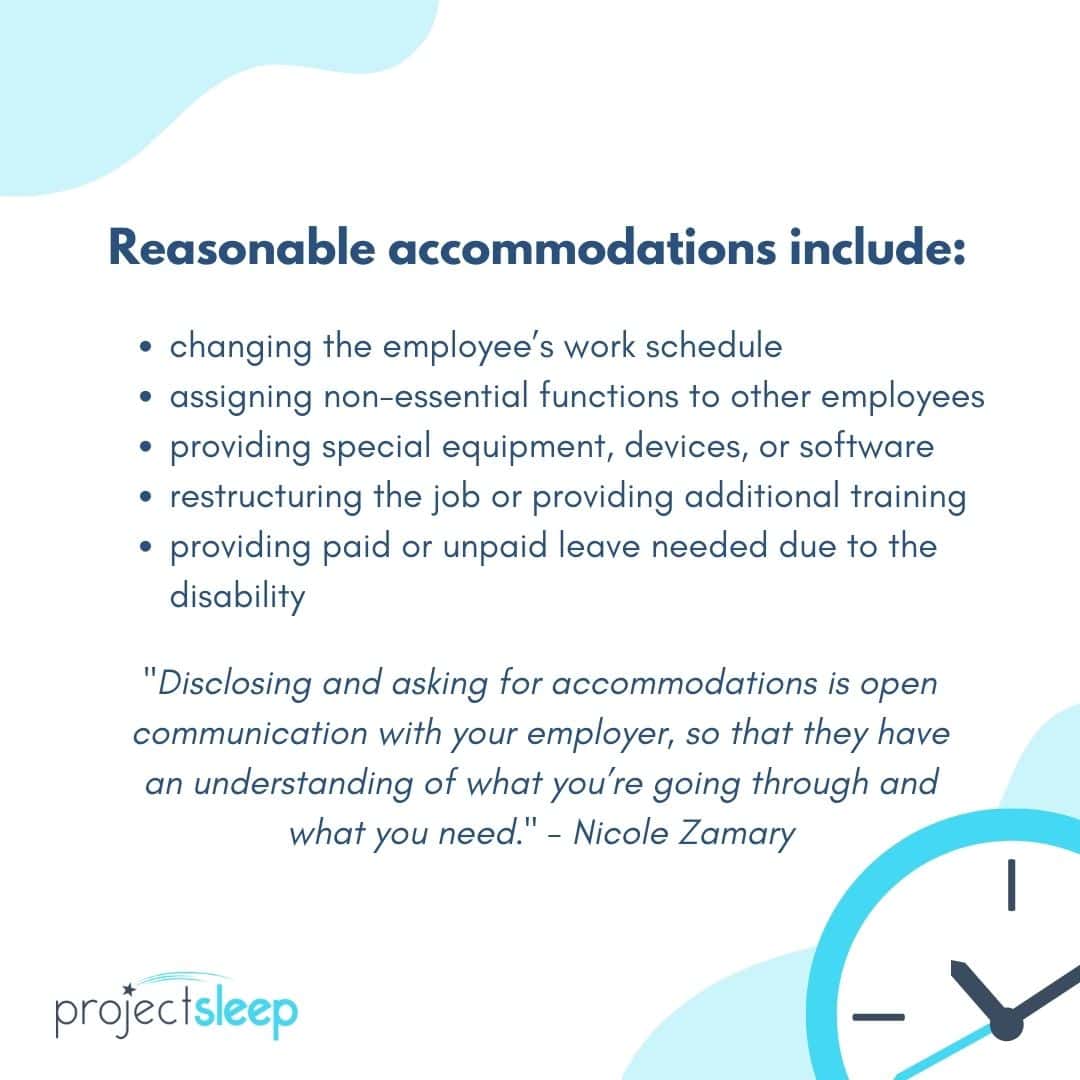
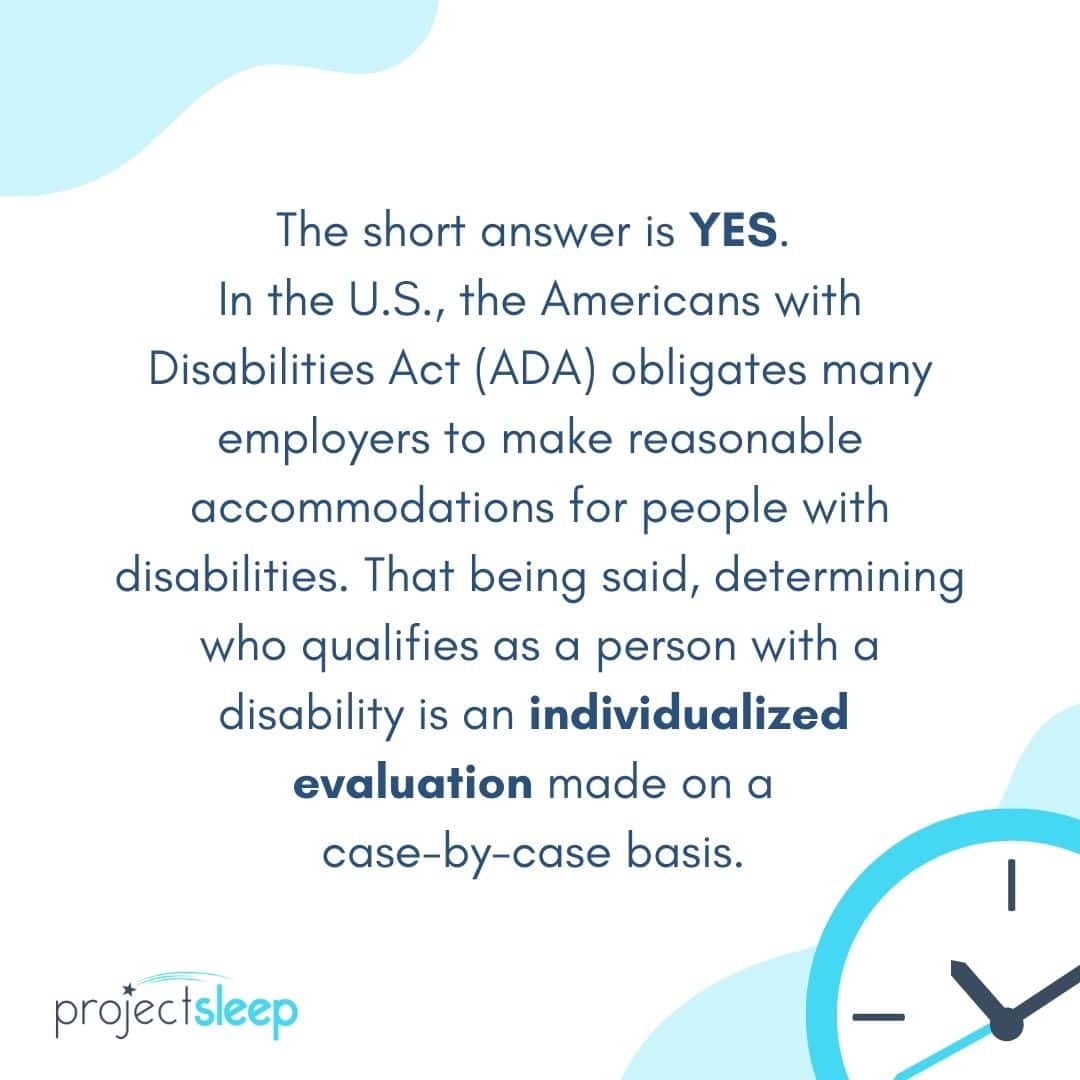
Employers have a legal obligation to provide reasonable accommodations for employees with disabilities, including sleep disorders such as sleep paralysis. Here are some ways employers can accommodate individuals with sleep paralysis:
Flexible Start Times
One way employers can accommodate employees with sleep paralysis is by offering flexible start times. This allows employees to come to work later if they experience a sleep paralysis episode during the night, ensuring they get enough rest before starting their workday.
Remote Work Options
Providing remote work options can also be beneficial for employees with sleep paralysis. Working from home allows individuals to create a comfortable sleep environment and manage their sleep paralysis symptoms more effectively.
Breaks and Nap Times
Allowing employees to take breaks or nap times during the workday can help them manage their sleep paralysis symptoms and improve their overall productivity. Offering designated nap rooms or quiet spaces can provide employees with the opportunity to rest when needed.
Workspace Adjustments
Making adjustments to the employee’s workspace, such as providing ergonomic furniture or noise-canceling headphones, can help create a more comfortable work environment for individuals with sleep paralysis. These accommodations can reduce distractions and improve focus.
Communication and Support
Effective communication and support are essential for accommodating employees with sleep paralysis. Employers should create an open and understanding environment where individuals feel comfortable discussing their condition and needs. Here are some tips for fostering communication and support:
Education and Awareness
Educating employees and managers about sleep paralysis and its effects can help create a more understanding workplace culture. By raising awareness about the condition, employers can reduce stigma and promote empathy towards affected individuals.
Confidentiality and Privacy
Respecting the confidentiality and privacy of employees with sleep paralysis is crucial. Employers should keep any medical information shared by employees confidential and only disclose it to those who need to know for accommodation purposes.
Employee Assistance Programs
Employee Assistance Programs (EAPs) can provide valuable resources and support for employees with sleep paralysis. These programs offer counseling services, mental health support, and guidance on managing sleep disorders effectively.
Creating a Supportive Work Environment
Building a supportive work environment is key to accommodating employees with sleep paralysis. Employers can implement various strategies to create a workplace that promotes well-being and productivity for all employees.
Flexible Work Policies
Implementing flexible work policies, such as telecommuting options, flexible hours, and compressed workweeks, can benefit employees with sleep paralysis and other disabilities. These policies allow individuals to manage their work schedules according to their needs.
Wellness Programs
Offering wellness programs that focus on sleep hygiene, stress management, and mental health can help employees with sleep paralysis improve their overall well-being. These programs can provide resources and strategies for managing sleep disorders effectively.
Employee Feedback
Encouraging employees to provide feedback on the workplace environment and accommodations can help employers better understand the needs of individuals with sleep paralysis. Regular feedback sessions can help identify areas for improvement and ensure that accommodations are effective.
Legal Considerations
Employers must comply with legal requirements when accommodating employees with sleep paralysis. The Americans with Disabilities Act (ADA) prohibits discrimination against individuals with disabilities and requires employers to provide reasonable accommodations. Here are some legal considerations to keep in mind:
Reasonable Accommodations
Under the ADA, employers are required to provide reasonable accommodations for employees with disabilities, including sleep paralysis. Reasonable accommodations are modifications or adjustments that enable individuals to perform their job duties effectively.
Interactive Process
The interactive process is a communication between the employer and employee to determine the most appropriate accommodations for the individual with sleep paralysis. Employers should engage in this process to identify the employee’s needs and implement suitable accommodations.
Documentation
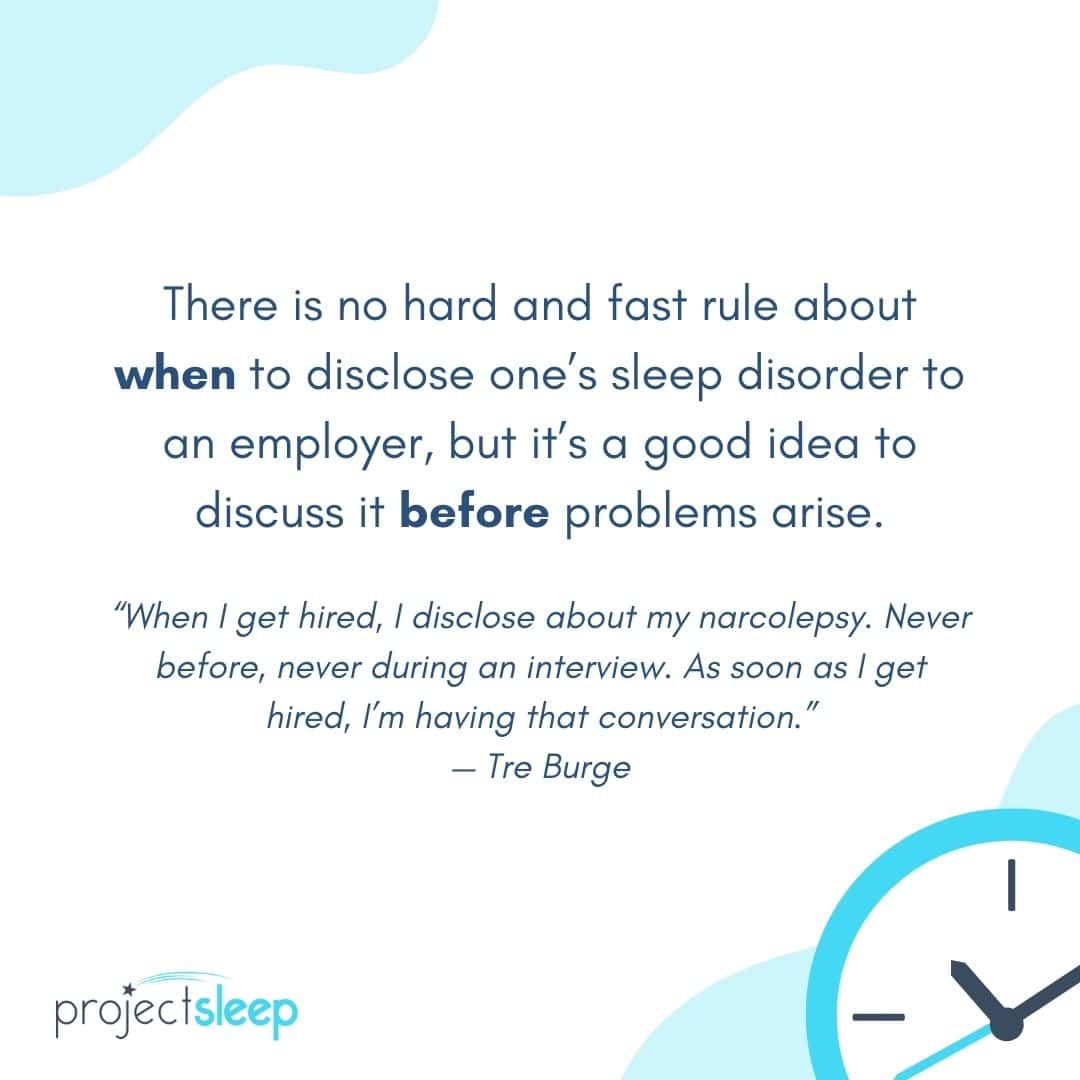
Employers may request medical documentation from employees to verify their need for accommodations related to sleep paralysis. However, it is essential to maintain the confidentiality of this information and only share it with individuals involved in the accommodation process.
Conclusion
In conclusion, accommodating individuals with sleep paralysis in the workplace requires understanding, communication, and support. Employers play a crucial role in creating a work environment that is inclusive and supportive of employees with sleep disorders. By implementing appropriate accommodations and fostering a culture of empathy and flexibility, employers can help individuals with sleep paralysis thrive in the workplace. Remember, creating a supportive work environment benefits all employees and contributes to overall organizational success.