
The Connection Between Sleep Paralysis And Hypnagogic Hallucinations
Have you ever experienced a moment right before falling asleep where you feel like you can’t move and you see or hear strange things around you? This phenomenon is known as sleep paralysis and is often accompanied by hypnagogic hallucinations. Let’s explore the interesting connection between sleep paralysis and hypnagogic hallucinations to understand why they occur and how they are related.

What is Sleep Paralysis?
Sleep paralysis is a temporary inability to move or speak that occurs when you’re waking up or falling asleep. During an episode of sleep paralysis, your mind may be conscious, but your body feels like it’s frozen. This can be a terrifying experience for many people, as they may feel trapped and unable to move or escape from the situation.
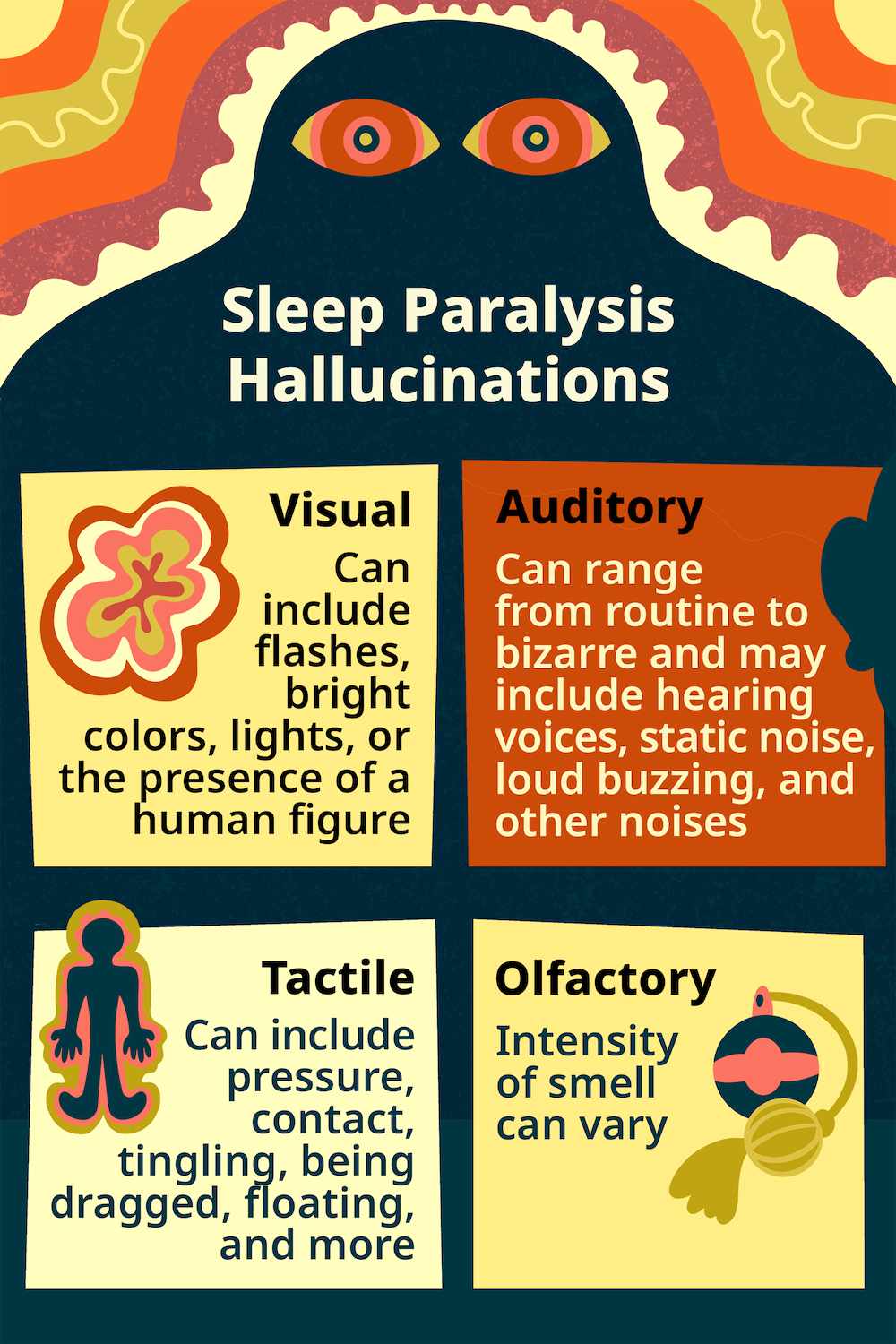
Sleep paralysis can last for a few seconds to a few minutes, and during this time, you may also experience visual, auditory, or tactile hallucinations. These hallucinations can range from seeing shadowy figures or hearing strange noises to feeling like someone is touching or sitting on your chest. It’s important to note that sleep paralysis is a common phenomenon and is not usually a sign of an underlying health condition.
Your Experience with Sleep Paralysis
If you have ever had an episode of sleep paralysis, you know how frightening and unsettling it can be. The feeling of being conscious but unable to move or speak can be a confusing and distressing experience. Many people report feeling a sense of pressure on their chest or a presence in the room during sleep paralysis episodes.
What are Hypnagogic Hallucinations?
Hypnagogic hallucinations are vivid, dream-like experiences that occur as you are falling asleep. These hallucinations can involve visual, auditory, or tactile sensations that are often fantastical or bizarre in nature. Unlike regular dreams that occur during REM sleep, hypnagogic hallucinations happen during the transition from wakefulness to sleep.
During hypnagogic hallucinations, you may see flashing lights, hear strange noises, or feel like you’re floating or flying. These experiences can be intense and feel very real, even though you are technically still awake. While hypnagogic hallucinations are typically harmless and short-lived, they can be alarming if you are not familiar with them.
Your Encounters with Hypnagogic Hallucinations
If you have ever experienced hypnagogic hallucinations, you may recall feeling a mix of curiosity and surprise at the vividness of the sensory experiences. These hallucinations can be so realistic that they blur the lines between dreams and wakefulness, leaving you questioning what is real and what is imagined.

The Relationship Between Sleep Paralysis and Hypnagogic Hallucinations
The interesting connection between sleep paralysis and hypnagogic hallucinations lies in the timing and nature of these phenomena. Both sleep paralysis and hypnagogic hallucinations occur during the transitional stages of the sleep cycle, where your body is either falling asleep or waking up. This overlap in timing can result in a co-occurrence of symptoms, leading to a complex and often frightening experience for those who go through it.
Explaining the Co-Occurrence
When you experience sleep paralysis, your body is in a state of muscle atonia, which prevents you from physically acting out your dreams. However, your mind may still be partially awake, leading to the sensation of being conscious while unable to move. This clash between wakefulness and muscle paralysis can create a sense of disorientation and fear, especially when coupled with hypnagogic hallucinations.
During hypnagogic hallucinations, your brain is in a semi-dream state, where sensory perceptions become distorted or heightened. This altered state of consciousness can manifest in vivid visual or auditory hallucinations that feel very real. When combined with the physical immobility of sleep paralysis, it can intensify the hallucinatory experiences and make them more unsettling.
Coping with the Combined Effects
If you have experienced both sleep paralysis and hypnagogic hallucinations, you may find it helpful to understand the underlying mechanisms that contribute to these phenomena. Recognizing that these experiences are a result of your brain’s natural sleep-wake cycles can demystify the occurrences and help you cope better with the fear and confusion they may provoke.

Managing Sleep Paralysis and Hypnagogic Hallucinations
While sleep paralysis and hypnagogic hallucinations can be distressing, there are strategies you can use to manage and minimize their occurrence. By adopting healthy sleep habits and addressing any underlying sleep disorders, you can reduce the frequency and intensity of these experiences. Let’s explore some tips for managing sleep paralysis and hypnagogic hallucinations.
Establishing a Consistent Sleep Routine
Maintaining a regular sleep schedule can help regulate your body’s internal clock and promote healthy sleep patterns. Try to go to bed and wake up at the same time every day, even on weekends, to establish a routine that supports restful sleep. Avoid caffeine, nicotine, and heavy meals close to bedtime, as these can disrupt your sleep and increase the likelihood of experiencing sleep paralysis or hypnagogic hallucinations.
Creating a Relaxing Sleep Environment
Make your bedroom conducive to sleep by keeping it dark, quiet, and cool. Invest in a comfortable mattress and pillows that support your body’s alignment and reduce the risk of physical discomfort during sleep. Limit screen time before bed and engage in calming activities like reading or meditating to unwind and prepare your body for rest.
Practicing Stress-Relief Techniques
Stress and anxiety can exacerbate sleep disturbances like sleep paralysis and hypnagogic hallucinations. Incorporate stress-relief techniques like deep breathing, progressive muscle relaxation, or mindfulness meditation into your daily routine to calm your mind and body before bedtime. Engaging in regular exercise and maintaining a healthy diet can also help alleviate stress and improve your overall sleep quality.
Seeking Professional Help
If your episodes of sleep paralysis or hypnagogic hallucinations are persistent or significantly impact your quality of life, consider seeking help from a healthcare provider. A sleep specialist or mental health professional can evaluate your symptoms, identify any underlying sleep disorders or psychological issues, and recommend appropriate treatment options. Cognitive-behavioral therapy, relaxation techniques, or medication may be beneficial in managing sleep-related disturbances and improving your overall sleep hygiene.
Conclusion
In conclusion, the connection between sleep paralysis and hypnagogic hallucinations is a fascinating area of study that sheds light on the complexities of the human sleep cycle. Understanding the relationship between these phenomena can help demystify the experiences and empower individuals to cope with them more effectively. By implementing healthy sleep habits, managing stress levels, and seeking professional guidance when needed, you can minimize the impact of sleep disturbances and enjoy restful and rejuvenating sleep.
Next time you find yourself in the midst of a sleep paralysis episode or a hypnagogic hallucination, remember that you are not alone in experiencing these phenomena. By arming yourself with knowledge and adopting proactive strategies for better sleep, you can navigate through these challenges with resilience and confidence. Sweet dreams and peaceful slumber await you on the other side of the night.
