
Welcome to an eye-opening article that delves into the fascinating world of sleep paralysis. This article will provide you with an understanding of the neurobiological mechanisms behind this intriguing phenomenon. By exploring the intricate processes that occur within the brain during sleep paralysis, you will gain valuable insights into this often misunderstood experience. Get ready to expand your knowledge and discover the science behind sleep paralysis. Have you ever experienced the terrifying phenomenon of being awake but unable to move? Perhaps you’ve felt a heavy weight on your chest, with a sense of impending doom. These are classic symptoms of sleep paralysis, a condition that affects people all around the world. In this article, we will delve into the neurobiological mechanisms behind sleep paralysis, shedding light on what causes it and how it can be understood.
What is Sleep Paralysis?
Let’s start with the basics – what exactly is sleep paralysis? Sleep paralysis is a frightening phenomenon in which a person temporarily experiences an inability to move or speak while falling asleep or waking up. This can be accompanied by vivid hallucinations, a feeling of pressure on the chest, and a sense of impending danger. While sleep paralysis is not physically harmful, it can be intensely terrifying for those who experience it.
Personal Experience
If you’ve ever had a sleep paralysis episode, you know just how scary it can be. The feeling of being trapped in your own body, unable to move or cry out for help, is truly horrifying. It’s no wonder that so many people who experience sleep paralysis report feelings of fear and helplessness during an episode.
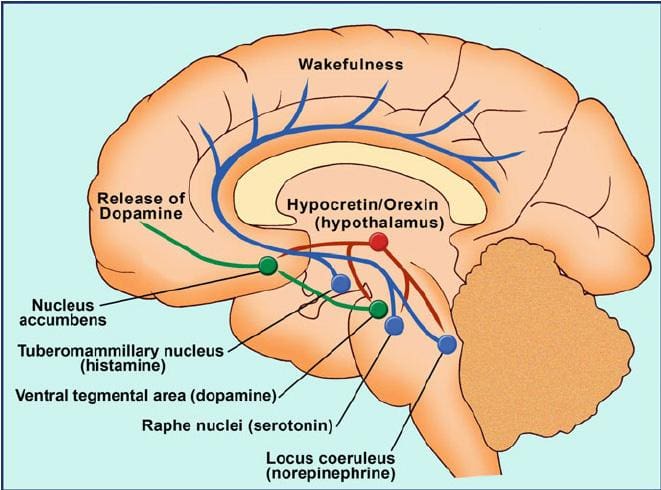
The Sleep Cycle
To understand sleep paralysis, we first need to understand the sleep cycle. The sleep cycle is divided into two main stages: REM (rapid eye movement) and non-REM sleep. During REM sleep, our brains are active, our eyes move rapidly, and most dreaming occurs. It is during this stage that sleep paralysis is most likely to occur.
REM Sleep
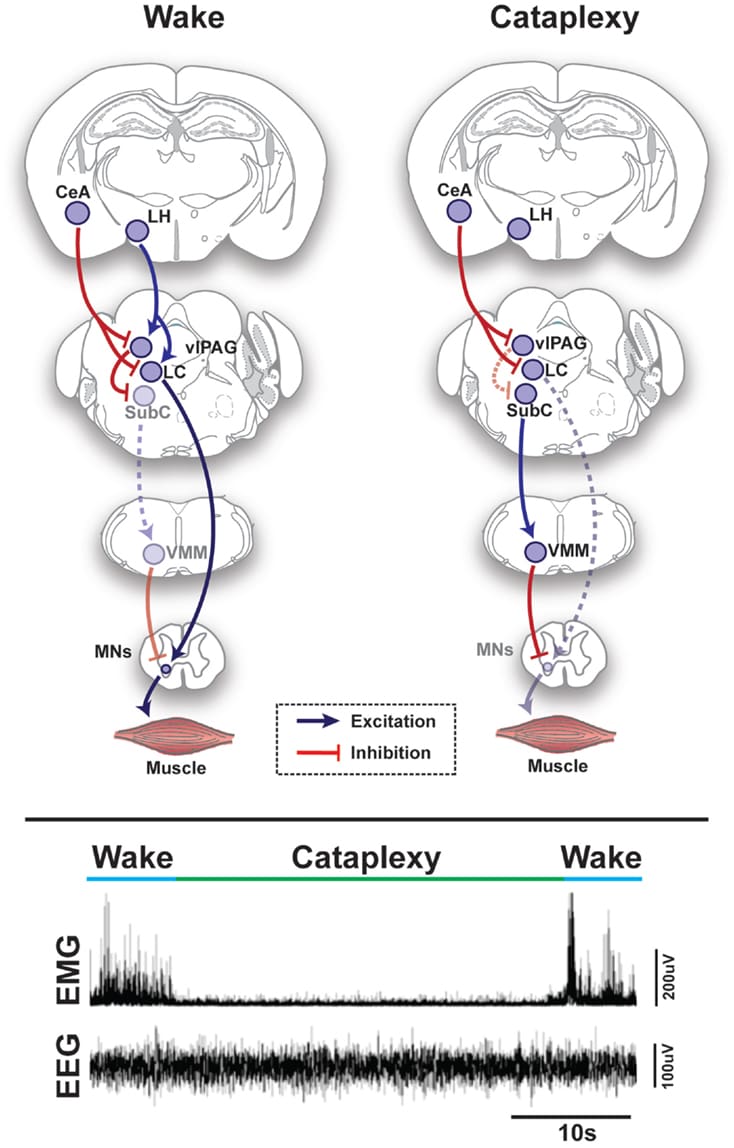
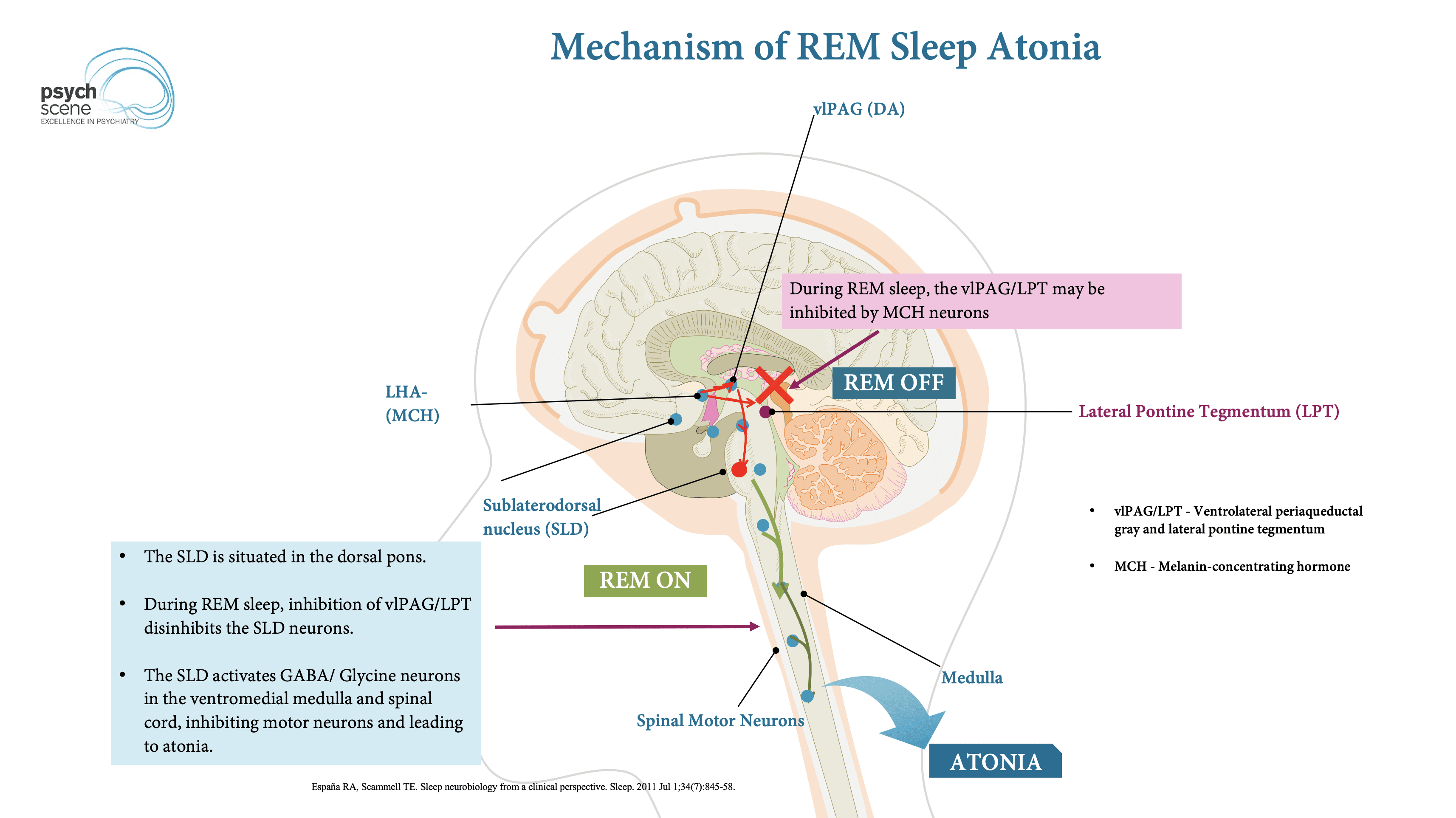
During REM sleep, our bodies essentially become paralyzed to prevent us from acting out our dreams. This is known as REM atonia, and it is a normal process that occurs during REM sleep. When sleep paralysis happens, REM atonia extends into wakefulness, resulting in the inability to move or speak.
Sleep Stages
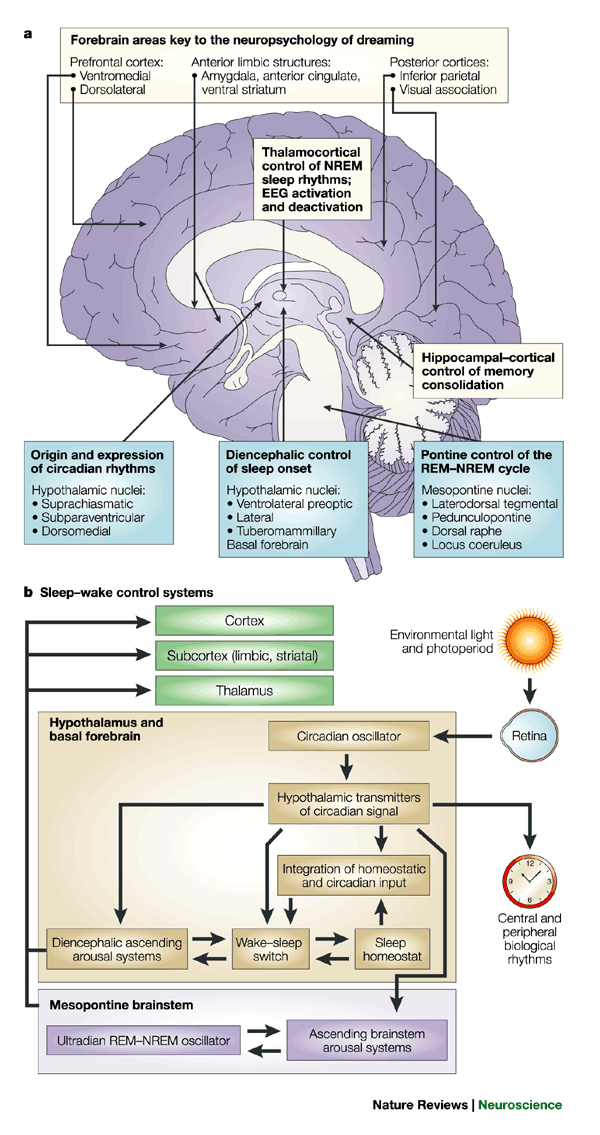
Another important aspect of the sleep cycle is the transition between sleep stages. As we move from one stage to another, our brain waves change, and different processes occur in our bodies. Understanding these sleep stages is crucial to understanding how sleep paralysis occurs.
Causes of Sleep Paralysis
Sleep paralysis can be caused by a variety of factors, both biological and environmental. Let’s take a look at some of the most common causes of sleep paralysis.
Genetics
Research has shown that genetics may play a role in predisposing some individuals to experience sleep paralysis. If you have a family history of sleep paralysis, you may be more likely to experience it yourself.
Sleep Deprivation
Lack of sleep or irregular sleep patterns can increase the likelihood of experiencing sleep paralysis. When we are sleep-deprived, our brains may have difficulty transitioning between sleep stages, leading to disruptions that can result in sleep paralysis.
Stress and Anxiety
Emotional stress and anxiety can also contribute to sleep paralysis. High levels of stress can disrupt our sleep patterns and make us more prone to experiencing sleep paralysis episodes.
Sleeping Position
Interestingly, the position in which you sleep can also impact your likelihood of experiencing sleep paralysis. Sleeping on your back has been associated with a higher incidence of sleep paralysis episodes, likely due to the way this position can affect airflow and muscle tension.
Narcolepsy
Narcolepsy, a chronic sleep disorder that causes excessive daytime sleepiness and sudden sleep attacks, is closely linked to sleep paralysis. People with narcolepsy are more likely to experience sleep paralysis due to disruptions in their sleep-wake cycle.
Neurobiological Mechanisms of Sleep Paralysis
Now that we’ve covered the basics of sleep paralysis and its causes, let’s dive into the neurobiological mechanisms behind this mysterious phenomenon. Understanding the intricate workings of the brain can help shed light on why sleep paralysis occurs and how it can be managed.
Brain Stem and REM Atonia
At the heart of sleep paralysis lies the brain stem, a critical region of the brain that controls many essential functions, including breathing and heart rate. During REM sleep, the brain stem sends signals to inhibit muscle activity and prevent us from acting out our dreams. When these signals extend into wakefulness, we experience the paralysis associated with sleep paralysis.
Hypnagogic and Hypnopompic Hallucinations
In addition to the physical paralysis experienced during sleep paralysis, many people also report vivid hallucinations that accompany the episode. These hallucinations can range from benign to terrifying and are known as hypnagogic hallucinations when occurring as one falls asleep and hypnopompic hallucinations when occurring upon waking.
Sleep-Wake Cycle Disruptions
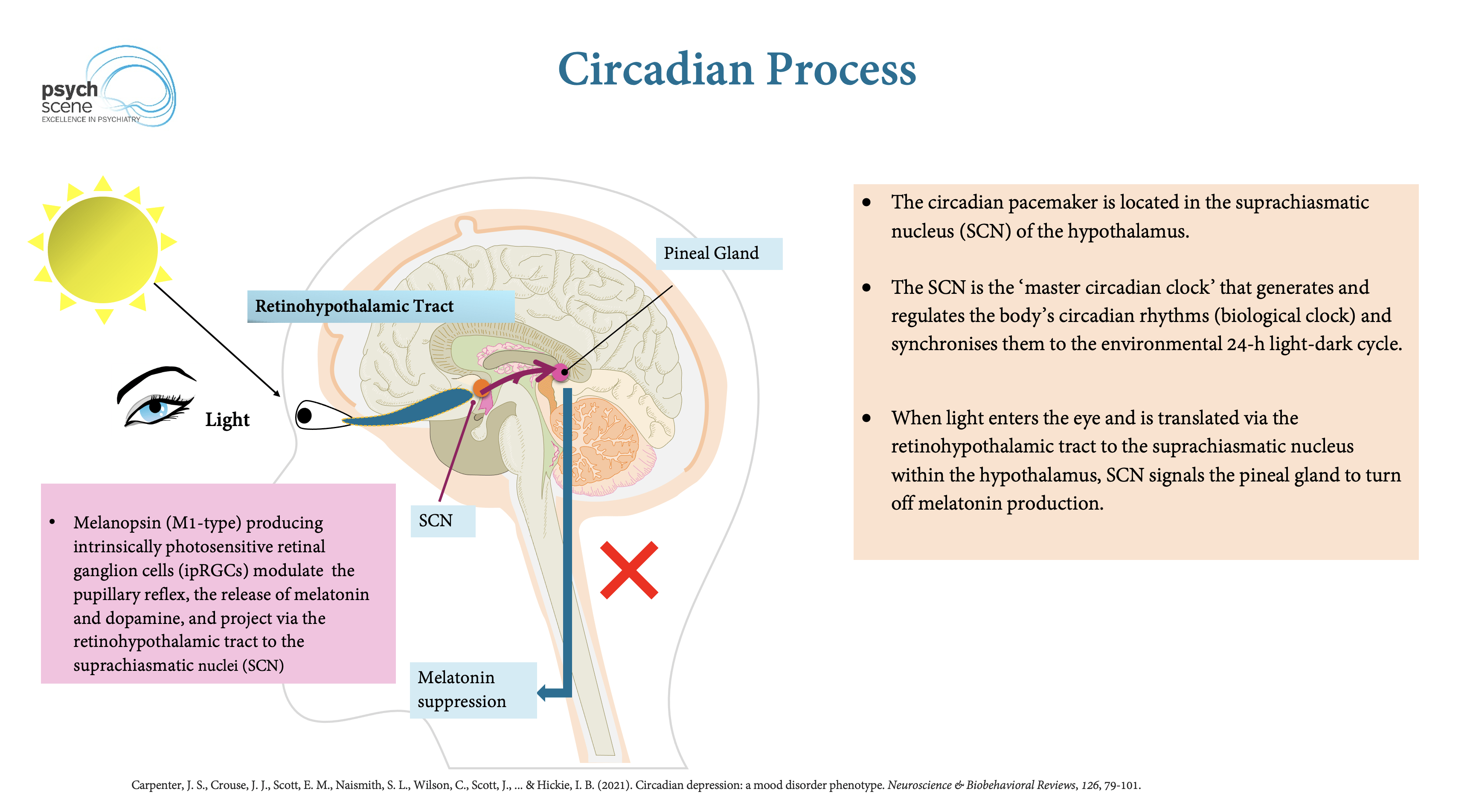
Disruptions in the sleep-wake cycle can also contribute to sleep paralysis. When these disruptions occur, our brains may struggle to transition smoothly between sleep stages, leading to overlaps between REM sleep and wakefulness. This can result in the classic symptoms of sleep paralysis, such as the inability to move or speak.
Amygdala Activation
The amygdala, a region of the brain involved in processing emotions, plays a significant role in sleep paralysis. Studies have shown that during sleep paralysis episodes, the amygdala may become hyperactive, leading to feelings of fear, anxiety, and impending danger. This hyperactivity of the amygdala can contribute to the intense emotional experiences associated with sleep paralysis.
Coping with Sleep Paralysis
If you’ve experienced sleep paralysis, you know just how terrifying it can be. The good news is that there are strategies you can use to cope with and even prevent sleep paralysis episodes. Let’s explore some tips for managing sleep paralysis and reducing its frequency.
Improve Sleep Hygiene
Maintaining good sleep hygiene is essential for preventing sleep paralysis. This includes establishing a regular sleep schedule, creating a relaxing bedtime routine, and ensuring your sleep environment is conducive to restful sleep. By prioritizing healthy sleep habits, you can reduce the likelihood of experiencing sleep paralysis.
Reduce Stress and Anxiety
Since stress and anxiety can exacerbate sleep paralysis, finding ways to manage these emotions is crucial. Practice relaxation techniques such as deep breathing, meditation, or yoga to reduce stress levels and promote a sense of calm before bedtime. By addressing underlying stressors, you can help prevent sleep paralysis episodes.
Experiment with Sleeping Positions
If you find that sleep paralysis often occurs when you sleep on your back, try changing your sleeping position. Sleeping on your side may help reduce the likelihood of experiencing sleep paralysis episodes by altering airflow and muscle tension. Experiment with different sleeping positions to find one that works best for you.
Seek Professional Help
If sleep paralysis is significantly impacting your quality of life or causing distress, consider seeking help from a healthcare provider. A sleep specialist can evaluate your symptoms, provide guidance on managing sleep paralysis, and recommend treatment options if necessary. Don’t hesitate to reach out for support if you need it.
Maintain a Healthy Lifestyle
Leading a healthy lifestyle can also reduce the likelihood of experiencing sleep paralysis. Make time for regular exercise, eat a balanced diet, and avoid stimulants such as caffeine close to bedtime. By prioritizing your overall health and well-being, you can support restful sleep and minimize the risk of sleep paralysis.
Conclusion
In conclusion, sleep paralysis is a complex phenomenon that involves a combination of genetic, environmental, and neurobiological factors. By understanding the mechanisms behind sleep paralysis, we can gain insight into why it occurs and how it can be managed. Whether you’ve experienced sleep paralysis yourself or are curious about this intriguing phenomenon, this article has provided a comprehensive overview of the neurobiological mechanisms at play. Remember, if you’re struggling with sleep paralysis, you’re not alone, and help is available. By implementing healthy sleep habits, reducing stress, and seeking professional support, you can navigate the challenges of sleep paralysis and enjoy restful nights of sleep.