What is Sleep Paralysis?
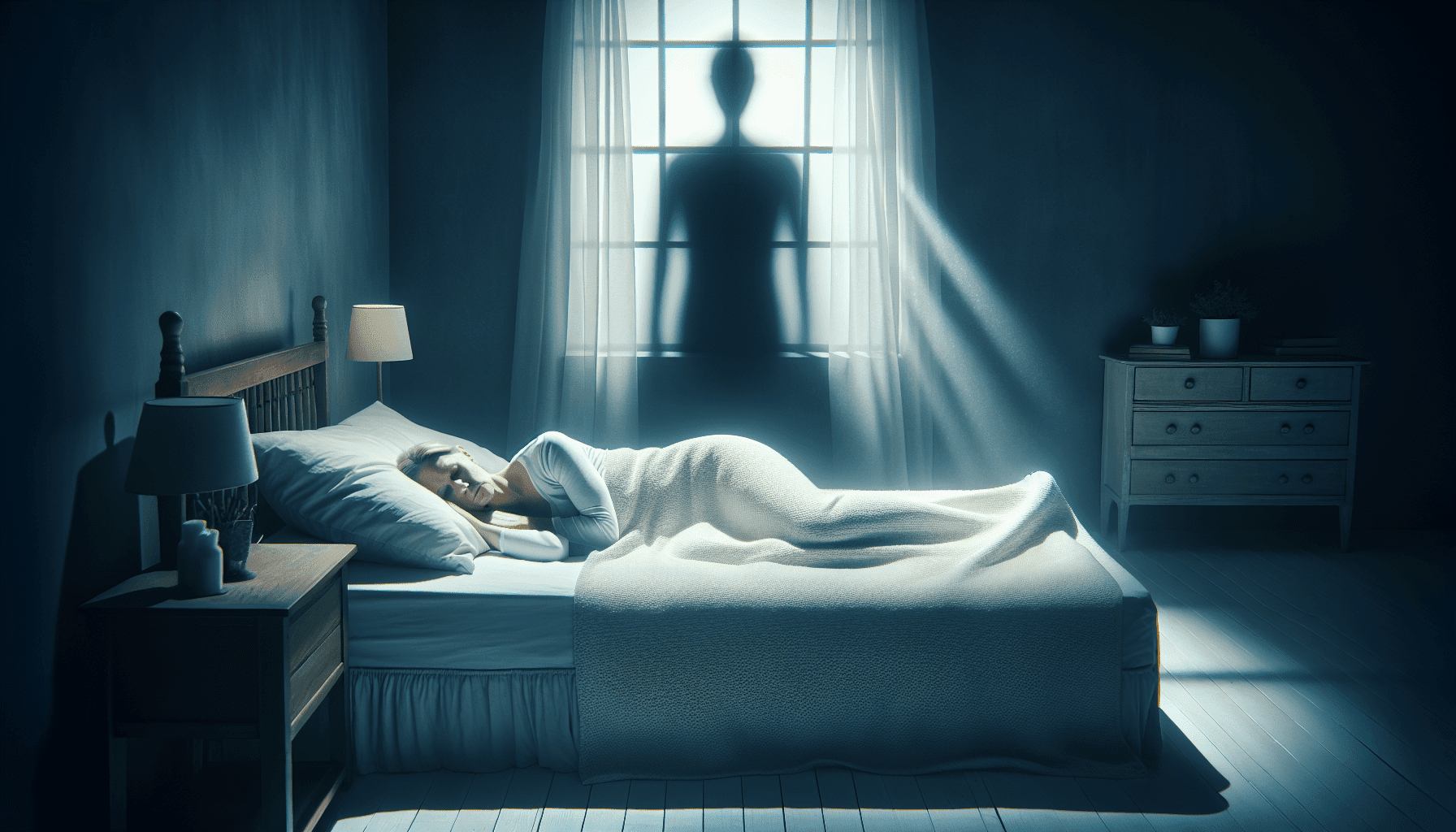
You must have experienced the terrifying feeling of being unable to move or speak when waking up or falling asleep. This phenomenon is known as sleep paralysis, a state in which your body is temporarily paralyzed, and you may also experience hallucinations.
Understanding Sleep Paralysis
Sleep paralysis occurs when there is a disconnect between your mind and body during the sleep-wake cycle. This can happen when you are falling asleep or waking up, preventing your body from moving as a safety mechanism to protect you from acting out your dreams.

Symptoms of Sleep Paralysis
You may be wondering if what you are experiencing is sleep paralysis. Let’s take a closer look at the common symptoms associated with this phenomenon.
Physical Symptoms
During an episode of sleep paralysis, you may experience the inability to move your arms, legs, or body. You may also find it difficult to speak or open your eyes.
Sensory Symptoms
Individuals with sleep paralysis may also report experiencing visual, auditory, or tactile hallucinations. These hallucinations can vary from person to person and can be very vivid and frightening.
Emotional Symptoms
Feelings of fear, panic, or impending doom are common emotional symptoms accompanying sleep paralysis. These emotions can be overwhelming and add to the already distressing experience.
What are Hypnagogic Hallucinations?
Now that you are familiar with sleep paralysis, let’s delve into hypnagogic hallucinations, another fascinating aspect of the sleep-wake cycle.
Defining Hypnagogic Hallucinations
Hypnagogic hallucinations are vivid, dream-like experiences that occur when transitioning from wakefulness to sleep. These hallucinations can involve all of your senses and may be difficult to distinguish from reality.
Types of Hypnagogic Hallucinations
There are various types of hypnagogic hallucinations, including visual, auditory, tactile, and even olfactory hallucinations. These experiences can range from seeing vivid images to hearing voices or feeling a sense of touch.

The Relationship Between Sleep Paralysis and Hypnagogic Hallucinations
Now that we have a better understanding of both sleep paralysis and hypnagogic hallucinations, let’s explore the intriguing relationship between these two phenomena.
Overlapping Symptoms
One of the key connections between sleep paralysis and hypnagogic hallucinations is the presence of hallucinations in both experiences. Individuals with sleep paralysis often report vivid sensory hallucinations, similar to those seen in hypnagogic hallucinations.
The Role of REM Sleep
Both sleep paralysis and hypnagogic hallucinations are closely linked to the rapid eye movement (REM) stage of sleep. During REM sleep, our brains are highly active, and dreaming occurs. It is during this stage that sleep paralysis and hypnagogic hallucinations are most likely to happen.
Triggering Factors
Stress, sleep deprivation, irregular sleep schedules, and underlying sleep disorders can all contribute to the occurrence of both sleep paralysis and hypnagogic hallucinations. By addressing these triggering factors, you may be able to reduce the frequency of these experiences.
Managing Sleep Paralysis and Hypnagogic Hallucinations
If you are regularly experiencing sleep paralysis or hypnagogic hallucinations and find them distressing, it is important to seek help from a healthcare professional. They can help you explore potential underlying causes and provide guidance on managing these phenomena.

Coping Strategies for Sleep Paralysis and Hypnagogic Hallucinations
Dealing with sleep paralysis and hypnagogic hallucinations can be challenging, but there are coping strategies that you can use to navigate these experiences effectively.
Improve Your Sleep Quality
Establishing a consistent sleep schedule, creating a relaxing bedtime routine, and ensuring your sleep environment is conducive to rest can help improve your overall sleep quality. By getting an adequate amount of restful sleep, you may reduce the occurrence of sleep paralysis and hypnagogic hallucinations.
Reduce Stress and Anxiety
Stress and anxiety can exacerbate sleep-related issues such as sleep paralysis and hypnagogic hallucinations. Implement stress-reducing techniques like mindfulness meditation, deep breathing exercises, or engaging in relaxing activities to help manage your stress levels.
Seek Professional Help
If sleep paralysis or hypnagogic hallucinations are significantly impacting your quality of life, don’t hesitate to reach out to a healthcare provider or a sleep specialist. They can help you explore potential treatment options and provide support in managing these phenomena effectively.
Conclusion
In conclusion, sleep paralysis and hypnagogic hallucinations are intriguing phenomena that are closely intertwined. By understanding the relationship between these experiences and implementing coping strategies, you can navigate these phenomena with greater ease. Remember that seeking professional help is always a viable option if you find these experiences distressing or disruptive to your daily life. Take care of yourself and prioritize your sleep health to maintain overall well-being.