
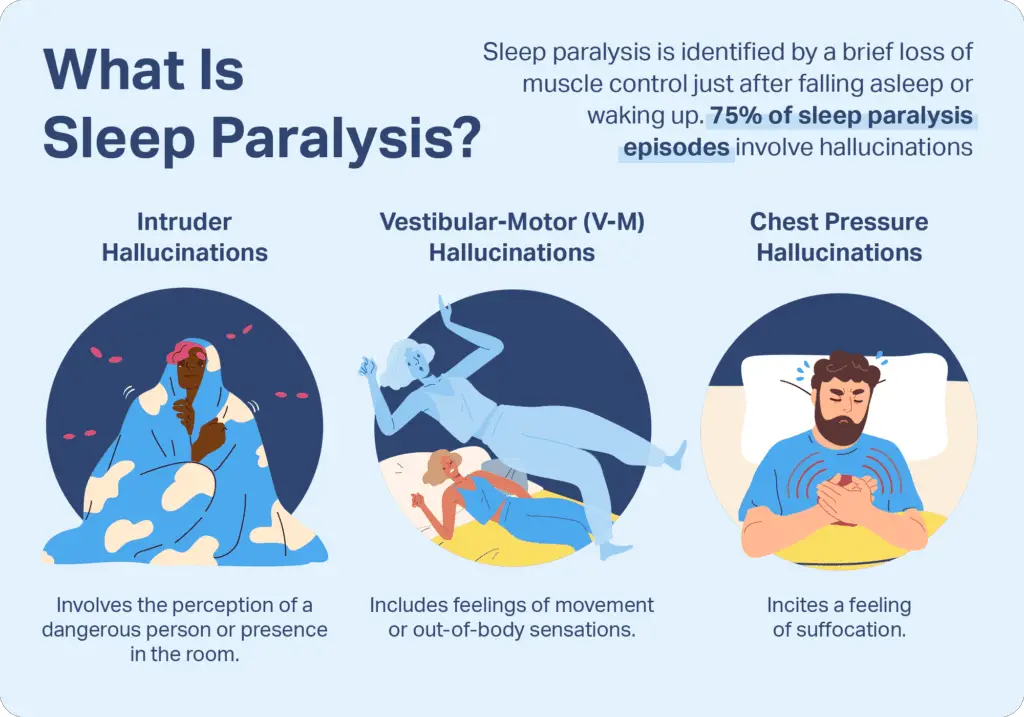
Sleep paralysis is a fascinating phenomenon that occurs when the body is temporarily immobilized during the transition between sleep and wakefulness, leaving you unable to move or speak. Although it may sound unsettling, it is a relatively common experience that can happen to anyone. In this article, you will learn about several practical tips and strategies that can help you manage sleep paralysis and minimize its impact on your overall sleep quality and well-being. By understanding the causes and triggers of sleep paralysis, as well as implementing effective coping mechanisms, you can regain control over this peculiar state and experience a restful night’s sleep.
Understanding Sleep Paralysis
Definition of Sleep Paralysis
Sleep paralysis is a phenomenon characterized by the temporary inability to move or speak while falling asleep or waking up. It can last from a few seconds to a few minutes and is often accompanied by a feeling of pressure on the chest and a sense of impending doom. Sleep paralysis occurs when the brain transitions between sleep and wakefulness, and the body is temporarily disconnected from voluntary muscle control.
Causes of Sleep Paralysis
The exact cause of sleep paralysis is not fully understood, but there are several factors that contribute to its occurrence. One common cause is sleep deprivation, as a lack of sleep can disrupt the normal sleep-wake cycle and increase the likelihood of experiencing sleep paralysis. Other factors include irregular sleep patterns, stress, anxiety, narcolepsy, and certain medications. Sleep paralysis is also more common in individuals with a family history of the condition.
Types of Sleep Paralysis
There are two main types of sleep paralysis: isolated sleep paralysis and recurrent sleep paralysis. Isolated sleep paralysis occurs sporadically and is not associated with any underlying medical conditions. Recurrent sleep paralysis, on the other hand, is characterized by frequent episodes of sleep paralysis and is often linked to narcolepsy or other sleep disorders. Understanding the type of sleep paralysis one experiences can help in devising an appropriate management strategy.
Recognizing Sleep Paralysis Symptoms
Physical Symptoms
During a sleep paralysis episode, individuals may experience a range of physical symptoms. These can include muscle weakness, an inability to move or speak, a feeling of pressure on the chest, and difficulty breathing. Some people also report hallucinations, such as seeing or hearing things that are not there. These physical symptoms can be frightening and distressing, but it is important to remember that they are temporary and harmless.
Psychological Symptoms
In addition to physical symptoms, sleep paralysis can also have psychological effects. Many individuals report feeling intense fear or panic during an episode, often due to the hallucinations and disorientation that can accompany sleep paralysis. Other psychological symptoms may include a sense of being watched, a feeling of impending doom, or an overwhelming sense of dread. These symptoms can vary in intensity and duration, but they generally subside once the episode has ended.
Frequency and Duration of Episodes
The frequency and duration of sleep paralysis episodes can vary widely among individuals. Some people may experience sleep paralysis only once or twice in their lifetime, while others may experience it more frequently. The duration of an episode can range from a few seconds to several minutes. Understanding the frequency and duration of sleep paralysis episodes can help individuals better manage and cope with the condition.
Creating a Sleep-Friendly Environment
Establish a Consistent Sleep Schedule
Maintaining a consistent sleep schedule is essential for promoting healthy sleep and reducing the likelihood of experiencing sleep paralysis. Going to bed and waking up at the same time every day helps regulate the sleep-wake cycle and promotes a more restful sleep. By establishing a consistent sleep schedule, you are allowing your body to develop a natural rhythm, which can prevent disruptions in the transition between sleep and wakefulness.
Create a Relaxing Bedroom Atmosphere
Creating a calm and relaxing bedroom environment can contribute to a more peaceful sleep. Keep your bedroom cool, dark, and quiet to create an optimal sleep environment. Use blackout curtains or an eye mask to block out any light that may interfere with your sleep. Consider using earplugs or a white noise machine to mask any disruptive sounds. A peaceful and comfortable bedroom atmosphere can promote deeper sleep and reduce the likelihood of experiencing sleep paralysis.
Reduce Noise and Light
Noise and light can disrupt sleep and increase the chances of experiencing sleep paralysis. Take steps to reduce noise and light in your sleep environment. Use earplugs or a white noise machine to block out any external noises that may disturb your sleep. Additionally, invest in light-blocking curtains or an eye mask to eliminate any sources of light that may enter your bedroom. By minimizing noise and light, you can create a more conducive environment for quality sleep.
Invest in a Comfortable Mattress and Pillows
The quality of your mattress and pillows can significantly impact your sleep. Invest in a supportive mattress and comfortable pillows that suit your individual needs and preferences. A mattress that provides proper spinal alignment and pressure relief can help prevent discomfort and promote restful sleep. Similarly, pillows that offer adequate neck and head support can contribute to a more comfortable sleep posture. By investing in a quality mattress and pillows, you can improve the overall quality of your sleep and reduce the likelihood of sleep paralysis episodes.
Developing Healthy Sleep Habits
Limit Caffeine and Alcohol Consumption
Caffeine and alcohol are known to disrupt sleep patterns and can contribute to the occurrence of sleep paralysis. Avoid consuming caffeine-containing beverages, such as coffee or energy drinks, in the evening or close to bedtime. Similarly, limit your alcohol intake, as alcohol can negatively affect the quality of your sleep. By reducing your consumption of caffeine and alcohol, you are giving your body a better chance of achieving restful and uninterrupted sleep.
Avoid Heavy Meals Before Bed
Eating a heavy meal before bed can lead to discomfort and indigestion, making it difficult to fall asleep and increasing the risk of sleep paralysis. Avoid consuming large meals or spicy foods close to bedtime. Instead, opt for lighter, easily digestible snacks that won’t cause discomfort or disrupt sleep. By avoiding heavy meals before bed, you can promote a more restful sleep and reduce the likelihood of sleep paralysis episodes.
Exercise Regularly, but Not Too Close to Bedtime
Regular exercise has been shown to improve sleep quality and can help regulate the sleep-wake cycle. Engage in moderate-intensity exercise on a regular basis to promote better sleep. However, it is important to avoid exercising too close to bedtime, as the stimulation from physical activity can make it difficult to fall asleep. Aim to finish exercising at least a few hours before bed to allow your body to wind down and prepare for sleep.
Manage Stress and Anxiety
Stress and anxiety can disrupt sleep and increase the likelihood of sleep paralysis. Engage in stress management techniques, such as deep breathing exercises, meditation, or journaling, to help relax your mind and body before bed. Establish a bedtime routine that includes activities that promote relaxation and stress reduction, such as reading a book or taking a warm bath. By managing stress and anxiety levels, you can create a more conducive environment for healthy sleep and reduce the occurrence of sleep paralysis.
Practice Relaxation Techniques
Incorporating relaxation techniques into your daily routine can help prepare your body for sleep and reduce the risk of sleep paralysis. Try progressive muscle relaxation, deep breathing exercises, or guided imagery to relax your body and calm your mind before bed. These techniques can help induce a state of relaxation and promote a more restful sleep. By practicing relaxation techniques regularly, you can develop healthy sleep habits and minimize the occurrence of sleep paralysis episodes.
Managing Sleep Paralysis Episodes
Stay Calm and Try to Relax
During a sleep paralysis episode, it is important to stay calm and avoid panicking. Remind yourself that the episode is temporary and will pass. Focus on relaxing your mind and body, and try to remain as calm as possible. By staying calm, you can prevent the episode from becoming more distressing and shorten its duration.
Focus on Controlling Your Breathing
Controlling your breathing during a sleep paralysis episode can help alleviate feelings of suffocation or discomfort. Take slow, deep breaths and focus on your breath as a way to ground yourself. By consciously controlling your breathing, you can promote a sense of relaxation and help reduce the physical symptoms associated with sleep paralysis.
Attempt Small Movements to Break Paralysis
While it may be difficult to move during a sleep paralysis episode, attempting small movements can help break the paralysis and regain control over your body. Wiggle your fingers or toes, or try to focus on moving a specific body part. The act of attempting movement can send signals to your brain that can help interrupt the paralysis. With practice, you may find it easier to break the paralysis and regain normal mobility.
Use Mental Techniques to Shift Focus
During a sleep paralysis episode, it can be helpful to shift your focus away from the physical sensations and hallucinations. Try redirecting your thoughts to a positive or calming image, or engage in mental affirmations to help shift your attention. By using mental techniques to shift your focus, you can help minimize the psychological distress associated with sleep paralysis.
Seek Support from a Partner or Roommate
If you frequently experience sleep paralysis, consider seeking support from a partner or roommate. Discuss your experiences with them and let them know how they can assist you during an episode. Having someone nearby who understands and can provide reassurance can help reduce feelings of fear or panic. By sharing your experiences and seeking support, you can better manage sleep paralysis episodes.
Seeking Professional Help
Consult with a Healthcare Provider
If sleep paralysis episodes persist or significantly interfere with your daily life, it may be beneficial to consult with a healthcare provider. They can evaluate your symptoms, medical history, and sleep patterns to provide recommendations or refer you to a sleep specialist. A healthcare provider can also help rule out any underlying sleep disorders or medical conditions that may be contributing to sleep paralysis.
Consider Sleep Studies or Sleep Clinics
In some cases, undergoing a sleep study or visiting a sleep clinic may be necessary to obtain a more accurate diagnosis and gain insights into the potential causes of sleep paralysis. These specialized facilities can monitor your sleep patterns, brain activity, and body movements during a night of sleep. The data collected can help identify any underlying sleep disorders or abnormalities that may be contributing to your sleep paralysis episodes.
Explore Medication Options
In certain situations, medications may be prescribed to help manage sleep paralysis. These medications can help regulate sleep patterns, reduce the frequency of sleep paralysis episodes, or address any underlying conditions contributing to the condition. A healthcare provider or sleep specialist can discuss the potential benefits and risks of medication options and determine if they are appropriate for your specific case.
Exploring Alternative Therapies
Try Cognitive Behavioral Therapy
Cognitive-behavioral therapy (CBT) is a widely recognized and effective treatment for various sleep disorders, including sleep paralysis. CBT aims to identify and modify negative thought patterns and behaviors that can contribute to sleep disturbances. Through therapy sessions with a qualified professional, individuals can learn coping strategies and relaxation techniques to manage sleep paralysis episodes and improve overall sleep quality.
Experiment with Herbal Supplements
Some individuals find relief from sleep paralysis symptoms by using certain herbal supplements. Chamomile, valerian root, and lavender are commonly used for their calming and sleep-promoting properties. However, it is important to consult with a healthcare provider before starting any herbal supplement regimen to ensure they are safe and appropriate for your specific situation.
Explore Hypnotherapy
Hypnotherapy is a complementary therapy that uses guided relaxation, focused attention, and positive suggestion to promote better sleep. It may be helpful for individuals experiencing sleep paralysis to explore hypnotherapy as a possible treatment option. Working with a certified hypnotherapist can help identify and address any underlying psychological factors contributing to sleep paralysis episodes and develop personalized strategies to manage and reduce their occurrence.
Maintaining a Sleep Diary
Document Sleep Patterns and Paralysis Episodes
Keeping a sleep diary can be a helpful tool in identifying patterns or triggers associated with sleep paralysis. Record the time you go to bed, the time you wake up, and any sleep paralysis episodes you experience. Include details about the duration and intensity of each episode, as well as any accompanying symptoms or sensations. By documenting your sleep patterns and paralysis episodes, you can gain valuable insights into your condition.
Identify Triggers or Patterns
Use the information gathered in your sleep diary to identify any potential triggers or patterns that may be contributing to your sleep paralysis. Look for commonalities in your sleep schedule, lifestyle factors, or external influences that may coincide with episodes. Identifying triggers or patterns can help you make informed lifestyle changes or seek appropriate treatment options to manage and reduce the occurrence of sleep paralysis.
Track the Impact of Lifestyle Changes
If you make any changes to your sleep habits, such as implementing a new bedtime routine or trying relaxation techniques, track the impact of these changes in your sleep diary. Note any improvements in sleep quality or reduction in sleep paralysis episodes. By evaluating the effectiveness of lifestyle changes, you can make informed decisions about what practices to continue or modify in your journey towards better sleep.
Sharing Experiences and Finding Support
Join Online Sleep Paralysis Communities
Connecting with others who have experienced sleep paralysis can provide a sense of understanding and support. Joining online sleep paralysis communities or forums can allow you to share your experiences, gain insights from others, and learn about new strategies or coping mechanisms. Engaging with a community of like-minded individuals can help reduce feelings of isolation and provide a supportive network.
Participate in Support Groups
Consider seeking out local support groups for individuals with sleep disorders or sleep paralysis. These groups provide a safe space to share experiences, learn from others, and receive emotional support. Meeting others face-to-face who can relate to your experiences can be invaluable in the journey to managing sleep paralysis.
Talk to Friends and Family for Understanding
Sleep paralysis can be difficult to explain to friends and family who have not experienced it themselves. However, opening up to trusted individuals and educating them about sleep paralysis can help foster understanding and support. Take the time to explain the condition, its symptoms, and its impact on your life. By sharing your experiences with loved ones, you can build a support network that can provide comfort and assistance during sleep paralysis episodes.
Promoting Overall Sleep Health
Educate Yourself About Sleep Hygiene
Understanding the principles of good sleep hygiene is essential for promoting overall sleep health and reducing the likelihood of sleep paralysis. Educate yourself about the various factors that contribute to healthy sleep, such as consistent sleep schedules, a calming sleep environment, and relaxation techniques. By becoming knowledgeable about sleep hygiene, you can make informed choices and prioritize healthy sleep habits.
Prioritize Sleep Quality and Quantity
Make sleep a priority in your daily life by committing to getting enough quality sleep. Aim for the recommended seven to nine hours of sleep per night for adults, adjusting based on your individual needs. Recognize the importance of both quantity and quality of sleep in maintaining overall health and well-being.
Address Any Other Sleep Disorders
If you have been diagnosed with any other sleep disorders, such as narcolepsy or insomnia, it is important to address and manage these conditions. Follow the recommended treatment plans and guidelines provided by healthcare professionals to help minimize the impact of these disorders on your sleep and reduce the occurrence of sleep paralysis.
Adopt Relaxation Techniques for Better Sleep
Incorporate relaxation techniques into your daily routine to promote better sleep overall. Engage in activities such as reading, practicing yoga or meditation, or listening to soothing music before bed. Adopting relaxation techniques can help calm the mind and body, reducing stress and promoting a more restful sleep.
By understanding sleep paralysis, recognizing its symptoms, creating a sleep-friendly environment, developing healthy sleep habits, managing episodes, seeking professional help, exploring alternative therapies, maintaining a sleep diary, finding support, and promoting overall sleep health, individuals can better navigate the challenges associated with sleep paralysis. It is important to remember that while sleep paralysis can be distressing, it is a manageable condition, and there are strategies and resources available to help individuals lead a healthy and well-rested life.