
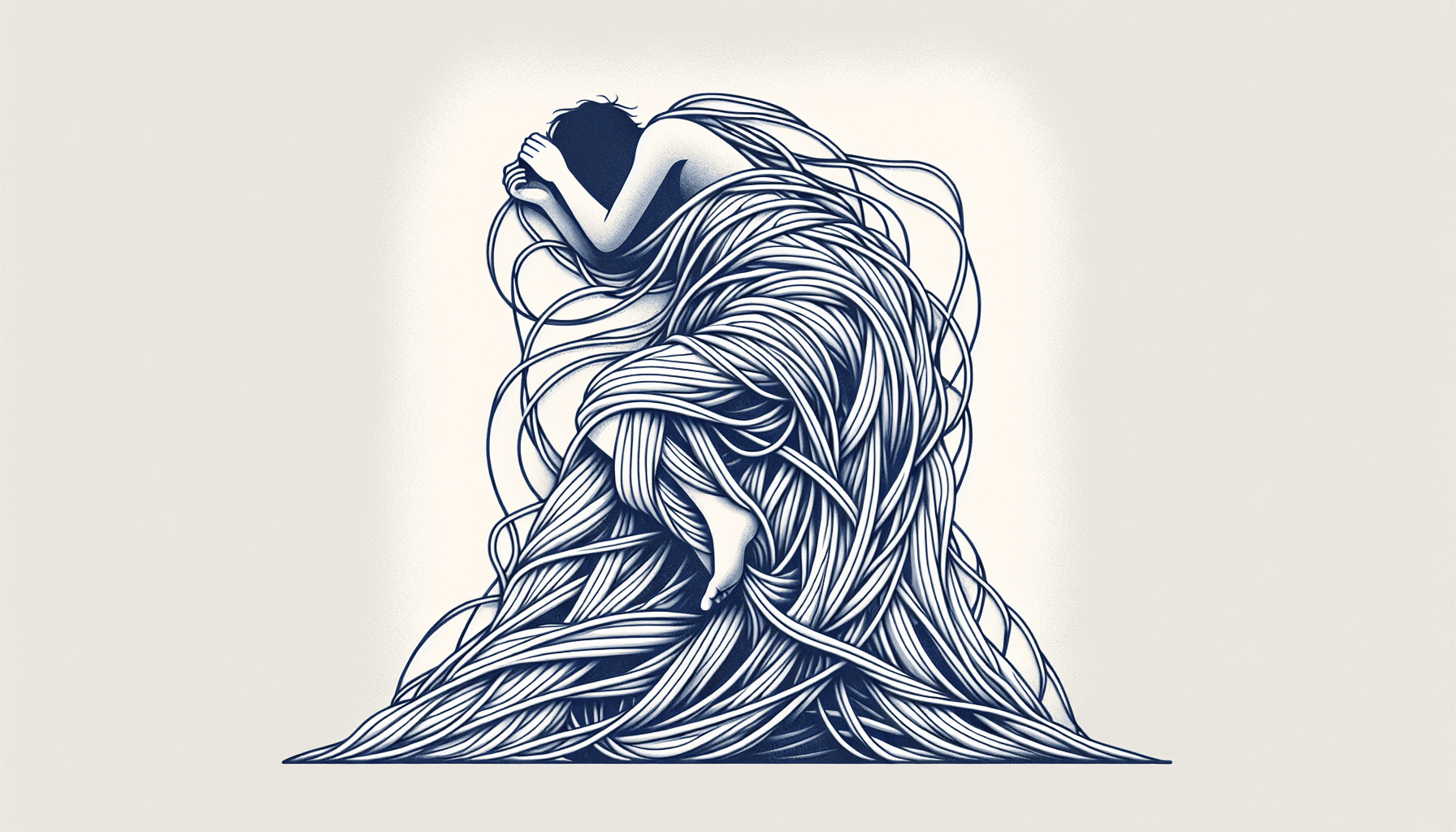
Have you ever experienced sleep paralysis? It can be a terrifying and daunting experience, leaving you feeling helpless and vulnerable as you are unable to move or speak while transitioning between sleep and wakefulness. But have you ever wondered about the potential long-term effects of sleep paralysis on your overall health and well-being? In this article, we will delve into the possible impacts that recurring episodes of sleep paralysis may have on your mental and physical health, as well as ways to cope with and manage this phenomenon.
Understanding Sleep Paralysis
If you have ever woken up from a deep sleep only to find yourself unable to move or speak, you may have experienced sleep paralysis. This phenomenon occurs when your mind wakes up before your body, leading to a temporary paralysis that can last anywhere from a few seconds to a few minutes. It often occurs during the transition between REM (rapid eye movement) sleep and wakefulness, when the body is typically paralyzed to prevent acting out dreams.
What Causes Sleep Paralysis?
Sleep paralysis can be triggered by a variety of factors, including stress, irregular sleep patterns, sleep deprivation, and certain medications. It is also more common in individuals who have insomnia, narcolepsy, or other sleep disorders. Additionally, sleep paralysis may be associated with mental health conditions such as anxiety and depression.
How Does Sleep Paralysis Feel?
During an episode of sleep paralysis, you may feel a sensation of pressure on your chest, as if something is weighing you down. You may also experience hallucinations, such as seeing shadowy figures or hearing strange noises. These hallucinations can be extremely vivid and frightening, adding to the overall sense of fear and helplessness that often accompanies sleep paralysis.
Short-term Effects of Sleep Paralysis
While sleep paralysis is typically a short-lived experience that resolves on its own once you fully wake up, it can have a number of immediate effects on your mental and physical well-being. Understanding these short-term effects can help you better cope with and manage episodes of sleep paralysis when they occur.
Mental Health Impact
The intense fear and helplessness that often accompany sleep paralysis can take a toll on your mental health, leading to increased levels of anxiety, depression, and even PTSD in some cases. Recurring episodes of sleep paralysis can also disrupt your sleep patterns, resulting in daytime fatigue, irritability, and difficulty concentrating.
Physical Impact
Physically, sleep paralysis can leave you feeling exhausted and drained, as if you haven’t slept at all. This can impact your productivity and overall quality of life, making it difficult to focus on daily tasks and activities. In some cases, the physical sensations experienced during sleep paralysis, such as chest pressure and difficulty breathing, can be mistaken for symptoms of a more serious medical condition, leading to unnecessary stress and anxiety.
Long-term Effects of Sleep Paralysis
While most episodes of sleep paralysis are harmless and resolve on their own, recurring episodes of this phenomenon may have more lasting effects on your overall health and well-being. It is important to understand the potential long-term impacts of sleep paralysis in order to prevent and minimize any negative consequences that may arise.
Sleep Disorders
Individuals who experience frequent episodes of sleep paralysis may be at an increased risk of developing sleep disorders such as insomnia, narcolepsy, and sleep apnea. These conditions can further disrupt sleep patterns and lead to a cycle of poor sleep quality and daytime fatigue, exacerbating the effects of sleep paralysis on mental and physical health.
Psychological Distress
The fear and anxiety associated with sleep paralysis can result in significant psychological distress over time, impacting your overall emotional well-being and quality of life. Recurring episodes of sleep paralysis may contribute to the development of anxiety disorders, panic attacks, and other mental health conditions, further complicating the management of this phenomenon.
Relationship Impact
The disruptive nature of sleep paralysis can also have a negative impact on your relationships with others, particularly if your sleep paralysis episodes occur during shared sleep environments. Partners or family members who witness your episodes of sleep paralysis may not understand the phenomenon, leading to misunderstandings, frustration, and tension in relationships. Open communication and education about sleep paralysis can help alleviate these relationship challenges.
Coping Strategies for Sleep Paralysis
Although sleep paralysis can be a frightening and unsettling experience, there are several coping strategies that you can utilize to help manage and reduce the frequency of episodes. By incorporating these strategies into your nightly routine, you may be able to minimize the impact of sleep paralysis on your mental and physical health.
Improve Sleep Hygiene
Establishing a consistent sleep schedule, creating a relaxing bedtime routine, and optimizing your sleep environment can help improve your overall sleep quality and reduce the likelihood of experiencing sleep paralysis. Avoiding stimulants such as caffeine and alcohol before bedtime, limiting screen time before sleep, and practicing relaxation techniques such as deep breathing or meditation can also promote better sleep hygiene.
Address Underlying Health Conditions
If you have a known sleep disorder or mental health condition that may be contributing to your episodes of sleep paralysis, seeking treatment from a healthcare professional is essential. Proper management of underlying health conditions such as insomnia, anxiety, or depression can help reduce the frequency and severity of sleep paralysis episodes.
Manage Stress and Anxiety
Stress and anxiety are common triggers for sleep paralysis, so learning to manage these emotions can help prevent episodes from occurring. Engaging in stress-reducing activities such as exercise, yoga, or mindfulness meditation, as well as attending therapy or counseling sessions, can help you cope with stress and anxiety in a healthy way.
Healthy Lifestyle Choices
Maintaining a healthy lifestyle that includes regular exercise, a balanced diet, and adequate hydration can improve your overall physical and mental well-being, reducing the likelihood of experiencing sleep paralysis. Avoiding excessive alcohol consumption, smoking, and substance abuse can also help minimize the impact of sleep paralysis on your health.
Seeking Professional Help
If you are experiencing frequent or severe episodes of sleep paralysis that are significantly impacting your mental and physical health, it is important to seek help from a healthcare professional. A sleep specialist or mental health provider can work with you to develop a personalized treatment plan that addresses the underlying causes of your sleep paralysis and helps you manage the symptoms effectively.
Medical Intervention
In some cases, medication or therapy may be recommended to help manage the symptoms of sleep paralysis and any underlying conditions that may be contributing to the phenomenon. Your healthcare provider can prescribe medications to regulate sleep patterns, alleviate anxiety, or treat any co-occurring sleep disorders that may be exacerbating your symptoms.
Therapy and Counseling
Therapy and counseling can be valuable tools in helping you cope with the emotional impact of sleep paralysis and develop healthy coping mechanisms for managing episodes. Cognitive-behavioral therapy (CBT), in particular, has been shown to be effective in treating anxiety disorders, insomnia, and other conditions that may be associated with sleep paralysis.
Sleep Studies
If your healthcare provider suspects that an underlying sleep disorder is contributing to your episodes of sleep paralysis, they may recommend a sleep study to assess your sleep patterns and identify any abnormalities. A sleep study can provide valuable information about the quality of your sleep and help guide treatment options for improving your overall sleep health.
Conclusion
Sleep paralysis is a common and often misunderstood phenomenon that can have both short-term and long-term effects on your mental and physical health. By understanding the potential impacts of sleep paralysis and implementing effective coping strategies, you can reduce the frequency of episodes and minimize the negative consequences on your overall well-being. If you are struggling to manage your sleep paralysis symptoms, don’t hesitate to seek help from a healthcare professional who can provide guidance and support tailored to your individual needs. Remember, you are not alone in your experience of sleep paralysis, and there are resources available to help you navigate this challenging phenomenon.