
Have you ever woken up in the middle of the night unable to move, with a sense of dread looming over you? You might have experienced sleep paralysis. But what exactly is sleep paralysis, and why does it happen? Let’s unravel the truth together.
What is Sleep Paralysis?
Sleep paralysis is a phenomenon that occurs when a person wakes up but is temporarily unable to move or speak. It typically happens when you are falling asleep or waking up, during the transition between sleep stages. This can be a frightening experience, as you are conscious but unable to move your body.
Understanding the Science Behind Sleep Paralysis
During sleep, your body goes through different stages, including rapid eye movement (REM) sleep and non-REM sleep. In REM sleep, your brain is active, but your muscles are paralyzed to prevent you from acting out your dreams. Sleep paralysis occurs when this muscle paralysis persists even after you wake up from REM sleep, leading to the feeling of being trapped in your own body.
Understanding the science behind sleep paralysis can help alleviate some of the fear associated with this experience. It is a normal part of the sleep cycle and usually does not cause any harm.
Common Misconceptions About Sleep Paralysis
There are many misconceptions surrounding sleep paralysis, which can contribute to the fear and anxiety associated with it. Let’s debunk some of these myths and shed light on the truth behind sleep paralysis.
Myth #1: Sleep Paralysis is a Sign of a Paranormal Experience
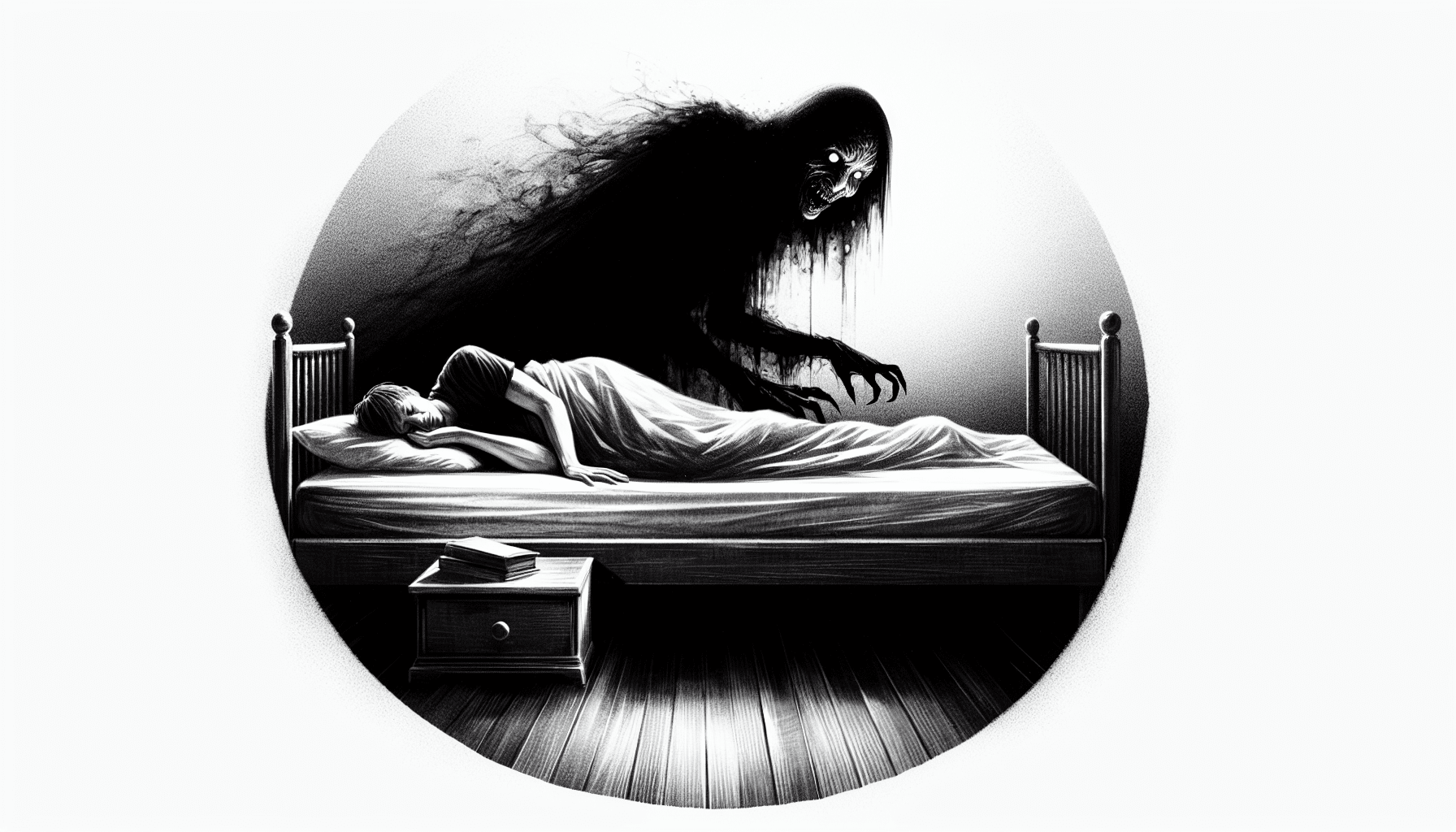
One of the most common misconceptions about sleep paralysis is that it is caused by paranormal entities or demonic forces. In reality, sleep paralysis is a natural phenomenon that occurs due to the body’s transition between sleep stages. The feeling of a presence in the room or a weight on your chest during sleep paralysis is often attributed to hallucinations that can occur during this state.
Understanding that sleep paralysis is a physiological process rather than a supernatural occurrence can help ease the fear associated with it. By recognizing the scientific basis of sleep paralysis, you can approach the experience with a more rational mindset.
Myth #2: Sleep Paralysis is Rare
Another misconception about sleep paralysis is that it is a rare phenomenon. In fact, studies have shown that a significant portion of the population experiences sleep paralysis at least once in their lifetime. While the frequency of sleep paralysis varies among individuals, it is more common than many people realize.
Knowing that sleep paralysis is a relatively common experience can help normalize the phenomenon and reduce feelings of isolation or abnormality. You are not alone in experiencing sleep paralysis, and many others have gone through similar episodes.
Myth #3: Sleep Paralysis is Dangerous
Some people believe that sleep paralysis is a dangerous condition that can lead to serious health risks. While the experience of sleep paralysis can be distressing and unsettling, it is not inherently harmful. Sleep paralysis is a temporary and self-limiting phenomenon that typically resolves on its own without any lasting effects.
Understanding that sleep paralysis is a benign and transient occurrence can help alleviate some of the anxiety surrounding the experience. By learning more about the nature of sleep paralysis, you can approach it with a sense of reassurance and perspective.
The Causes of Sleep Paralysis
While the exact cause of sleep paralysis is not fully understood, several factors have been identified as potential triggers for this phenomenon. By exploring the possible causes of sleep paralysis, you can gain insight into why it occurs and how it can be managed.
Sleep Deprivation
One of the most common triggers for sleep paralysis is sleep deprivation. When you do not get enough sleep or experience disruptions in your sleep patterns, your body may struggle to transition smoothly between sleep stages, increasing the likelihood of experiencing sleep paralysis.
Disrupted Sleep Patterns
Irregular sleep patterns, such as shift work or jet lag, can also contribute to the occurrence of sleep paralysis. These disruptions can disrupt the natural sleep-wake cycle and make it more difficult for your body to regulate the transitions between sleep stages, increasing the risk of experiencing sleep paralysis.
Stress and Anxiety
Emotional factors, such as stress and anxiety, can play a significant role in the occurrence of sleep paralysis. High levels of stress or anxiety can disrupt your sleep quality and make it more likely for you to experience sleep paralysis episodes. Managing stress and practicing relaxation techniques can help reduce the frequency of sleep paralysis.
Mental Health Conditions
Certain mental health conditions, such as anxiety disorders and post-traumatic stress disorder (PTSD), have been linked to an increased risk of sleep paralysis. These conditions can affect your sleep patterns and increase the likelihood of experiencing episodes of sleep paralysis. Seeking treatment for underlying mental health issues can help manage sleep paralysis symptoms.
Substance Use
The use of certain substances, such as alcohol or drugs, can also influence the occurrence of sleep paralysis. These substances can disrupt your sleep quality and contribute to sleep disturbances that may trigger episodes of sleep paralysis. Avoiding or reducing the use of these substances can help improve your sleep hygiene and reduce the risk of experiencing sleep paralysis.
Understanding the potential causes of sleep paralysis can provide insight into why you may be experiencing this phenomenon. By identifying and addressing these underlying factors, you can take steps to manage and reduce the occurrence of sleep paralysis episodes.
Coping Strategies for Sleep Paralysis
If you frequently experience sleep paralysis and find it distressing, there are several coping strategies that you can employ to help manage this phenomenon. By learning how to cope with sleep paralysis, you can reduce the fear and anxiety associated with the experience.
Maintain a Consistent Sleep Schedule
Establishing a regular sleep schedule can help regulate your sleep-wake cycle and reduce the likelihood of experiencing sleep paralysis. Aim to go to bed and wake up at the same time each day, even on weekends, to help synchronize your body’s internal clock and promote better sleep quality.
Create a Relaxing Sleep Environment
Creating a comfortable and soothing sleep environment can help improve your sleep quality and reduce the occurrence of sleep paralysis. Keep your bedroom dark, quiet, and cool, and use calming scents or white noise machines to create a relaxing atmosphere conducive to sleep.
Practice Stress-Relieving Techniques
Engaging in stress-relieving activities, such as meditation, yoga, or deep breathing exercises, can help reduce your overall stress levels and improve your sleep quality. Incorporate these techniques into your daily routine to promote relaxation and lower the risk of experiencing sleep paralysis.
Seek Professional Help
If you are experiencing frequent and distressing episodes of sleep paralysis, it may be helpful to seek professional help from a healthcare provider or sleep specialist. They can conduct a thorough evaluation of your symptoms and provide personalized recommendations for managing sleep paralysis.
Discuss Your Experiences with Others
Talking to friends, family members, or support groups about your experiences with sleep paralysis can help you feel less isolated and more understood. Sharing your feelings and experiences with others can provide emotional support and validation, helping you cope with the challenges of sleep paralysis.
Conclusion
Sleep paralysis is a common phenomenon that can be frightening and unsettling, but with the right knowledge and coping strategies, you can learn to manage and reduce the occurrence of these episodes. By understanding the science behind sleep paralysis, debunking common misconceptions, exploring the potential causes, and implementing coping strategies, you can navigate this experience with greater ease and confidence. Remember that you are not alone in experiencing sleep paralysis, and there are resources and support available to help you cope with this phenomenon. Next time you find yourself in the grip of sleep paralysis, arm yourself with the information and strategies you need to navigate this challenging experience with resilience and empowerment.