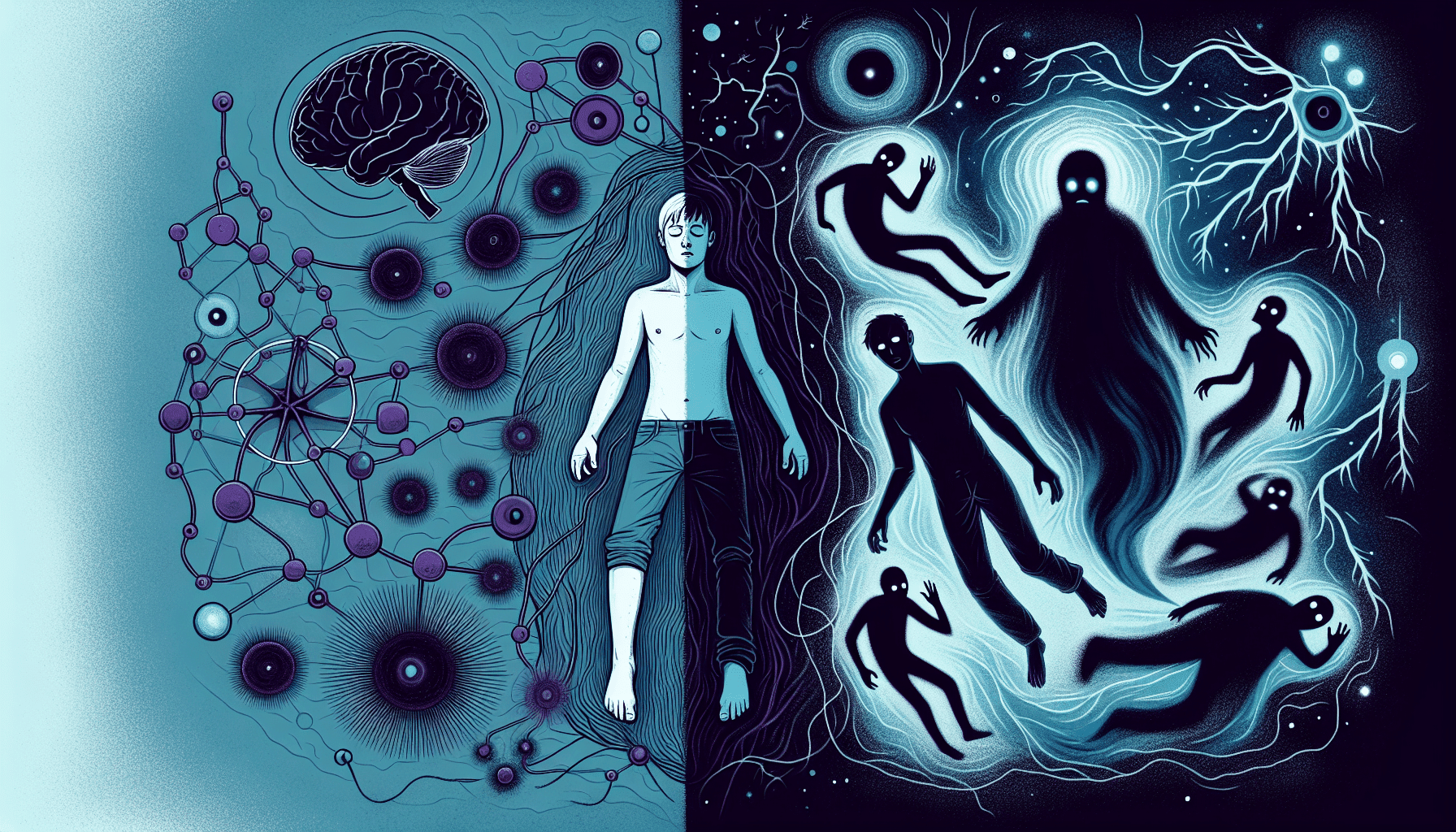
Is Sleep Paralysis Related To Supernatural Experiences?
Have you ever woken up in the middle of the night unable to move or speak, experiencing a sense of fear or a presence in the room? This phenomenon is known as sleep paralysis, and many people have reported feeling as if they are experiencing something supernatural during these episodes. But is there any scientific basis to the connection between sleep paralysis and supernatural experiences? Let’s explore this fascinating topic together.

Understanding Sleep Paralysis
Sleep paralysis is a phenomenon that occurs when a person temporarily experiences an inability to move or speak while falling asleep or waking up. This can be accompanied by hallucinations, such as seeing or feeling a presence in the room. It usually lasts for a few seconds to a few minutes, but during this time, the individual is fully conscious but unable to move.
It is thought to occur when the body is transitioning between stages of sleep and wakefulness, particularly during rapid eye movement (REM) sleep. During REM sleep, the body is typically paralyzed to prevent individuals from acting out their dreams. In some cases, this paralysis can carry over into the waking state, resulting in sleep paralysis.
Your Experience with Sleep Paralysis
If you have ever experienced sleep paralysis, you may have felt a sense of terror or a feeling of being watched by an unseen presence. These feelings can be incredibly intense and can be accompanied by vivid hallucinations that seem incredibly real. It’s essential to remember that these experiences are a result of the brain’s sleep-wake cycle and are not indicative of anything supernatural.
Common Hallucinations During Sleep Paralysis
During episodes of sleep paralysis, it is common for individuals to experience hallucinations that can be visual, auditory, or tactile. These hallucinations can manifest in various forms, but some common themes include:
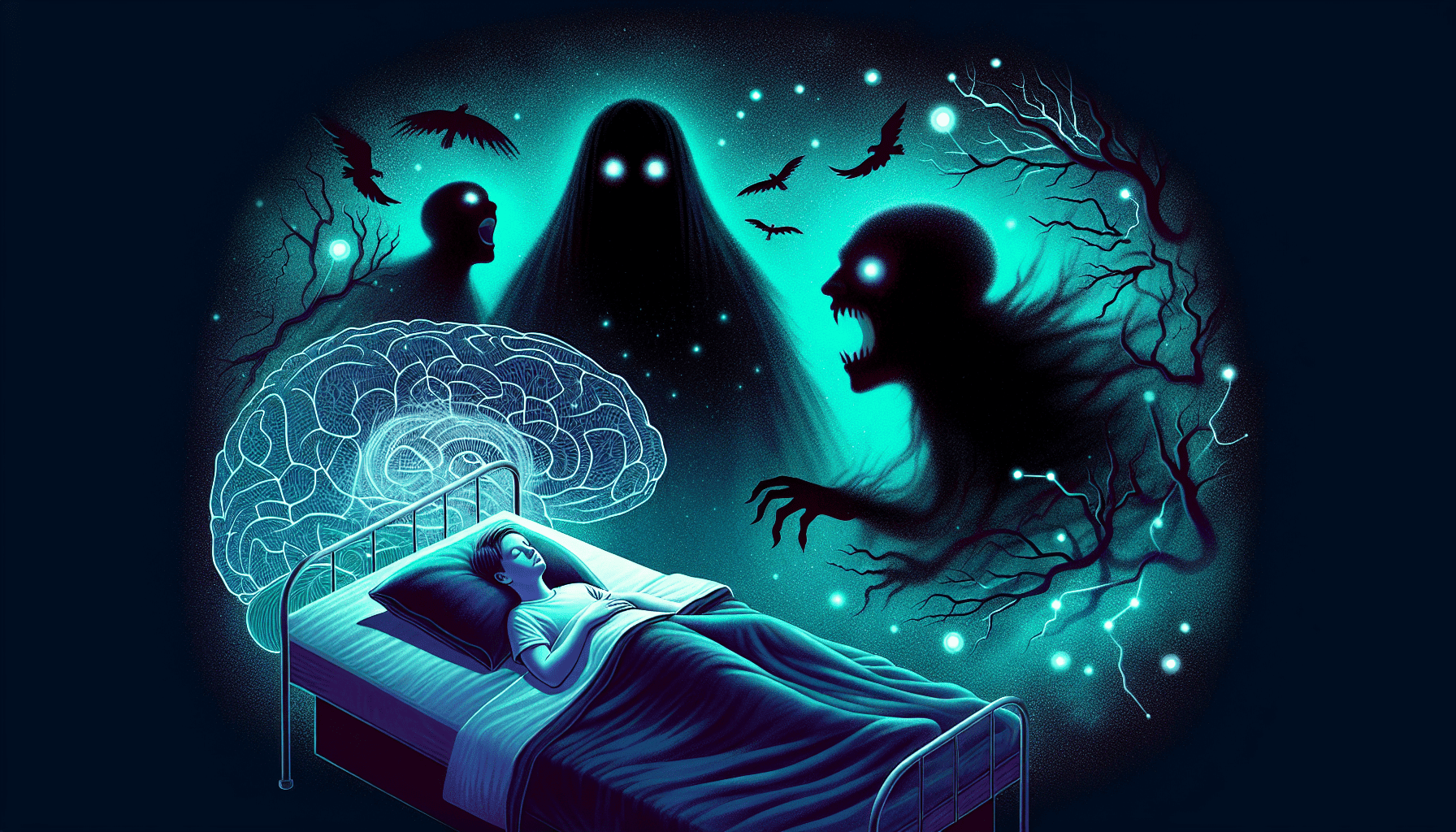
- Seeing shadowy figures or dark entities in the room
- Feeling as if someone is sitting on your chest or choking you
- Hearing whispers, laughter, or other sounds that aren’t there
- Sensing a malevolent presence in the room
These hallucinations can feel incredibly vivid and can be terrifying for those experiencing sleep paralysis. While these experiences may feel supernatural, they are a result of the brain’s misinterpretation of sensory input during the sleep-wake cycle.
Coping with Hallucinations
If you frequently experience hallucinations during sleep paralysis, it can be helpful to remind yourself that these experiences are not real and are a common symptom of the phenomenon. Practice relaxation techniques, such as deep breathing or visualization, to calm yourself during these episodes. Remember, the hallucinations cannot harm you, and they will pass as the sleep paralysis episode ends.

The Link Between Sleep Paralysis and Supernatural Experiences
Many individuals who have experienced sleep paralysis report feeling as if they have encountered something supernatural during these episodes. This connection has given rise to various folklore and beliefs surrounding sleep paralysis, such as the idea of demonic visitations or alien abductions. However, there is no scientific evidence to support the idea that sleep paralysis is caused by supernatural forces.
The Influence of Culture and Beliefs
The interpretation of sleep paralysis experiences as supernatural phenomena is often influenced by cultural beliefs and personal experiences. In cultures where belief in ghosts, spirits, or demons is prevalent, individuals may be more likely to interpret their sleep paralysis episodes as encounters with these entities. Similarly, personal beliefs and experiences can shape how individuals perceive and make sense of their sleep paralysis experiences.
Seeking Rational Explanations
While the connection between sleep paralysis and supernatural experiences is widespread in folklore and popular culture, it’s essential to seek rational explanations for these phenomena. Scientific research has shown that sleep paralysis is a natural and well-documented occurrence with roots in the brain’s sleep-wake cycle, rather than supernatural causes. By understanding the science behind sleep paralysis, individuals can alleviate fears and misconceptions about these experiences.

Overcoming Fear and Anxiety Related to Sleep Paralysis
Experiencing sleep paralysis can be a frightening and unsettling experience, especially when accompanied by hallucinations or a sense of a supernatural presence. However, there are techniques you can use to overcome fear and anxiety related to sleep paralysis and improve your overall sleep quality.
Establishing a Relaxing Bedtime Routine
Creating a calming bedtime routine can help reduce anxiety and stress, making it easier to fall asleep and decrease the likelihood of experiencing sleep paralysis. Incorporate activities such as reading, listening to soothing music, or practicing meditation to relax your mind and body before bedtime.
Improving Sleep Hygiene
Maintaining healthy sleep habits, known as sleep hygiene, is essential for promoting restful sleep and reducing the occurrence of sleep paralysis. Ensure your sleep environment is conducive to relaxation, with a comfortable mattress, minimal noise, and optimal room temperature. Avoid stimulants like caffeine and electronics close to bedtime to improve your sleep quality.
Seeking Professional Help
If you experience frequent episodes of sleep paralysis accompanied by intense fear or anxiety, consider seeking help from a healthcare professional. A healthcare provider can assess your symptoms, rule out any underlying sleep disorders, and recommend treatment options to improve your sleep quality and overall well-being.
Conclusion
While the connection between sleep paralysis and supernatural experiences is prevalent in folklore and popular culture, scientific research points to a natural explanation for this phenomenon. Understanding the mechanisms behind sleep paralysis can help individuals overcome fear and anxiety related to these experiences and seek appropriate support if needed. By debunking myths and misconceptions surrounding sleep paralysis, you can gain a better understanding of this fascinating yet misunderstood phenomenon. Remember, sleep paralysis is a natural occurrence rooted in the brain’s sleep-wake cycle, and there is no evidence to support supernatural explanations for these experiences.