

Have you ever experienced sleep paralysis? It can be a terrifying and disorienting experience, but fear not! In this article, we will explore ways for you to reclaim control during sleep paralysis and turn it into a more manageable and even empowering experience. Read on to learn valuable tips and techniques to help you navigate through this challenging phenomenon.
Understanding Sleep Paralysis
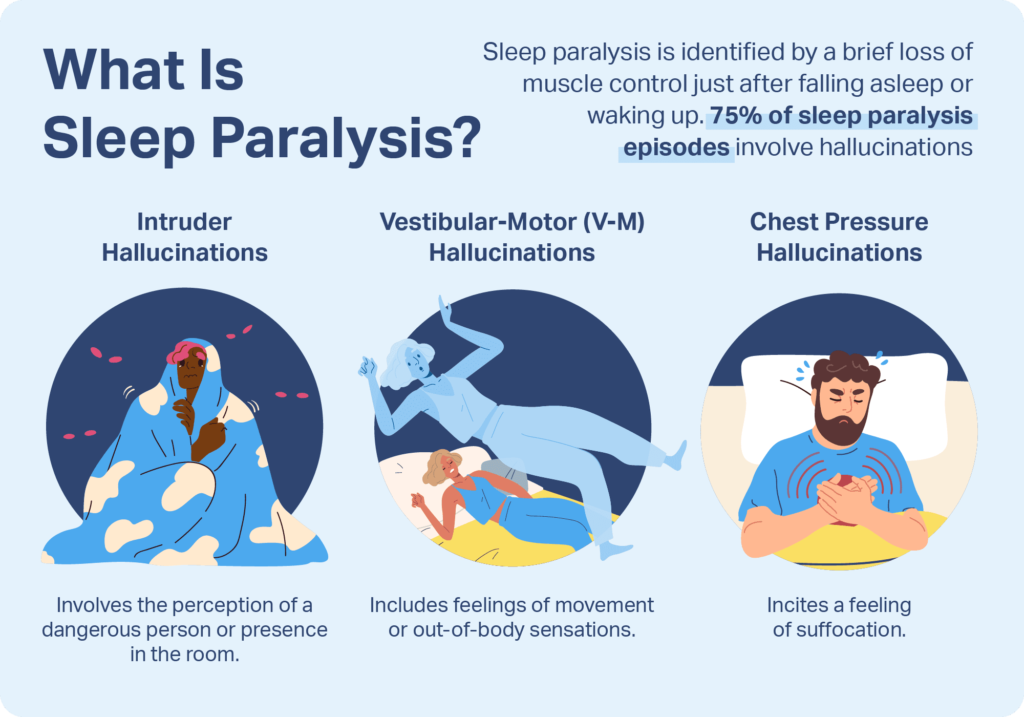
Sleep paralysis is a phenomenon that occurs when you are asleep or waking up. During this state, your body becomes temporarily paralyzed, and you may also experience hallucinations, as if there is a presence in the room. It can be a frightening experience, but it is essential to understand that sleep paralysis is a natural occurrence and not harmful.
What Causes Sleep Paralysis
Sleep paralysis is often linked to disrupted sleep patterns, stress, anxiety, and sleep disorders such as narcolepsy. It can also occur as a result of irregular sleep habits, such as jet lag or changing your sleep schedule. Understanding the underlying causes of sleep paralysis can help you better manage and prevent it from happening.
Recognizing the Symptoms
One of the first steps to reclaiming control during sleep paralysis is to recognize the symptoms. Common symptoms of sleep paralysis include:
- Inability to move or speak
- Feeling of pressure on the chest
- Hallucinations, such as seeing shadowy figures or hearing strange noises
By understanding the symptoms of sleep paralysis, you can become more aware when it is happening and take steps to regain control.
Tips for Recognizing Sleep Paralysis
- Try to stay calm and focused when you experience sleep paralysis.
- Remind yourself that it is a natural occurrence and will pass.
- Focus on your breathing and try to relax your body.

Strategies for Reclaiming Control
While sleep paralysis can be a stressful experience, there are strategies you can use to regain control and make the most of the situation. By implementing these techniques, you can turn sleep paralysis into an opportunity for self-awareness and personal growth.
Visualization Techniques
Visualization techniques can be powerful tools for reclaiming control during sleep paralysis. By visualizing a comforting and familiar place, you can create a sense of safety and security. Imagine yourself in a peaceful setting, such as a beach or a forest, and focus on the details to immerse yourself in the visualization.
Progressive Muscle Relaxation
Progressive muscle relaxation is a technique that involves tensing and relaxing different muscle groups in your body. By focusing on each muscle group individually, you can release tension and promote a sense of relaxation. Start with your toes and work your way up to your head, tensing each muscle group for a few seconds before releasing.
Controlled Breathing Exercises
Controlled breathing exercises can help calm your mind and body during sleep paralysis. Focus on slow, deep breaths and try to regulate your breathing pattern. By concentrating on your breath, you can distract yourself from the feeling of paralysis and induce a state of relaxation.
Positive Affirmations
Positive affirmations can be a powerful tool for overcoming fear and anxiety during sleep paralysis. Repeat positive statements to yourself, such as “I am safe and in control,” or “This too shall pass.” By affirming positive beliefs, you can shift your mindset and empower yourself to reclaim control.

Creating a Safe Sleep Environment
Creating a safe sleep environment can help prevent and manage sleep paralysis episodes. By optimizing your sleep space and routine, you can promote restful sleep and reduce the likelihood of experiencing sleep paralysis.
Tips for Creating a Safe Sleep Environment
- Keep your bedroom dark, quiet, and cool to promote restful sleep.
- Invest in a comfortable mattress and pillows to support your body during sleep.
- Establish a consistent sleep schedule to regulate your circadian rhythm and prevent disruptions in your sleep cycle.
Avoiding Triggers
Identifying and avoiding triggers for sleep paralysis can help minimize the frequency of episodes. Common triggers for sleep paralysis include:
- Disrupted sleep patterns
- Stress and anxiety
- Sleep deprivation
- Certain medications
By recognizing your triggers and taking steps to avoid them, you can reduce the likelihood of experiencing sleep paralysis.

Seeking Professional Help
If you are struggling to cope with sleep paralysis or experiencing frequent episodes, it may be beneficial to seek professional help. A healthcare provider or sleep specialist can assess your symptoms and provide recommendations for managing sleep paralysis effectively.
When to Seek Professional Help
- If you are experiencing severe anxiety or distress during sleep paralysis
- If sleep paralysis is impacting your daily life and causing sleep disturbances
- If you are unable to manage sleep paralysis episodes on your own
A healthcare provider can offer guidance and support to help you navigate through sleep paralysis and improve your overall sleep quality.

Conclusion
Sleep paralysis can be a challenging experience, but with the right techniques and strategies, you can reclaim control and turn it into a manageable and even empowering phenomenon. By understanding the causes and symptoms of sleep paralysis, implementing visualization techniques, progressive muscle relaxation, controlled breathing exercises, and positive affirmations, creating a safe sleep environment, avoiding triggers, and seeking professional help when needed, you can navigate through sleep paralysis with confidence and resilience. Remember, you are not alone in this journey, and with patience and persistence, you can reclaim control during sleep paralysis.