

Can you remember a time when you felt completely powerless, unable to move or speak while fully conscious? If so, you may have experienced sleep paralysis. In this article, we will delve into the fascinating phenomenon of sleep paralysis and how it can affect your sense of control.

What is Sleep Paralysis?
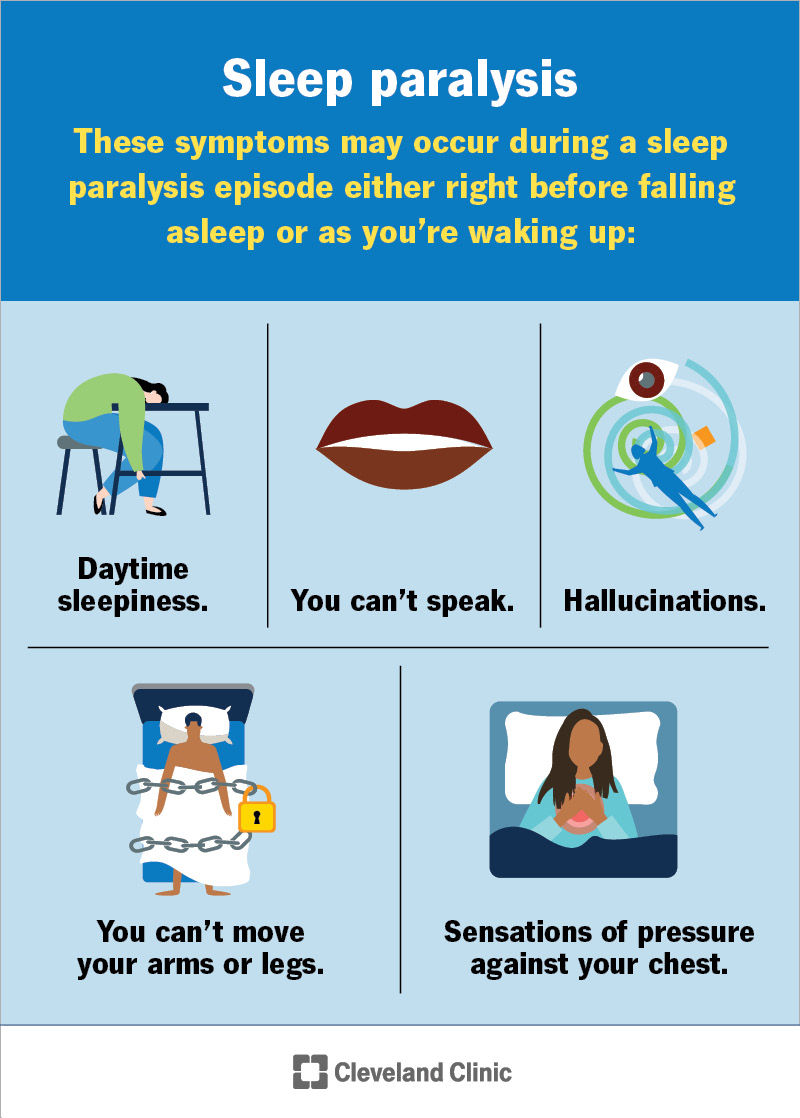
Sleep paralysis is a temporary inability to move or speak that occurs when you are waking up or falling asleep. During these episodes, you may feel paralyzed, have difficulty breathing, and even hallucinate. It can be a truly terrifying experience for those who have never encountered it before.
How Does Sleep Paralysis Happen?
When you sleep, your body goes through different stages, including REM (rapid eye movement) sleep. During REM sleep, your brain is active, but your body is not, which prevents you from acting out your dreams. In some cases, your mind may wake up before your body fully exits REM sleep, leading to sleep paralysis.
Common Symptoms of Sleep Paralysis
Symptoms of sleep paralysis can vary from person to person, but some of the most common include:
- Feeling an intense pressure on your chest
- Sensing a presence in the room
- Hearing strange noises or voices
- Experiencing visual hallucinations
- Feeling a strong sense of fear or impending doom
How Sleep Paralysis Affects Your Sense of Control
Now that we have a better understanding of what sleep paralysis is, let’s explore how it can impact your sense of control.
Loss of Physical Control
One of the most unsettling aspects of sleep paralysis is the feeling of being completely powerless. You may try to move or speak, but your body simply will not respond. This loss of physical control can be deeply distressing and can leave you feeling vulnerable and helpless.
Loss of Emotional Control
In addition to the physical aspects of sleep paralysis, there can also be a significant emotional toll. The intense fear and panic that can accompany sleep paralysis can be overwhelming, leading to a loss of emotional control. It can be challenging to remain calm and rational when faced with such a frightening experience.
Impact on Daily Life
For many people, the effects of sleep paralysis extend beyond the individual episodes themselves. The fear of experiencing sleep paralysis again can lead to anxiety, insomnia, and other sleep-related issues. This constant worry can take a toll on your mental and emotional well-being, as well as your overall quality of life.

Coping with Sleep Paralysis
While sleep paralysis can be a frightening and unsettling experience, there are some strategies you can use to cope with it.
Improve Your Sleep Hygiene
Establishing good sleep habits can help reduce the frequency and severity of sleep paralysis episodes. Make sure you are getting enough rest each night, sticking to a regular sleep schedule, and creating a calming bedtime routine.
Reduce Stress and Anxiety
Stress and anxiety can exacerbate sleep paralysis, so finding ways to manage these emotions is crucial. Practice relaxation techniques such as deep breathing, meditation, or yoga to help calm your mind and body.
Seek Support
If you are struggling to cope with sleep paralysis on your own, consider reaching out for support. Talking to a therapist or joining a support group can provide you with coping strategies, as well as a sense of community with others who have experienced similar challenges.
Conclusion
Sleep paralysis can have a profound impact on your sense of control, both physically and emotionally. By understanding the causes and symptoms of sleep paralysis, and implementing coping strategies, you can regain a sense of empowerment and reduce the fear and anxiety associated with this phenomenon. Remember, you are not alone in your experiences, and there is support available to help you navigate this challenging aspect of sleep.
