
In this article, you will delve into the intricate world of sleep paralysis and gain a comprehensive understanding of its symptoms. Sleep paralysis is a phenomenon that occurs when an individual is unable to move or speak while falling asleep or waking up. During these episodes, individuals may also experience hallucinations or feelings of pressure on their chest. By exploring the various symptoms associated with sleep paralysis, you will be equipped with the knowledge to recognize and potentially manage this alarming occurrence. Have you ever woken up in the middle of the night only to find that you cannot move your body or speak? You may have experienced a phenomena known as sleep paralysis. In this article, we will delve deep into the symptoms of sleep paralysis to help you better understand this mysterious and often frightening condition.

What is Sleep Paralysis?
Sleep paralysis is a phenomenon in which an individual experiences temporary paralysis of the body upon falling asleep or waking up. During episodes of sleep paralysis, the person may be unable to move or speak for a few seconds to a few minutes, leading to feelings of fear, anxiety, and helplessness.
Understanding the Basics
Sleep paralysis occurs when the brain and body are in a state of transition between wakefulness and sleep. Normally, during rapid eye movement (REM) sleep, the body enters a state of muscle atonia, or temporary paralysis, to prevent the acting out of dreams. In individuals with sleep paralysis, this muscle atonia may persist even as they become conscious, resulting in the inability to move or speak.
Symptoms of Sleep Paralysis
1. Muscle Weakness
One of the hallmark symptoms of sleep paralysis is muscle weakness or paralysis. Upon waking up or falling asleep, you may find that you are unable to move your body, no matter how hard you try. This sensation of being trapped in your own body can be incredibly frightening and disorienting.
2. Hallucinations
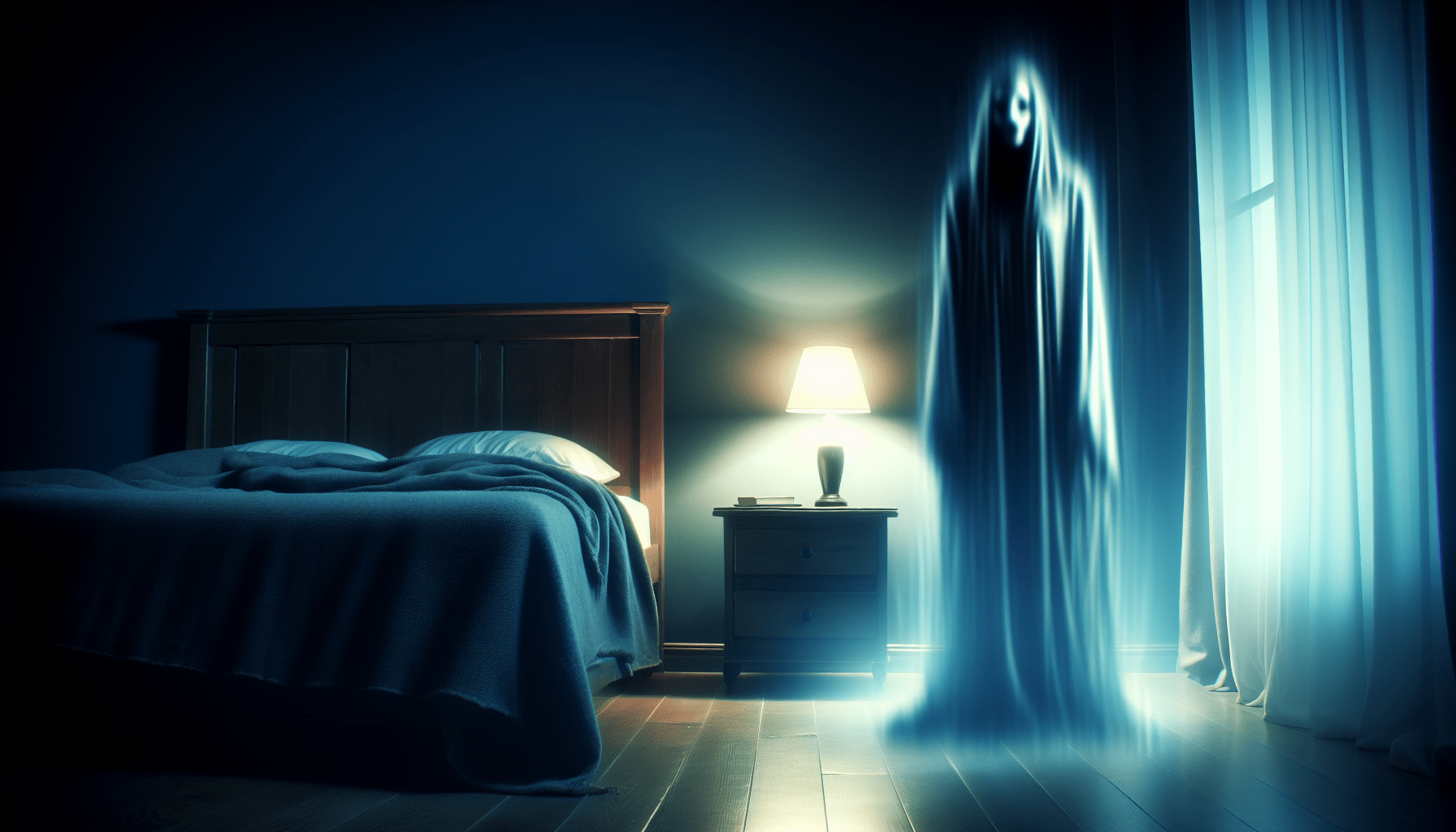
Another common symptom of sleep paralysis is hallucinations, which can be either auditory or visual in nature. These hallucinations are often vivid and dream-like, leading to sensations of seeing or hearing things that are not really there. Some individuals report seeing shadowy figures or hearing strange noises during episodes of sleep paralysis.
3. Feeling of Pressure on the Chest
During episodes of sleep paralysis, many people report feeling a sensation of pressure on their chest, as if someone or something is sitting on top of them. This feeling of being weighed down can exacerbate feelings of fear and panic, making the experience even more distressing.
4. Difficulty Breathing
Due to the paralysis of the chest muscles during sleep paralysis, some individuals may also experience difficulty breathing. This sensation of being unable to take a deep breath can further contribute to feelings of panic and anxiety during an episode of sleep paralysis.
Causes of Sleep Paralysis
1. Disrupted Sleep Patterns
Sleep paralysis is often linked to disrupted sleep patterns, such as irregular sleep schedules or sleep deprivation. When the body does not get enough restorative sleep, it can disrupt the normal sleep cycle and increase the likelihood of experiencing episodes of sleep paralysis.
2. Stress and Anxiety
Stress and anxiety are also common triggers for sleep paralysis. High levels of stress can impact the quality of sleep and increase the likelihood of experiencing disruptions in the sleep cycle, leading to episodes of sleep paralysis.
3. Sleep Disorders
Certain sleep disorders, such as narcolepsy or insomnia, can also increase the risk of sleep paralysis. These disorders can disrupt the normal sleep cycle and lead to episodes of muscle atonia during wakefulness, resulting in episodes of sleep paralysis.
4. Genetics
There may also be a genetic component to sleep paralysis, as some individuals may be more predisposed to experiencing episodes of sleep paralysis due to inherited factors. If you have a family history of sleep disorders or sleep paralysis, you may be at a higher risk of experiencing this phenomenon.
Diagnosis and Treatment
Diagnosis
Diagnosing sleep paralysis typically involves ruling out other sleep disorders or medical conditions that may be causing similar symptoms. Your healthcare provider may conduct a physical examination, review your medical history, and may refer you to a sleep specialist for further evaluation.
Treatment
Treatment for sleep paralysis often focuses on managing underlying sleep disorders or conditions that may be contributing to the episodes. This may involve improving sleep hygiene, practicing relaxation techniques, and addressing any underlying stress or anxiety issues. In some cases, medications may be prescribed to help regulate sleep patterns and reduce the frequency of sleep paralysis episodes.
Preventing Sleep Paralysis
Maintain a Consistent Sleep Schedule
One of the most effective ways to prevent sleep paralysis is by maintaining a consistent sleep schedule. Try to go to bed and wake up at the same time every day, even on weekends, to help regulate your body’s internal clock and promote healthy sleep patterns.
Reduce Stress and Anxiety
Managing stress and anxiety is also crucial in preventing episodes of sleep paralysis. Practice relaxation techniques such as deep breathing, mindfulness, or yoga to help reduce stress levels and promote a sense of calm before bedtime.
Create a Restful Sleep Environment
Creating a restful sleep environment can also help prevent sleep paralysis. Make sure your bedroom is cool, dark, quiet, and free of distractions to promote quality sleep. Invest in a comfortable mattress and pillows to ensure a good night’s rest.
Limit Stimulants Before Bed
Avoiding stimulants such as caffeine, nicotine, and alcohol before bedtime can also help prevent sleep paralysis. These substances can disrupt sleep patterns and make it more difficult to fall asleep, increasing the likelihood of experiencing episodes of sleep paralysis.
Conclusion
In conclusion, sleep paralysis is a mysterious and often frightening phenomenon that can disrupt the quality of sleep and lead to feelings of fear and helplessness. By understanding the symptoms, causes, diagnosis, and treatment options for sleep paralysis, you can better manage this condition and prevent future episodes. Remember to prioritize good sleep hygiene, manage stress levels, and create a restful sleep environment to promote healthy sleep patterns and reduce the risk of sleep paralysis. If you continue to experience episodes of sleep paralysis, be sure to consult with your healthcare provider for further evaluation and treatment.