

Have you ever woken up in the middle of the night unable to move, feeling a heavy weight on your chest, and even sensing a presence in the room? This strange phenomenon is known as sleep paralysis, and it can be a terrifying experience. But have you ever wondered if your sleep position plays a role in this eerie occurrence? In this article, we will explore whether the way you sleep can affect the likelihood of experiencing sleep paralysis. So, get comfy and let’s dive into the world of sleep paralysis and its possible connections to sleep position.
Sleep paralysis
Definition
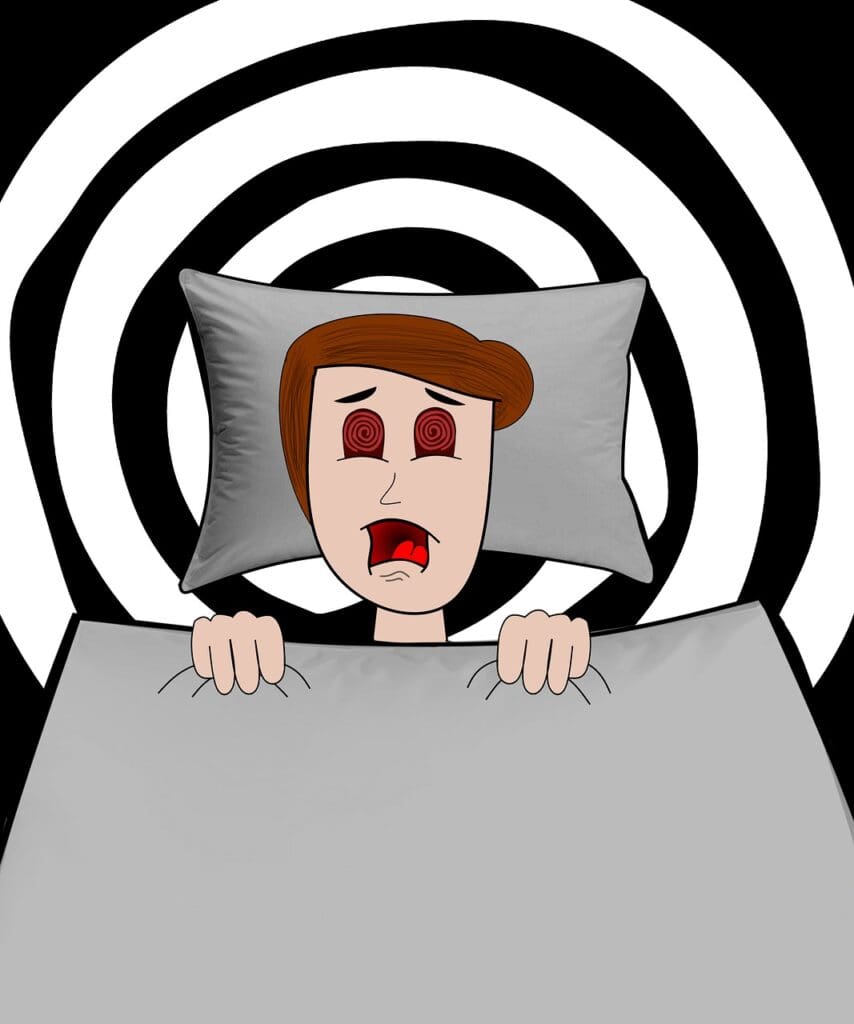
Sleep paralysis is a phenomenon that occurs during the transition between sleep and wakefulness, where a person is temporarily unable to move or speak. It is often accompanied by a feeling of pressure on the chest and a sense of impending danger. This state can last for a few seconds to a few minutes and can be quite frightening for those who experience it.
Causes
The exact cause of sleep paralysis is still not fully understood, but there are several factors that have been linked to its occurrence. One of the main causes is disrupted sleep patterns, such as irregular sleep schedules or sleep deprivation. Other factors include sleep disorders such as narcolepsy or insomnia, stress and anxiety, a family history of sleep paralysis, and certain medications.
Symptoms
The most common symptom of sleep paralysis is the inability to move or speak, despite being fully aware of one’s surroundings. Other symptoms may include a sensation of pressure on the chest, difficulty breathing, visual and auditory hallucinations, and a sense of fear or impending doom. These symptoms can vary in intensity and frequency from person to person.
Prevalence
Sleep paralysis is more common than one might think, with studies estimating that it affects between 8% and 50% of the population at some point in their lives. It tends to be more prevalent in people with certain sleep disorders, such as narcolepsy, but can also occur in otherwise healthy individuals. Sleep paralysis can occur at any age, but it is most commonly experienced during adolescence and early adulthood.
Sleep positions
Different sleep positions
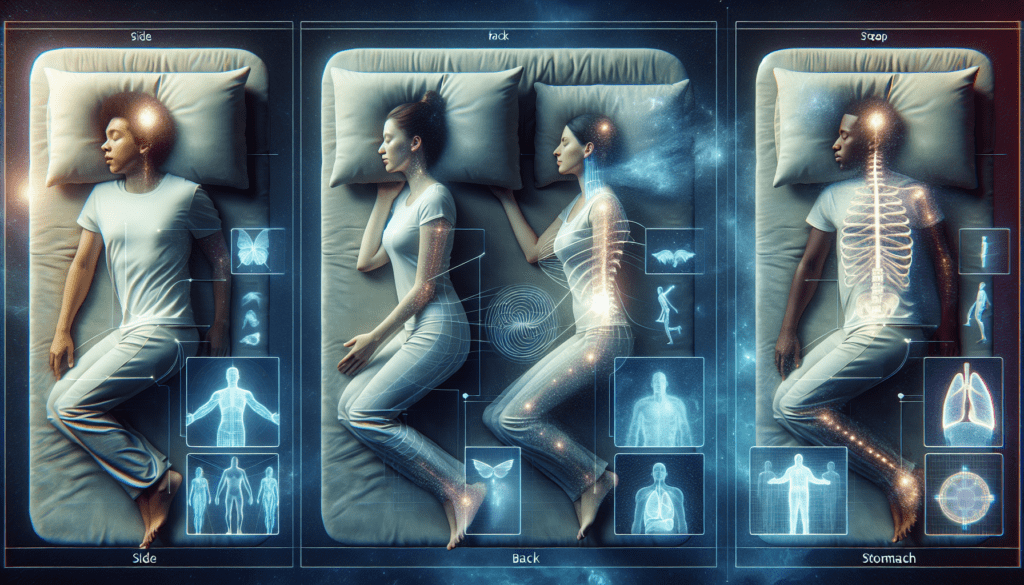
There are several different sleep positions, including sleeping on your back (supine), sleeping on your side (lateral), and sleeping on your stomach (prone). Each position has its own unique effects on the body’s alignment and can influence sleep quality.
Effects on body alignment
Sleeping in different positions can affect the alignment of your spine and joints. Sleeping on your back is generally considered to be the best position for maintaining proper alignment, as it allows your spine to remain in a neutral position. Sleeping on your side can also be beneficial, as it helps to relieve pressure on the lower back and hips. On the other hand, sleeping on your stomach can lead to misalignment of the spine and increased strain on the neck and shoulders.
Influence on sleep quality
The position in which you sleep can also have an impact on the quality of your sleep. For example, sleeping on your back can worsen symptoms of sleep apnea, a condition in which breathing temporarily stops during sleep. On the other hand, sleeping on your side can help to reduce the risk of sleep apnea and improve breathing. Additionally, sleeping on your stomach may increase the likelihood of snoring and lead to a less restful sleep.
Understanding sleep paralysis
Definition and characteristics
Sleep paralysis is a temporary inability to move or speak that occurs during the transition between sleep and wakefulness. It is often characterized by a sense of fear and a feeling of pressure on the chest. During an episode of sleep paralysis, the brain is awake and alert, but the body remains in a paralyzed state.
Causes of sleep paralysis
Sleep paralysis can be caused by a variety of factors, including disrupted sleep patterns, sleep disorders such as narcolepsy, and certain medications. It has also been associated with stress and anxiety, as well as a family history of sleep paralysis. The exact cause of sleep paralysis is still not fully understood, but it is believed to involve a disruption in the normal sleep-wake cycle.
Relation to sleep disorders
Sleep paralysis is often associated with other sleep disorders, such as narcolepsy. Narcolepsy is a neurological disorder that causes excessive daytime sleepiness, sudden episodes of sleep, and cataplexy (sudden loss of muscle tone). Sleep paralysis is a common symptom of narcolepsy and can occur either upon falling asleep or waking up.
The link between sleep position and sleep paralysis
Studies exploring sleep positions and sleep paralysis
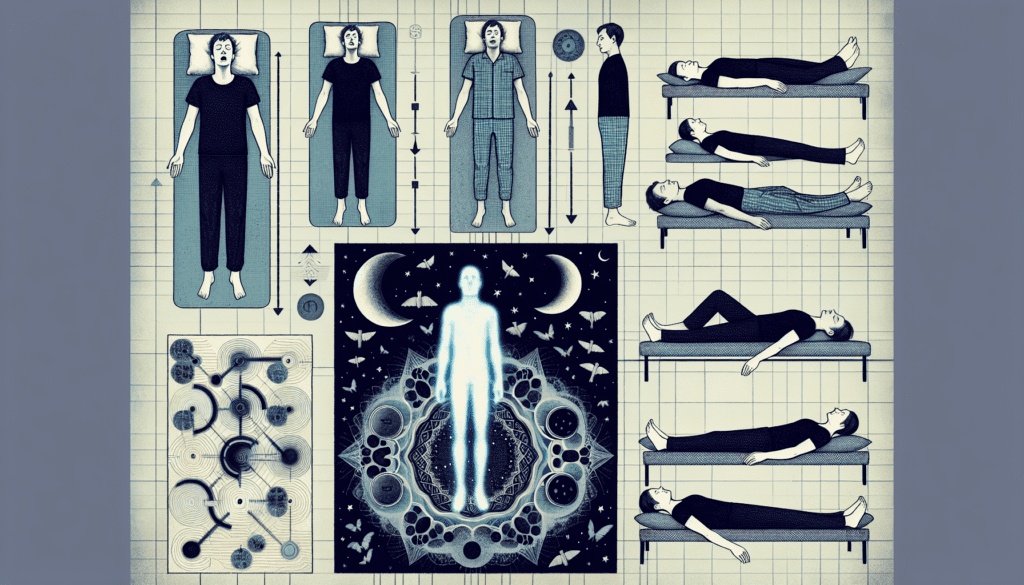
Several studies have been conducted to investigate the link between sleep positions and sleep paralysis. These studies have found a correlation between sleeping on the back and an increased likelihood of experiencing sleep paralysis episodes. However, more research is needed to fully understand the relationship between sleep position and sleep paralysis.
Correlation between sleeping on the back and sleep paralysis
One study published in the journal Sleep found that individuals who slept on their back had a higher chance of experiencing sleep paralysis compared to those who slept in other positions. The researchers theorize that sleeping on the back may lead to a greater risk of airway collapse and disrupted breathing, which could contribute to the occurrence of sleep paralysis.
Influence of other sleep positions
While sleeping on the back has been linked to an increased risk of sleep paralysis, sleeping in other positions, such as on the side or stomach, may not have the same effect. However, more research is needed to fully understand the relationship between sleep position and sleep paralysis.
Factors that may interact with sleep position
It is important to note that sleep position is just one of many factors that can influence the likelihood of experiencing sleep paralysis. Other factors, such as sleep quality, duration, and the presence of sleep disorders, can also play a role. Additionally, stress and anxiety have been found to be associated with sleep paralysis and may interact with sleep position to increase the risk.
Back sleeping and sleep paralysis
Research findings on back sleeping and sleep paralysis
While research has shown a correlation between sleeping on the back and sleep paralysis, it is important to note that not all back sleepers will experience sleep paralysis, and not all individuals who experience sleep paralysis are back sleepers. Research suggests that there is a higher prevalence of sleep paralysis in back sleepers compared to individuals who sleep in other positions.
Potential reasons for the link
One possible explanation for the link between back sleeping and sleep paralysis is that sleeping on the back may lead to a greater risk of airway collapse and disrupted breathing during sleep. This could result in episodes of sleep paralysis, especially for individuals who are already prone to experiencing this phenomenon. However, more research is needed to fully understand the mechanisms behind this link.
Advice for back sleepers
If you are a back sleeper and have experienced sleep paralysis, you may consider trying to change your sleep position to reduce the likelihood of future episodes. Sleeping on your side or stomach may be beneficial, as these positions can help to alleviate the pressure on the airway and reduce the risk of airway collapse. Experimenting with different sleep positions and finding what works best for you may help to minimize the occurrence of sleep paralysis.
Changing sleep positions to reduce sleep paralysis
Positions recommended to avoid sleep paralysis
While there is no one-size-fits-all solution to preventing sleep paralysis, sleeping on your side is often recommended as a way to reduce the risk. This position can help to keep the airway open and allow for better breathing during sleep. Some experts also suggest sleeping with a pillow between the knees to help maintain proper alignment of the spine.
Side sleeping and its benefits
Sleeping on your side is generally considered to be one of the best sleep positions for overall sleep quality and health. This position can help to alleviate snoring, reduce the risk of sleep apnea, and improve digestion. Additionally, side sleeping can help to relieve pressure on the lower back and hips, making it a good option for individuals with back pain or joint issues.
Pillow placement for optimal sleep position
In addition to choosing the right sleep position, the placement of your pillow can also impact your sleep quality. For side sleepers, it is important to choose a pillow that provides adequate support to the head and neck, keeping the spine properly aligned. Placing a pillow between the knees can also help to maintain proper alignment of the hips and reduce strain on the lower back.
Other factors influencing sleep paralysis
Role of sleep quality and duration
Sleep quality and duration can have a significant impact on the likelihood of experiencing sleep paralysis. Sleep deprivation, irregular sleep schedules, and poor sleep hygiene can all contribute to the occurrence of sleep paralysis. It is important to prioritize getting enough sleep, practicing good sleep hygiene, and establishing a consistent sleep routine to reduce the risk.
Impact of sleep disorders
Sleep disorders such as narcolepsy, sleep apnea, and insomnia have been linked to an increased risk of sleep paralysis. These disorders can disrupt the normal sleep-wake cycle and increase the likelihood of experiencing episodes of sleep paralysis. If you suspect you may have a sleep disorder, it is important to seek medical advice for proper diagnosis and treatment.
Association with stress and anxiety
Stress and anxiety have been found to be associated with sleep paralysis. High levels of stress can disrupt the normal sleep patterns and increase the likelihood of experiencing sleep paralysis episodes. Managing stress and practicing relaxation techniques, such as deep breathing or meditation, may help to reduce the occurrence of sleep paralysis.
Practical tips for managing sleep paralysis
Establishing a consistent sleep schedule
Maintaining a consistent sleep schedule can help to regulate your body’s internal clock and improve overall sleep quality. Try to go to bed and wake up at the same time every day, even on weekends. This can help to minimize disruptions to the sleep-wake cycle and reduce the risk of experiencing sleep paralysis.
Creating a relaxing sleep environment
Creating a sleep-friendly environment can also contribute to better sleep quality and reduce the likelihood of sleep paralysis. Make sure your bedroom is cool, dark, and quiet, and consider using white noise machines or earplugs to block out any disruptive sounds. Eliminating distractions, such as electronic devices, can also help to promote a more restful sleep.
Seeking treatment for underlying sleep disorders
If you suspect that an underlying sleep disorder may be contributing to your episodes of sleep paralysis, it is important to seek medical advice. A healthcare professional can conduct a thorough evaluation and recommend appropriate treatment options to help manage your sleep disorder and reduce the occurrence of sleep paralysis.
Consulting a healthcare professional
When to seek medical advice
If you are experiencing frequent episodes of sleep paralysis that are affecting your daily life and well-being, it may be beneficial to consult a healthcare professional. They can help to rule out any underlying sleep disorders or medical conditions and provide guidance on managing and reducing the occurrence of sleep paralysis.
Diagnostic procedures
To diagnose sleep paralysis and rule out any underlying causes, a healthcare professional may recommend a sleep study or polysomnography. This test monitors various physiological factors during sleep, such as brain activity, eye movement, muscle tone, and breathing patterns. It can help to identify any abnormalities or sleep disorders that may be contributing to sleep paralysis.
Treatment options
The treatment options for sleep paralysis depend on the underlying cause. If a sleep disorder is identified, such as narcolepsy or sleep apnea, treatment may involve medications, lifestyle changes, or the use of devices such as continuous positive airway pressure (CPAP) machines. Cognitive-behavioral therapy (CBT) may also be recommended to address any psychological factors contributing to sleep paralysis.
Conclusion
Sleep paralysis is a common phenomenon that can be quite distressing for those who experience it. While the exact cause of sleep paralysis is still not fully understood, there is evidence to suggest a link between sleep position and the likelihood of experiencing sleep paralysis episodes. Sleeping on the back has been associated with a higher risk of sleep paralysis, while sleeping on the side or stomach may be beneficial in reducing the occurrence. However, it is important to remember that sleep position is just one of many factors that can influence sleep paralysis, and addressing other factors such as sleep quality, duration, and the presence of sleep disorders is also important. If you are experiencing frequent episodes of sleep paralysis, it is advisable to seek medical advice to rule out any underlying causes and explore potential treatment options.