
Imagine waking up in the middle of the night, unable to move a muscle, as if you’re trapped in your own body. This unsettling phenomenon, known as sleep paralysis, affects countless individuals around the world. But what if there was a furry friend by your side, providing comfort and security during these terrifying episodes? Recent studies have suggested that pets, with their soothing presence and unconditional love, may actually play a role in preventing sleep paralysis. In this article, we’ll explore the potential benefits of having a pet in your life and how they could be the key to a good night’s sleep.

Understanding Sleep Paralysis
Definition of sleep paralysis
Sleep paralysis is a phenomenon that occurs during sleep where a person experiences a temporary inability to move or speak. It often happens when waking up or falling asleep and can be a frightening and distressing experience. During sleep paralysis, the body’s muscles are temporarily paralyzed, which can lead to a feeling of being trapped and unable to escape.
Causes of sleep paralysis
Sleep paralysis can have various causes, including disruptions in the sleep cycle, irregular sleep schedule, sleep disorders such as narcolepsy, increased stress and anxiety levels, and certain medications or substances. It can also be influenced by genetic and environmental factors. Understanding the underlying causes of sleep paralysis is essential in finding effective strategies to prevent and manage it.
Symptoms of sleep paralysis
The symptoms of sleep paralysis can vary from person to person, but commonly include being conscious but unable to move or speak, a feeling of pressure or heaviness on the chest, hallucinations, and a sense of impending doom or danger. Some individuals may also experience a rapid heartbeat, shortness of breath, and intense fear during an episode. Recognizing these symptoms is crucial in identifying sleep paralysis and seeking appropriate support and treatment.
The Role of Pets in Promoting Better Sleep
Pets as stress relievers
Pets have long been recognized for their ability to reduce stress and promote relaxation. Scientific studies have shown that interacting with pets can lower cortisol levels, the hormone associated with stress, and increase oxytocin, the hormone linked to feelings of happiness and bonding. The simple act of petting a dog or spending time with a cat can have a calming effect on the body and mind, making it easier to relax and fall asleep peacefully.
Pets as sleep companions
Many pet owners find comfort in having their furry friends as sleep companions. Whether it’s a cat curled up at the foot of the bed or a small dog snuggled beside you, the presence of a pet can bring a sense of security and companionship. Sleeping with a pet can help alleviate feelings of loneliness or anxiety, providing a soothing and comforting environment for a restful night’s sleep.
Pets as sources of comfort and security
Pets, especially dogs, are known for their protective instincts and their ability to make us feel safe and secure. Having a pet in the bedroom or close by can create a sense of security that can ease anxiety and promote better sleep. The loyal and loving nature of pets can help individuals feel more at ease, reducing the likelihood of sleep disturbances and nightmares.
Reducing Stress and Anxiety
Pets as stress reducers
Research has shown that pets can play a significant role in reducing stress and anxiety levels. The presence of a pet can provide a calming effect by releasing endorphins, the body’s natural feel-good chemicals. Whether it’s the soothing purr of a cat, the wag of a dog’s tail, or the gentle chirp of a bird, pets offer companionship and emotional support that can help alleviate stress and promote a sense of well-being.
Effects of pets on mental health
Pets have been found to have positive effects on mental health, including reducing symptoms of anxiety and depression. Interacting with animals can increase serotonin and dopamine levels, neurotransmitters that are responsible for regulating mood and emotions. The unconditional love and non-judgmental nature of pets can provide a sense of purpose and belonging, enhancing overall mental well-being and improving sleep quality.
The role of pets in reducing anxiety
Anxiety can be a significant barrier to a good night’s sleep. Fortunately, pets can offer a natural and effective way to reduce anxiety symptoms. Studies have shown that being around animals can lower blood pressure, reduce heart rate, and induce a relaxation response in the body. The gentle presence of a pet can create a calming and nurturing environment that promotes better sleep and helps individuals manage their anxiety more effectively.
Creating a Calm Sleeping Environment
Pets promoting a relaxing ambiance
Pets can contribute to creating a calm and peaceful sleeping environment. The rhythmic sounds of a cat’s purring or the gentle breathing of a sleeping dog can have a soothing effect, creating a relaxing background noise that promotes restful sleep. Additionally, the warmth and comfort provided by a pet’s body can help regulate body temperature, enhancing sleep quality and comfort.
Creating a bedtime routine with pets
Establishing a consistent bedtime routine is important for better sleep. Including pets in this routine can help signal to the body and mind that it is time to wind down and prepare for sleep. Activities such as a calming walk with a dog before bed, grooming a cat, or simply spending quiet time with a pet can help create a sense of relaxation and set the stage for a good night’s rest.
Benefits of a calm sleeping environment
A calm sleeping environment is essential for achieving quality sleep. By reducing noise, eliminating distractions, and creating a serene atmosphere, individuals are more likely to fall asleep faster and experience fewer interruptions throughout the night. Pets can contribute to this environment by providing companionship, warmth, and a sense of security, all of which are vital for a peaceful and restorative sleep.
Enhancing Sleep Quality
Pets reducing nightmares and night terrors
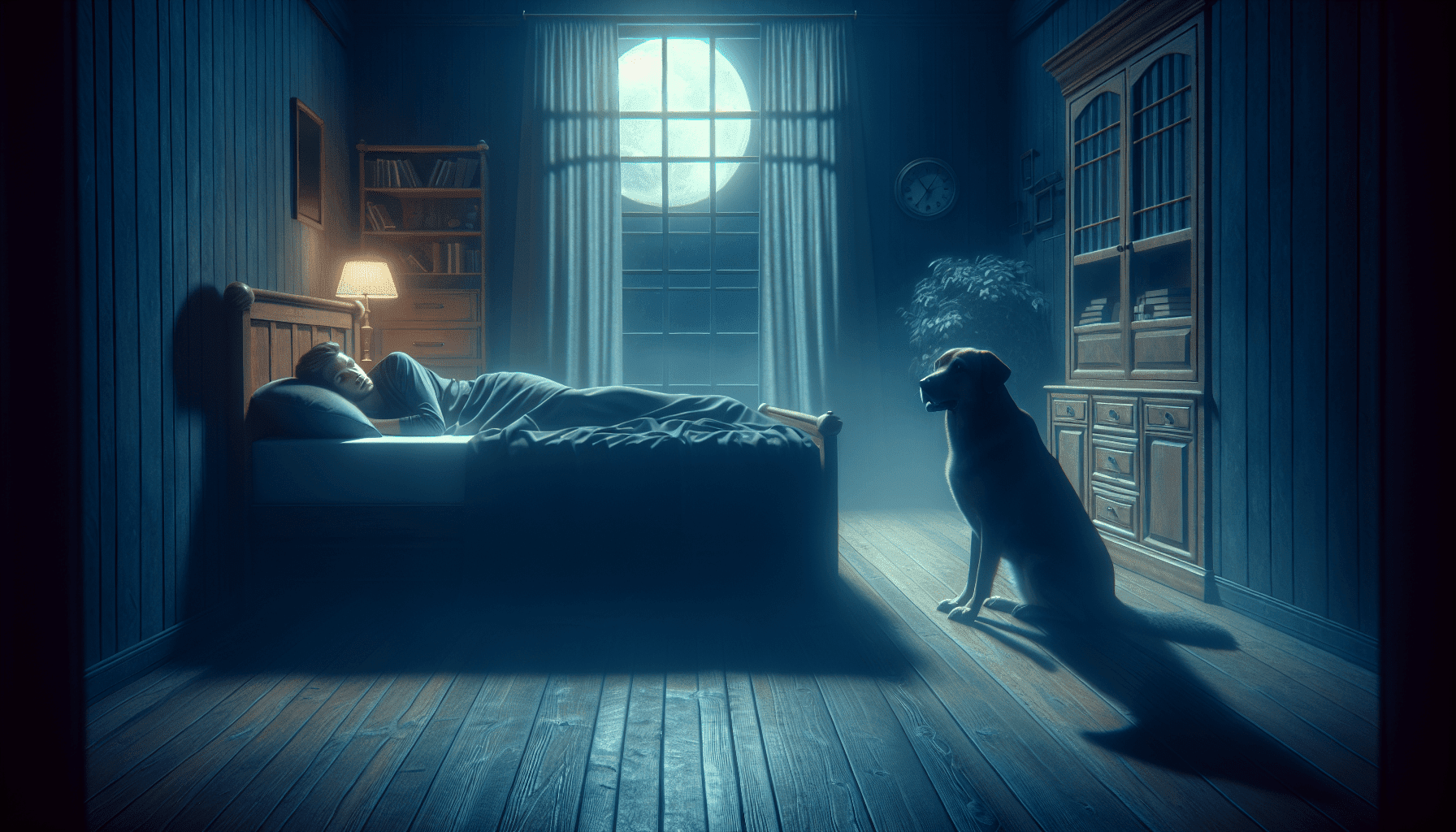
Nightmares and night terrors can significantly disrupt sleep and contribute to sleep paralysis episodes. The presence of a pet can offer a sense of comfort and reassurance, reducing the likelihood of nightmares and night terrors. The soothing presence of a pet can provide a grounding and calming effect, making it easier to navigate through sleep disturbances and promoting a more peaceful and uninterrupted sleep.
The soothing effect of pet sounds and movements
The sounds and movements of pets can have a soothing effect on the body and mind. Whether it’s the gentle rhythm of a cat’s purring or the steady breathing of a dog, these calming sounds can induce a relaxation response and promote better sleep. In addition, the subtle movements of a pet can act as a form of white noise, helping to drown out external distractions and create a more conducive sleep environment.
Pets promoting uninterrupted sleep
Pets can play a role in promoting uninterrupted sleep by providing a sense of security and companionship. The presence of a pet in the bedroom can create a protective and safe environment, reducing the likelihood of sleep disturbances and interruptions. Knowing that there is a loyal and watchful companion nearby can help individuals feel at ease, allowing them to drift into a deep and uninterrupted sleep.
Promoting Regular Sleep Patterns
Pets establishing a sleep routine
Pets thrive on routine, and their presence can help establish and maintain regular sleep patterns. By adhering to a consistent sleep schedule, individuals can train their bodies to recognize when it is time to sleep and wake up. Pets, with their strong internal clocks, can help reinforce these routines by signaling when it’s time to go to bed or get up. This can be especially beneficial for individuals with irregular sleep schedules or those prone to sleep disorders.
The importance of consistent sleep patterns
Consistent sleep patterns are crucial for maintaining optimal sleep health. Irregular sleep schedules can disrupt the body’s natural circadian rhythm, leading to difficulties falling asleep, staying asleep, and waking up. By incorporating pets into a consistent sleep routine, individuals can establish healthy sleep habits that support better sleep quality and overall well-being.
Pets as sleep aids for individuals with irregular sleep schedules
For individuals with irregular sleep schedules, such as shift workers or frequent travelers, pets can provide a sense of stability and routine. Pets can adapt to their owner’s sleeping patterns, helping to regulate sleep-wake cycles and promote better sleep quality. Their presence can offer a comforting and familiar presence in an otherwise unpredictable sleep routine.
Providing Physical Comfort
Pets as warm and cuddly companions
The physical presence of a pet can provide a sense of warmth and comfort, creating a cozy and inviting sleep environment. Whether it’s snuggling up with a cat under a blanket or having a dog curled up by your side, the physical touch and closeness of a pet can promote feelings of relaxation and security. The softness and warmth of a pet’s fur can also offer a soothing tactile sensation, helping individuals unwind and prepare for sleep.
Physical contact from pets promoting relaxation
Physical contact from pets, such as gentle stroking or cuddling, can have a therapeutic effect on the body and mind. The act of petting an animal releases endorphins, which can induce a state of relaxation and reduce muscle tension. This physical contact can create a sense of connection and well-being, allowing individuals to release stress and tension before bedtime, ultimately facilitating a better night’s sleep.
The therapeutic benefits of petting animals
The act of petting animals has been shown to have numerous therapeutic benefits. It can lower blood pressure, reduce heart rate, and promote the release of oxytocin, also known as the “love hormone.” These physiological responses can help individuals feel calm and content, enhancing the overall sleep experience and contributing to better sleep quality.
Increasing Feelings of Safety and Security
Pets providing a sense of protection
Pets, particularly dogs, can provide a sense of protection and security when it comes to sleep. Their acute hearing and vigilant nature make them excellent watchdogs, alerting their owners to any potential dangers or intruders. The presence of a pet can create a reassuring environment where individuals can feel protected and at ease, reducing feelings of vulnerability and promoting a sense of safety during sleep.
Pets reducing feelings of vulnerability
Sleep paralysis often involves a sense of vulnerability and helplessness. Having a pet nearby can alleviate these feelings by providing a comforting presence and a sense of protection. Knowing that a loyal companion is by your side can help individuals feel more secure and empowered, reducing the anxiety and fear associated with sleep paralysis and promoting a more peaceful sleep experience.
The role of pets in alleviating sleep anxiety
Pets can play a crucial role in alleviating sleep anxiety, a common concern for individuals who experience sleep paralysis. Their unconditional love, loyalty, and non-judgmental nature create a supportive and nurturing environment that can help individuals manage their anxiety and fears surrounding sleep. The presence of a pet can provide a reassuring anchor that fosters a sense of calm and relaxation, ultimately leading to a better night’s sleep.
Boosting Mood and Promoting Relaxation
Pets as mood enhancers
Interacting with pets has been shown to boost mood and increase feelings of happiness. The playful antics of a dog, the gentle purring of a cat, or the amusing chirping of a bird can evoke laughter and a sense of joy. These positive emotions release endorphins and serotonin, neurotransmitters that promote well-being and relaxation. By simply spending time with a pet, individuals can uplift their mood and create a positive emotional state conducive to better sleep.
The impact of pets on serotonin and oxytocin levels
Pets have been found to increase levels of serotonin and oxytocin, two hormones known for their mood-enhancing properties. Serotonin is responsible for regulating mood, while oxytocin is associated with feelings of bonding and trust. Petting and interacting with animals can stimulate the release of these hormones, creating a sense of overall well-being and contentment. These effects can contribute to a positive mindset and improved sleep quality.
The calming effect of interacting with pets
Interacting with pets has a calming effect on the body and mind. This interaction releases stress and tension, allowing individuals to relax and unwind. Whether it’s playing fetch with a dog, stroking the soft fur of a cat, or watching fish glide gracefully in an aquarium, the act of engaging with pets can help reduce anxiety and promote a state of relaxation, setting the stage for a peaceful and rejuvenating sleep.
Encouraging Healthy Lifestyle Habits
Pets promoting regular exercise
Having a pet can encourage regular exercise, an essential aspect of maintaining a healthy lifestyle. Dogs, in particular, require daily walks and physical activity, which can benefit both the owner and the pet. Engaging in regular exercise promotes better sleep by reducing stress, increasing endorphin production, and tiring the body, making it easier to fall asleep and stay asleep.
The link between physical activity and better sleep
Regular physical activity has been shown to improve sleep quality and duration. Exercise helps to regulate the body’s internal clock, promotes relaxation, and reduces the risk of sleep disorders such as insomnia. By incorporating daily walks or playtime with pets into a routine, individuals can maintain an active lifestyle that supports overall sleep health and promotes restful nights.
The responsibility of taking care of a pet
Taking care of a pet comes with responsibilities, including feeding, grooming, and providing exercise. This responsibility can instill a sense of purpose and routine in an individual’s life, which can positively impact their sleep. By prioritizing the needs of their pet, individuals are more likely to establish healthy sleep patterns and prioritize their own well-being. The mutual bond between pet and owner creates a rewarding and fulfilling relationship that contributes to a healthier lifestyle and better sleep quality.
In conclusion, pets can play a significant role in promoting better sleep and preventing sleep paralysis. Their ability to reduce stress, provide companionship and security, and promote relaxation contributes to a calm sleeping environment and enhances sleep quality. By incorporating pets into daily routines, individuals can experience the numerous physical, emotional, and mental health benefits that come with having a furry friend. Whether it’s the comforting presence of a dog, the gentle purring of a cat, or the playful chirping of a bird, pets have a unique ability to support and improve our sleep experiences, making them invaluable companions in the quest for restful nights and overall well-being.