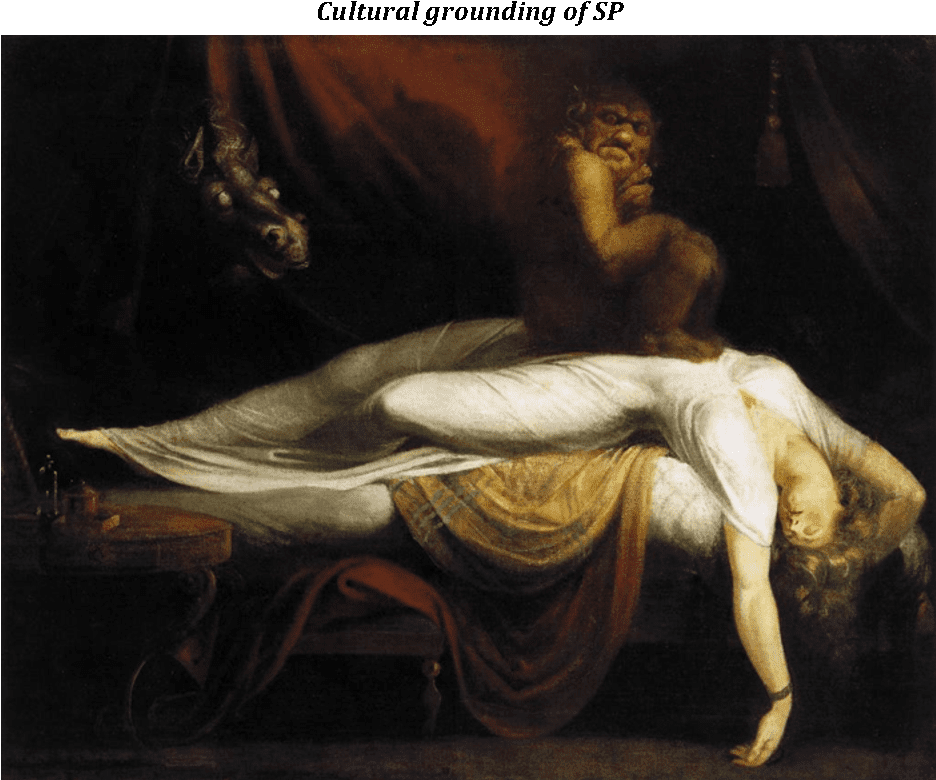
Welcome to an insightful article on the intriguing topic of Sleep Paralysis and its connection to Sleep Paralysis Phenomenon. If you have ever experienced the feeling of being unable to move or speak while falling asleep or waking up, then you may have encountered sleep paralysis. This phenomenon has been reported by people all around the world, across various cultures and times. Through exploring the science behind sleep paralysis and its various manifestations, we will delve deeper into the fascinating world of this mysterious sleep disorder. Get ready to unlock the secrets behind this perplexing phenomenon! Have you ever woken up from a deep sleep only to find yourself completely unable to move or speak? If so, you may have experienced what is known as sleep paralysis. This phenomenon can be incredibly frightening and confusing, but understanding the connection between sleep paralysis and sleep paralysis phenomenology can help shed light on this mysterious experience. Let’s explore this topic together in this informative article.
What is Sleep Paralysis?
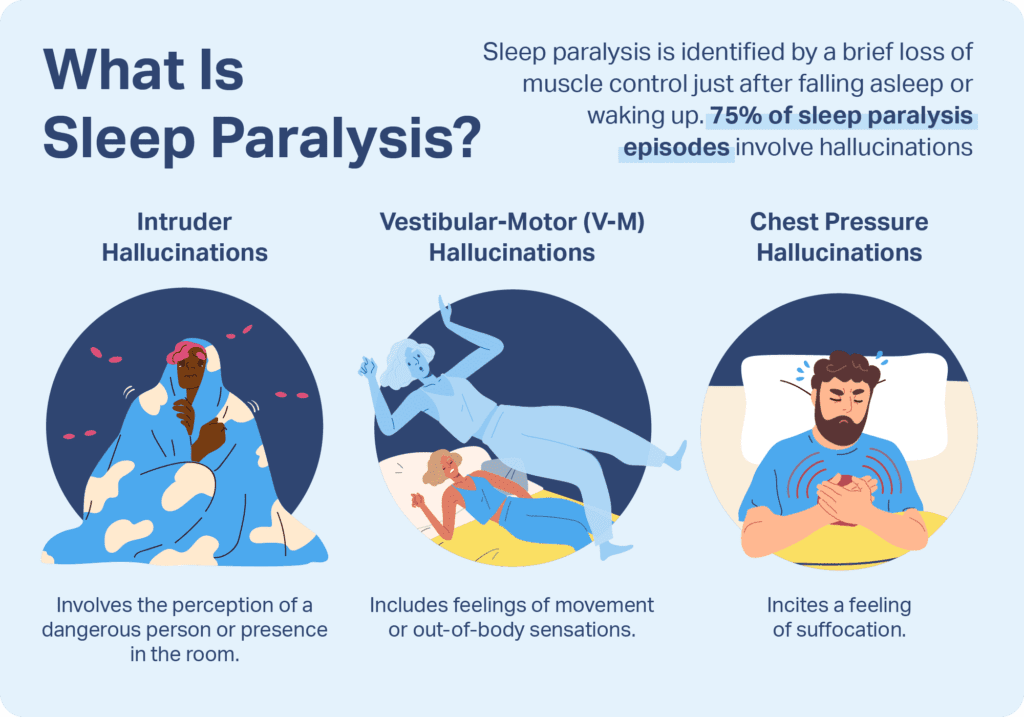
Sleep paralysis is a phenomenon that occurs when your mind is awake, but your body is still in a state of sleep. This condition typically happens as you are falling asleep or waking up, during the transition between sleep stages. When sleep paralysis occurs, you may find yourself unable to move or speak, despite being conscious of your surroundings. This can be accompanied by feelings of pressure on your chest, as well as hallucinations of dark figures or other terrifying entities.
It is important to note that sleep paralysis is not harmful and usually only lasts for a few seconds to a few minutes. However, the experience can be extremely distressing and may leave you feeling anxious or fearful.

Understanding Sleep Paralysis Phenomenology
The study of sleep paralysis phenomenology focuses on the experiences and characteristics associated with this unique phenomenon. Researchers have found that there are several common themes that tend to emerge in the descriptions of sleep paralysis episodes. These include:
- Feelings of fear or terror
- Sensations of pressure on the chest
- Hallucinations of menacing figures or creatures
- A sense of being unable to move or speak
By understanding these key features of sleep paralysis phenomenology, we can gain valuable insights into the underlying mechanisms that contribute to this phenomenon.
The Fear Factor
One of the most striking aspects of sleep paralysis is the intense fear that often accompanies the experience. Many people who have had episodes of sleep paralysis report feeling an overwhelming sense of terror during the event. This fear can be so strong that it may lead to feelings of panic or distress.
It is believed that this fear response is linked to the unique combination of factors that occur during sleep paralysis. When your mind is awake but your body is still in a state of sleep, it can create a sense of disorientation and vulnerability that triggers the fear response.
The Pressure on the Chest
Another common feature of sleep paralysis is the sensation of pressure on the chest. This feeling of being weighed down or constricted can be incredibly distressing and may contribute to the overall sense of helplessness that accompanies sleep paralysis.
Researchers believe that the pressure on the chest experienced during sleep paralysis may be related to changes in breathing patterns that occur during the transition between sleep stages. As your body prepares for sleep, your breathing slows down, which can lead to feelings of heaviness or pressure in the chest area.
Hallucinations and Hypnagogic Images
Many people who experience sleep paralysis also report vivid hallucinations of dark figures, creatures, or other menacing entities. These hallucinations can be incredibly realistic and may add to the overall sense of fear and dread that accompanies the experience.
These hypnagogic images, as they are known, are believed to be a result of the mind’s attempt to make sense of the strange sensations and perceptions that occur during sleep paralysis. The brain may create these hallucinations as a way to fill in the gaps between the conscious mind and the dream state, leading to the perception of frightening or unsettling images.
The Feeling of Immobility
One of the most distressing aspects of sleep paralysis is the feeling of being completely unable to move or speak. This sense of immobility can be incredibly frightening, especially when coupled with the other symptoms of sleep paralysis.
The feeling of paralysis is believed to be caused by a temporary disconnect between the brain and the body during the transition between wakefulness and sleep. This disconnect can lead to a state of temporary paralysis, in which the body is still in a sleep-like state even though the mind is awake.

The Connection Between Sleep Paralysis and Phenomenology
So, what is the connection between sleep paralysis and sleep paralysis phenomenology? Researchers believe that understanding the key features of sleep paralysis phenomenology can provide valuable insights into the underlying causes of this strange and often terrifying experience.
By examining the common themes that tend to emerge during episodes of sleep paralysis, researchers can gain a better understanding of the neural, cognitive, and psychological processes that contribute to this phenomenon. This can help to shed light on the mechanisms that underlie sleep paralysis and may ultimately lead to more effective treatments and interventions for those who experience this condition.
Overall, the study of sleep paralysis phenomenology is an important area of research that can help us to unravel the mysteries of this unique and perplexing phenomenon. By delving into the experiences and characteristics associated with sleep paralysis, we can gain a deeper understanding of the factors that contribute to this condition and work towards developing more comprehensive and effective strategies for managing and coping with sleep paralysis episodes.

Coping Strategies for Sleep Paralysis
If you have experienced sleep paralysis, it is important to know that there are coping strategies that can help you manage and mitigate the effects of this phenomenon. Here are some tips to help you cope with sleep paralysis:
Maintain a Consistent Sleep Schedule
One of the best ways to prevent sleep paralysis is to maintain a consistent sleep schedule. Going to bed and waking up at the same time each day can help regulate your sleep cycles and reduce the likelihood of experiencing episodes of sleep paralysis.
Reduce Stress and Anxiety
Stress and anxiety can contribute to sleep paralysis, so finding healthy ways to manage and reduce these factors is essential. Techniques such as meditation, deep breathing exercises, and relaxation techniques can help calm your mind and body and reduce the chances of experiencing sleep paralysis.
Create a Relaxing Sleep Environment
Creating a relaxing sleep environment can also help prevent sleep paralysis. Make sure your bedroom is dark, quiet, and cool, and avoid using electronic devices or engaging in stimulating activities before bed.
Talk to a Professional
If you are experiencing frequent or distressing episodes of sleep paralysis, it may be helpful to speak with a healthcare professional or mental health provider. They can help you explore potential underlying causes of your sleep paralysis and provide guidance on effective coping strategies.
Consider Therapy or Counseling
Therapy or counseling can also be beneficial for individuals who are struggling with sleep paralysis. Talking to a therapist can help you identify and address any underlying psychological or emotional issues that may be contributing to your sleep paralysis episodes.
Seek Support from Loved Ones
Lastly, it can be helpful to seek support from loved ones if you are experiencing sleep paralysis. Talking to friends or family members about your experiences can provide emotional support and validation and help you feel less isolated in dealing with this phenomenon.
Conclusion
In conclusion, sleep paralysis is a unique and often unsettling phenomenon that can leave you feeling confused, frightened, and vulnerable. By understanding the connection between sleep paralysis and sleep paralysis phenomenology, we can gain valuable insights into the underlying causes and mechanisms that contribute to this experience.
By exploring the key features of sleep paralysis phenomenology, such as fear, chest pressure, hallucinations, and immobility, we can begin to unravel the mysteries of this condition and work towards developing more effective strategies for managing and coping with sleep paralysis episodes.
If you have experienced sleep paralysis, it is important to know that you are not alone. By implementing coping strategies, seeking support from loved ones, and talking to a healthcare professional, you can learn to navigate this phenomenon and reduce its impact on your life. Remember, knowledge is power, and by arming yourself with information and understanding, you can take control of your experiences and find ways to cope with sleep paralysis in a healthy and effective manner.