
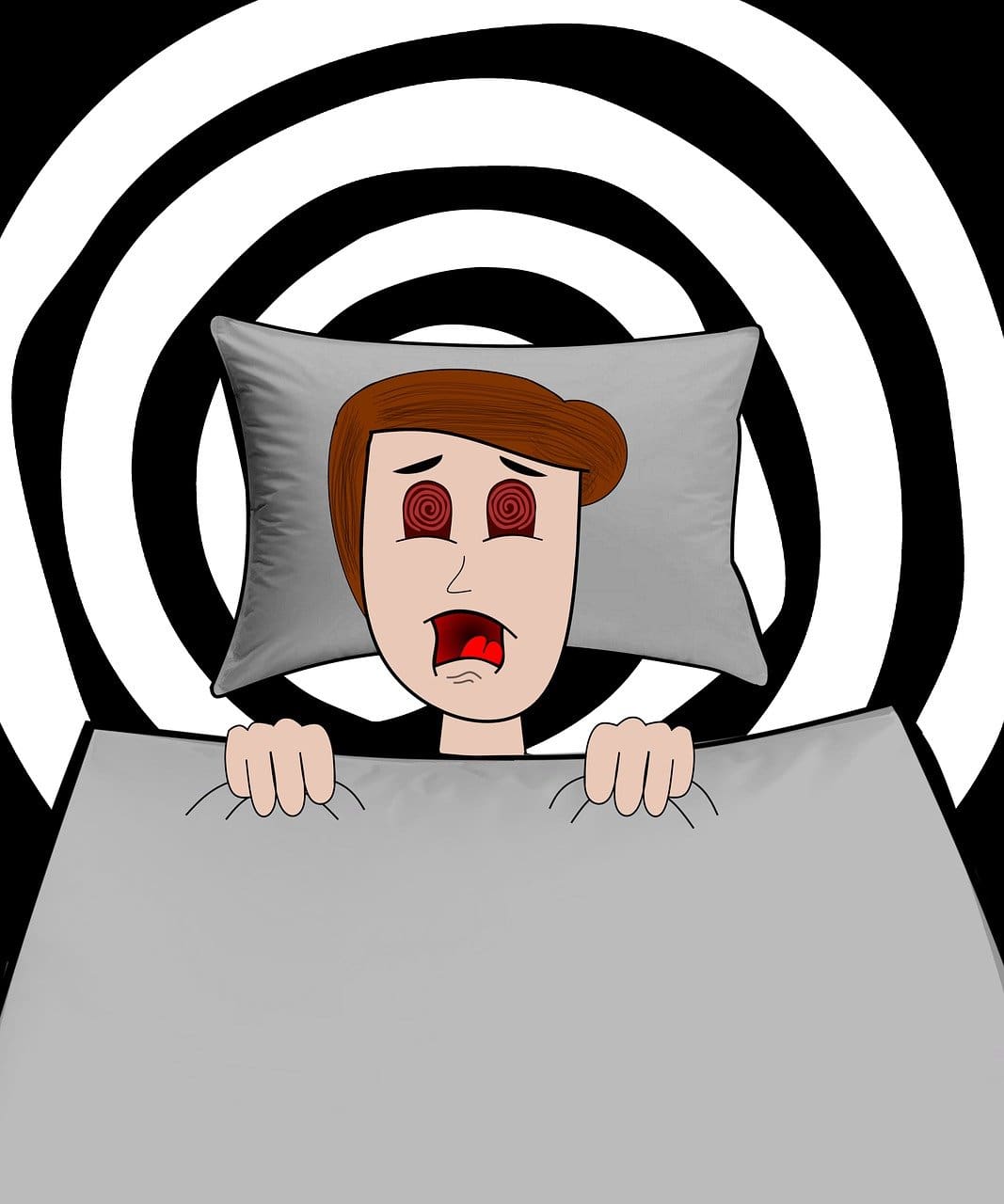
Imagine waking up in the middle of the night, unable to move a muscle. Your body feels heavy, as if it is being held down by an invisible force. Panic sets in as you struggle to breathe, desperate for help. This terrifying experience, known as sleep paralysis, has haunted my nights for as long as I can remember. In this article, I will share how sleep paralysis has affected my life, from the constant fear of falling asleep to the toll it has taken on my mental and physical well-being.

The Definition of Sleep Paralysis
Sleep paralysis is a phenomenon that occurs during the transition between the wakeful state and sleep. It is characterized by a temporary inability to move or speak, accompanied by a sense of being awake and aware of one’s surroundings. This condition can be accompanied by frightening hallucinations, making it a truly unsettling experience.
Understanding the Phenomenon
Sleep paralysis is a relatively common condition, with estimates suggesting that it affects around 8% of the population. While it may occur in isolation, it is often associated with other sleep disorders, such as narcolepsy. It typically occurs during one of two stages of sleep: the hypnagogic state, which is the transition between wakefulness and sleep, or the hypnopompic state, which is the transition between sleep and wakefulness.
Exploring the Causes of Sleep Paralysis
The exact causes of sleep paralysis are not fully understood, but research suggests that it may be linked to disruptions in the REM (rapid eye movement) stage of sleep. During REM sleep, our brains are highly active, and our bodies experience temporary paralysis to prevent us from physically acting out our dreams. In sleep paralysis, this paralysis persists even as the mind begins to wake up. Other potential causes include sleep deprivation, irregular sleep patterns, and underlying medical conditions.
My First Encounter with Sleep Paralysis
The Initial Experience
I vividly remember my first encounter with sleep paralysis. It was a few years ago, and I had just drifted off to sleep when I suddenly found myself unable to move or speak. I was acutely aware of my surroundings, and it felt as though there was an invisible weight pressing down on my chest. I tried to call out for help, but no sound escaped my lips. It was a terrifying experience, and one that I had never encountered before.
Feelings of Fear and Helplessness
During those moments of sleep paralysis, I felt an overwhelming sense of fear and helplessness. The inability to move or communicate left me feeling trapped and vulnerable. The visual and auditory hallucinations that often accompany sleep paralysis only heightened these feelings, as I would often perceive sinister figures lurking in the shadows or hear eerie whispers in my ear. It was difficult to shake off these sensations even after I regained control of my body.
Understanding the Symptoms of Sleep Paralysis
Muscle Paralysis and Inability to Move
One of the hallmark symptoms of sleep paralysis is the sudden and temporary loss of muscle control, which can make it impossible to move or even speak. This sensation can be deeply distressing, as it goes against our instinctual need for mobility and autonomy. It is important to note that this paralysis is not caused by physical paralysis or weakness, but rather a disconnection between the brain and the muscles.
Visual and Auditory Hallucinations
One of the most unsettling aspects of sleep paralysis is the presence of vivid hallucinations that can accompany the experience. These hallucinations can take the form of menacing figures, shadowy shapes, or even auditory hallucinations such as whispers or screams. While these hallucinations are not real, they can feel incredibly lifelike and contribute to the overall sense of fear and helplessness associated with sleep paralysis.
Feeling of Pressure on the Chest
Many individuals who experience sleep paralysis report a common sensation of pressure on the chest, sometimes described as a feeling of being suffocated or crushed. This feeling of weight and constriction can be distressing and often adds to the overall anxiety and fear experienced during sleep paralysis. It is important to remember that this sensation is purely subjective and not caused by any external force.
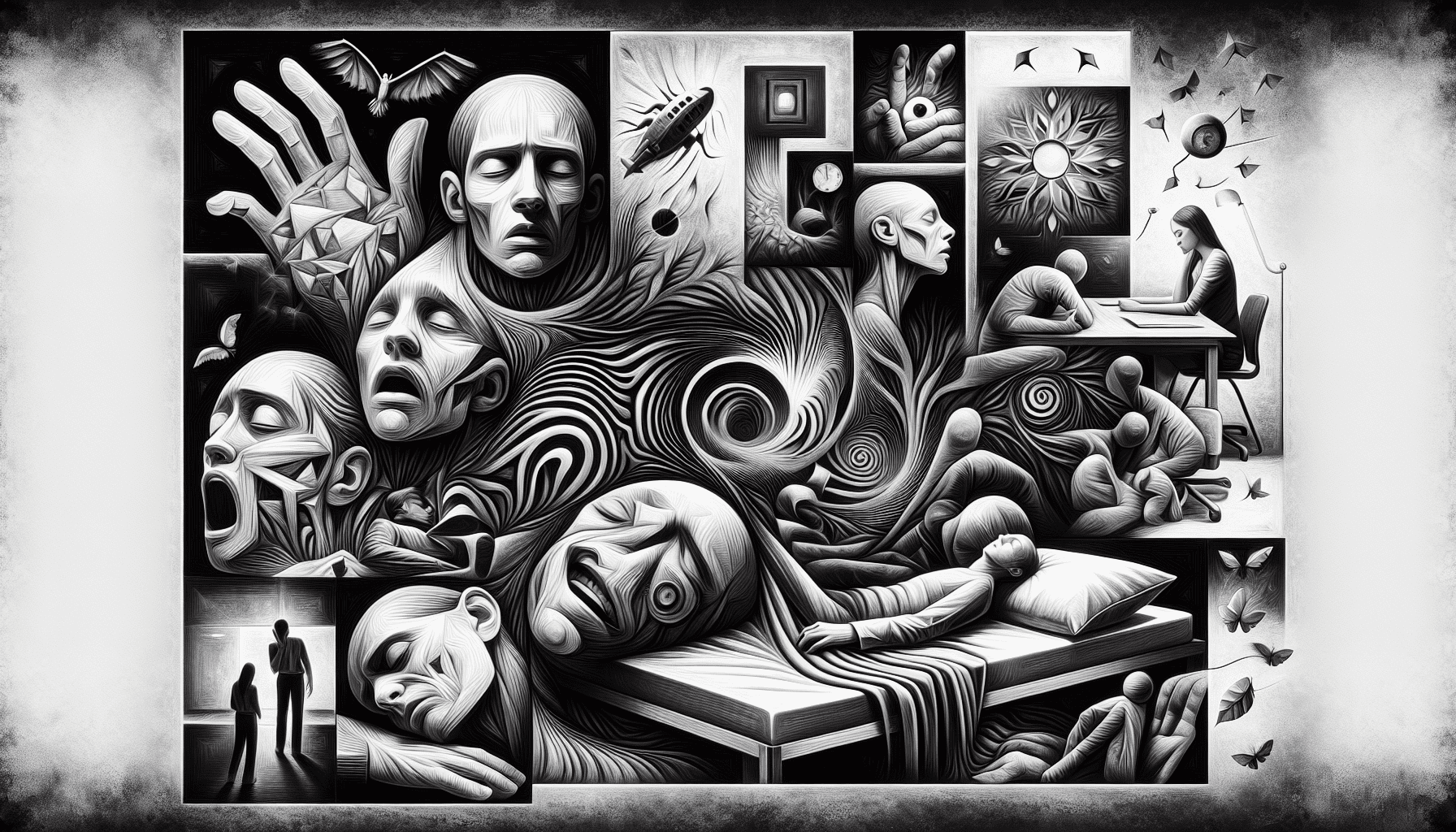
The Impact of Sleep Paralysis on Daily Life
Struggling with Sleep Deprivation
As someone who experiences sleep paralysis frequently, one of the most significant impacts it has had on my life is the disruption it causes to my sleep. The fear of having another episode often leads to anxiety and difficulty falling asleep, resulting in sleep deprivation. The constant fatigue and reduced quality of sleep have a significant impact on my energy levels, mood, and overall well-being.
Effect on Productivity and Performance at Work
The consequences of sleep paralysis extend beyond the realm of sleep. The persistent sleep deprivation and the mental and emotional toll it takes can greatly impact productivity and performance at work. Concentration becomes a constant struggle, and the risk of errors and accidents increases. Additionally, the anxiety surrounding sleep paralysis can lead to increased stress levels and decreased job satisfaction.
Personal Relationships Affected
Sleep paralysis can also take a toll on personal relationships. The fear and anxiety associated with this condition can lead to restlessness and irritability, causing strain within close relationships. Additionally, the disrupted sleep patterns and fatigue can limit one’s availability and engagement in social activities, leading to feelings of isolation and frustration for both the individual experiencing sleep paralysis and their loved ones.
Coping Mechanisms I Have Explored
Creating a Relaxing Bedtime Routine
One coping mechanism that has been helpful for me in managing sleep paralysis is the establishment of a relaxing bedtime routine. This involves engaging in activities that promote relaxation and calmness before going to bed. I have found that incorporating activities such as reading, listening to soothing music, or practicing gentle stretching exercises can help create a peaceful environment and aid in falling asleep more easily.
Practicing Good Sleep Hygiene
In addition to a bedtime routine, adopting good sleep hygiene practices has also proven beneficial in managing sleep paralysis. This includes maintaining a consistent sleep schedule, avoiding stimulants such as caffeine or electronic devices close to bedtime, and creating a comfortable sleep environment. By prioritizing these habits, I have noticed an improvement in the quality and duration of my sleep, reducing the frequency of sleep paralysis episodes.
Seeking Professional Help
For those experiencing frequent or severe sleep paralysis, seeking professional help from a sleep specialist or therapist can be incredibly valuable. They can provide guidance, support, and potentially recommend specific interventions or treatments tailored to individual needs. Techniques such as cognitive-behavioral therapy or medication may be considered as part of a comprehensive treatment plan.
The Link Between Sleep Paralysis and Mental Health
Anxiety Disorders and Sleep Paralysis
There is a clear relationship between sleep paralysis and anxiety disorders. The distressing and terrifying nature of sleep paralysis can exacerbate existing anxiety or even trigger the development of anxiety disorders in some individuals. The fear of experiencing another episode can heighten anxiety levels, perpetuating a cycle of sleep disturbance and psychological distress.
Depression and Sleep Paralysis
There is emerging evidence suggesting a potential link between sleep paralysis and depression. The disruptive sleep patterns and feelings of helplessness associated with sleep paralysis can contribute to feelings of sadness, hopelessness, and a general decrease in well-being. Understanding and addressing this connection is essential in developing targeted interventions and support for individuals navigating both sleep paralysis and depression.
Sharing My Experience with Others
Raising Awareness about Sleep Paralysis
One way I have found support and solace is by raising awareness about sleep paralysis. By sharing my own experiences and knowledge, I hope to dispel misconceptions and inform others about this often misunderstood condition. Raising awareness can also encourage empathy and understanding among friends, family, and the broader community, ultimately fostering a supportive environment for those affected by sleep paralysis.
Support Groups and Online Communities
Support groups and online communities can serve as valuable resources for individuals coping with sleep paralysis. Connecting with others who have gone through similar experiences can provide a sense of validation, reassurance, and understanding. These communities offer a safe space to share stories, exchange coping strategies, and seek advice from individuals who truly understand the challenges and impact of sleep paralysis.
Finding Comfort in Knowing I am not Alone
Connecting with Others Who Experience Sleep Paralysis
Through my journey with sleep paralysis, I have discovered a sense of comfort and solace in connecting with others who share similar experiences. Engaging in conversations and sharing stories with individuals who understand the unique challenges and emotions associated with sleep paralysis has been incredibly reassuring. Knowing that I am not alone in this journey helps alleviate feelings of isolation and fosters a sense of belonging.
Sharing Stories and Seeking Support
Sharing personal stories and seeking support from others coping with sleep paralysis has been an essential part of my healing process. Hearing how others have overcome or managed their sleep paralysis serves as a source of inspiration and encouragement. Together, we can exchange coping strategies, offer support, and provide a sense of belonging to one another.
Research and Advancements in Sleep Paralysis
Recent Studies and Findings
The study of sleep paralysis is an area of ongoing research. Recent studies have yielded valuable insight into its causes, risk factors, and potential treatments. Researchers continue to explore the relationship between sleep paralysis and other sleep disorders, as well as the impact it has on mental health. These findings contribute to a growing body of knowledge and help shed light on this complex phenomenon.
Potential Treatments and Interventions
While there is no definitive cure for sleep paralysis, advancements in research have paved the way for potential treatments and interventions. These include cognitive-behavioral therapy, medication, and techniques aimed at improving sleep quality and reducing anxiety. Continued research and collaboration between healthcare professionals and researchers hold promise for the development of more targeted and effective interventions in the future.
Looking Towards the Future
Hope for Better Understanding and Management of Sleep Paralysis
Looking towards the future, I hold hope for a better understanding and management of sleep paralysis. Increased awareness, research, and collaboration among healthcare professionals and researchers are instrumental in improving the lives of those affected by sleep paralysis. By fostering a more comprehensive understanding of this condition, we can work towards more effective prevention, management, and support for individuals experiencing sleep paralysis.
Personal Goals and Strategies for Coping
On a personal level, I remain committed to managing my sleep paralysis and minimizing its impact on my daily life. Moving forward, I aim to continue implementing the coping mechanisms and strategies that have proven effective for me, such as maintaining a consistent sleep schedule, adopting relaxation techniques, and seeking professional support when needed. By prioritizing self-care and staying informed about the latest advancements in sleep paralysis research, I strive to lead a fulfilling and balanced life despite the challenges posed by this condition.
In conclusion, sleep paralysis is a unique and often distressing phenomenon that can significantly impact an individual’s life. Understanding the symptoms, exploring coping mechanisms, and seeking support are essential steps in managing this condition. By sharing our experiences, raising awareness, and supporting one another, we can foster a sense of community and hope for the future. Together, we can work towards a better understanding, improved treatment options, and a higher quality of life for those living with sleep paralysis.