Imagine waking up in the middle of the night, unable to move or speak, with an overwhelming sense of fear washing over you. This is what sleep paralysis feels like, and it can be a terrifying experience. In this article, you will delve into my personal experience with sleep paralysis and discover the strategies I have found to overcome the fear that accompanies it. So sit back, relax, and prepare to unlock the secrets of conquering sleep paralysis-induced fear.
Understanding Sleep Paralysis
Definition of sleep paralysis
Sleep paralysis is a phenomenon that occurs during the transition between wakefulness and sleep. It is characterized by a temporary inability to move or speak, often accompanied by a state of intense fear or anxiety. During sleep paralysis, you may also experience vivid hallucinations and a feeling of pressure on your chest.
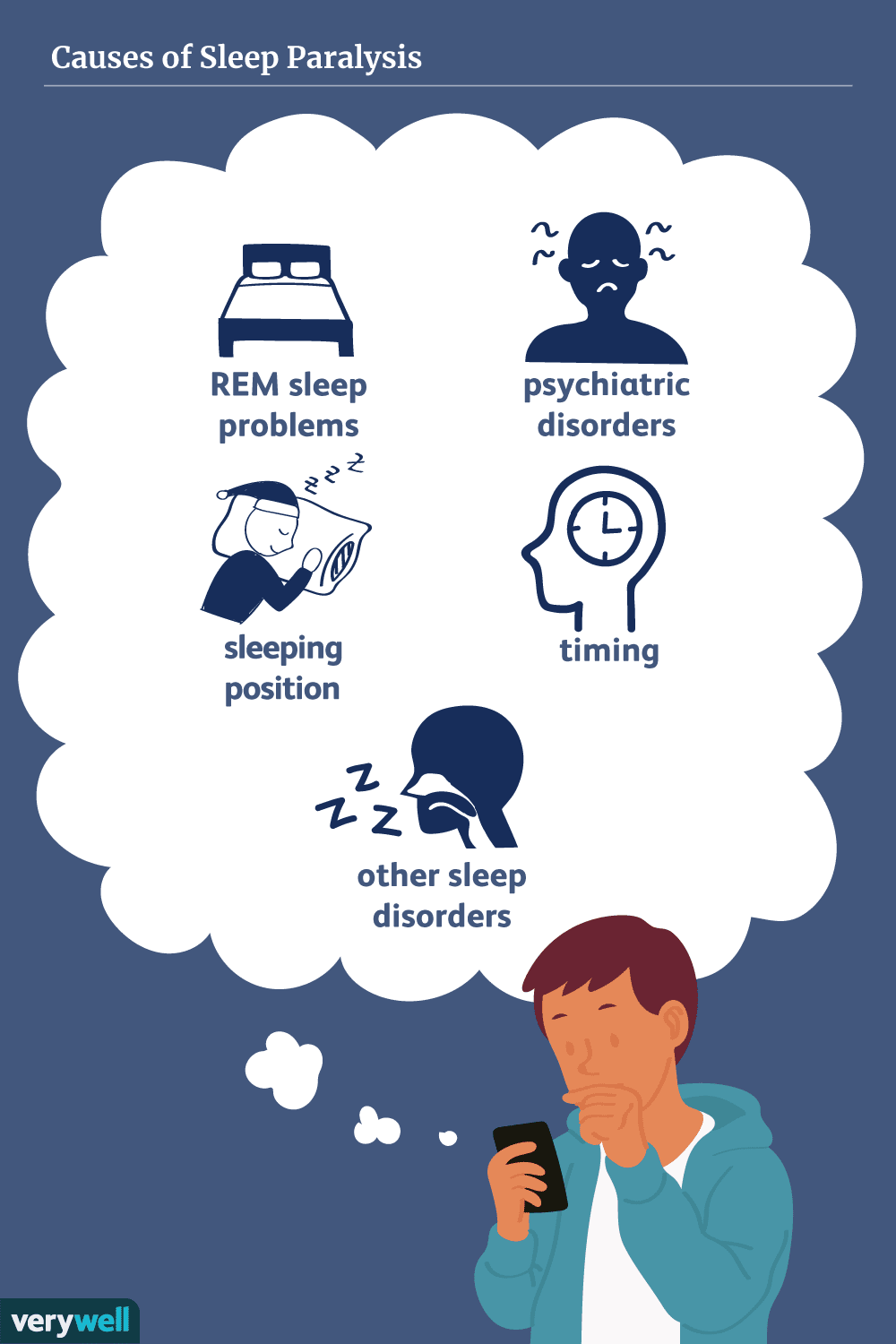
Causes of sleep paralysis
Sleep paralysis can be caused by various factors, such as sleep deprivation, irregular sleep patterns, stress, anxiety, and certain sleep disorders, such as narcolepsy. It is most commonly experienced during adolescence and early adulthood, but it can affect individuals of any age.
Symptoms of sleep paralysis
The main symptom of sleep paralysis is the inability to move or speak while being fully conscious. Other common symptoms include a sense of pressure on the chest, hallucinations (both visual and auditory), and a feeling of impending doom. Sleep paralysis episodes typically last a few seconds to a few minutes, but they can feel much longer due to the intensity of the experience.
My Personal Encounter with Sleep Paralysis
My first experience with sleep paralysis
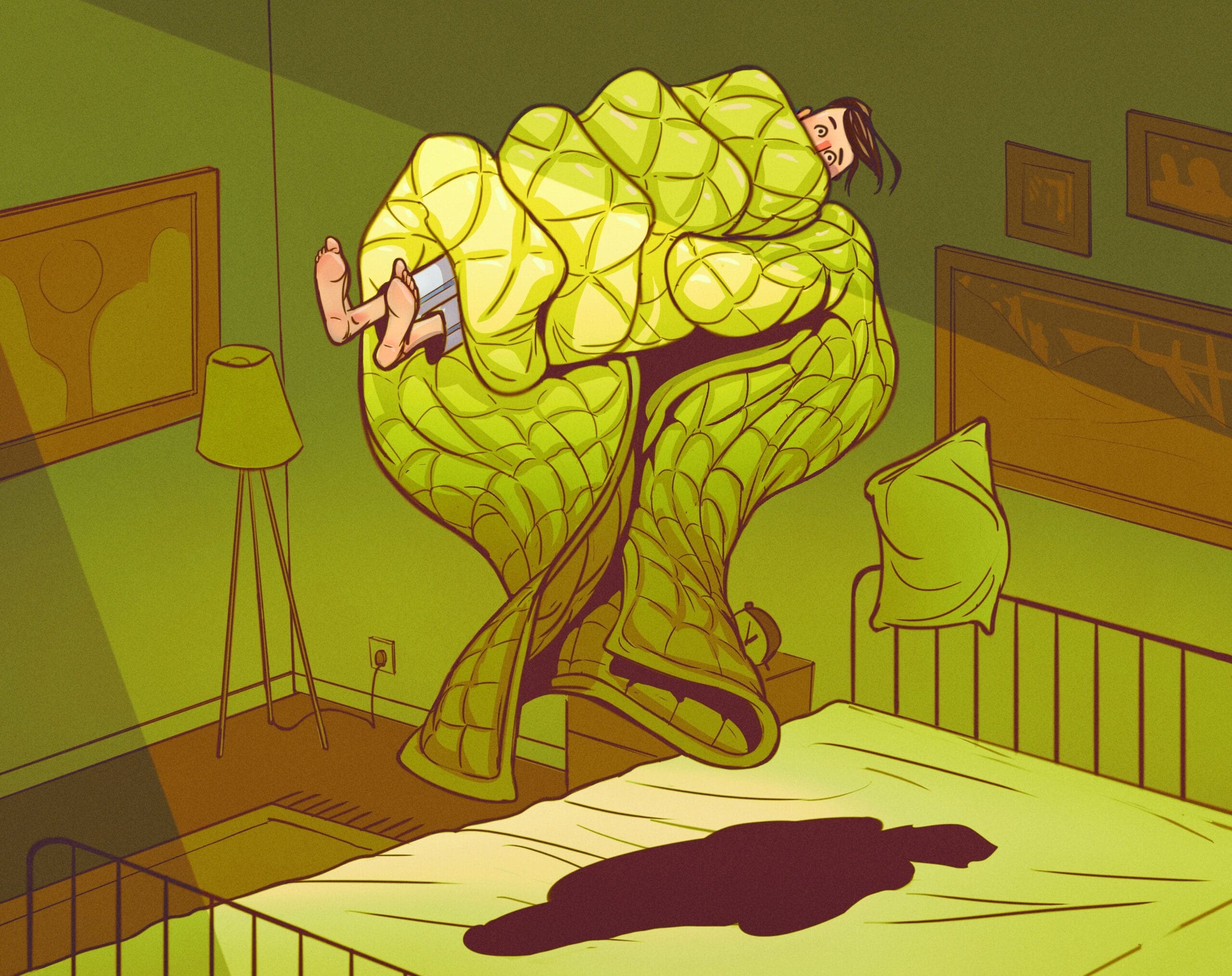
I still vividly remember my first encounter with sleep paralysis. It happened one night during my teenage years. I woke up suddenly, completely unable to move or speak. Panic gripped me as I tried desperately to break free from the paralysis. I felt a heavy weight on my chest, making it difficult to breathe. It was a terrifying experience that left me feeling helpless and frightened.
How it made me feel
Sleep paralysis left me feeling overwhelmed with fear and helplessness. The inability to move or call for help intensified my anxiety, as I felt trapped within my own body. The vivid hallucinations that accompanied sleep paralysis only added to the distressing nature of the experience. It was a true test of my mental strength and resilience.
Frequency and duration of episodes
After that initial terrifying experience, I began to have more frequent episodes of sleep paralysis. They would occur a few times a month, lasting anywhere from a few seconds to several minutes. Each episode brought with it a sense of dread, as I knew what I was about to endure. It became a constant battle to regain control of my body and overcome the paralyzing fear.
Fear and Anxiety Associated with Sleep Paralysis
The overwhelming feeling of fear
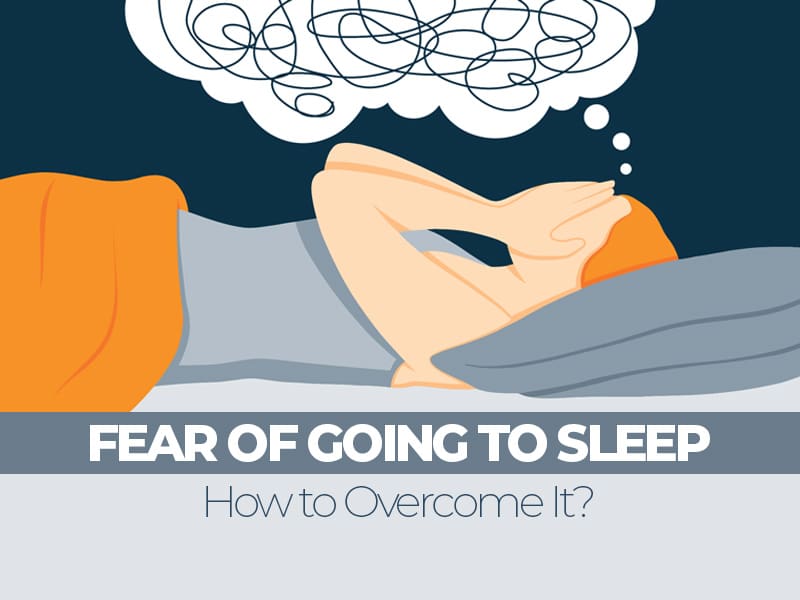
Fear is the dominant emotion experienced during sleep paralysis. It engulfs you, making it challenging to think clearly or act rationally. The inability to move or escape intensifies the fear, leaving you desperately longing for the paralysis to end. It is a nightmarish experience that can haunt your waking thoughts.
Impact on mental health
Sleep paralysis can have a significant impact on your mental health. The persistent fear and anxiety associated with the condition can lead to chronic stress and sleep disturbances. Over time, this can contribute to the development of anxiety disorders, depression, and other mental health issues. It is crucial to address the emotional toll caused by sleep paralysis to maintain overall well-being.
The fear of the unknown
One of the most challenging aspects of sleep paralysis is the fear of the unknown. The hallucinations and strange sensations can be unsettling, and not knowing when or if an episode will occur can create constant apprehension. Overcoming this fear requires understanding the science behind sleep paralysis and implementing coping mechanisms to regain a sense of control.
The Science Behind Sleep Paralysis
The sleep-wake cycle
To understand sleep paralysis, it is essential to grasp the basics of the sleep-wake cycle. Sleep is divided into several stages, including rapid eye movement (REM) sleep and non-rapid eye movement (NREM) sleep. REM sleep is the stage during which dreams occur, and the body experiences temporary muscle paralysis to prevent acting out these dreams. Sleep paralysis occurs when this paralysis extends into wakefulness, leaving you temporarily unable to move or speak.
REM sleep and paralysis
During REM sleep, the brain is highly active, while the muscles of the body are temporarily paralyzed. This paralysis is a protective mechanism that prevents you from acting out your dreams and potentially causing harm to yourself or others. Sleep paralysis can occur when there is a disruption in the normal transition between REM sleep and wakefulness, leading to the continuation of muscle paralysis even after waking up.
Neurological explanation of sleep paralysis
Neurologically, sleep paralysis is believed to be caused by a condition called REM sleep behavior disorder (RBD). RBD occurs when the normal inhibition of muscles during REM sleep fails, causing individuals to physically act out their dreams. However, during sleep paralysis, this inhibition is heightened, leading to temporary muscle paralysis. It is thought to be a result of a dysfunction in the brain mechanisms that regulate REM sleep.
Coping Mechanisms and Techniques
Learning to recognize sleep paralysis
The first step in coping with sleep paralysis is learning to recognize when you are experiencing an episode. By becoming aware of the signs and symptoms, you can better prepare yourself mentally and emotionally. Familiarize yourself with the physical sensations and the fear that often accompanies sleep paralysis. This self-awareness can help shift your mindset and empower you to face the experience head-on.
Controlling your breathing and calming your mind
When faced with sleep paralysis, it is crucial to focus on controlling your breathing and calming your mind. Take slow, deep breaths, and remind yourself that the episode is temporary. Try to shift your attention away from the fear and towards a state of relaxation. Engage in positive self-talk, reassuring yourself that you have the strength to overcome the experience.
Relaxation techniques and visualization
Implementing relaxation techniques, such as progressive muscle relaxation or guided imagery, can be helpful in managing sleep paralysis. These techniques promote a sense of calm and relaxation, easing anxiety and reducing the impact of fear. Visualize yourself in a safe and peaceful environment, creating a mental escape from the paralysis. Practice these techniques regularly to build resilience and increase your ability to cope with future episodes.
Seeking Support and Professional Help
Talking to loved ones about your experiences
Opening up about your experiences with sleep paralysis to loved ones can provide a much-needed support system. Share your fears, anxieties, and frustrations, allowing your loved ones to understand what you are going through. Their empathy and encouragement can help alleviate some of the emotional burden you may be carrying.
Joining support groups and online communities
Connecting with others who have experienced sleep paralysis can also be beneficial. Joining support groups or online communities dedicated to sleep disorders can provide a sense of belonging and the opportunity to learn from others who have found successful coping strategies. These communities can offer valuable insights, validation, and a safe space to discuss your fears and concerns.
Consulting with a sleep specialist or therapist
If sleep paralysis is severely impacting your quality of life and mental well-being, seeking professional help may be necessary. A sleep specialist or therapist with experience in sleep disorders can provide a comprehensive evaluation and offer tailored treatment options. They can help address any underlying sleep issues or psychological factors contributing to your sleep paralysis episodes, relieving the associated fear and anxiety.
Overcoming Fear and Nightmares in Sleep Paralysis
Developing a positive mindset
Overcoming fear and nightmares during sleep paralysis begins with developing a positive mindset. Acknowledge that the fear you experience is a natural response but remind yourself that it is temporary. Adopt a mindset of resilience and determination to face your fears head-on. Focus on the progress you have made and maintain a belief in your ability to overcome the challenges posed by sleep paralysis.
Understanding the illusions and hallucinations
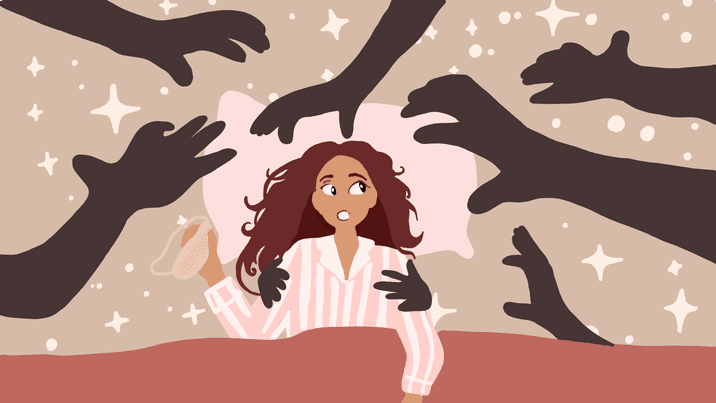
The hallucinations and illusions experienced during sleep paralysis can be overwhelming and terrifying. However, it is crucial to remember that they are products of your mind and do not pose any real threat. Educate yourself about the nature of these hallucinations, understanding that they are merely tricks of the brain. By gaining knowledge and insight, you can begin to diminish the power they hold over you.
Implementing strategies to confront your fears
To overcome fear and nightmares during sleep paralysis, it is essential to confront your fears directly. Gradually expose yourself to the situations or scenarios that evoke fear, allowing yourself to become desensitized over time. This can involve mentally rehearsing challenging scenarios, practicing visualization techniques, or even seeking professional therapy to guide you through the process. As you confront your fears, you will gradually regain a sense of control and diminish their impact on your well-being.
Creating a Sleep-friendly Environment
Establishing a consistent sleep routine
Creating a sleep-friendly environment starts with establishing a consistent sleep routine. Aim to go to bed and wake up at the same time each day, even on weekends. This regular sleep schedule helps regulate your body’s internal clock, promoting healthier sleep patterns and reducing the likelihood of sleep paralysis episodes. Give yourself ample time to wind down before bed, engaging in relaxing activities that signal to your body that it is time to sleep.
Creating a comfortable and calming sleep environment
Ensure that your sleep environment is comfortable and conducive to relaxation. Invest in a good quality mattress and pillows that support your body properly. Use blackout curtains or an eye mask to create a dark and peaceful atmosphere. Keep the room temperature cool and free of distractions, such as noise or excessive light. By optimizing your sleep environment, you can enhance the quality of your sleep and minimize the likelihood of sleep paralysis episodes.
Avoiding stimulants and electronic devices before bed
It is essential to avoid stimulants, such as caffeine and nicotine, before bed as they can disrupt your sleep. Limit your consumption of these substances, particularly in the evening hours. Additionally, reduce your exposure to electronic devices, such as smartphones and tablets, before bed. The blue light emitted by these devices can interfere with your body’s natural sleep-wake cycle, making it harder to fall asleep and potentially triggering sleep paralysis episodes.
Utilizing Lucid Dreaming Techniques
Understanding lucid dreaming
Lucid dreaming is the ability to become aware that you are dreaming while you are still in the dream state. This heightened state of consciousness allows you to exert some control over your dreams and steer them in a desired direction. Lucid dreaming can be used as a tool to transform sleep paralysis episodes into more positive and empowering experiences.
Inducing lucid dreams during sleep paralysis
During an episode of sleep paralysis, it is possible to induce a lucid dream. By focusing your attention on the fact that you are in a dream state and embracing the idea of lucid dreaming, you can shift the narrative of the experience. Instead of feeling trapped and overwhelmed, you can take control and guide the dream in a more positive direction. This technique requires practice and patience but can be a powerful way to transform sleep paralysis into a more enjoyable and empowering experience.
Turning nightmares into empowering experiences
Another aspect of utilizing lucid dreaming techniques during sleep paralysis is the ability to turn nightmares into empowering experiences. When you realize that you are in a dream state, you can use your lucidity to confront and overcome the fears and nightmares that often accompany sleep paralysis. By doing so, you can transform these negative experiences into opportunities for personal growth and self-discovery.
The Journey to Overcoming Fear
Patience and persistence
Overcoming fear in sleep paralysis is a journey that requires patience and persistence. It is not an overnight process but rather a gradual shift in mindset and the implementation of effective coping strategies. Understand that progress may be slow at times, and setbacks are normal. Maintain your determination and stay committed to the journey of overcoming fear. With time and perseverance, you will find yourself becoming stronger and more resilient.
Tracking progress and improvement
Keeping track of your progress and improvement throughout your journey is important. Celebrate even the smallest victories, such as recognizing the onset of sleep paralysis or successfully implementing relaxation techniques. This self-reflection and self-awareness will provide motivation and encouragement during times of adversity.
Acceptance and embracing personal growth
Ultimately, overcoming fear in sleep paralysis requires acceptance and embracing personal growth. Recognize that sleep paralysis is a part of your life, but it does not define you. Learn to accept the experience for what it is and focus on the lessons and insights it can offer. As you continue on your journey, you will discover newfound strength and resilience, enabling you to face not only sleep paralysis but also other challenges that come your way. Embrace the opportunity for personal growth, and your fear will gradually be replaced by a sense of empowerment and self-confidence.
In conclusion, sleep paralysis can be a frightening and unsettling experience, but it is possible to overcome the fear associated with it. By understanding the science behind sleep paralysis, implementing coping mechanisms, seeking support when needed, and creating a sleep-friendly environment, you can regain control and alleviate the anxiety caused by sleep paralysis. Embracing the journey of personal growth and resilience, you can overcome fear and transform sleep paralysis into an opportunity for self-discovery and empowerment. Remember, you are not alone – there are resources and a community of individuals who have faced similar experiences and can provide support along the way. Sleep paralysis may test your strength, but with patience and persistence, you will find yourself emerging stronger and more resilient than ever before.