
Imagine drifting off to sleep peacefully, your body relaxed and your mind at ease. Suddenly, you find yourself trapped in a state of complete immobility, unable to move or even scream for help. This was my first encounter with sleep paralysis, a mysterious and often terrifying phenomenon that affects countless individuals around the world. In this article, we will explore what sleep paralysis is, my personal experience with it, and the potential reasons behind this perplexing occurrence. Brace yourself for a journey into the world of the unknown, where reality and dreams entwine, and the line between them blurs.
Definition of Sleep Paralysis
Explanation of what sleep paralysis is
Sleep paralysis is a phenomenon that occurs during the transitional period between wakefulness and sleep or upon awakening. It is characterized by a temporary inability to move or speak, often accompanied by vivid hallucinations and a sense of pressure on the chest. Despite its alarming nature, sleep paralysis is generally harmless and not indicative of any underlying health problems.
How it affects the body
During sleep paralysis, the body is essentially caught in a state of transition between sleep and wakefulness. The brain’s normal mechanisms for immobilizing the body during sleep, known as REM atonia, persist briefly upon waking up, leading to the sensation of being temporarily paralyzed. While the exact mechanisms behind sleep paralysis are not fully understood, it is believed to be linked to disruptions in the normal sleep cycle.
Common symptoms experienced
Sleep paralysis manifests differently from person to person, but there are several common symptoms that individuals commonly report. These include a sense of being unable to move or speak, a feeling of being pressed down or weighed upon, hallucinations or distorted sensory experiences, intense fear or anxiety, and a rapid heart rate. Individuals may also experience a sensation of an invisible presence or the perception of shadowy figures in the room.
My Personal Experience
Description of the first encounter with sleep paralysis
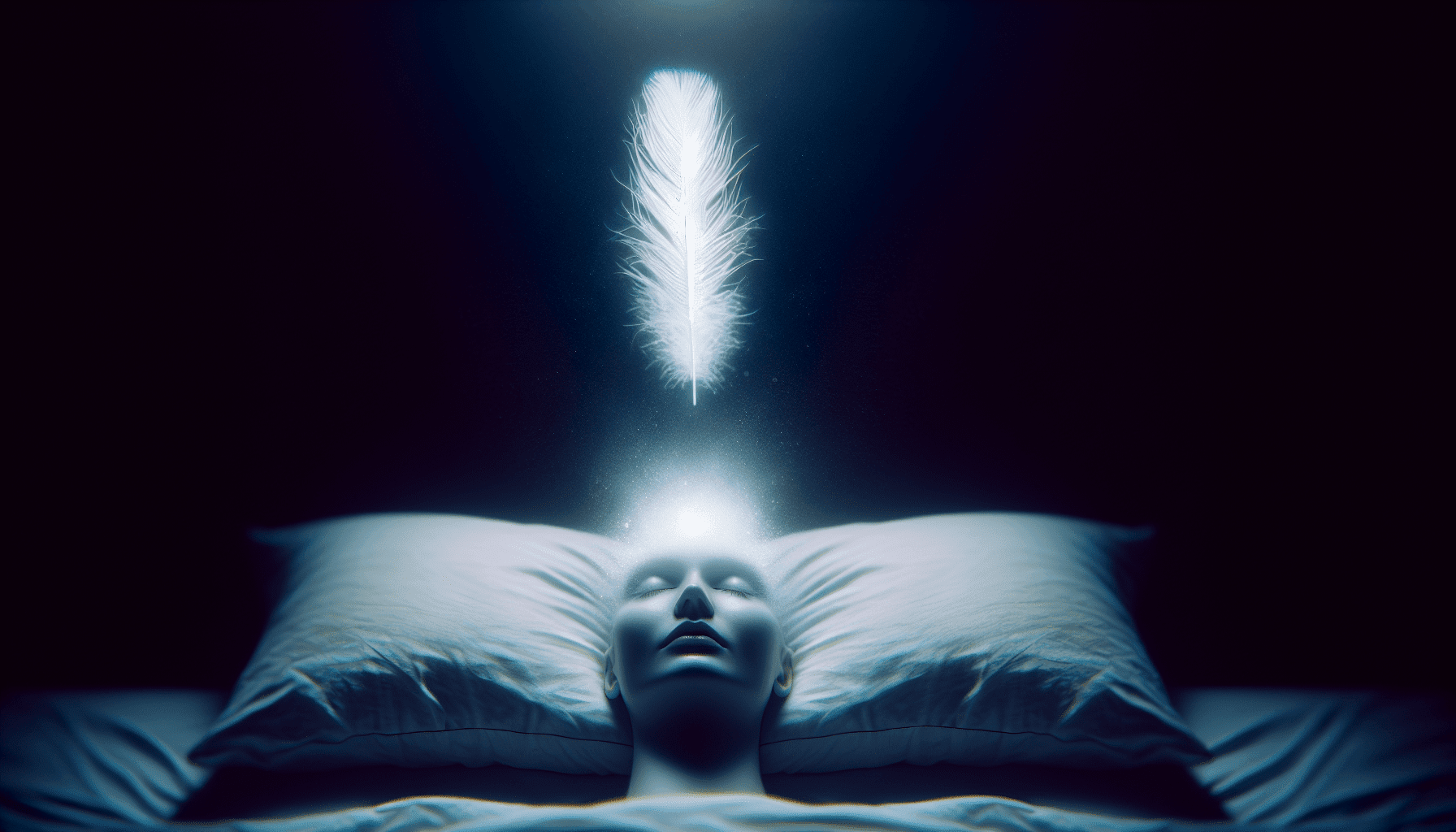
I remember vividly the first time I experienced sleep paralysis. It was a perplexing and frightening experience that left me feeling vulnerable and disoriented. I had just woken up in the middle of the night and was lying on my back, gazing at the ceiling when I realized something was not quite right. No matter how hard I tried, I couldn’t move a single muscle. Panic began to set in as I struggled to understand what was happening to me.
Setting and circumstances
The episode took place in my own bedroom, a seemingly safe and familiar environment that suddenly became the stage for a terrifying ordeal. The room was dimly lit with the soft glow of a nightlight, casting eerie shadows on the walls. The stillness of the night amplified the sense of isolation and helplessness, as if the world outside had ceased to exist. It was an unnerving combination of familiarity and surrealism that intensified the impact of the experience.
Feelings and emotions during the episode
As I lay there, paralyzed and unable to move, a wave of fear washed over me. It felt as though an invisible force was pressing down on my chest, making it difficult to breathe. I tried to call out for help, but my voice was trapped within me. Panic turned into sheer terror as I began to see strange shapes and figures lurking in the corners of my vision. My heart pounded in my chest as I desperately struggled to break free from this nightmarish state.
Physical Sensations
Brief description of physical sensations felt during sleep paralysis
During sleep paralysis, one of the most striking physical sensations is the inability to move any part of the body. It feels as if you are trapped within your own body, immobilized and powerless. Additionally, many people describe the sensation of pressure on their chest, which can range from mild discomfort to the feeling of being crushed. This sensation can make breathing difficult and further contribute to the sense of panic.
Inability to move or speak
Perhaps the most defining aspect of sleep paralysis is the complete loss of voluntary control over one’s body. Despite the conscious desire to move or call out, all attempts are met with frustration and disappointment. No matter how much effort is exerted, the muscles simply refuse to respond, leaving individuals feeling trapped and paralyzed.
Pressure on the chest
A common physical sensation experienced during sleep paralysis is the feeling of pressure on the chest. This sensation is often described as a heavy weight or an invisible force that makes breathing difficult. The chest pressure can contribute to a sense of suffocation, which further fuels anxiety and fear during the episode.
Hallucinations and sensory distortions
Hallucinations and sensory distortions are a hallmark of sleep paralysis. Individuals may perceive vivid and lifelike visual images, hear strange sounds, and even feel physical sensations that are not present. These hallucinations can range from benign and mundane to utterly terrifying, and they can intensify the overall distress experienced during sleep paralysis episodes.
Psychological Effects
Impact on mental well-being
Sleep paralysis can have a significant impact on an individual’s mental well-being. The fear and distress associated with the episodes can lead to increased anxiety, insomnia, and even depression. The recurring nature of sleep paralysis can also create a sense of anticipation and anxiety surrounding sleep, further exacerbating the psychological toll it takes.
Fear and anxiety associated with sleep paralysis
Fear and anxiety are common emotional responses to sleep paralysis. The feeling of being trapped, coupled with the hallucinations and distorted sensory experiences, can trigger a primal fear response in individuals. The fear often stems from the unknown, as many people are unaware of the nature of sleep paralysis and may interpret the hallucinations as supernatural occurrences.
Effects on sleep quality and patterns
Sleep paralysis can disrupt normal sleep patterns and negatively impact sleep quality. Fear of experiencing another episode can create anxiety around sleep, leading to difficulty falling asleep or staying asleep. The disrupted sleep can result in daytime fatigue, decreased cognitive functioning, and overall reduced quality of life.
Research and Scientific Explanations
Overview of scientific studies on sleep paralysis
Over the years, numerous scientific studies have been conducted to shed light on the mysteries of sleep paralysis. Researchers have explored its prevalence, underlying mechanisms, and potential links to other sleep disorders. While several aspects of sleep paralysis remain unanswered, the scientific community has made significant progress in understanding this perplexing phenomenon.
Theories and hypotheses regarding its causes
Various theories and hypotheses have been proposed to explain the causes of sleep paralysis. One prominent theory suggests that sleep paralysis is a result of a mismatch between the brain’s rapid eye movement (REM) sleep phase and wakefulness. Another hypothesis suggests that disruptions in neurotransmitters or the brain’s sleep regulation process could contribute to the occurrence of sleep paralysis.
Relationship to REM sleep and dreaming
Sleep paralysis is closely tied to REM sleep, the stage of sleep where vivid dreaming occurs. During REM sleep, the brain temporarily disables the body’s muscle activity to prevent individuals from physically acting out their dreams. Sleep paralysis may occur when this muscle inhibition persists upon waking up or returning to a state of consciousness during the REM sleep cycle.
Cultural and Historical Perspectives
Different cultural interpretations of sleep paralysis
Sleep paralysis has been interpreted and understood differently across various cultures around the world. In some cultures, it is attributed to supernatural forces, such as demons or ghosts. Others interpret it as a consequence of certain spiritual practices or as a visitation from deities. These cultural beliefs and interpretations can shape an individual’s experience and perception of sleep paralysis.
Historical references to sleep paralysis
References to sleep paralysis can be found throughout history. Ancient civilizations, such as the Egyptians and Greeks, documented accounts of sleep paralysis-like experiences. In medieval Europe, sleep paralysis was often attributed to demonic possession or witchcraft. These historical references provide a glimpse into how sleep paralysis has been understood and interpreted throughout different time periods.
Folklore and supernatural beliefs surrounding it
Sleep paralysis has long been associated with folklore and supernatural beliefs. In many cultures, the experience is attributed to malicious spirits or otherworldly entities that visit individuals during their vulnerable state. These supernatural explanations reflect the deep-rooted fear and mystique associated with sleep paralysis across different societies.
Managing and Coping Strategies
Self-help techniques during sleep paralysis
While experiencing sleep paralysis can be distressing, there are various self-help techniques that can help manage and cope with the episodes. One commonly recommended approach is to focus on regulating breathing and staying calm. Reminding yourself that the experience is temporary and not harmful can also alleviate anxiety. Additionally, adopting relaxation techniques, such as deep breathing exercises or meditation, before bedtime may help reduce the frequency of sleep paralysis episodes.
Improving sleep hygiene
Promoting good sleep hygiene can also be beneficial in managing sleep paralysis. Establishing a regular sleep schedule, creating a comfortable sleep environment, avoiding stimulating activities or substances before bed, and practicing relaxation techniques can all contribute to better sleep. By prioritizing overall sleep quality, the occurrence of sleep paralysis episodes may be reduced.
Seeking professional help when needed
If sleep paralysis episodes become frequent, severely impact daily functioning, or contribute to significant distress, it may be helpful to seek professional help. Sleep specialists can provide specialized guidance and assistance in managing sleep paralysis, as well as evaluate for any underlying sleep disorders or other related conditions that may be exacerbating the episodes. Techniques such as cognitive-behavioral therapy or medication may be recommended in certain cases.
Frequency and Recurrence
Discussion on the frequency of sleep paralysis episodes
The frequency of sleep paralysis episodes varies among individuals. Some people may experience it infrequently, while others may encounter episodes more frequently, even multiple times per week. Factors such as age, sleep patterns, and overall sleep quality can influence the frequency of sleep paralysis episodes.
Factors that can contribute to its recurrence
Several factors can contribute to the recurrence of sleep paralysis episodes. Disrupted sleep schedules, irregular sleep patterns, increased stress or anxiety levels, sleep deprivation, and certain medications or substances can all increase the likelihood of experiencing sleep paralysis. Identifying and addressing these contributing factors can be crucial in minimizing the recurrence of episodes.
Long-term prognosis and potential for prevention
Although sleep paralysis can be recurrent, it generally does not indicate a severe underlying health condition. For most individuals, sleep paralysis episodes tend to diminish or cease over time. By implementing strategies to improve sleep hygiene, manage stress, and seek professional help if necessary, the long-term prognosis for sleep paralysis can be favorable, with the potential to reduce the frequency and impact of episodes.
Connection to Other Sleep Disorders
Relationship between sleep paralysis and other sleep disorders
Sleep paralysis is often linked to other sleep disorders, such as narcolepsy, sleep apnea, and insomnia. These disorders can disrupt the normal sleep cycle and increase the likelihood of experiencing sleep paralysis episodes. Understanding the interplay between sleep disorders and sleep paralysis is essential in developing effective treatment approaches.
Similarities and differences with night terrors
While sleep paralysis and night terrors share some similarities in terms of the feelings of fear and distress, they have distinct characteristics. Sleep paralysis occurs upon awakening or during the transition between sleep and wakefulness, while night terrors typically occur during deep sleep. Night terrors are often accompanied by intense screaming, thrashing, and a lack of recall upon waking up.
Possible connection to narcolepsy
Sleep paralysis is commonly associated with narcolepsy, a neurological disorder characterized by excessive daytime sleepiness and uncontrollable bouts of sleep. Many individuals with narcolepsy experience sleep paralysis as part of their symptomatology. The underlying mechanisms that contribute to both narcolepsy and sleep paralysis are still being explored by researchers.
Sharing Experiences and Building Awareness
Personal stories of others who have experienced sleep paralysis
Sharing personal experiences of sleep paralysis can be both therapeutic and informative. By hearing about the stories of others who have encountered sleep paralysis, individuals can gain a sense of validation and realize that they are not alone in their experiences. Personal narratives can also raise awareness about the phenomenon and help others understand the nature and impact of sleep paralysis.
Online communities and support groups
The advent of the internet has provided a platform for individuals to connect and share their experiences with sleep paralysis. Online communities and support groups offer a space where individuals can find understanding, support, and helpful coping strategies. Engaging with these communities can be beneficial for those seeking information, comfort, or a sense of belonging related to sleep paralysis.
Importance of raising awareness and reducing stigma
Raising awareness about sleep paralysis is crucial in dispelling misconceptions and reducing the stigma associated with it. Increased knowledge and understanding can empower individuals and promote empathy and support. It is essential to promote open conversations about sleep paralysis to foster a community that is informed and compassionate toward those who experience this phenomenon.
In conclusion, sleep paralysis is a perplexing and often distressing experience that can affect individuals from various cultural backgrounds. Understanding the definition, impact on the body, physical sensations, psychological effects, research findings, cultural perspectives, and management strategies surrounding sleep paralysis contributes to building awareness and reducing the stigma associated with this phenomenon. By sharing personal experiences and supporting one another, we can navigate this enigmatic occurrence with greater clarity and empathy.