
In this article, “Exploring the Causes of Sleep Paralysis,” you will delve into the intricate mechanisms behind this phenomenon. Sleep paralysis is a state in which one is temporarily unable to move or speak while transitioning between sleep and wakefulness. Various factors contribute to the occurrence of sleep paralysis, including disrupted sleep patterns, stress, sleep disorders, and even genetics. By understanding the underlying causes of sleep paralysis, individuals may be better equipped to manage and potentially prevent this unsettling experience.
What Causes Sleep Paralysis?

Understanding the Basics of Sleep Paralysis
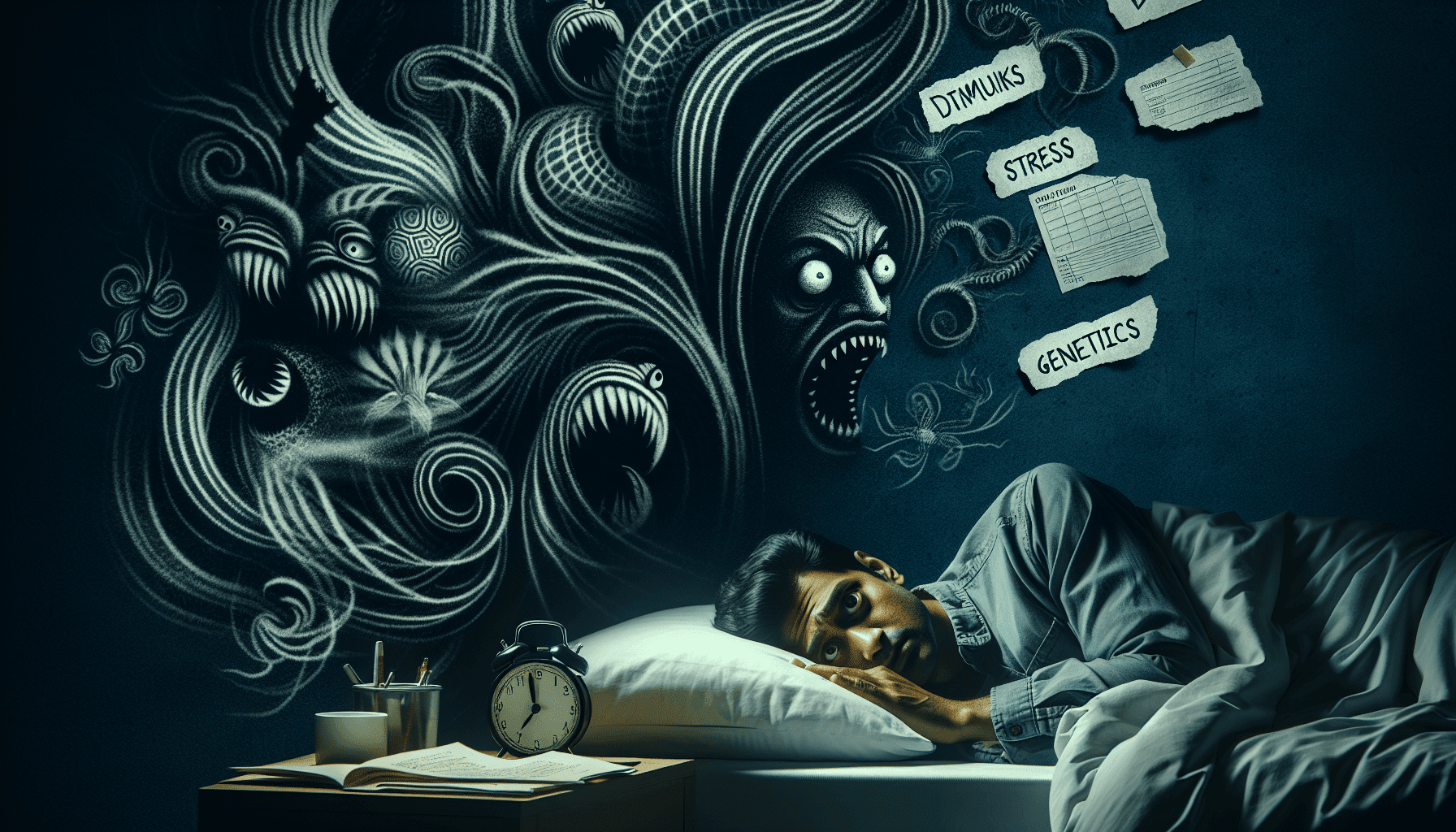
Sleep paralysis is a phenomenon where an individual experiences a temporary inability to move or speak while falling asleep or waking up. This condition is often accompanied by a sense of pressure on the chest and hallucinations. As terrifying as it may seem, sleep paralysis is relatively common and usually not a cause for concern. However, understanding the underlying causes of sleep paralysis can help manage and potentially prevent future episodes.
The Role of REM Sleep
Rapid Eye Movement (REM) sleep is a stage of the sleep cycle characterized by intense brain activity, vivid dreams, and rapid eye movements. During REM sleep, the body is typically paralyzed to prevent acting out dreams and to promote restful sleep. Sleep paralysis occurs when an individual partially wakes up during REM sleep but remains in a state of paralysis. This interruption in the sleep cycle can lead to the sensation of being awake but unable to move or speak.
Biological Factors Contributing to Sleep Paralysis
Several biological factors can contribute to the occurrence of sleep paralysis. Understanding these factors can provide insight into why some individuals may be more prone to experiencing sleep paralysis.
Genetics and Family History
Research suggests that genetics may play a role in predisposing individuals to sleep paralysis. Studies have found that individuals with a family history of sleep paralysis are more likely to experience episodes themselves. While the specific genes involved are still being studied, there appears to be a hereditary component to this condition.
Neurological Conditions
Certain neurological conditions can increase the likelihood of experiencing sleep paralysis. Conditions such as narcolepsy, migraines, and sleep disorders like sleep apnea have been associated with an increased risk of sleep paralysis. These conditions can disrupt the normal sleep cycle, making individuals more susceptible to episodes of paralysis during sleep.
Brain Chemistry
Imbalances in neurotransmitters, such as serotonin and dopamine, can also contribute to sleep paralysis. These chemicals play a crucial role in regulating mood, sleep, and muscle movement. Disruptions in brain chemistry can interfere with the body’s ability to transition through the sleep cycle smoothly, leading to instances of sleep paralysis.
Environmental Factors Influencing Sleep Paralysis
In addition to biological factors, environmental influences can also contribute to the occurrence of sleep paralysis. Identifying and addressing these factors can help manage and reduce the frequency of sleep paralysis episodes.
Stress and Anxiety
Stress and anxiety have been linked to sleep paralysis, as heightened emotional states can disrupt the sleep cycle and increase the likelihood of experiencing episodes. Individuals who are under significant stress or dealing with anxiety disorders may be more prone to sleep paralysis. Finding ways to manage and reduce stress levels can help improve sleep quality and reduce the occurrence of paralysis during sleep.
Sleep Deprivation
A lack of quality sleep can contribute to the onset of sleep paralysis. Poor sleep habits, irregular sleep schedules, and sleep disorders can disrupt the body’s natural sleep-wake cycle, increasing the chances of experiencing paralysis during sleep. Prioritizing good sleep hygiene and ensuring an adequate amount of rest each night can help prevent sleep paralysis episodes.
Environmental Stimuli
External factors in the sleep environment can also influence the occurrence of sleep paralysis. Factors such as noise, light, temperature, and uncomfortable bedding can disrupt sleep quality and increase the likelihood of experiencing sleep paralysis. Creating a sleep-friendly environment that is conducive to restful sleep can help reduce the occurrence of paralysis during sleep.
Psychological Factors and Sleep Paralysis
Psychological factors can also play a significant role in the occurrence of sleep paralysis. Understanding how emotions and mental health can impact sleep paralysis is crucial in managing and addressing this condition.
Trauma and PTSD
Individuals who have experienced trauma or post-traumatic stress disorder (PTSD) may be more susceptible to sleep paralysis. Traumatic events can trigger heightened stress responses in the body, leading to disruptions in sleep patterns and an increased risk of experiencing paralysis during sleep. Seeking therapy or counseling to address trauma-related issues can help alleviate symptoms of sleep paralysis.
Sleep-Related Anxiety
Fear of experiencing another episode of sleep paralysis can create anxiety around sleep, making it more difficult to relax and fall asleep. This sleep-related anxiety can perpetuate the cycle of sleep paralysis, as heightened stress levels can trigger more frequent episodes. Cognitive-behavioral therapy (CBT) and relaxation techniques can help manage sleep-related anxiety and improve sleep quality.
Sleep Paralysis Hallucinations
Sleep paralysis is often accompanied by vivid hallucinations that can be frightening and disorienting. These hallucinations are a result of the brain transitioning between the dream state and wakefulness during sleep paralysis. Understanding the nature of these hallucinations and recognizing them as a part of the sleep paralysis experience can help reduce fear and anxiety associated with the condition.
Treating and Managing Sleep Paralysis
While sleep paralysis can be a distressing experience, there are several strategies for treating and managing this condition. By addressing underlying factors and making lifestyle changes, individuals can reduce the frequency of sleep paralysis episodes and improve sleep quality.
Improving Sleep Hygiene
Establishing a consistent sleep routine, creating a comfortable sleep environment, and practicing relaxation techniques can improve sleep hygiene and reduce the likelihood of experiencing sleep paralysis. Maintaining a regular sleep schedule, avoiding stimulants before bedtime, and limiting screen time before sleep can promote restful sleep and prevent disruptions in the sleep cycle.
Managing Stress and Anxiety
Finding healthy ways to manage stress and anxiety is crucial in reducing the occurrence of sleep paralysis. Engaging in relaxation techniques such as deep breathing exercises, meditation, and yoga can help calm the mind and body before bedtime. Seeking therapy or counseling to address underlying stressors can also be beneficial in managing sleep paralysis.
Seeking Medical Assistance
If sleep paralysis becomes frequent and severely impacts daily life, it may be necessary to seek medical assistance. A healthcare provider can conduct a thorough evaluation to rule out underlying medical conditions that may be contributing to sleep paralysis. In some cases, medication or therapy may be recommended to address sleep disorders or mental health issues impacting sleep quality.
Conclusion
Sleep paralysis is a complex phenomenon that can be influenced by various biological, environmental, and psychological factors. Understanding the causes of sleep paralysis is essential in managing and addressing this condition effectively. By addressing sleep hygiene, managing stress and anxiety, and seeking medical assistance when necessary, individuals can reduce the frequency of sleep paralysis episodes and enjoy restful, uninterrupted sleep. Remember, sleep paralysis is a common and usually harmless occurrence, but if it becomes a persistent issue, it’s important to consult with a healthcare professional for proper evaluation and treatment.