

Imagine waking up in the middle of the night, unable to move a muscle as if you are trapped in your own body. Your mind is fully awake, but your body remains trapped in a state of paralysis. You desperately try to scream, but no sound leaves your lips. This unsettling phenomenon is known as sleep paralysis, a mysterious and often terrifying experience that leaves those who encounter it questioning the boundaries between dreams and reality. In this article, we will explore what it is like to experience sleep paralysis, uncovering the eerie sensations and unsettling hallucinations that accompany this baffling condition. Brace yourself for a glimpse into the fascinating and bewildering world of sleep paralysis.
Understanding Sleep Paralysis
Sleep paralysis is a fascinating phenomenon that occurs when you are temporarily unable to move or speak while transitioning between sleep and wakefulness. It is often accompanied by vivid hallucinations and a sense of being trapped or immobilized. In this article, we will delve into the definition, prevalence, causes, symptoms, types, triggers, scientific explanations, cultural interpretations, impact on mental health, and ways to manage and cope with sleep paralysis.
Definition
Sleep paralysis is a temporary inability to move or speak that occurs when you are waking up or falling asleep. It is often accompanied by a feeling of being conscious and aware of your surroundings, but unable to physically interact with them. While this can be a quite alarming experience, it is important to note that sleep paralysis is not considered a medical emergency.

Prevalence
Sleep paralysis is more common than you might think. Studies have shown that around 7.6% of the general population experiences sleep paralysis at least once in their lifetime. While it can affect people of all ages, it tends to be more prevalent in teenagers and young adults. It is also more common in individuals with certain sleep disorders, such as narcolepsy.
Causes
The exact causes of sleep paralysis are still not fully understood, but several factors have been identified as potential triggers. Sleep deprivation, irregular sleep schedules, stress, and anxiety are common triggers that can increase the likelihood of experiencing sleep paralysis. Additionally, certain sleep disorders, such as narcolepsy and sleep apnea, have also been associated with a higher risk of sleep paralysis.

Symptoms of Sleep Paralysis
When experiencing sleep paralysis, there are several common symptoms that you may encounter. The most prominent symptom is the inability to move or speak, even though you are fully conscious and aware of your surroundings. This can be a deeply unsettling experience, as you may try to scream or move your body but find yourself completely immobilized.
Another symptom often reported during sleep paralysis is a feeling of pressure on the chest. It can feel as if there is a heavy weight pressing down on your chest, making it difficult to breathe. This sensation can further contribute to the sense of panic and fear that accompanies sleep paralysis.
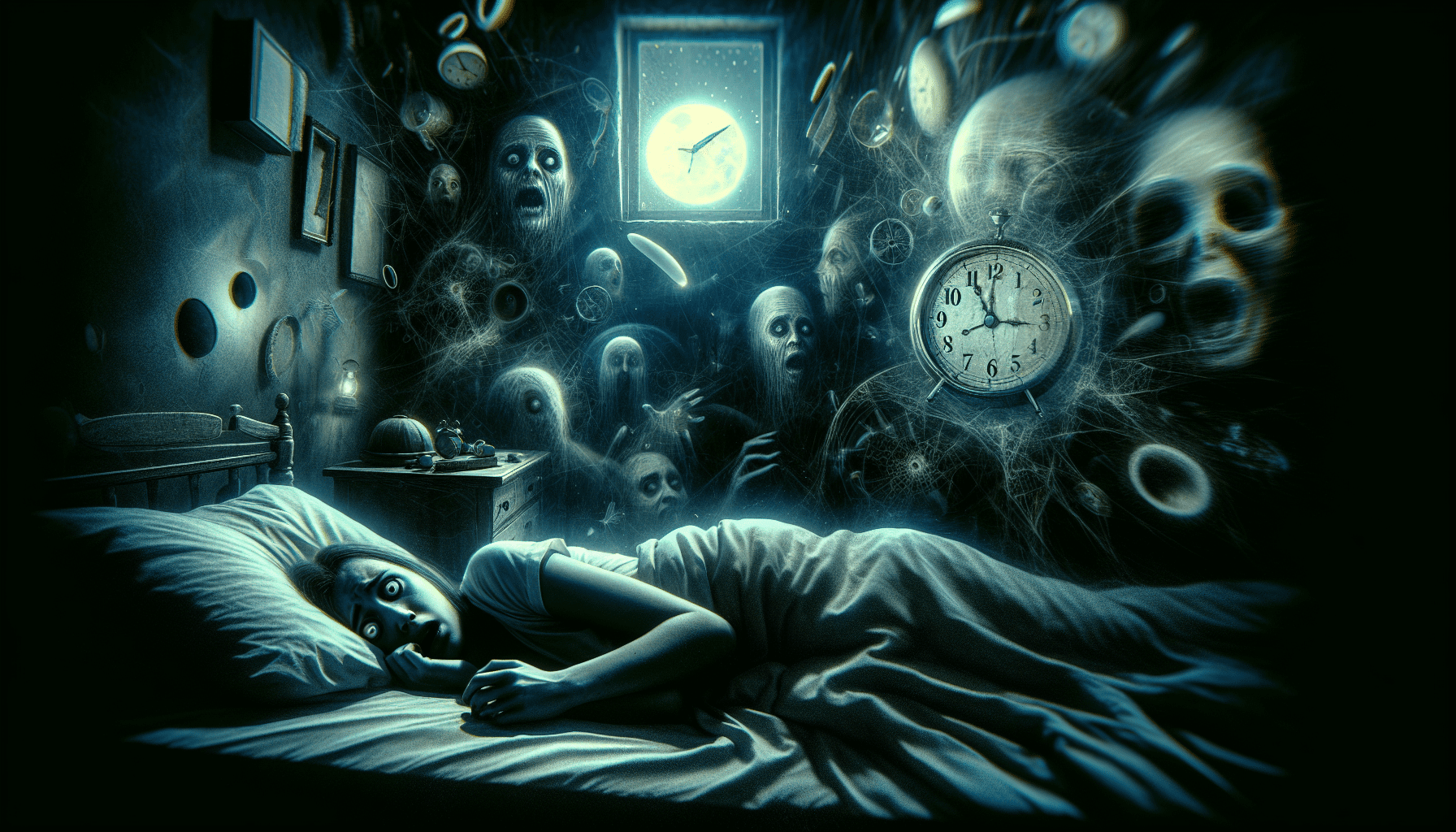
Hallucinations are also a common symptom during sleep paralysis. These hallucinations can range from visual to auditory, and may be perceived as extremely vivid and lifelike. You may see shadowy figures or hear unsettling noises, further amplifying the feeling of terror and helplessness.
A sense of impending doom is another commonly reported symptom. Many individuals experiencing sleep paralysis describe an overwhelming feeling of impending danger or imminent harm. This can intensify the anxiety and fear associated with the episode.
Difficulty breathing is also frequently encountered during sleep paralysis. While this symptom is often related to the feeling of pressure on the chest, some individuals may also experience a genuine sensation of struggling to breathe. It is important to note that this difficulty breathing is typically a result of the anxiety and panic that accompanies sleep paralysis, rather than an actual physical obstruction.
Types of Sleep Paralysis
Sleep paralysis can be categorized into two main types: isolated sleep paralysis and recurrent sleep paralysis.
Isolated sleep paralysis refers to experiences of sleep paralysis that occur infrequently and sporadically. It is often a one-time occurrence or may happen very rarely, without any regular pattern. Isolated sleep paralysis is usually not indicative of any underlying sleep disorders or significant health concerns.
Recurrent sleep paralysis, on the other hand, refers to the experience of sleep paralysis that happens regularly and frequently. These episodes can occur multiple times a month or even several times a week. Recurrent sleep paralysis is often associated with underlying sleep disorders such as narcolepsy or other medical conditions that could benefit from professional evaluation and treatment.
Triggers of Sleep Paralysis
While the exact causes of sleep paralysis are still not fully understood, certain triggers have been identified that can increase the likelihood of experiencing an episode. Sleep deprivation is a common trigger, as a lack of sufficient sleep can disrupt the delicate balance of sleep stages, making sleep paralysis more likely to occur.
Irregular sleep schedules can also play a role in triggering sleep paralysis. Abrupt changes in sleep patterns, such as jet lag or shift work, can disrupt the normal sleep-wake cycle and increase the risk of experiencing sleep paralysis.
Stress and anxiety have long been recognized as triggers for various sleep disturbances, including sleep paralysis. High levels of stress and anxiety can disrupt sleep patterns and make individuals more prone to experiencing sleep paralysis episodes.
Certain sleep disorders, such as narcolepsy, are closely associated with sleep paralysis. Narcolepsy involves excessive daytime sleepiness and a tendency to suddenly fall asleep, which can lead to sleep paralysis episodes.
The Science behind Sleep Paralysis
To understand sleep paralysis, we need to delve into the underlying mechanisms of sleep. Sleep occurs in different stages, and one of the key stages is REM (rapid eye movement) sleep. During REM sleep, the brain is highly active, and most dreaming occurs. To prevent you from acting out your dreams and potentially causing injury to yourself, a phenomenon called muscle atonia occurs. Muscle atonia refers to the temporary paralysis of the muscles during REM sleep.
In sleep paralysis, this muscle atonia continues even after you wake up or before you fully fall asleep. This results in the inability to move or speak, leading to the characteristic symptoms of sleep paralysis. Disrupted sleep patterns can contribute to this phenomenon, as they can cause a disruption in the normal transitions between sleep stages.
Cultural Interpretations of Sleep Paralysis
Sleep paralysis has been interpreted and understood differently across various cultures and throughout history. In many cultures, sleep paralysis has been associated with supernatural beliefs and seen as evidence of malevolent entities or spirits. Folklore and myths often depict sleep paralysis as encounters with demons, witches, or other supernatural beings.
Scientific explanations have provided us with a better understanding of sleep paralysis, but cultural interpretations still persist in many societies. It is important to recognize that these interpretations are based on cultural beliefs and do not reflect the objective reality of sleep paralysis.
The Impact on Mental Health
Experiencing sleep paralysis can have a significant impact on mental health. The intense fear, panic, and helplessness associated with sleep paralysis can lead to increased levels of anxiety and depression. The recurring nature of sleep paralysis can further contribute to sleep disturbances and insomnia, which can negatively affect overall mental well-being.
Managing and Coping with Sleep Paralysis
While sleep paralysis can be a distressing experience, there are strategies and techniques that can help manage and cope with it. Improving sleep hygiene is an important first step. This involves maintaining a consistent sleep schedule, creating a relaxing sleep environment, and avoiding stimulating activities before bedtime.
Relaxation techniques such as deep breathing exercises, meditation, and progressive muscle relaxation can help calm the mind and body, reducing anxiety and the likelihood of experiencing sleep paralysis.
If sleep paralysis becomes a frequent occurrence and significantly impacts your daily life, it is advisable to seek professional help. A healthcare professional can evaluate your sleep patterns, identify any underlying sleep disorders, and provide appropriate treatment options.
Tips for Dealing with Sleep Paralysis
If you find yourself experiencing sleep paralysis, there are several tips to help manage the episode:
-
Recognize the signs: It is important to familiarize yourself with the symptoms of sleep paralysis so that you can identify when an episode is occurring.
-
Stay calm and try to relax: Remind yourself that sleep paralysis is a temporary phenomenon and that it will pass. Avoid panicking or resisting the experience, as this can intensify the fear and prolong the episode.
-
Focus on controlled breathing: Concentrate on slow, deep breaths to help calm your body and reduce anxiety.
-
Attempt to move small body parts: Start by trying to wiggle your fingers or toes. This can help break the paralysis and regain control over your body.
-
Using sleep aids: In some cases, sleep aids prescribed by a healthcare professional can help manage sleep paralysis. However, it is important to consult a doctor before trying any medication.
Seeking Medical Advice
While sleep paralysis is generally harmless, there are instances when seeking medical advice is warranted.
If you experience sleep paralysis frequently and it significantly impacts your daily life, it is advisable to consult a doctor. They can evaluate your symptoms, perform a detailed medical history, and potentially recommend further diagnostic tests.
Medical evaluation and diagnosis are important steps to rule out any underlying medical conditions or sleep disorders that may require specific treatment. A healthcare professional can provide appropriate guidance and offer treatment options tailored to your individual needs.
Treatment options for sleep paralysis may vary depending on the underlying cause. In some cases, treating an associated sleep disorder or addressing lifestyle factors, such as improving sleep hygiene and stress management, can help alleviate sleep paralysis episodes.
In conclusion, sleep paralysis is a peculiar and often distressing phenomenon that can affect individuals of all ages. By understanding the causes, symptoms, types, triggers, scientific explanations, cultural interpretations, and impact on mental health, we can better equip ourselves to manage and cope with the experiences of sleep paralysis. Remember, seeking professional help is always an option if sleep paralysis becomes a frequent occurrence and significantly impacts your overall well-being.