
Imagine waking up in the middle of the night, completely unable to move or speak. Your mind is awake, but your body is frozen. You’re experiencing sleep paralysis, a phenomenon that affects many people around the world. In this article, we will explore some of the scariest moments that people have encountered during sleep paralysis, delving into the eerie and unsettling experiences that can leave a lasting impression on those who go through it.
The Definition of Sleep Paralysis
1.1 What is Sleep Paralysis?
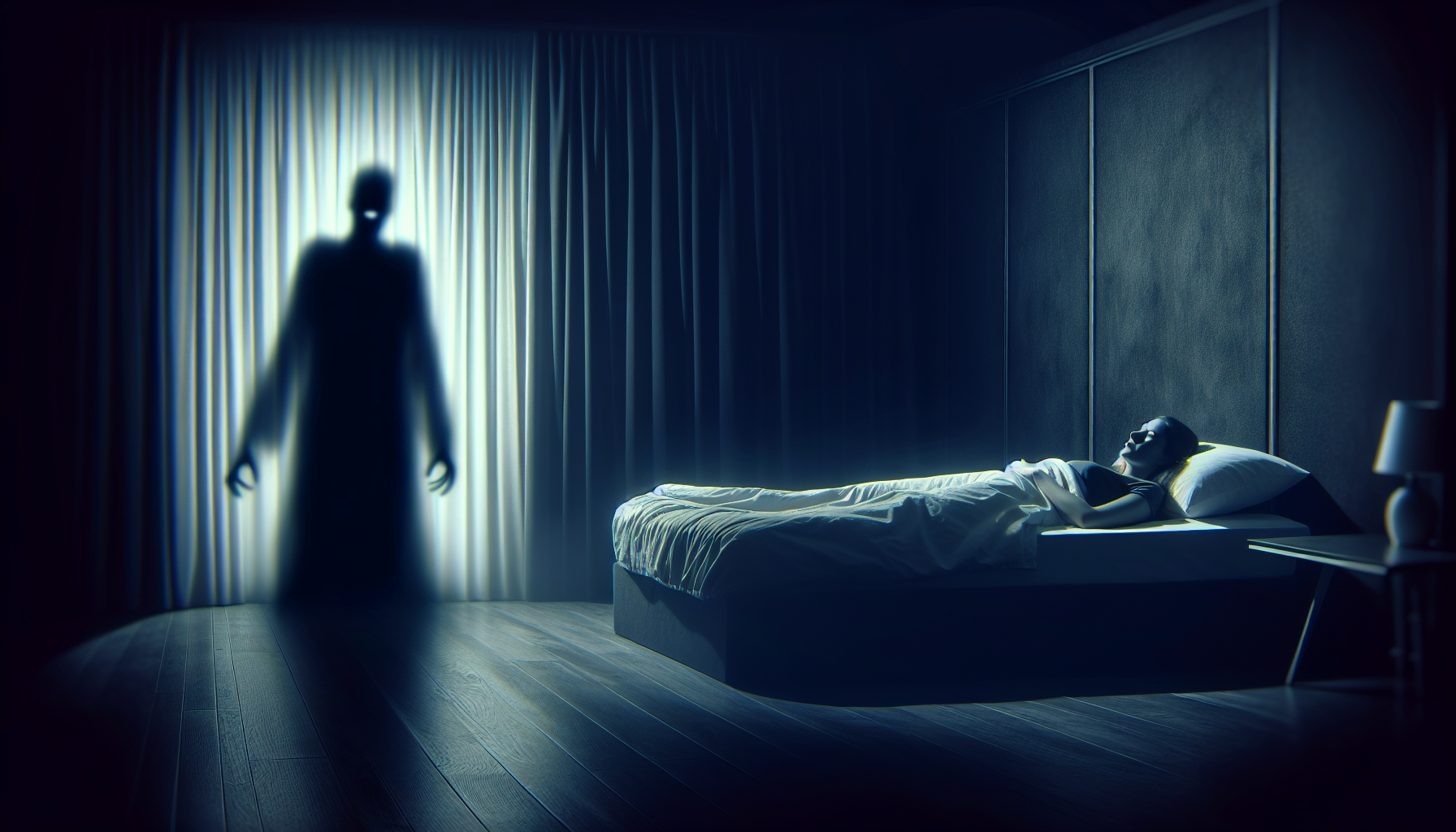
Sleep paralysis is a phenomenon that occurs when you wake up or fall asleep and find yourself unable to move or speak. It is often accompanied by a sense of extreme fear or a feeling of an unseen presence in the room. During sleep paralysis, your brain is awake and active, but your body remains in a state of temporary paralysis. This temporary loss of muscle control can last for a few seconds to several minutes and can be a highly distressing and unsettling experience.
1.2 Causes of Sleep Paralysis
Sleep paralysis can occur for various reasons. One common cause is disrupted sleep patterns, such as sleep deprivation or irregular sleep schedules. Other factors that can contribute to sleep paralysis include sleep disorders like narcolepsy, insomnia, and sleep apnea. Additionally, episodes of sleep paralysis can be triggered by stress, anxiety, and a history of trauma. Certain medications, substance abuse, and sleep position can also influence the occurrence of sleep paralysis.
1.3 Sleep Paralysis vs Nightmares
While sleep paralysis and nightmares are both disturbing sleep phenomena, they are distinct experiences. Nightmares are vivid and often scary dreams that occur during the Rapid Eye Movement (REM) stage of sleep. Sleep paralysis, on the other hand, happens when the mind becomes conscious while the body remains in a temporary state of paralysis. Although sleep paralysis can sometimes involve hallucinations, it is important to note that these hallucinations are not the same as nightmares. Sleep paralysis generally occurs when waking up, while nightmares occur during the dream state.
The Experience of Sleep Paralysis
2.1 The Sensation of Paralysis
One of the most unsettling aspects of sleep paralysis is the sensation of being physically immobilized. The inability to move or speak, even when trying with all your might, can be highly distressing. Some people describe this sensation as if an invisible force is holding them down or as if their body is encased in concrete. This experience can lead to intense feelings of panic and helplessness.
2.2 Hallucinations and Nightmarish Visions
A common feature of sleep paralysis is the occurrence of hallucinations and nightmarish visions. These can manifest in various forms, ranging from seeing shadowy figures or monsters to experiencing supernatural or surreal events. These hallucinations can feel incredibly real and are often accompanied by a sense of impending doom. The combination of physical paralysis and terrifying visual hallucinations can make sleep paralysis an overwhelmingly frightening experience.
2.3 The Feeling of Being Watched
Another common theme in sleep paralysis is the feeling of being watched or the presence of an unseen entity in the room. Many individuals who experience sleep paralysis describe a profound sense of being observed or monitored by an unknown force. This feeling can intensify the fear and anxiety associated with sleep paralysis, as it adds an element of perceived danger and threat.
The Common Themes in Sleep Paralysis
3.1 The Presence of a Malevolent Figure
A recurring theme in sleep paralysis is the presence of a malevolent figure. This figure is often described as a shadowy silhouette or a dark entity lurking in the corner of the room. The presence of this figure can evoke intense fear and a sense of impending harm. While this figure is believed to be a hallucination resulting from sleep paralysis, its consistent appearance across different cultures and individuals is a remarkable aspect of this phenomenon.
3.2 Sensation of Pressure on the Chest
Many individuals who experience sleep paralysis report a sensation of pressure or heaviness on their chest. This feeling can be described as if a heavy weight is pressing down, making it difficult to breathe or move. The sensation of chest pressure, often accompanied by difficulty in breathing, adds to the distress and fear experienced during sleep paralysis episodes.
3.3 Sensory Deprivation
During sleep paralysis, individuals may experience a distorted sense of reality or a feeling of sensory deprivation. This can include a loss of bodily awareness, a disconnection from the environment, or a blurring of the boundaries between wakefulness and sleep. The combination of physical immobility and altered perception can contribute to the overall disorienting and distressing nature of sleep paralysis.
The Impact of Sleep Paralysis on Mental Health
4.1 Sleep Disturbances and Insomnia
One of the significant impacts of sleep paralysis is the disruption it can cause to sleep patterns. Frequent episodes of sleep paralysis can lead to sleep disturbances and insomnia. The fear and anxiety associated with sleep paralysis can make it challenging to fall asleep, leading to prolonged periods of wakefulness. The resulting sleep deprivation can have a detrimental effect on mental health and overall well-being.
4.2 Psychological Effects and Anxiety
Sleep paralysis can have significant psychological effects on individuals who experience it. The unsettling nature of the phenomenon can lead to anxiety and fear not only during episodes but also in anticipation of them. The fear of experiencing another sleep paralysis episode can often contribute to heightened anxiety and sleep-related concerns. Some individuals may develop anxiety disorders or other mental health conditions as a result of the distress caused by sleep paralysis.
4.3 Post-Traumatic Stress Disorder (PTSD)
In some cases, sleep paralysis can be associated with the development of Post-Traumatic Stress Disorder (PTSD). Individuals who repeatedly experience terrifying episodes of sleep paralysis may develop symptoms of PTSD, such as intrusive thoughts, nightmares, and hypervigilance. It is crucial for individuals experiencing severe psychological distress due to sleep paralysis to seek professional help and support.
The Scariest Sleep Paralysis Stories
5.1 The Shadowy Figure Lurking in the Corner
One of the most commonly reported experiences in sleep paralysis is encountering a shadowy figure. Many individuals describe seeing this figure standing or lurking in the corner of their room, its presence evoking a deep sense of fear and dread. These encounters with a shadowy figure can be so terrifying that they leave a lasting impression on those who experience them.
5.2 Disembodied Voices and Whispers
Another frightening aspect of sleep paralysis is the presence of disembodied voices or whispers. Individuals often report hearing strange and indistinct voices or whispers during episodes. These voices can seem elusive and can contribute to the already unsettling nature of sleep paralysis. The inability to identify the source of these voices can intensify the feeling of terror.
5.3 The Sense of Floating or Levitating
Some individuals experience a sensation of floating or levitating during sleep paralysis. This feeling can be incredibly disorienting, as it gives the impression of being detached from one’s physical body. The sensation of floating or levitating often adds an extra layer of fear to the already distressing experience of sleep paralysis.
Coping Strategies for Sleep Paralysis
6.1 Improving Sleep Hygiene and Routine
Maintaining a regular sleep schedule and practicing good sleep hygiene can help reduce the frequency and severity of sleep paralysis episodes. Establishing a consistent bedtime routine, creating a calm and comfortable sleep environment, and avoiding stimulants like caffeine and electronics before bed can improve overall sleep quality and decrease the likelihood of experiencing sleep paralysis.
6.2 Relaxation Techniques and Meditation
Engaging in relaxation techniques and meditation before sleep can help calm the mind and reduce anxiety, potentially decreasing the likelihood of sleep paralysis episodes. Deep breathing exercises, progressive muscle relaxation, and mindfulness practices can promote relaxation and prepare the mind for a restful night’s sleep.
6.3 Seeking Professional Help
If sleep paralysis significantly impacts your daily life or your mental well-being, it is essential to seek professional help. Consulting with a sleep specialist or a mental health professional can provide guidance and support in managing sleep paralysis. Treatment options may include cognitive-behavioral therapy, medication, or addressing any underlying sleep disorders or mental health concerns.
Sleep Paralysis vs Other Sleep Disorders
7.1 Sleep Paralysis vs Sleep Apnea
Sleep paralysis and sleep apnea are two distinct sleep disorders. Sleep apnea is a condition characterized by momentary pauses in breathing during sleep, leading to fragmented and interrupted sleep. Although sleep apnea may occasionally be accompanied by episodes of sleep paralysis, the two conditions have different underlying causes and require different treatments.
7.2 Sleep Paralysis vs Narcolepsy
Narcolepsy is a neurological disorder characterized by excessive daytime sleepiness and sudden uncontrollable episodes of falling asleep. Sleep paralysis can be a symptom of narcolepsy and is often experienced upon waking from sleep. However, not all individuals with sleep paralysis have narcolepsy, and the two should not be confused with each other.
7.3 Sleep Paralysis vs Night Terrors
Night terrors, also known as sleep terrors, are episodes of intense fear and panic that occur during sleep. Unlike sleep paralysis, individuals experiencing night terrors may sit up in bed, scream, or thrash around. Night terrors are often not remembered upon waking, while individuals experiencing sleep paralysis typically remember the terrifying experience vividly.
Famous Artists and Sleep Paralysis
8.1 Salvador Dali and His Surrealist Art
Salvador Dali, a renowned surrealist artist, claimed that his artworks were often inspired by his experiences with sleep paralysis. The vivid and bizarre imagery in Dali’s paintings, such as melting clocks and distorted figures, can be seen as a reflection of the hallucinations and altered perceptions that often accompany sleep paralysis.
8.2 Mary Shelley’s Inspiration for Frankenstein
Mary Shelley, the author of the iconic novel “Frankenstein,” is said to have drawn inspiration from her own experiences with sleep paralysis. Shelley’s description of the terrifying and lifeless creature in her novel resonates with the sense of fear and powerlessness associated with sleep paralysis.
8.3 Edgar Allan Poe’s Haunting Tales
The works of Edgar Allan Poe, an influential writer in the horror genre, are often associated with unsettling and macabre themes. It is speculated that Poe’s own experiences with sleep paralysis influenced his depictions of terror and the supernatural in his stories. The feeling of being trapped and tormented, common in sleep paralysis, can be seen echoed in Poe’s haunting tales.
Scientific Explanations and Sleep Paralysis
9.1 The Role of REM Sleep
One of the primary scientific explanations for sleep paralysis is its association with the Rapid Eye Movement (REM) stage of sleep. During REM sleep, the brain is highly active, and vivid dreams occur. To prevent the acting out of dreams, the body undergoes temporary muscle paralysis. Sleep paralysis occurs when the mind wakes up while the body remains in this state of paralysis, leading to the characteristic experience of being unable to move.
9.2 Neurological and Biological Factors
Researchers have also discovered neurological and biological factors that contribute to sleep paralysis. These include dysregulation of neurotransmitters like serotonin, disruptions in the sleep-wake cycle, and abnormalities in the brain regions responsible for sleep and wakefulness. The interplay of these factors can influence the occurrence and severity of sleep paralysis episodes.
9.3 Cultural and Historical Perspectives
Sleep paralysis is not solely a modern phenomenon and has been documented throughout history in various cultures. Different societies have attributed different explanations to sleep paralysis, often rooted in supernatural or spiritual beliefs. Cultural and historical perspectives can shed light on the diverse interpretations and responses to sleep paralysis throughout time.
Overcoming Fear: Stories of Recovery from Sleep Paralysis
10.1 Successful Treatment Stories
While sleep paralysis can be a terrifying experience, many individuals have found ways to manage and reduce the frequency of episodes. Successful treatment stories often involve a combination of therapy, lifestyle modifications, and improved sleep hygiene. These stories of recovery can provide hope and inspiration to those struggling with sleep paralysis.
10.2 Self-Help Support Groups
Engaging in self-help support groups or online communities can offer individuals experiencing sleep paralysis a platform to connect, share experiences, and seek advice. Interacting with others who have experienced similar phenomena can provide a sense of validation, comfort, and practical coping strategies.
10.3 Empowering Personal Experiences
Despite the challenges associated with sleep paralysis, many individuals find strength and resilience in their personal experiences and journey towards healing. Overcoming fear and reclaiming a sense of control can be empowering and transformative. Sharing personal stories can not only inspire others but also contribute to raising awareness and understanding of sleep paralysis.
In conclusion, sleep paralysis is a unique and unsettling sleep phenomenon that can have a significant impact on mental health and well-being. Understanding its definition, causes, and common themes can help individuals navigate their experiences and seek necessary support. While sleep paralysis can be distressing, there are coping strategies, treatment options, and personal experiences of recovery that offer hope and the possibility of overcoming fear.