
Welcome to a glimpse of my personal journey through the mysterious world of sleep paralysis. In this article, you will accompany me as I navigate through the unsettling experiences of being unable to move or speak while transitioning between sleep and wakefulness. Join me as I uncover the science behind this phenomenon and share the coping mechanisms that have helped me find calm in the midst of these nighttime terrors. Get ready to explore the unknown with me as I shed light on the fascinating and sometimes frightening world of sleep paralysis. Have you ever experienced the unsettling phenomenon known as sleep paralysis? If so, you’re not alone. Many people have encountered this mysterious and sometimes frightening state between wakefulness and sleep. In this article, we’ll delve into the world of sleep paralysis, exploring its causes, symptoms, and potential treatments.

What is Sleep Paralysis?
Sleep paralysis is a temporary inability to move or speak that occurs when you are either falling asleep or waking up. During this state, your mind is awake, but your body is still asleep, leaving you feeling trapped and unable to move. It can last for a few seconds to several minutes and can be accompanied by vivid hallucinations and a sense of impending doom.
It Can Happen to Anyone
Sleep paralysis can happen to anyone, regardless of age or gender. While it is more common in individuals with certain sleep disorders, such as narcolepsy, it can also occur in otherwise healthy individuals. Most people experience sleep paralysis at least once in their lifetime, with some experiencing it more frequently.
The Sleep Cycle and Sleep Paralysis
To understand sleep paralysis better, let’s take a closer look at the stages of sleep. The sleep cycle consists of two main types of sleep: rapid eye movement (REM) sleep and non-REM sleep.
REM Sleep
During REM sleep, your brain is active, and your eyes move rapidly behind closed eyelids. This is the stage of sleep where most dreaming occurs. Your muscles are temporarily paralyzed during REM sleep to prevent you from acting out your dreams.
Non-REM Sleep
Non-REM sleep consists of three stages: light sleep, deep sleep, and slow-wave sleep. During these stages, your body repairs and regenerates tissues, strengthens the immune system, and consolidates memories.
The Transition Period
Sleep paralysis occurs during the transition between REM sleep and wakefulness. When you are in REM sleep, your body is paralyzed, except for your eyes and diaphragm muscles. This paralysis usually lifts when you wake up. However, during sleep paralysis, this paralysis persists for a brief period after you wake up, leaving you unable to move or speak.

Symptoms of Sleep Paralysis
The symptoms of sleep paralysis can vary from person to person, but some common experiences include:
- A feeling of being conscious but unable to move
- Pressure or a heavy weight on the chest
- Hallucinations, such as seeing figures in the room or hearing strange sounds
- A sense of impending doom or fear
A Feeling of Presence
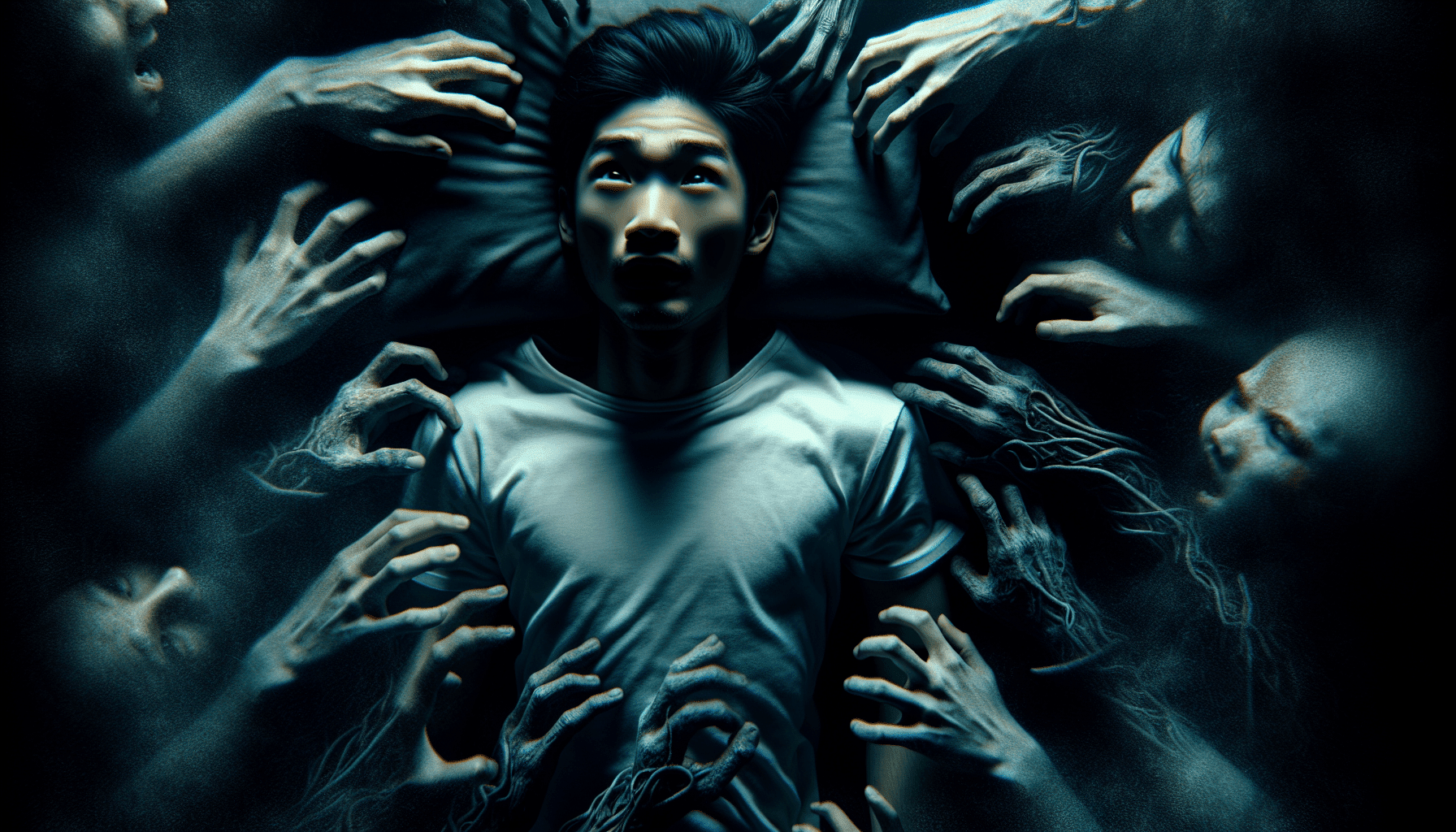
One of the most common symptoms of sleep paralysis is the feeling of a presence in the room. This presence can take the form of a shadowy figure, an intruder, or even a demon. Many people describe the sensation of being watched or touched, adding to the overall sense of unease during sleep paralysis.
Hallucinations
Hallucinations during sleep paralysis can be visual, auditory, or tactile. Visual hallucinations may involve seeing shadowy figures, strange lights, or distorted faces. Auditory hallucinations can include hearing whispers, screams, or other sounds that aren’t there. Tactile hallucinations involve feeling something touching or grabbing you, even though there is nothing there.
Causes of Sleep Paralysis
While the exact cause of sleep paralysis is not fully understood, several factors are thought to contribute to its occurrence:
- Disrupted sleep patterns
- Irregular sleep schedules
- Stress and anxiety
- Sleep deprivation
- Sleep disorders, such as narcolepsy
Stress and Anxiety
Stress and anxiety are often cited as leading triggers for sleep paralysis. When you are under stress, your body produces cortisol, a hormone that can disrupt your sleep patterns and make you more prone to experiencing sleep paralysis.
Irregular Sleep Patterns
Irregular sleep patterns, such as shift work or jet lag, can disrupt your body’s natural sleep-wake cycle, increasing the likelihood of sleep paralysis. When your body is out of sync with its circadian rhythm, it can have difficulty transitioning between sleep stages, leading to episodes of sleep paralysis.

Coping Strategies for Sleep Paralysis
While sleep paralysis can be a terrifying experience, there are ways to cope with and reduce its occurrence. Here are some strategies to help you navigate through episodes of sleep paralysis:
- Maintain a regular sleep schedule
- Practice relaxation techniques, such as deep breathing or meditation, before bedtime
- Create a calming bedtime routine to signal your body that it’s time to sleep
- Avoid caffeine, alcohol, and heavy meals before bedtime
- Talk to a therapist or counselor about managing stress and anxiety
Creating a Safe Environment
Creating a safe and comfortable sleep environment can help reduce your anxiety and fear during episodes of sleep paralysis. Make sure your bedroom is dark, quiet, and free of distractions. Consider using a nightlight or white noise machine to provide a sense of security and calmness.
Seeking Support
If you experience frequent episodes of sleep paralysis, consider seeking support from a healthcare professional or sleep specialist. They can help identify any underlying sleep disorders or issues that may be contributing to your sleep paralysis and recommend treatment options to improve your overall sleep quality.
Treatment Options for Sleep Paralysis
While there is no specific treatment for sleep paralysis, there are several strategies that may help reduce its occurrence and alleviate its symptoms:
- Improve your sleep hygiene by maintaining a consistent sleep schedule
- Treat any underlying sleep disorders, such as insomnia or sleep apnea
- Practice stress-reducing techniques, such as yoga or mindfulness meditation
- Consider cognitive-behavioral therapy (CBT) to address any underlying anxiety or sleep-related issues
Cognitive-Behavioral Therapy (CBT)
CBT is a type of therapy that focuses on changing negative thought patterns and behaviors that may be contributing to your sleep paralysis. By working with a therapist, you can learn to recognize and challenge your fears and anxieties surrounding sleep paralysis, ultimately reducing its impact on your overall sleep quality.
Medication
In some cases, healthcare providers may prescribe medication to help manage the symptoms of sleep paralysis, such as antidepressants or sleep aids. However, these medications are typically used as a last resort and are not considered a long-term solution for sleep paralysis.
Conclusion
Sleep paralysis can be a frightening and unsettling experience, but it is a common phenomenon that many people encounter at some point in their lives. By understanding the causes and symptoms of sleep paralysis, you can begin to navigate and cope with this challenging state between wakefulness and sleep. Remember to prioritize your sleep hygiene, manage stress and anxiety, and seek support from healthcare professionals if needed. With the right strategies and support, you can learn to manage and reduce the occurrence of sleep paralysis, creating a more restful and peaceful sleep experience.