
Navigating the depths of your mind can be an intriguing and fascinating journey. However, when your exploration is disrupted by the unsettling phenomenon of recurrent sleep paralysis, it takes an emotional toll that can leave you feeling vulnerable and anxious. Sleep paralysis, a state where you are temporarily unable to move or speak while transitioning between sleep and wakefulness, is not only a physical challenge, but also an emotional one. In this article, we will explore the emotional impact of recurrent sleep paralysis and provide some strategies to help you cope with this bewildering experience.
Understanding Sleep Paralysis
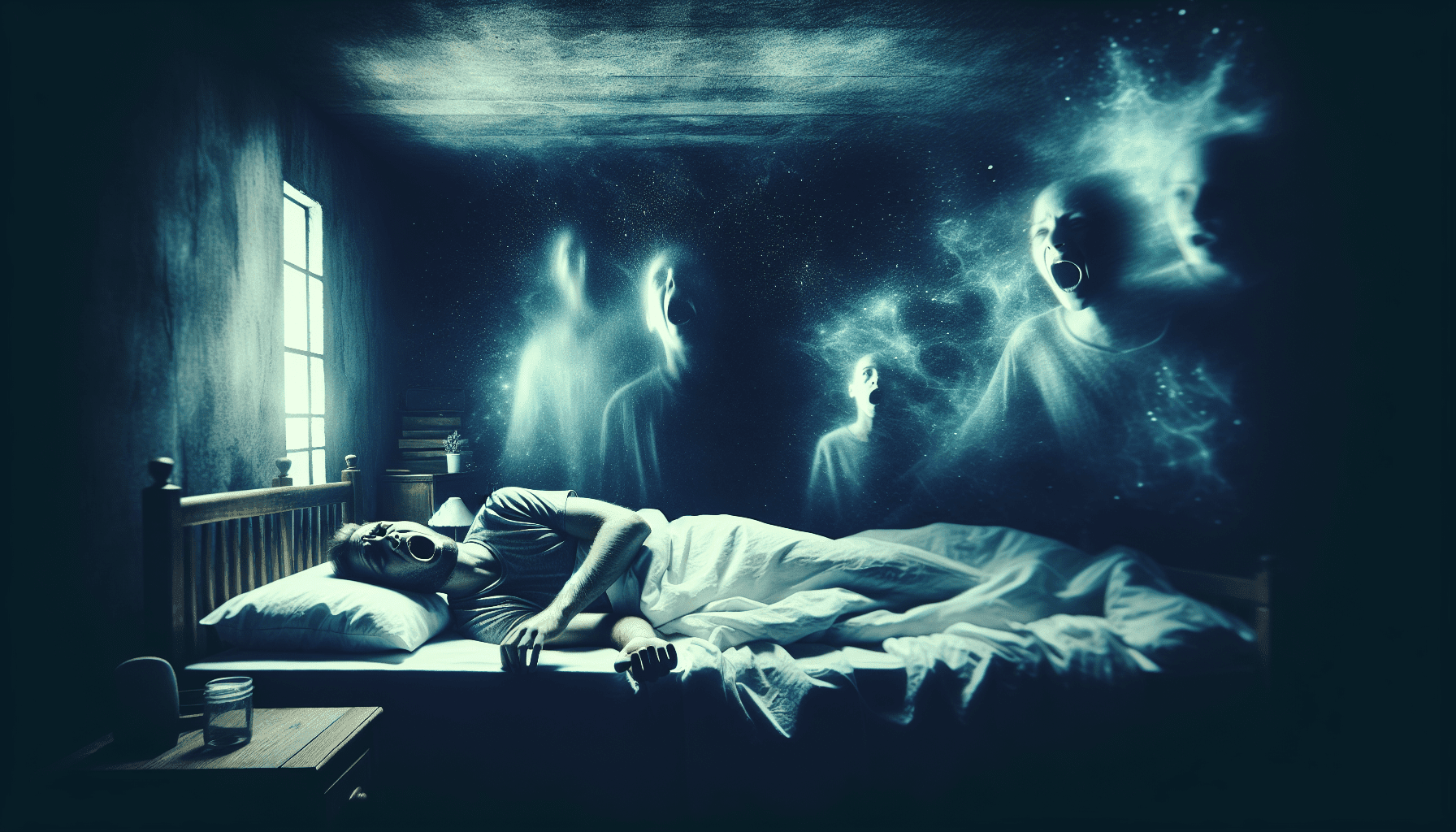
Sleep paralysis is a phenomenon that occurs during sleep, where an individual is partially awake but unable to move or speak. It is often accompanied by a feeling of pressure on the chest, as well as hallucinations and intense fear. This state can last for a few seconds to a few minutes, making it a distressing and frightening experience for those who go through it.
Definition of Sleep Paralysis
Sleep paralysis is a temporary paralysis of voluntary muscles that happens during the transition between wakefulness and sleep. It is classified as a sleep disorder and falls under the category of parasomnias. During an episode, the brain essentially disconnects the body’s movements in an effort to prevent acting out dreams or injuring oneself during sleep.
Causes of Sleep Paralysis
While the exact causes of sleep paralysis are not fully understood, there are several contributing factors that have been identified. One of the primary triggers is sleep deprivation, which can disrupt the normal sleep cycle and increase the likelihood of experiencing sleep paralysis. Other factors include irregular sleep patterns, stress, certain medications, and sleep disorders such as narcolepsy.
Prevalence of Sleep Paralysis
Sleep paralysis is more common than one might think, with studies estimating that up to 40% of individuals experience it at least once in their lifetime. However, recurrent sleep paralysis, where episodes occur frequently, affects a smaller percentage of the population. Prevalence rates vary across different cultures and age groups, with some studies suggesting a higher occurrence in young adults and women.
Effects on Emotional Health
Sleep paralysis can have a significant impact on an individual’s emotional well-being, leading to various psychological challenges.
Fear and Panic During Episodes
The experience of being awake but unable to move can trigger intense fear and panic. Many individuals report feeling an overwhelming sense of dread and a belief that something sinister or malevolent is present in the room. These frightening sensations can further heighten anxiety and distress during episodes.
Anxiety and Anticipatory Fear
The fear of experiencing future episodes of sleep paralysis can lead to anticipatory anxiety. The mere thought of going to sleep can become anxiety-provoking, as individuals worry about being trapped in a paralyzed state again. This anxiety can contribute to sleep disturbances and further worsen the overall quality of sleep.
Depression and Mood Disturbances
Living with recurrent sleep paralysis can take a toll on one’s mental health, leading to feelings of sadness, hopelessness, and frustration. The constant disruption of sleep and the emotional distress caused by episodes can contribute to the development of depression and mood disturbances over time.
Impact on Quality of Life
Sleep paralysis not only affects emotional well-being but also significantly disrupts various aspects of daily life.
Disruption of Sleep Patterns
Sleep paralysis often occurs during the transition from sleep to wakefulness or vice versa, disrupting the natural sleep-wake cycle. This disruption can result in fragmented sleep and reduced overall sleep duration, leading to feelings of exhaustion and daytime sleepiness.
Daytime Sleepiness and Fatigue
Feeling excessively tired during the day due to interrupted sleep can have a profound impact on daily functioning. Daytime sleepiness can impair concentration, decrease productivity, and increase the risk of accidents or injuries.
Impaired Concentration and Cognitive Function
The lack of quality sleep and the emotional distress associated with sleep paralysis can affect cognitive function and mental clarity. Difficulties with concentration, memory recall, and decision-making may arise, making it challenging to perform well in academic or professional settings.

Experiencing Nightmares and Hallucinations
Sleep paralysis is often accompanied by vivid and disturbing dreams, as well as hallucinations.
Vivid and Disturbing Dreams
Many individuals with sleep paralysis report experiencing vivid and often unsettling dreams. These dreams can be highly realistic, adding to the overall distress experienced during sleep paralysis episodes.
Perception of Shadowy Figures and Intruders
A common hallucination during sleep paralysis is the perception of shadowy figures or intruders in the room. These hallucinations can further intensify fear and panic, creating a terrifying and disorienting experience.
Traumatic Experiences During Episodes
The combination of vivid dreams and hallucinations during sleep paralysis episodes can lead to traumatic experiences. The emotional and psychological impact of these traumatic experiences can linger long after the episode has ended, contributing to ongoing distress and anxiety.
Feeling Isolated and Misunderstood
Living with sleep paralysis can contribute to feelings of isolation and being misunderstood by others.
Lack of Awareness and Understanding from Others
Sleep paralysis is not widely known or understood by the general population, which can make it difficult for individuals to explain their experiences to others. This lack of awareness and understanding from friends, family, and even healthcare professionals can leave individuals feeling alone and dismissed.
Difficulty Explaining the Experience
Describing the sensation of being immobile and experiencing hallucinations can be challenging. Many individuals struggle to find the right words to convey the intensity and fear associated with sleep paralysis, making it hard to communicate their experiences effectively.
Challenges in Seeking Support
Due to the lack of awareness surrounding sleep paralysis, individuals may face difficulties in finding appropriate support. It may take several attempts to find a healthcare professional who is familiar with sleep disorders and can provide the necessary guidance and assistance.
Relationship and Social Implications
Living with sleep paralysis can place strain on relationships and affect social interactions.
Strained Relationships with Partners or Roommates
Sleep paralysis can disrupt shared sleep spaces, leading to challenges within relationships. Partners or roommates may be startled or frightened by the individual’s experiences during episodes, creating tension and strain in the relationship.
Sexual Intimacy Challenges
The fear and anxiety associated with sleep paralysis can also impact sexual intimacy. The distressing experiences during episodes and the fear of potential episodes occurring during intimate moments can lead to a decreased desire for sexual activity and difficulty maintaining a healthy sexual relationship.
Social Withdrawal and Avoidance
The fear and anxiety associated with sleep paralysis can cause individuals to withdraw from social activities and avoid situations that may trigger anxiety or panic. This withdrawal can lead to feelings of isolation and hinder the formation of new friendships or maintenance of existing relationships.
Fear of Falling Asleep
Sleep paralysis can create a fear of falling asleep, which can further exacerbate sleep disturbances.
Sleep Avoidance and Insomnia
The fear of experiencing sleep paralysis can lead to sleep avoidance and insomnia. Individuals may consciously try to stay awake or limit their sleep time, in an attempt to prevent episodes from occurring. This avoidance behavior can further disrupt sleep patterns and contribute to sleep deprivation.
Dread and Anxiety Before Bedtime
The anticipation of experiencing sleep paralysis can cause dread and anxiety before bedtime. The fear of being trapped in a state of paralysis can make the process of falling asleep anxiety-provoking, leading to difficulties in initiating sleep and further perpetuating sleep deprivation.
Exhaustion and Sleep Deprivation
The combination of disrupted sleep, sleep avoidance, and anxiety can result in chronic sleep deprivation and extreme exhaustion. This can have a significant impact on overall well-being, cognitive function, and emotional stability.
Negative Self-Perception
Living with sleep paralysis can contribute to negative self-perception and self-blame.
Feeling Weak or Powerless
The inability to move or speak during sleep paralysis episodes can lead to feelings of weakness and powerlessness. These experiences can undermine an individual’s sense of agency and control over their own body.
Loss of Control Over One’s Own Body
Sleep paralysis robs individuals of their ability to control their physical movements, exacerbating feelings of powerlessness and vulnerability. The loss of control over one’s own body can be distressing and can contribute to a negative self-perception.
Self-Blame and Self-Criticism
Individuals with sleep paralysis may mistakenly blame themselves for their experiences, wondering if they are somehow causing or contributing to the episodes. This self-blame and self-criticism can further exacerbate feelings of guilt and shame.
Coping Mechanisms and Support
There are various coping mechanisms and forms of support that can help individuals manage the emotional toll of recurrent sleep paralysis.
Educational Resources and Information
Gaining knowledge about sleep paralysis and its causes can help individuals understand their experiences and normalize their feelings. Educational resources, such as books, articles, and online sources, can provide valuable information and support.
Therapeutic Interventions and Counseling
Therapy can be beneficial for individuals struggling with the emotional impact of sleep paralysis. Techniques such as cognitive-behavioral therapy (CBT) can help individuals challenge negative thoughts and beliefs about sleep paralysis and develop coping strategies to reduce anxiety and fear.
Support Groups and Online Communities
Connecting with others who have experienced or are currently experiencing sleep paralysis can provide a sense of validation and support. Joining support groups or participating in online communities can offer an opportunity to share experiences, exchange coping strategies, and gain a sense of belonging.
Seeking Professional Help
Consulting a sleep specialist is essential for individuals experiencing recurrent sleep paralysis.
Consulting a Sleep Specialist
If sleep paralysis episodes are significantly impacting an individual’s life, it is advisable to seek professional help. A sleep specialist, such as a neurologist or sleep medicine physician, can conduct a thorough evaluation and provide a diagnosis.
Evaluation and Diagnosis
A sleep specialist will evaluate the individual’s medical history, comorbid sleep disorders, and conduct a physical examination. This evaluation may include a sleep study or polysomnography to assess the individual’s sleep patterns and brain activity during sleep.
Treatment Options
Treatment options for sleep paralysis vary depending on the underlying causes and severity of symptoms. Treatment may involve addressing and managing any underlying sleep disorders, promoting healthy sleep hygiene, and, in severe cases, the use of medication to regulate sleep patterns and reduce the frequency of episodes.
In conclusion, sleep paralysis can have a significant emotional toll on individuals experiencing recurrent episodes. It is crucial to understand the causes and effects of sleep paralysis as well as seek appropriate support and treatment. By addressing the emotional and psychological aspects of this condition, individuals can find strategies to cope with their experiences and improve their overall quality of life.