

Imagine waking up to a terrifying experience, where you find yourself unable to move or speak, paralyzed by an invisible force. This is the reality of sleep paralysis, a phenomenon that affects countless individuals around the world. In this captivating article, you will dive into the personal journey of someone who has learned to manage and overcome sleep paralysis. Discover their struggles, their triumphs, and the valuable lessons they have learned along the way. Get ready to unlock the secrets to conquering this haunting sleep disorder and regain control of your nights.
Understanding Sleep Paralysis
What is sleep paralysis?
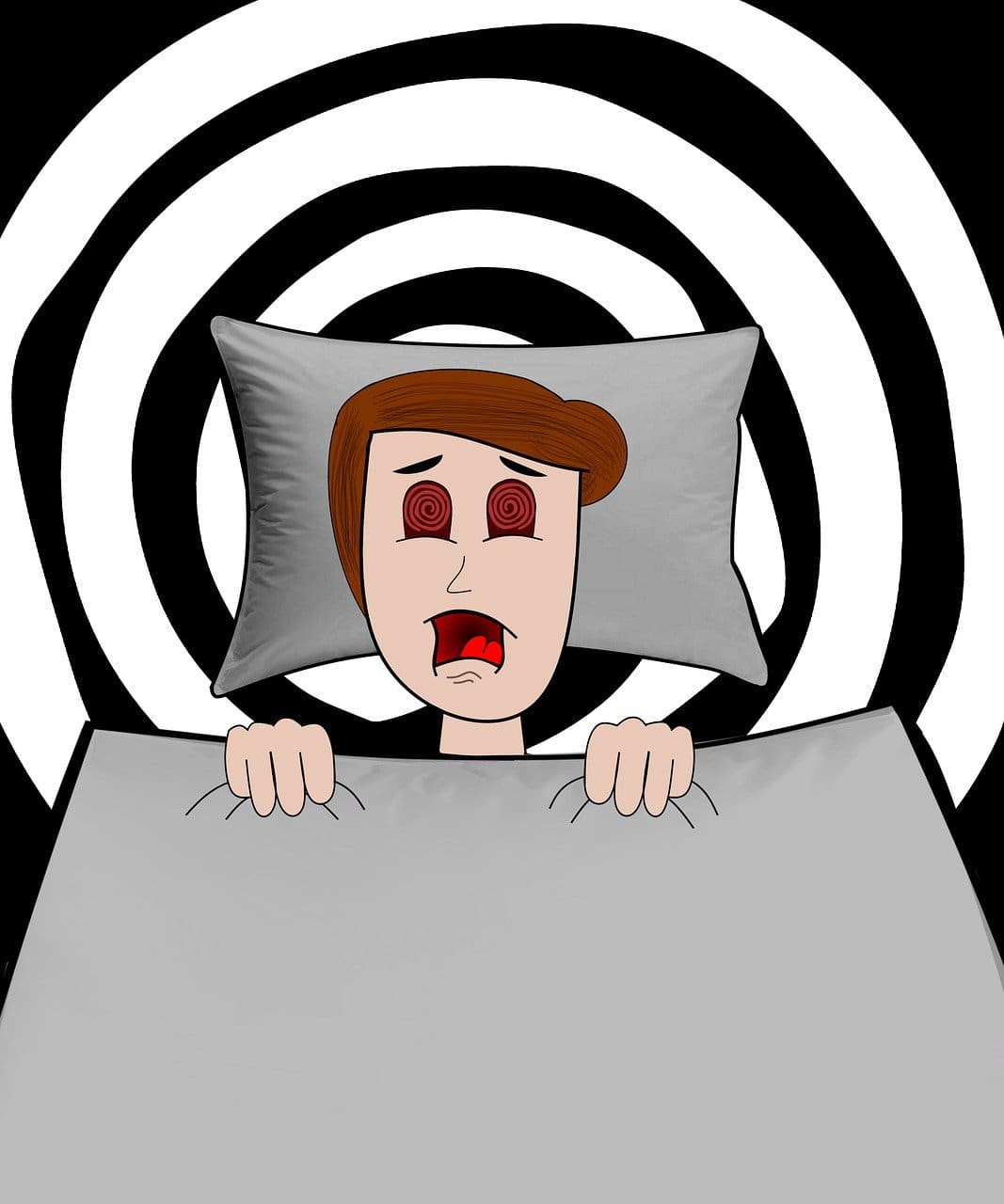
Sleep paralysis is a phenomenon that occurs when you are unable to move or speak while falling asleep or waking up. It is a temporary state where your mind is awake, but your body remains paralyzed. This can be a frightening experience, as you may feel a sense of pressure on your chest, hallucinations, and a general sense of terror. However, it is important to understand that sleep paralysis is a common occurrence and is not considered harmful.
Causes of sleep paralysis
Sleep paralysis can be caused by various factors, including sleep deprivation, irregular sleep schedules, and certain sleep disorders such as narcolepsy. It often occurs during the REM (rapid eye movement) stage of sleep when our dreams are most vivid. During this stage, our brain sends signals to temporarily paralyze our muscles to prevent us from acting out our dreams. However, in sleep paralysis, these signals may persist even after waking up, resulting in the inability to move or speak.
Symptoms of sleep paralysis
The main symptom of sleep paralysis is the inability to move or speak. However, there are other associated symptoms that individuals may experience during an episode, including a feeling of pressure on the chest, a sense of being watched or accompanied by a presence, intense fear or panic, and hallucinations, both auditory and visual. These symptoms can vary in intensity and duration from person to person.
My Experience with Sleep Paralysis
First encounter with sleep paralysis
I vividly remember the first time I experienced sleep paralysis. It was a terrifying experience, as I woke up in the middle of the night unable to move or scream for help. The sense of being trapped in my own body was overwhelming, and I could feel a heavy weight on my chest. I also had vivid hallucinations of shadowy figures moving around the room, which only added to my fear and confusion. It was a helpless and disorienting experience that left me feeling exhausted and anxious.
Frequency and intensity of episodes
After my initial encounter with sleep paralysis, I noticed that these episodes occurred sporadically but with increasing frequency. There were nights when I would experience multiple episodes, each more intense and unsettling than the last. The fear and uncertainty associated with each episode became a constant presence in my life, disrupting my sleep and affecting my overall well-being. It felt like a never-ending cycle of dread, as I never knew when the next episode would strike.
Emotional impact of sleep paralysis
Sleep paralysis not only took a toll on my physical well-being but also had a significant impact on my emotional health. The constant fear and anxiety of experiencing another episode made it difficult for me to relax and enjoy a restful night’s sleep. I became increasingly withdrawn and isolated, as I struggled to explain my experiences to those closest to me. It was a lonely and distressing journey, and I knew I needed to seek professional help to better understand and manage my sleep paralysis.
Seeking Professional Help
Consulting a doctor
Recognizing the need for professional guidance, I decided to consult a doctor who specialized in sleep disorders. I shared my experiences with sleep paralysis, including the symptoms and frequency of the episodes, and expressed my concerns about the toll it was taking on my physical and emotional well-being. The doctor was empathetic and assured me that I was not alone in my struggles, as many individuals experience sleep paralysis at some point in their lives.
Tests and diagnosis
To determine the underlying causes of my sleep paralysis, the doctor recommended conducting a series of tests. These tests included a sleep study, also known as a polysomnography, which involved monitoring my brain waves, heart rate, and muscle activity during sleep. This comprehensive assessment helped identify any other sleep disorders that may have been contributing to my sleep paralysis and provided a clearer picture of my overall sleep health.
Treatment options
After the diagnosis, the doctor discussed various treatment options for managing sleep paralysis. These options included both non-medical interventions and, in some cases, medication. The non-medical interventions focused on making lifestyle changes and adopting healthy sleep habits, while medication was suggested for individuals with underlying sleep disorders or severe symptoms. It was important for me to explore all available options and work with the doctor to develop a personalized treatment plan.

Lifestyle Changes for Managing Sleep Paralysis
Establishing a regular sleep schedule
One of the key lifestyle changes recommended by my doctor was establishing a regular sleep schedule. This involved going to bed and waking up at the same time every day, even on weekends. Maintaining a consistent sleep routine helps regulate the sleep-wake cycle and promotes better quality sleep. By prioritizing and sticking to a schedule, I was able to improve my overall sleep hygiene and reduce the occurrence of sleep paralysis episodes.
Create a conducive sleep environment
Creating a conducive sleep environment is essential for managing sleep paralysis. This includes ensuring that your bedroom is dark, quiet, and at a comfortable temperature. Investing in a comfortable mattress, pillows, and bedding can also contribute to a more restful sleep. Additionally, removing electronic devices from the bedroom and implementing a pre-sleep routine that promotes relaxation can help signal to your body that it’s time to wind down and prepare for sleep.
Limited alcohol and caffeine intake
Reducing alcohol and caffeine intake, particularly before bedtime, can have a significant impact on managing sleep paralysis. Both substances can disrupt sleep patterns and lead to poor quality sleep. Alcohol, although initially inducing drowsiness, can disrupt the REM stage of sleep, increasing the chances of experiencing sleep paralysis. Caffeine, on the other hand, acts as a stimulant and can interfere with falling asleep and staying asleep. By limiting these substances, especially close to bedtime, I noticed a decrease in the frequency and intensity of my sleep paralysis episodes.
Coping Strategies During Sleep Paralysis Episodes
Focus on breathing techniques
During a sleep paralysis episode, focusing on your breathing can help calm your mind and bring a sense of control. Taking slow, deep breaths can help regulate your heart rate and relax your body. By consciously directing your attention to your breath and maintaining a steady rhythm, you can shift your focus away from the fear and distress that may accompany the episode.
Slowly moving extremities
While it may be difficult to move your entire body during sleep paralysis, focusing on moving smaller body parts, such as your fingers or toes, can help signal to your brain that you are trying to regain control. By slowly and gently trying to wiggle your fingers or toes, you can gradually break free from the paralysis. This technique can be reassuring, as it reminds you that the episode is temporary and that you have the ability to regain movement.
Mental exercises to calm the mind
Engaging in mental exercises, such as visualization or repeating positive affirmations, can help calm your mind during a sleep paralysis episode. Visualizing yourself in a peaceful and safe environment, such as a serene beach or a tranquil forest, can help counteract the fear and anxiety that often accompanies the experience. Additionally, repeating positive affirmations, such as “I am safe” or “This will pass,” can provide a sense of reassurance and empowerment.
Exploring Alternative Therapies
Mindfulness and meditation
Mindfulness and meditation techniques have shown promise in managing sleep disorders, including sleep paralysis. By practicing mindfulness, you can learn to observe your thoughts and emotions without judgment, reducing the impact of fear and anxiety during episodes. Meditation, on the other hand, helps promote relaxation and a sense of calm, which can improve your overall sleep quality and reduce the occurrence of sleep paralysis.
Yoga and relaxation techniques
Incorporating yoga and relaxation techniques into your daily routine can be beneficial in managing sleep paralysis. Yoga combines physical postures, breathing exercises, and meditation, promoting relaxation and stress reduction. By stretching and strengthening your body through various yoga poses, you can release tension and improve your sleep quality. Relaxation techniques, such as progressive muscle relaxation or guided imagery, can also induce a state of deep relaxation and help counteract the physical and mental symptoms of sleep paralysis.
Acupuncture and herbal remedies
For individuals seeking alternative therapies, acupuncture and herbal remedies may offer some relief from sleep paralysis. Acupuncture involves the insertion of thin needles into specific points on the body to stimulate energy flow and promote overall well-being. This ancient practice has been used to address sleep disorders and may have a positive impact on the frequency and intensity of sleep paralysis episodes. Similarly, certain herbal remedies, such as valerian root or chamomile tea, have been traditionally used to promote relaxation and improve sleep quality.
Support Networks and Online Communities
Connecting with others who experience sleep paralysis
Connecting with others who have experienced sleep paralysis can be an invaluable source of support and understanding. Online communities and forums dedicated to sleep disorders provide a platform for individuals to share their experiences, exchange coping strategies, and offer reassurance to one another. Engaging in these communities can help alleviate feelings of isolation and provide a sense of validation and camaraderie in facing the challenges of sleep paralysis.
Sharing experiences and coping methods
Participating in discussions and sharing personal experiences can also serve as an outlet for self-expression and reflection. Sharing your own journey with sleep paralysis and listening to others’ stories can foster a sense of empathy and create an environment of mutual support. By exchanging coping methods and learning from each other’s experiences, you can expand your toolkit of strategies and find what works best for you in managing sleep paralysis.
Seeking advice and reassurance
In addition to connecting with others, online communities provide a valuable platform for seeking advice and reassurance from individuals who have navigated the challenges of sleep paralysis. Whether you have questions about treatment options, lifestyle changes, or specific coping strategies, reaching out to others who have faced similar experiences can provide insights and perspectives that can aid you on your own journey. It is important to remember, however, that online advice should never replace the guidance and expertise of a healthcare professional.
The Importance of Stress Management
Identifying and managing stress triggers
Stress can play a significant role in the occurrence and severity of sleep paralysis episodes. Identifying and managing your stress triggers is crucial for effectively managing sleep paralysis. Keeping a stress journal, where you document stressful events and your emotional responses, can help you identify patterns and triggers. Once identified, you can explore and implement stress management techniques to proactively reduce their impact on your overall well-being.
Utilizing stress-reduction techniques
Implementing stress-reduction techniques can help lower overall stress levels and improve your ability to cope with sleep paralysis. These techniques can include deep breathing exercises, progressive muscle relaxation, engaging in hobbies or activities that bring joy and relaxation, and practicing mindfulness meditation. By incorporating these techniques into your daily routine, you can create a sense of balance and resilience in the face of stressors.
Maintaining a healthy work-life balance
Achieving a healthy work-life balance is crucial for managing stress and promoting optimal sleep hygiene. It is important to prioritize self-care and ensure that you allocate time for rest, relaxation, and engaging in activities that bring you joy. Setting boundaries and learning to say no when necessary can help prevent burnout and minimize the impact of external stressors on your well-being. By maintaining a healthy work-life balance, you can create a supportive environment for managing sleep paralysis and improving your overall sleep quality.
Overcoming Fear and Anxiety
Understanding the nature of sleep paralysis
Gaining a deeper understanding of the nature of sleep paralysis can help alleviate fear and anxiety associated with the experience. Knowing that sleep paralysis is a common occurrence and not considered harmful by medical professionals can provide reassurance. Educating yourself about the underlying causes and mechanisms involved in sleep paralysis can also empower you to make informed decisions about your treatment and coping strategies.
Working through fear and anxiety
Working through fear and anxiety associated with sleep paralysis requires a combination of self-reflection and active coping strategies. It is important to acknowledge and validate your emotions while also challenging any irrational thoughts or beliefs that may contribute to your fear. Engaging in cognitive-behavioral therapy (CBT) with a trained therapist can be beneficial in identifying and changing negative thought patterns and developing effective coping mechanisms. Additionally, practicing relaxation techniques and engaging in activities that promote self-care can help reduce anxiety and foster a sense of calm during episodes.
Building resilience and self-empowerment
Building resilience and self-empowerment is a vital part of overcoming fear and anxiety associated with sleep paralysis. It involves focusing on your strengths and capabilities, cultivating a positive mindset, and developing coping strategies that work best for you. By acknowledging the progress you have made and celebrating small victories, you can build confidence and strengthen your ability to navigate sleep paralysis with resilience and self-assurance.
Long-term Strategies for Prevention
Maintaining healthy sleep hygiene
Maintaining healthy sleep hygiene is essential for preventing future sleep paralysis episodes. This includes establishing a consistent sleep schedule, creating a comfortable and conducive sleep environment, and practicing relaxing bedtime rituals. Avoiding stimulating activities and electronic devices close to bedtime, as well as limiting caffeine and alcohol intake, can also contribute to better sleep quality and reduce the likelihood of experiencing sleep paralysis.
Regular exercise and physical activity
Regular exercise and physical activity have been shown to improve overall sleep quality and reduce the occurrence of sleep disorders. Engaging in moderate-intensity exercise, such as brisk walking or swimming, can help regulate sleep patterns and promote relaxation. It is important to incorporate exercise into your daily routine while being mindful of not engaging in vigorous activity close to bedtime, as it can have a stimulating effect and disrupt sleep.
Continued self-care and self-awareness
Adopting a lifestyle centered around self-care and self-awareness is crucial for long-term prevention of sleep paralysis. This involves taking time to prioritize your physical, emotional, and mental well-being. Engaging in activities that bring you joy, practicing stress-reduction techniques, and being mindful of your sleep needs can promote a healthier sleep-wake cycle. Regularly checking in with yourself, evaluating your sleep habits, and adapting your strategies as needed can help maintain a balanced and restful sleep routine.
In conclusion, while sleep paralysis may initially seem daunting and overwhelming, it is essential to remember that you are not alone in this experience. By seeking professional help, making lifestyle changes, exploring coping strategies, and building a support network, you can effectively manage sleep paralysis and regain control over your sleep and overall well-being. With perseverance and a proactive approach, you can overcome the fear and anxiety associated with sleep paralysis and find restful and peaceful nights once again.