Welcome to an eye-opening article that sheds light on the societal stigma surrounding sleep paralysis. You will learn about the misinformation and misconceptions that many people believe about this terrifying sleep disorder. By exploring the common myths and fears associated with sleep paralysis, you will gain a better understanding of how society’s view of this condition can negatively impact those who experience it. It’s time to uncover the truth and debunk the myths surrounding sleep paralysis. Have you ever woken up in the middle of the night unable to move or speak? You may have experienced a phenomenon known as sleep paralysis. This often frightening experience can leave you feeling helpless and vulnerable, but what many people don’t realize is that there is a societal stigma surrounding sleep paralysis that can make it even more challenging to navigate. In this article, we will explore the myths and misconceptions surrounding sleep paralysis and shed light on the reality of this common sleep disorder.

What is Sleep Paralysis?
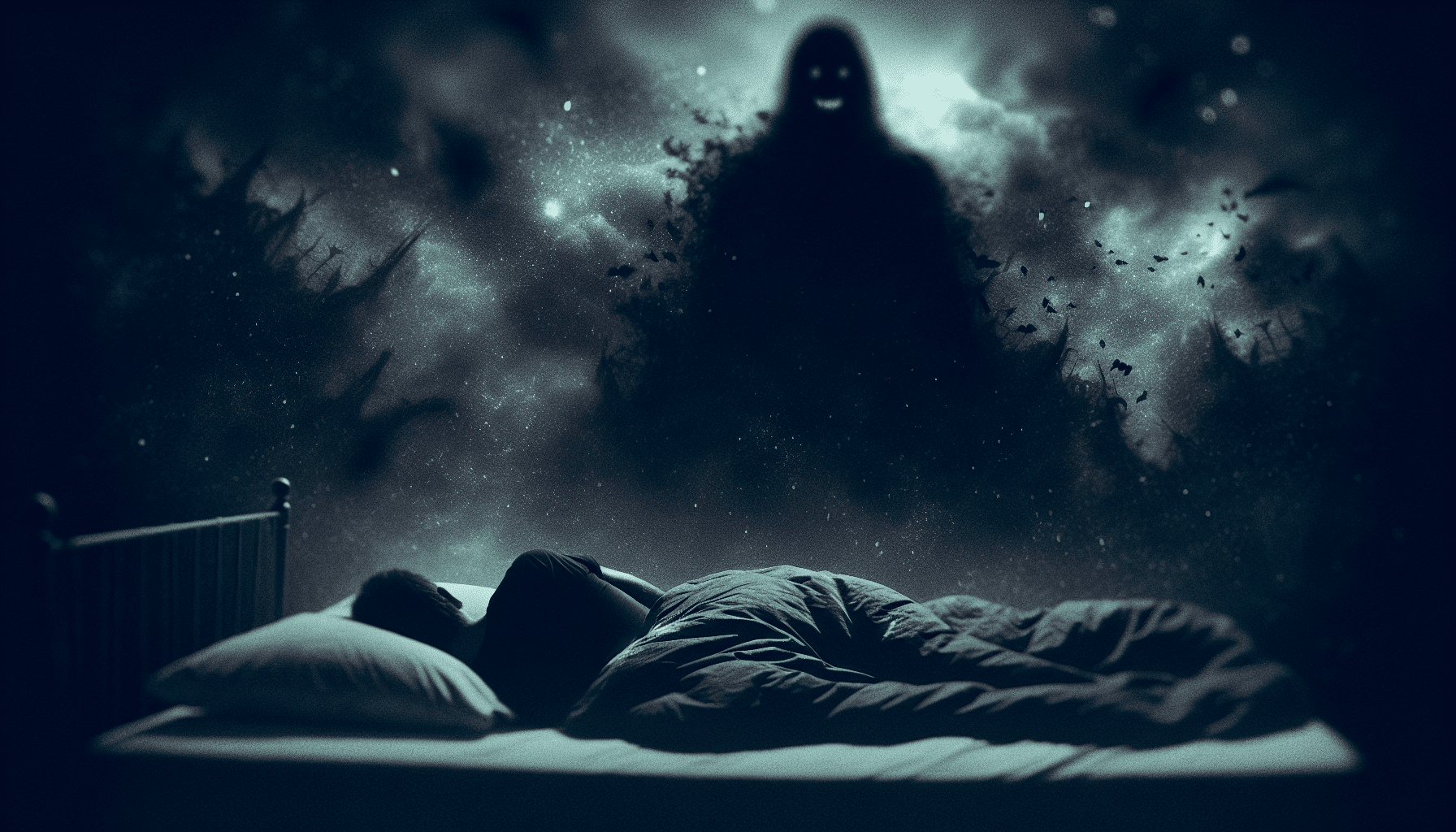
Sleep paralysis is a temporary inability to move or speak that occurs when you are waking up or falling asleep. During an episode of sleep paralysis, you may feel like you are awake but unable to move your body. This can be accompanied by hallucinations, such as seeing or feeling the presence of a threatening figure in the room. While sleep paralysis can be a terrifying experience, it is actually a normal part of the sleep cycle and is not typically a cause for concern.
Let’s break it down:
During sleep, your body goes through different stages, including REM (rapid eye movement) sleep. REM sleep is when most dreaming occurs, and your body is typically paralyzed to prevent you from acting out your dreams. Sometimes, this paralysis can carry over into the waking state, resulting in sleep paralysis. This phenomenon usually lasts for a few seconds to a few minutes and can occur once or repeatedly.
Myths and Misconceptions
Unfortunately, there are many myths and misconceptions surrounding sleep paralysis that can contribute to the stigma associated with this phenomenon. One common myth is that sleep paralysis is a sign of a paranormal experience or supernatural presence. While it is true that sleep paralysis can sometimes be accompanied by hallucinations, these are simply a result of the brain being in a state between wakefulness and sleep.
Let’s set the record straight:
Sleep paralysis is a physiological phenomenon that occurs when the brain wakes up from REM sleep before the body does. It is not a sign of mental illness or supernatural activity. By understanding the science behind sleep paralysis, we can debunk these myths and educate others about the reality of this common sleep disorder.
Cultural Beliefs and Superstitions
In many cultures, sleep paralysis is often attributed to supernatural causes or malevolent spirits. For example, in some parts of the world, it is believed that sleep paralysis is caused by a demon sitting on your chest, making it difficult to breathe. These cultural beliefs can perpetuate the stigma surrounding sleep paralysis and lead to feelings of fear and shame for those who experience it.
Let’s explore further:
Cultural beliefs and superstitions about sleep paralysis have been passed down through generations, shaping the way people perceive and interpret this phenomenon. By examining these beliefs and understanding their origins, we can begin to challenge the stigma surrounding sleep paralysis and promote a more informed and supportive conversation about this sleep disorder.
Impact on Mental Health
The societal stigma surrounding sleep paralysis can have a significant impact on the mental health and well-being of those who experience it. Feelings of shame, fear, and isolation can arise from the misconceptions and misunderstandings about sleep paralysis, leading to increased stress and anxiety. This can create a vicious cycle where the fear of experiencing sleep paralysis again can actually trigger more episodes.
Let’s address this issue:
It is crucial to recognize the emotional toll that the stigma surrounding sleep paralysis can take on individuals and their mental health. By fostering a supportive and understanding environment for those who experience sleep paralysis, we can help break the cycle of fear and shame and empower individuals to seek help and support when needed.

Seeking Support and Treatment Options
If you are experiencing recurring episodes of sleep paralysis or if it is significantly impacting your daily life, it is important to seek support from a healthcare professional. A doctor or sleep specialist can help you understand the underlying causes of your sleep paralysis and recommend treatment options to manage or reduce episodes.
Let’s explore the options:
Treatment for sleep paralysis may include lifestyle changes, such as improving sleep hygiene and reducing stress, as well as medical interventions like prescription medications. Cognitive-behavioral therapy (CBT) can also be an effective tool for managing sleep paralysis and reducing the associated anxiety and fear. Seeking support from a therapist or support group can also provide valuable reassurance and guidance for coping with sleep paralysis.
Creating Awareness and Education
One of the most effective ways to combat the societal stigma surrounding sleep paralysis is to create awareness and education about this common sleep disorder. By sharing personal experiences, dispelling myths, and providing accurate information about sleep paralysis, we can help challenge the misconceptions and foster a more open and supportive dialogue.
Let’s take action:
If you have experienced sleep paralysis, consider sharing your story with friends, family, or online communities to raise awareness and increase understanding. Educating others about the science behind sleep paralysis and emphasizing that it is a normal part of the sleep cycle can help break down barriers and reduce the stigma associated with this phenomenon. Together, we can create a more inclusive and informed society that supports individuals experiencing sleep paralysis.
Conclusion
Sleep paralysis is a common and natural phenomenon that can be a source of fear and confusion for many people. By exploring the myths and misconceptions surrounding sleep paralysis, we can shed light on the reality of this sleep disorder and challenge the societal stigma that surrounds it. Seeking support, educating others, and fostering a supportive environment for individuals experiencing sleep paralysis can help break down barriers and promote understanding and acceptance. Remember, you are not alone in your experience, and there are resources available to help you navigate and manage sleep paralysis with confidence and resilience.