
Welcome to an exploration of the fascinating connection between sleep paralysis and the concept of spirits in various cultures around the world. Sleep paralysis is a unique phenomenon that can leave individuals feeling terrified and trapped, often leading to a feeling of an otherworldly presence. Many cultures have long believed that sleep paralysis is linked to spiritual beings or entities from the supernatural realm. Let’s delve into how different cultures interpret and cope with the surreal experience of sleep paralysis, shedding light on the intersection of the physical and spiritual worlds. Have you ever experienced that terrifying sensation of being unable to move when you wake up from sleep? You can see and hear everything around you, but you feel paralyzed and unable to speak or move. It can be a truly frightening experience, known as sleep paralysis.
Understanding Sleep Paralysis
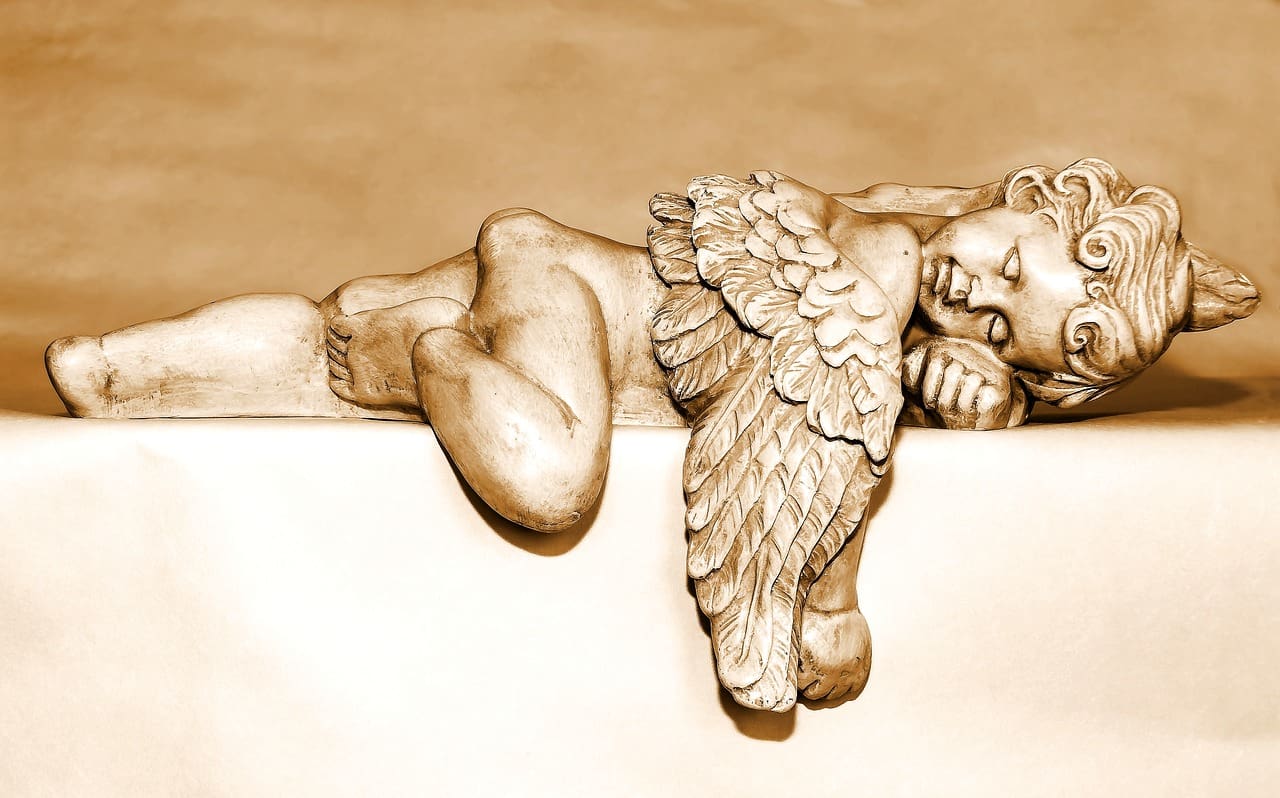
Sleep paralysis is a phenomenon that occurs when your mind is awake, but your body is still asleep. It can happen when you are falling asleep or waking up and can be accompanied by hallucinations or the feeling of a presence in the room. This experience can be incredibly disturbing and unsettling, leading many to wonder about the true nature of what they are experiencing.
What Happens During Sleep Paralysis?
During sleep paralysis, your body is temporarily immobilized to prevent you from acting out your dreams. This is a natural process that typically only lasts for a few seconds to a few minutes. However, during an episode of sleep paralysis, this paralysis can persist, leaving you in a state of wakefulness while feeling unable to move.

The Concept of Spirits in Different Cultures
In many cultures around the world, the experience of sleep paralysis is often attributed to supernatural or spiritual causes. Throughout history, people have turned to their beliefs and traditions to make sense of this mysterious phenomenon.
Spirits and Sleep Paralysis
In some cultures, sleep paralysis is viewed as a visitation from spirits or other supernatural entities. These spirits may be seen as malevolent forces trying to harm or possess the individual experiencing sleep paralysis. This belief can add an extra layer of fear and anxiety to an already unsettling experience.
Cultural Perspectives on Sleep Paralysis
Different cultures have their own unique interpretations of sleep paralysis and the entities that may be responsible for causing it. These beliefs can vary widely, from viewing sleep paralysis as a sign of impending doom to seeing it as a form of communication with the spirit world.
The Role of Shamanism
In cultures that practice shamanism, sleep paralysis may be seen as a journey into the spirit realm. Shamans are believed to have the ability to travel between the physical and spiritual worlds and may experience sleep paralysis as part of their spiritual practices.
Exploring the Connection Between Sleep Paralysis and Spirits
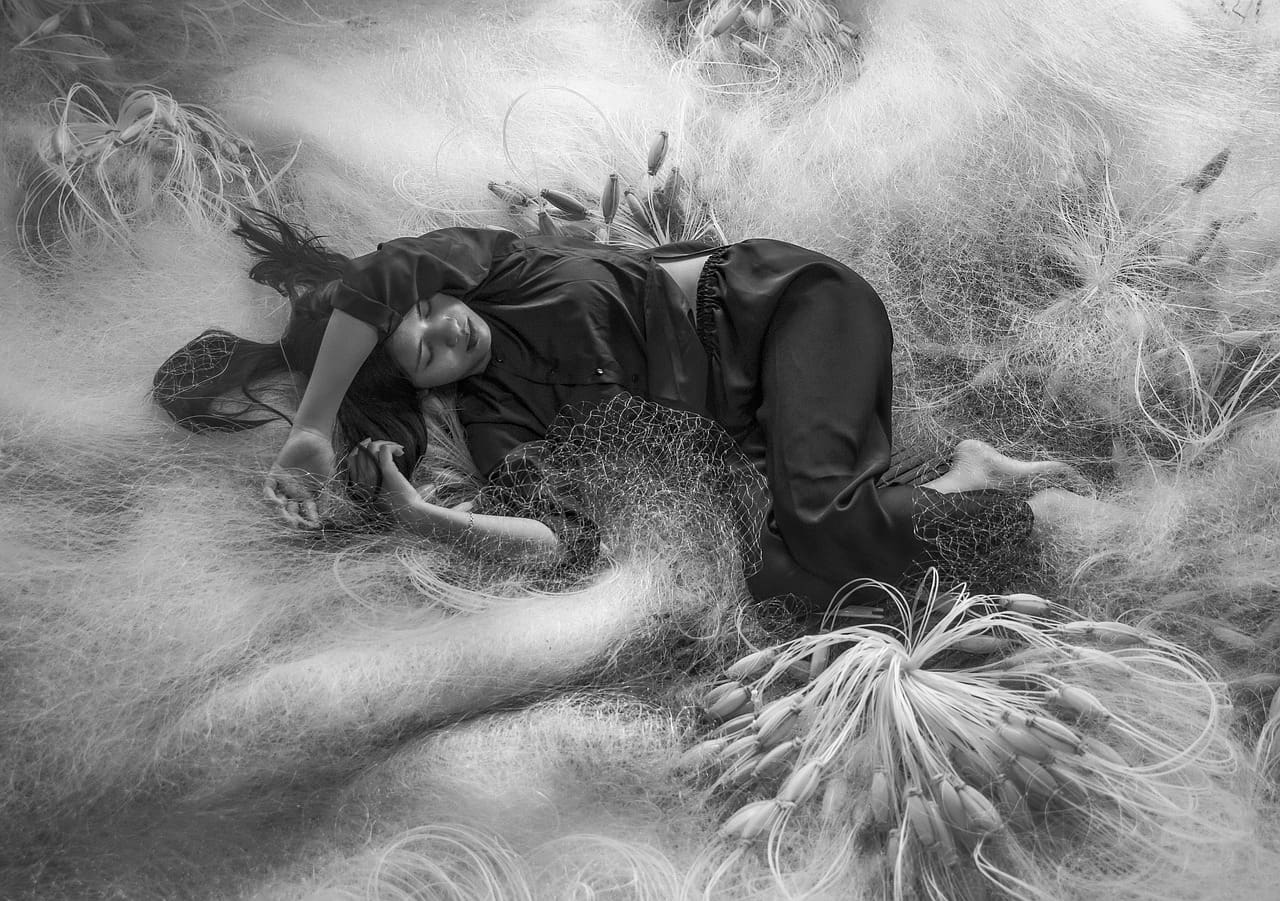
While science may offer explanations for the physiological mechanisms behind sleep paralysis, the cultural and spiritual interpretations of this phenomenon continue to shape the way people understand and experience it.
Parallel Experiences Across Cultures
Despite the diversity of cultural beliefs surrounding sleep paralysis, there are some striking similarities in the experiences reported by individuals from different cultural backgrounds. The feeling of being held down, the sensation of a presence in the room, and the visual and auditory hallucinations are common elements that transcend cultural boundaries.
Cultural Influences on Sleep Paralysis
The cultural context in which an individual experiences sleep paralysis can play a significant role in shaping their interpretation of the phenomenon. Beliefs about spirits, demons, and other supernatural entities can influence the way people perceive and respond to their experiences of sleep paralysis.
The Power of Belief
Belief in the supernatural can be a powerful force that shapes our perceptions of reality. When faced with a mysterious and frightening experience like sleep paralysis, our cultural beliefs and traditions can provide a framework for understanding and coping with the unknown.
Coping Strategies for Sleep Paralysis
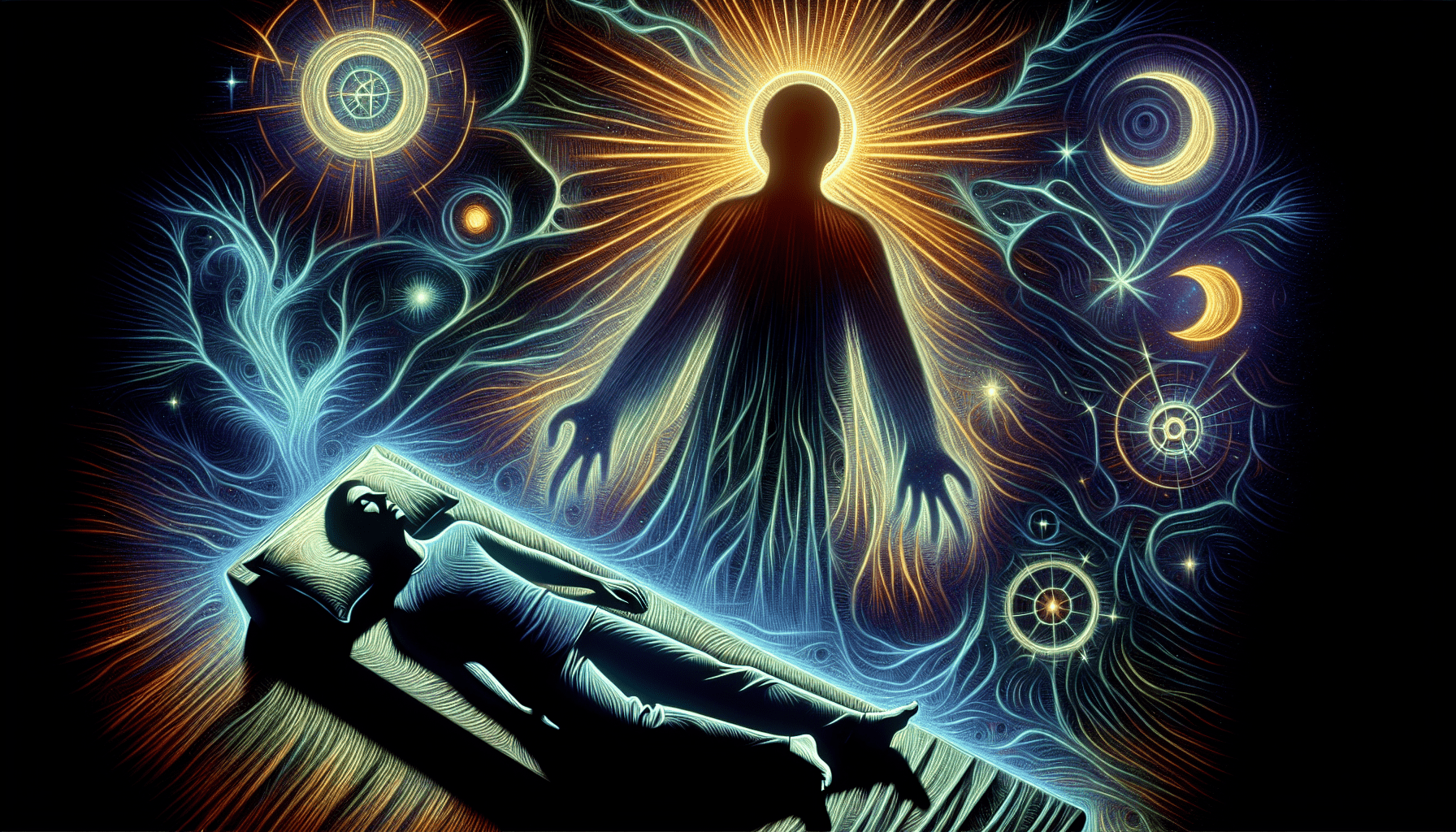
Whether you view sleep paralysis as a purely physiological phenomenon or as a spiritual encounter, finding ways to cope with and manage the experience can help alleviate the fear and anxiety that it can provoke.
Creating a Relaxing Sleep Environment
Establishing a calming bedtime routine and creating a comfortable sleep environment can help reduce stress and anxiety, making episodes of sleep paralysis less likely to occur. Avoiding stimulants like caffeine and electronic devices before bed can also promote better sleep quality.
Practicing Mindfulness and Relaxation Techniques
Mindfulness meditation, deep breathing exercises, and progressive muscle relaxation can help calm the mind and body, reducing the likelihood of experiencing sleep paralysis. These techniques can also be effective for managing stress and anxiety during waking hours.
Seeking Support and Guidance
If you are struggling with recurring episodes of sleep paralysis, seeking support from a therapist or counselor can be beneficial. Talking about your experiences with someone who understands and can provide guidance can help you navigate and cope with this challenging phenomenon.
Exploring Spiritual and Cultural Practices
For those who find comfort and meaning in their cultural or spiritual beliefs, engaging with practices such as prayer, meditation, or rituals can offer solace and a sense of connection during episodes of sleep paralysis. Drawing on your cultural traditions can provide a framework for understanding and coping with these experiences.
Final Thoughts
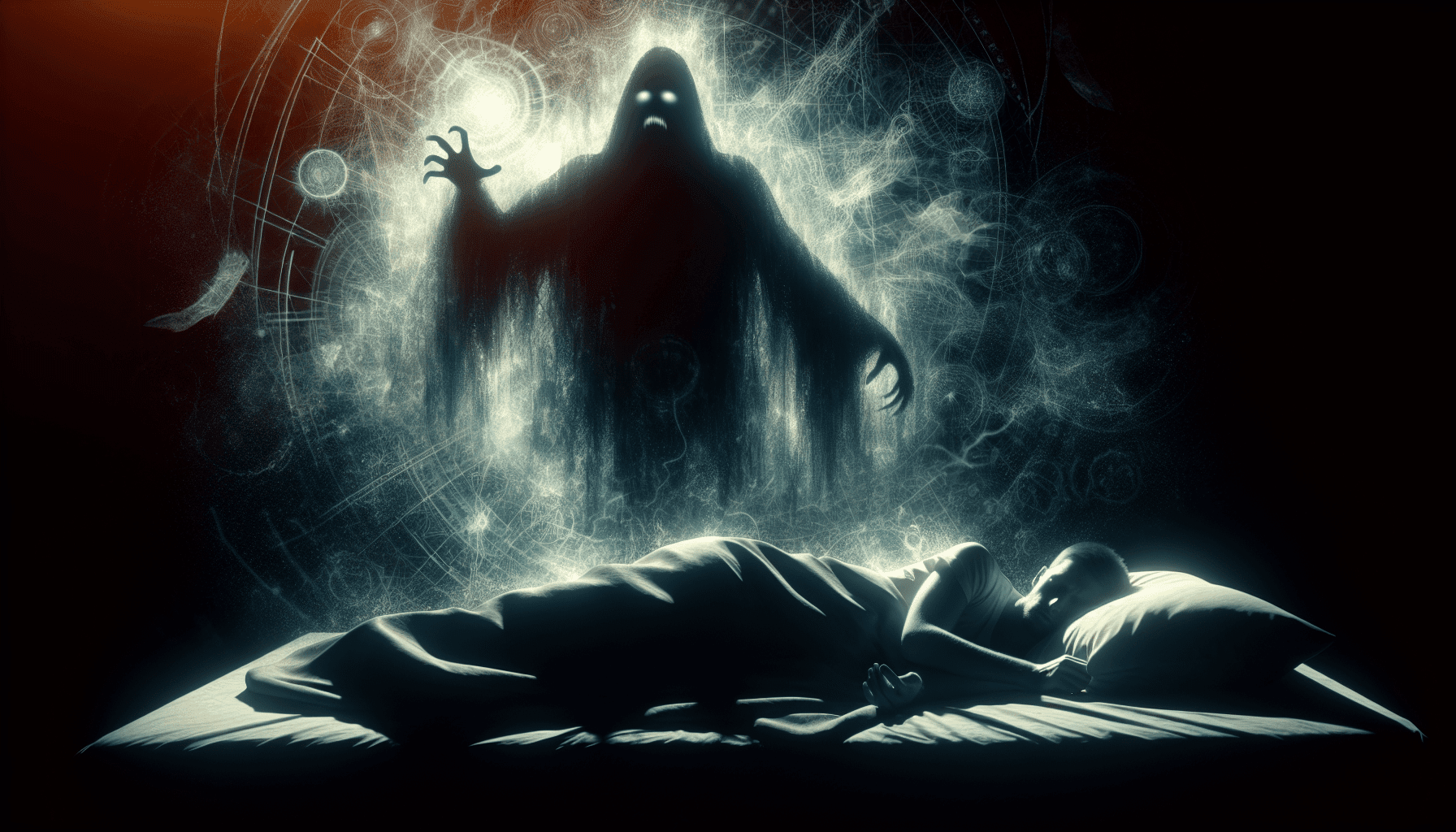
Sleep paralysis is a complex and mysterious phenomenon that has intrigued and frightened people for centuries. Whether you view it through a scientific lens or a cultural one, the experience of being paralyzed while awake is undeniably unsettling. By exploring the connection between sleep paralysis and spirits in different cultures, we can gain insight into the ways that our beliefs and traditions shape our understanding of this enigmatic experience. Remember, you are not alone in your experiences, and there are ways to cope and find support during episodes of sleep paralysis.