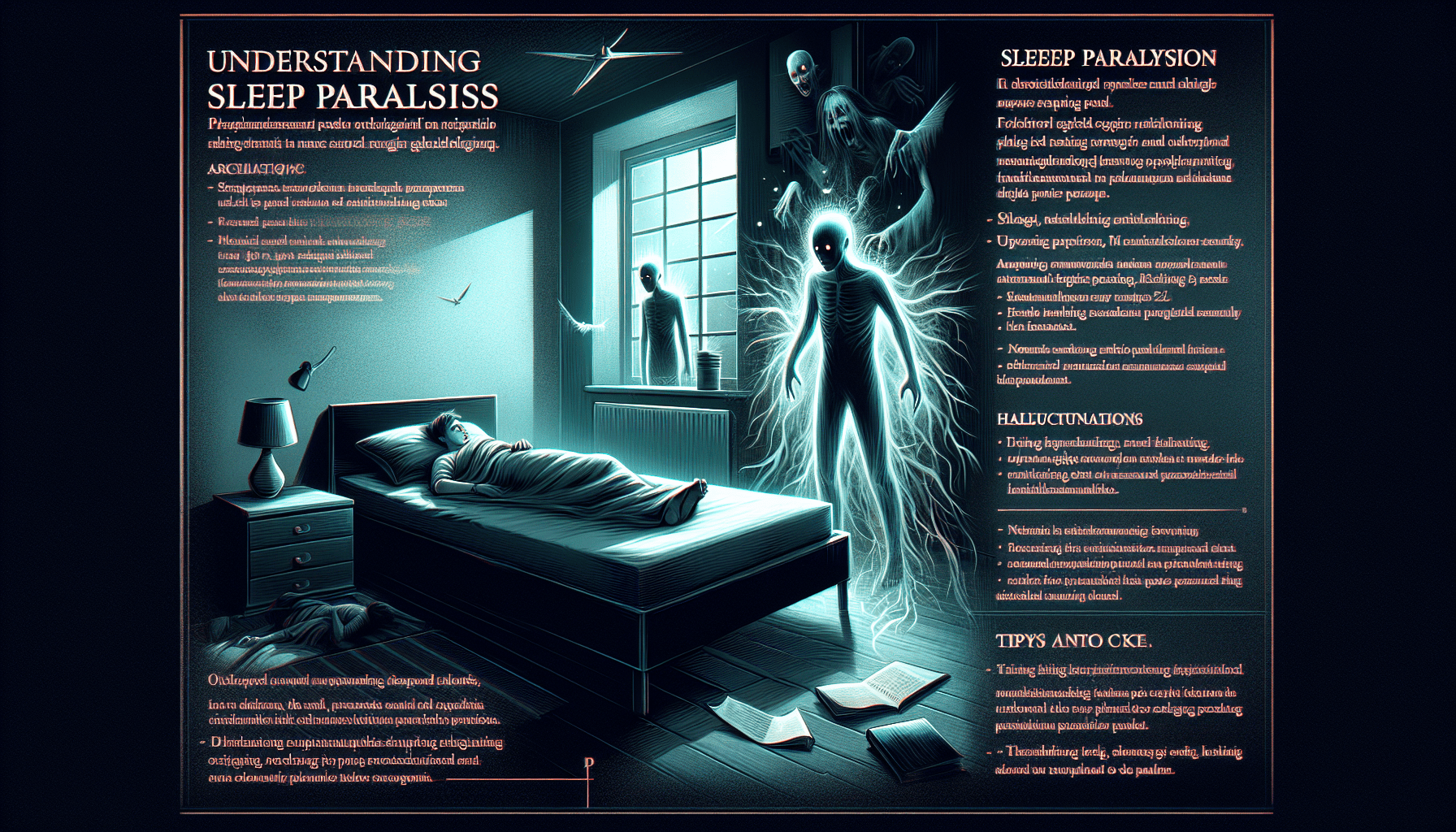
Have you ever woken up in the middle of the night, paralyzed and unable to move a muscle? If so, you may have experienced the unsettling phenomenon known as sleep paralysis. In this article, we will explore what sleep paralysis really is and debunk some common misconceptions surrounding it. From the intense hallucinations to the feeling of an invisible presence in the room, sleep paralysis can be a terrifying experience. But fear not, as we will also discuss ways to cope with and even overcome this phenomenon. So, let’s dive into the mysterious world of sleep paralysis and shed some light on what I wish others knew about it.
Definition of Sleep Paralysis
Sleep paralysis is a phenomenon that occurs when you are temporarily unable to move or speak while waking up or falling asleep. It is a state of muscle paralysis that can last anywhere from a few seconds to a few minutes. Despite not being able to move, your consciousness and awareness remain intact during these episodes. Sleep paralysis usually happens during transitions between different sleep stages, particularly during the REM (Rapid Eye Movement) sleep stage.
Causes of Sleep Paralysis
There are several potential causes of sleep paralysis. One common cause is a disruption in the normal REM sleep cycle. When the timing of REM sleep is interrupted, the brain may awaken before the body’s muscles have fully “turned back on,” resulting in paralysis. Sleep deprivation can also increase the likelihood of experiencing sleep paralysis since it can disrupt the normal sleep cycle. Additionally, stress and anxiety have been linked to sleep paralysis episodes, as well as certain sleep disorders like narcolepsy, a neurological disorder characterized by excessive daytime sleepiness and sudden sleep attacks.

Common Symptoms of Sleep Paralysis
During episodes of sleep paralysis, you may experience various symptoms. The most obvious symptom is the inability to move or speak, despite being fully aware of your surroundings. This can be a frightening experience, especially if you are unaware of what is happening. Many people also report feeling a pressure or weight on their chest, making it difficult to breathe. Hallucinations, both visual and auditory, are another common symptom of sleep paralysis. These hallucinations can range from feeling a presence in the room to seeing shadows or hearing voices. A sense of impending doom and feeling suffocated are also reported by some individuals.
Understanding Sleep Paralysis Hallucinations
Sleep paralysis hallucinations are often vivid and can be quite frightening. The content of these hallucinations can vary greatly from person to person. Some individuals may experience hallucinations that are influenced by their cultural beliefs or personal experiences, while others may have more generic hallucinations. It is important to remember that these hallucinations are not real, even though they may feel incredibly real in the moment. Understanding that these hallucinations are a product of the sleep paralysis episode can help alleviate some of the fear associated with them.

The Connection to Sleep Disorders
There is a strong association between sleep paralysis and narcolepsy, a sleep disorder characterized by uncontrollable daytime sleepiness and sudden sleep attacks. Many individuals with narcolepsy experience sleep paralysis as a symptom of their condition. However, sleep paralysis can also occur in individuals without narcolepsy. Other sleep disorders, such as sleep apnea or insomnia, can increase the likelihood of experiencing sleep paralysis as well. If you frequently experience sleep paralysis, particularly in combination with other sleep-related symptoms, it may be a sign of an underlying sleep disorder that warrants medical evaluation.
Debunking Common Myths about Sleep Paralysis
Sleep paralysis is often misunderstood and surrounded by myths and misconceptions. It is important to debunk these myths to provide accurate information about this phenomenon. Firstly, sleep paralysis is not a supernatural or demonic phenomenon. It is a natural occurrence that can be explained by science. Sleep paralysis does not cause physical harm to the body; it is simply a temporary state of muscle paralysis coupled with heightened awareness. Additionally, many people will experience sleep paralysis at least once in their lives, making it a relatively common occurrence rather than something rare or abnormal.

Tips for Coping with Sleep Paralysis
While sleep paralysis can be a distressing experience, there are ways to cope with and minimize its impact. Maintaining a consistent sleep schedule is crucial, as irregular sleep patterns can increase the likelihood of sleep paralysis episodes. Creating a relaxing sleep environment that is conducive to quality sleep can also help reduce the frequency of sleep paralysis. Stress-reduction techniques, such as deep breathing exercises or meditation, can be beneficial in managing both the stress that may trigger sleep paralysis and the anxiety associated with the episodes. It is also important to limit excessive caffeine and alcohol intake, as these substances can disrupt sleep. If sleep paralysis persists or significantly affects your quality of life, it may be helpful to seek assistance from a sleep specialist who can provide further guidance and support.
Sharing Experiences and Seeking Support
Connecting with others who have experienced sleep paralysis can provide a sense of understanding and comfort. Online support groups or forums dedicated to discussing sleep paralysis can be a valuable resource for sharing your own experiences and learning from others. By sharing your story, you can raise awareness about sleep paralysis and help others who may be going through similar experiences. Being part of a supportive community can alleviate feelings of isolation and provide a safe space for discussing the challenges associated with sleep paralysis.
When to Seek Medical Help
In most cases, sleep paralysis is not a cause for concern and can be managed through self-care strategies. However, there are certain situations in which seeking medical help is advisable. If sleep paralysis episodes become frequent or increasingly severe, it is recommended to consult with a healthcare professional. Excessive daytime sleepiness, which can significantly impact your daily functioning, is another indication that medical evaluation may be necessary. If sleep paralysis is noticeably affecting your quality of life, causing significant distress, or is accompanied by other concerning symptoms, it is important to seek medical attention to rule out underlying sleep disorders or other medical conditions.
Final Thoughts on Sleep Paralysis
Sleep paralysis is a relatively common phenomenon that can be unsettling for those who experience it. However, understanding the science behind sleep paralysis can help alleviate fear and anxiety associated with the episodes. By debunking myths and misconceptions, individuals can gain a better understanding of what sleep paralysis is and what it is not. Seeking support from online communities or medical professionals is crucial for coping with sleep paralysis and its potential impact on one’s quality of life. Remember, while sleep paralysis can be distressing, it is often manageable, and medical intervention may be necessary only in more severe cases.