
Imagine waking up in the middle of the night, unable to move or speak. Your body feels heavy, and there’s a sense of suffocation in the air. As panic starts to set in, you realize this is not a nightmare, but a phenomenon known as sleep paralysis. In this captivating article, you will journey through my personal experiences with sleep paralysis, exploring the strange and terrifying world that exists between sleep and wakefulness. Get ready to confront the unknown and dive into the depths of this haunting sleep disorder.
Understanding Sleep Paralysis
Sleep paralysis is a phenomenon that occurs when you are temporarily unable to move or speak while falling asleep or waking up. During these episodes, you may also experience vivid hallucinations and a sense of fear or impending doom. Sleep paralysis is a fascinating and complex condition that has bewildered and intrigued humans for centuries.
Definition
Sleep paralysis is a state of temporary muscle paralysis that occurs during the transition between wakefulness and sleep or upon waking up. It is often accompanied by vivid hallucinations and a feeling of being physically trapped or held down. These episodes typically last for a few seconds to a couple of minutes, but they can feel much longer to the individual experiencing them.
Causes
The exact cause of sleep paralysis is not yet fully understood, but it is believed to be associated with disruptions in the sleep-wake cycle and the REM (Rapid Eye Movement) sleep stage. REM sleep is the stage of sleep where most dreaming occurs, and during this stage, our muscles naturally become temporarily paralyzed to prevent us from acting out our dreams. When sleep paralysis occurs, this normal muscle paralysis persists even after waking up or during the transition to wakefulness.
Prevalence
Sleep paralysis is more common than you may think. Studies estimate that around 8% of the general population experiences sleep paralysis at some point in their lives. It can affect individuals of all ages and genders, although it tends to be most prevalent in young adults and individuals with certain sleep disorders, such as narcolepsy. Sleep paralysis episodes can occur sporadically or be recurring, with some individuals experiencing them frequently.
My First Encounter
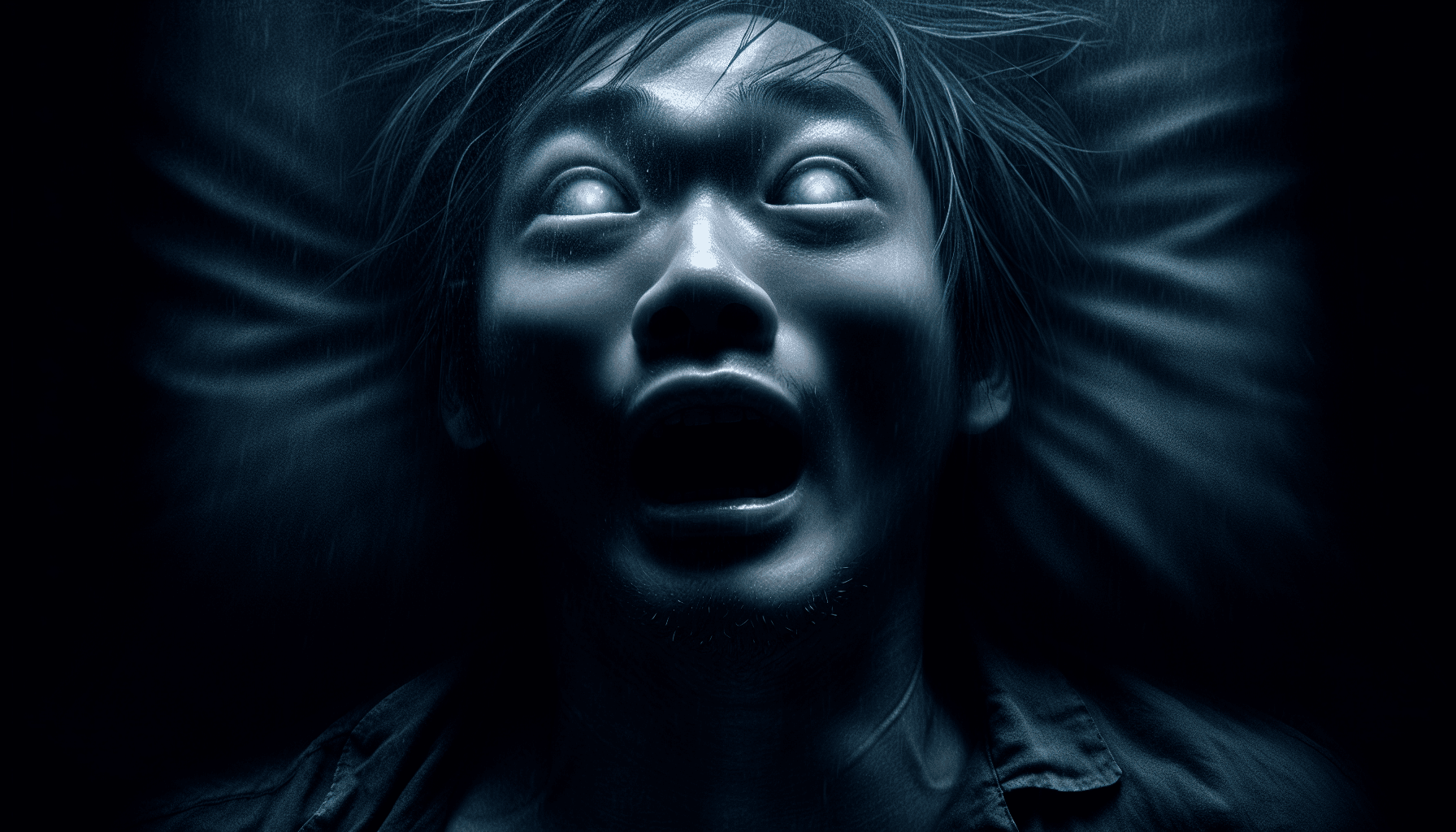
I vividly remember the first time I experienced sleep paralysis. It was a warm summer night, and as I drifted off to sleep, I suddenly found myself awake but unable to move. Panic surged through my body as I realized I couldn’t even scream for help. It felt as though an invisible force was holding me down, trapping me in a state of helplessness.
Description of Experience
During my sleep paralysis episode, I felt a heavy weight pressing down on my chest, making it difficult to breathe. While my eyes were open, my surroundings appeared distorted and surreal, as if I had been transported to another dimension. I desperately tried to move or make a sound, but my body remained completely immobilized. It was a disconcerting experience that left me feeling vulnerable and frightened.
Feelings and Emotions
The emotions I experienced during my first encounter with sleep paralysis were a mixture of fear, confusion, and a profound sense of unease. The inability to control my own body and the hallucinatory nature of the experience intensified my feelings of vulnerability. Even after the episode had ended, I felt a lingering sense of uneasiness that affected my ability to fall back asleep.

Exploring the Science
To better understand sleep paralysis, it is essential to delve into the scientific explanations behind this perplexing phenomenon.
Neurological Explanation
Sleep paralysis is believed to be closely linked to the brain’s transition between sleep stages. While falling asleep or waking up, the brain can briefly become caught between the dream state and wakefulness, leading to a state of temporary paralysis. This disruption in the normal sleep-wake cycle causes the individual to remain aware of their surroundings while being unable to move or speak.
REM Sleep and Muscle Paralysis
During REM sleep, the brain becomes highly active, and the body undergoes muscle atonia, a state of temporary paralysis. This natural mechanism prevents individuals from physically acting out their dreams, protecting them from potential harm. In sleep paralysis, this muscle paralysis continues even after the individual has woken up, resulting in the feeling of being physically immobilized.
Hallucinations
The vivid hallucinations experienced during sleep paralysis are thought to be a result of the brain’s attempt to make sense of the disconnection between wakefulness and REM sleep. As the brain tries to merge the dreamscape with reality, individuals may perceive terrifying or surreal images, sounds, or sensations. These hallucinations can vary greatly from person to person, ranging from ominous figures lurking in the shadows to auditory hallucinations of whispers or screams.
Differentiating Sleep Paralysis from Nightmares
While sleep paralysis and nightmares can both involve terrifying experiences during sleep, there are key differences that set them apart.
Key Differences
The main distinction between sleep paralysis and nightmares lies in the individual’s level of consciousness. During sleep paralysis, individuals are partially or fully awake, aware of their surroundings, and experience a form of paralysis. Nightmares, on the other hand, occur during REM sleep and are typically characterized by vivid and alarming dreams. While nightmares can elicit fear and anxiety upon waking, they do not involve the physical immobilization associated with sleep paralysis.
Similarities
Despite their differences, sleep paralysis and nightmares can share some common features. Both can be accompanied by intense emotions such as fear, anxiety, and a sense of impending doom. Additionally, individuals may experience vivid hallucinations during both sleep paralysis episodes and nightmares. These shared elements can sometimes make it challenging for individuals to distinguish between the two experiences.
Sleep Paralysis Across Cultures
Sleep paralysis is not only a physiological phenomenon but also a subject of cultural interpretations and folklore around the world.
Cultural Interpretations
Across different cultures, sleep paralysis has been attributed to various supernatural or spiritual causes. In many cultures, sleep paralysis is believed to be the work of malevolent spirits or demons who hold individuals down while they sleep. These cultural interpretations reflect the universal human tendency to make sense of unexplained phenomena through the lens of their beliefs and folklore.
Folklore and Legends
Sleep paralysis has inspired a myriad of legends and folktales throughout history. In some cultures, it is known as “the old hag syndrome,” named after a mythical creature that sits on the sleeper’s chest, causing feelings of suffocation. Other folklore tales describe similar experiences of being held down or visited by ghosts, witches, or demons during sleep paralysis episodes. These stories demonstrate how cultural narratives can shape individuals’ perceptions and understanding of sleep paralysis.
Coping Strategies
If you regularly experience sleep paralysis, it is essential to develop coping strategies to manage the condition and reduce the impact it has on your daily life.
Seeking Professional Help
If sleep paralysis is significantly affecting your sleep quality or causing distress, it may be helpful to consult a healthcare professional. Sleep specialists or therapists experienced in sleep disorders can provide valuable guidance and therapeutic interventions to help you cope with sleep paralysis. They can also assess whether any underlying sleep disorders, such as narcolepsy, may be contributing to your episodes.
Sleep Hygiene
Maintaining good sleep hygiene is essential for managing sleep paralysis. Establish a regular sleep schedule, create a relaxing sleep environment, and practice relaxation techniques before bed. Avoiding stimulants, such as caffeine or electronic devices, close to bedtime can also promote better sleep quality and reduce the frequency of sleep paralysis episodes.
Stress Management Techniques
Stress and anxiety can exacerbate sleep paralysis episodes. Incorporating stress management techniques into your daily routine, such as mindfulness meditation, deep breathing exercises, or engaging in relaxing activities, can help reduce overall stress levels and promote better sleep.
Personal Stories and Experiences
To gain a deeper understanding of sleep paralysis, it can be helpful to hear personal stories and experiences from others who have encountered this perplexing phenomenon.
Interviews with Others
I spoke with several individuals who have experienced sleep paralysis to learn more about their unique encounters. Their accounts varied in terms of the specific sensations and hallucinations they experienced. However, there was a common thread of fear and vulnerability running through each interview. Many individuals shared their coping mechanisms and strategies for lessening the impact of sleep paralysis on their lives.
Sharing My Own Experiences
Throughout my own journey with sleep paralysis, I have encountered a range of sensations and emotions. By sharing my experiences with others, I hope to provide comfort and support to those who may feel isolated or misunderstood. It is through these personal stories that we can create empathy and understanding, fostering a sense of community among individuals who have encountered sleep paralysis.
The Impact on Daily Life
Sleep paralysis can have a significant impact on various aspects of an individual’s daily life.
Effects on Sleep Quality
One of the most apparent impacts of sleep paralysis is its effect on sleep quality. Individuals who experience frequent episodes may become apprehensive about falling asleep, fearing another terrifying encounter. As a result, their overall sleep quality may suffer, leading to daytime fatigue, decreased concentration, and impaired cognitive function.
Emotional and Psychological Impact
The emotional and psychological toll of sleep paralysis should not be underestimated. The fear, anxiety, and sense of helplessness experienced during episodes can create a significant mental burden for individuals. The anticipation of future episodes can also lead to heightened levels of anxiety and stress, impacting overall emotional well-being.
Daily Functioning
The disruption caused by sleep paralysis can extend beyond sleep and impact an individual’s ability to function optimally in their daily life. The fear of sleep paralysis episodes may lead individuals to avoid certain activities or situations, limiting their experiences and potentially hindering their personal and professional growth. It is crucial to address these challenges and develop effective coping mechanisms to minimize the impact on daily functioning.
The Journey to Acceptance
Coming to terms with sleep paralysis can be a deeply personal and transformative journey.
Self-Acceptance
Acceptance of sleep paralysis begins with acknowledging that it is a real and valid experience. Understanding that sleep paralysis is not a sign of weakness or mental instability but a physiological occurrence can help individuals overcome self-doubt and self-blame. Embracing self-acceptance is the first step towards empowering oneself in the face of sleep paralysis.
Finding Support
Finding a supportive network of individuals who have also experienced sleep paralysis can be invaluable. Sharing experiences, exchanging coping strategies, and simply knowing that you are not alone in your journey can provide immense comfort. Online communities, support groups, or even reaching out to friends and family who may have similar experiences can foster a sense of belonging and support.
Embracing the Unexplained
Although sleep paralysis may never be fully understood, embracing the unexplained can be a transformative mindset. Rather than fixating on finding a definitive explanation or seeking a complete resolution, embracing the mysteries of sleep paralysis can be an empowering shift. It allows individuals to focus on personal growth, resilience, and finding peace amidst the unknown.
Conclusion
My journey with sleep paralysis has been one of self-discovery, resilience, and acceptance. By delving into the scientific explanations, exploring cultural interpretations, and sharing personal experiences, I have gained a deeper understanding of this enigmatic phenomenon. Through promoting awareness and understanding, we can create a community that supports and empowers individuals who encounter sleep paralysis. Together, we can confront the unknown and navigate the complexities of sleep paralysis with empathy, compassion, and resilience.