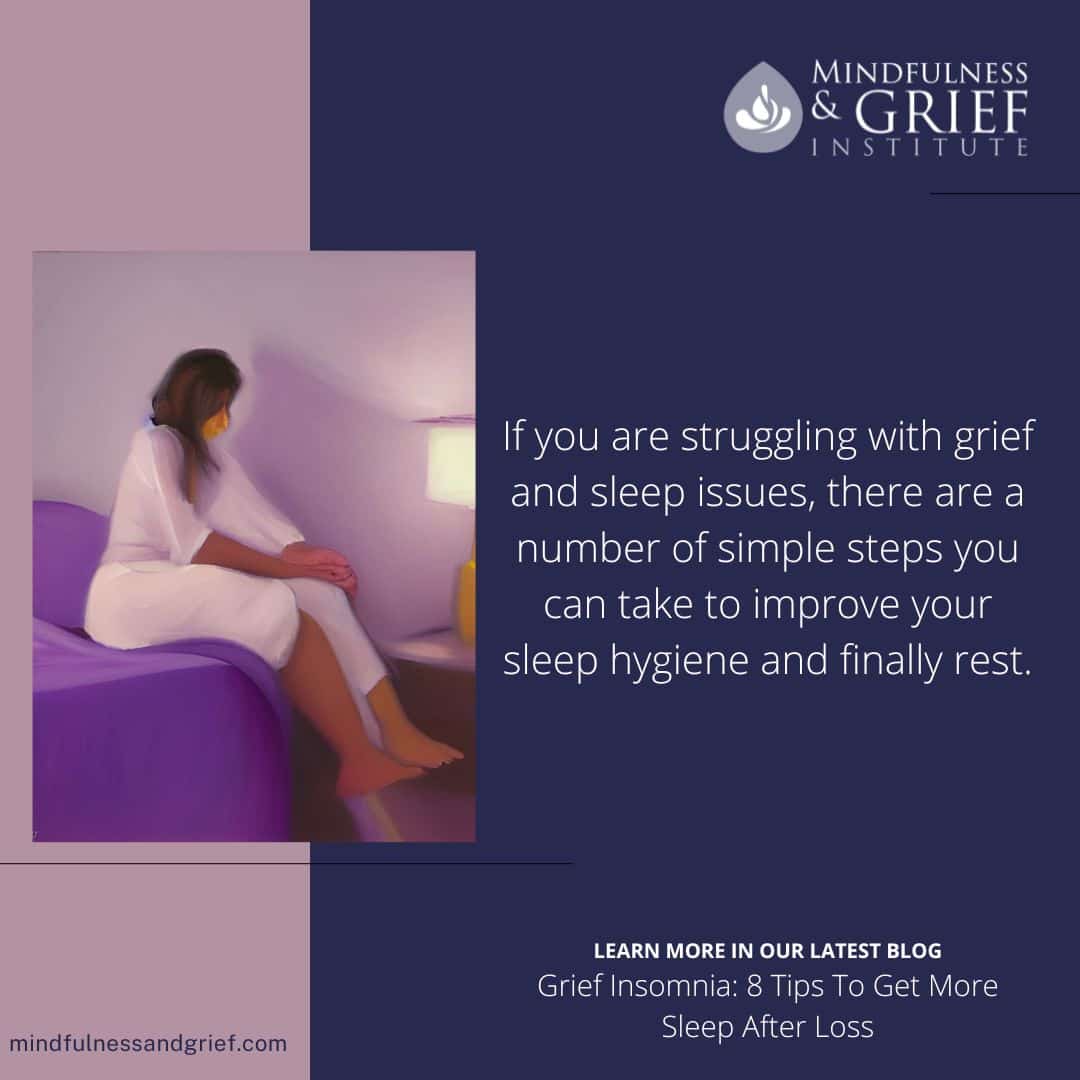
Sleep paralysis can be a truly eerie experience, leaving you feeling trapped within your own body as your mind remains fully awake. But have you ever considered how this unsettling phenomenon can intersect with feelings of grief and loss? In a world where our dreams can become a refuge for our deepest emotions, navigating the realm of sleep paralysis becomes all the more complex. This article delves into the fascinating connection between grief and loss in the context of sleep paralysis, exploring the unique challenges faced by those who have experienced this mysterious phenomenon.
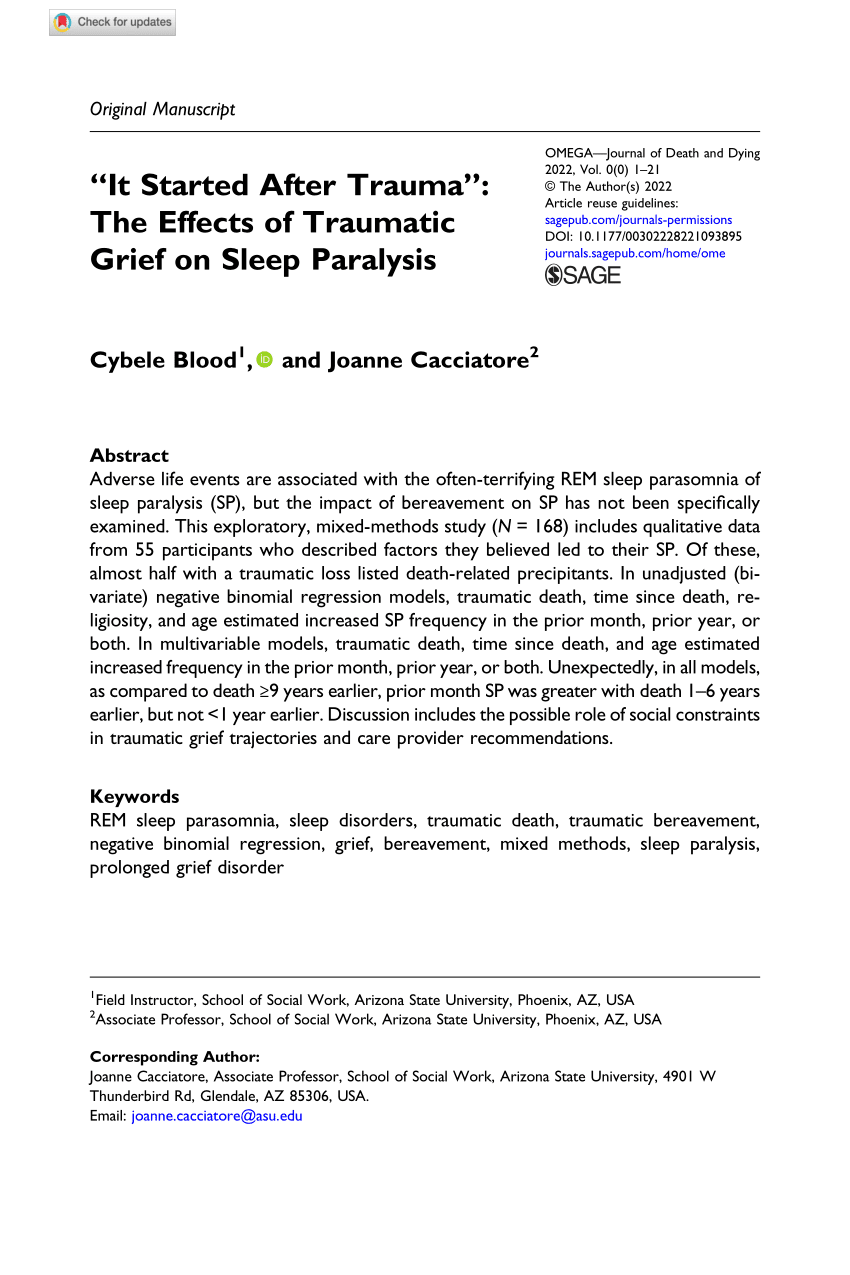
Explaining Sleep Paralysis
Definition of sleep paralysis
Sleep paralysis is a phenomenon that occurs when a person is temporarily unable to move or speak while they are transitioning between the stages of wakefulness and sleep. It is a state in which the body is temporarily paralyzed, but the mind remains fully awake. This can be a terrifying experience for those who go through it, as they may feel as if they are trapped or unable to escape their own bodies. Sleep paralysis typically lasts for a few seconds to a few minutes, but the individual may have difficulty determining the length of time during the episode.
Causes of sleep paralysis
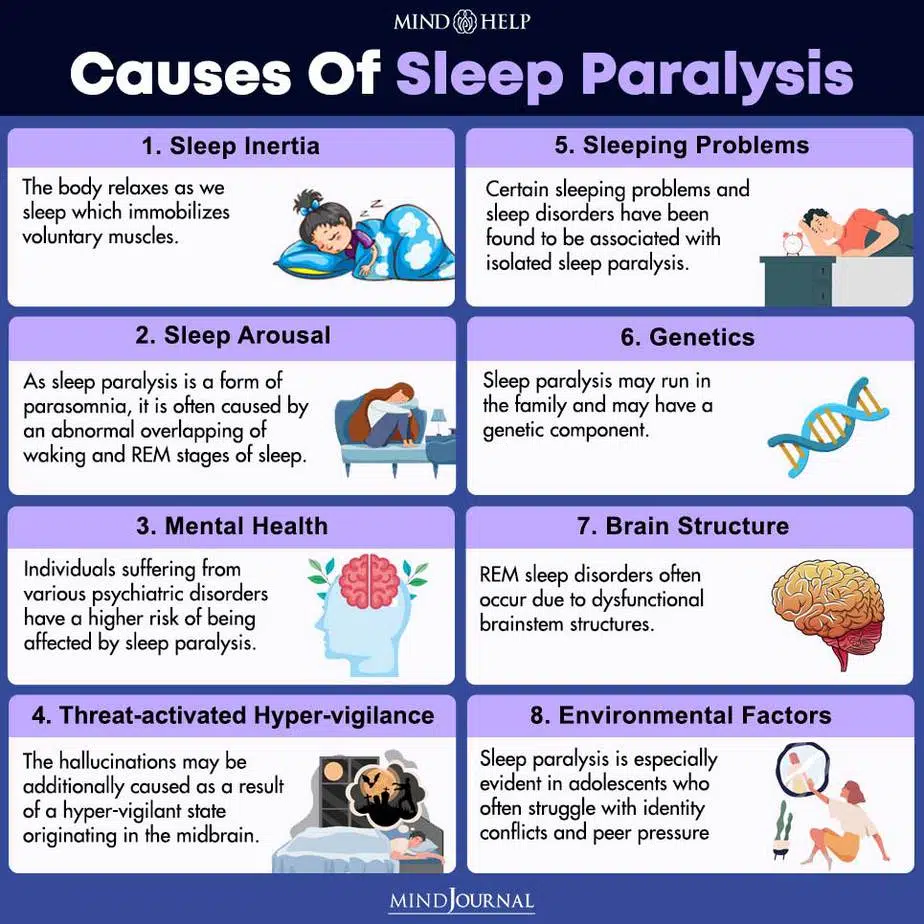
Sleep paralysis can have various causes, with one of the most common being disrupted sleep patterns. It often occurs when a person does not get enough sleep or experiences irregular sleeping patterns, such as frequently waking up during the night. Sleep disorders like narcolepsy, insomnia, and sleep apnea can also contribute to the occurrence of sleep paralysis. Additionally, certain lifestyle factors such as stress, anxiety, and substance abuse can increase the likelihood of experiencing sleep paralysis.
Symptoms of sleep paralysis
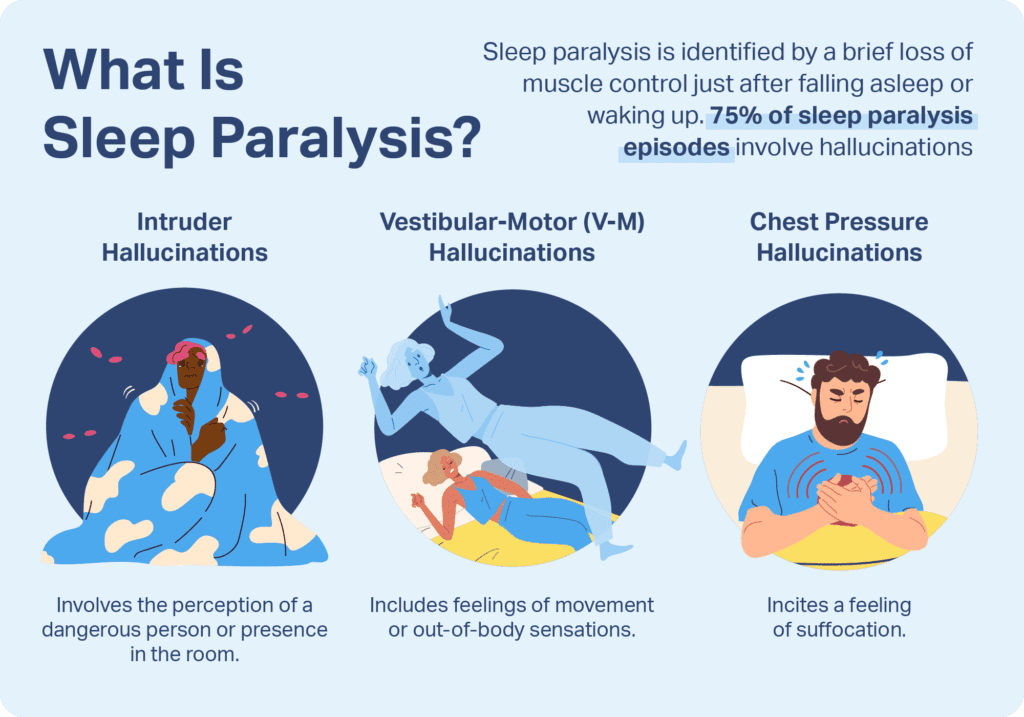
The main symptom of sleep paralysis is the temporary inability to move or speak. During an episode, individuals may also experience a sense of pressure on their chest or a feeling of being choked. They may have vivid hallucinations, often seeing shadowy figures or hearing strange noises. The person may also feel intense fear or a sense of impending doom. Sleep paralysis episodes can vary in frequency and intensity from person to person. Some individuals may only experience it once or twice in their lifetime, while others may have frequent episodes.
Understanding Grief and Loss
Introduction to grief and loss
Grief and loss are universal experiences that everyone will inevitably face at some point in their lives. Grief is the intense emotional response to the loss of someone or something significant, such as the death of a loved one, the end of a relationship, or the loss of a job. It is a natural and normal process that involves a range of emotions, including sadness, anger, guilt, and disbelief. Loss can be categorized into different types, including bereavement, relationship loss, loss of identity, and loss of a pet, among others.
Types of grief
There are various types of grief that individuals may experience. Anticipatory grief is the emotions that occur before the actual loss, such as when a person is aware that their loved one is dying. Complicated grief refers to a prolonged and intense grieving process that does not diminish over time, often accompanied by trouble accepting the loss and struggling to move forward. Disenfranchised grief occurs when the loss is not openly acknowledged or socially recognized, such as the death of a pet or a miscarriage. Each type of grief presents its unique challenges and emotions.
Stages of grief
The grieving process is often described in terms of stages, although it is important to remember that not everyone experiences these stages in a linear or predictable manner. The widely recognized stages of grief, as identified by psychiatrist Elisabeth Kübler-Ross, include denial, anger, bargaining, depression, and acceptance. These stages provide a framework for understanding the emotional journey that a person may go through while grieving. It is important to note that grief is a highly individualized process, and there is no right or wrong way to grieve.
The Intersection of Sleep Paralysis and Grief
Experiencing grief while dealing with sleep paralysis
When a person is already dealing with the emotional turmoil of grief and loss, the additional experience of sleep paralysis can exacerbate their distress. Sleep paralysis episodes can be particularly disturbing during periods of heightened emotional vulnerability. Grief and loss can already disrupt sleep patterns, so the occurrence of sleep paralysis can further disrupt the grieving individual’s ability to get the rest they need to heal.
Impact of sleep paralysis on grieving process
Sleep paralysis can have a significant impact on the grieving process. The fear, helplessness, and emotional intensity experienced during sleep paralysis can intensify the emotions associated with grief. It can lead to increased feelings of anxiety, depression, and isolation, making it even more challenging for individuals to cope with their loss. Sleep deprivation resulting from recurrent sleep paralysis episodes can also contribute to a decreased ability to process emotions and effectively navigate the grieving process.
Ways in which sleep paralysis can intensify grief
Sleep paralysis can intensify grief in several ways. Firstly, the vivid hallucinations and the sense of being trapped or restricted during an episode can evoke strong emotions of fear and helplessness, which can trigger memories of loss and amplify grief-related emotions. Secondly, the disruptions in sleep caused by sleep paralysis can lead to fatigue and decreased cognitive functioning, making it more challenging for individuals to process their grief and engage in healthy coping mechanisms. Lastly, the frequent presence of fear and anxiety associated with sleep paralysis can deepen feelings of vulnerability and exacerbate the overall emotional distress experienced during the grieving process.
Grief and Loss as a Trigger for Sleep Paralysis
Exploring the relationship between grief and sleep paralysis
While the relationship between grief and sleep paralysis is complex and multifaceted, research suggests that the emotional stress and disrupted sleep patterns associated with grief can contribute to the occurrence of sleep paralysis. Grief often leads to increased levels of stress, anxiety, and depression, which can disrupt the normal sleep cycle and increase the likelihood of experiencing sleep disturbances, including sleep paralysis.
How grief might contribute to sleep paralysis
The emotional and psychological impact of grief can heighten physiological arousal and activate the body’s stress response system. This can lead to an increased release of stress hormones, such as cortisol, that can disrupt the sleep-wake cycle and contribute to sleep disturbances. Additionally, the intense emotions and intrusive thoughts experienced during grief can manifest in dreams and nightmares, potentially leading to sleep paralysis episodes.
Case studies and personal experiences
There have been numerous reports and personal accounts of individuals experiencing sleep paralysis during periods of grief and loss. These case studies highlight the potential connection between the emotional distress associated with grief and the occurrence of sleep paralysis. While more research is needed to fully understand the underlying mechanisms, these anecdotal experiences offer insights into the significant impact that grief can have on sleep paralysis episodes.
Managing Grief and Sleep Paralysis
Seeking professional help
When dealing with the intersection of grief and sleep paralysis, it is crucial to seek professional help from healthcare providers, such as therapists, counselors, or sleep specialists. These professionals can provide guidance, support, and therapeutic interventions to help individuals navigate their grief and manage sleep paralysis. They can also assess for any underlying sleep disorders or mental health conditions that may be contributing to the sleep paralysis episodes.
Developing coping mechanisms
Developing healthy coping mechanisms is essential for managing both grief and sleep paralysis. Engaging in self-care practices, such as maintaining a regular sleep schedule, practicing relaxation techniques, and engaging in activities that promote emotional well-being, can help alleviate the emotional distress associated with grief and reduce the likelihood of sleep paralysis episodes. It is important to prioritize self-care and establish a support system to aid in the grieving and healing process.
Support groups and therapy
Joining support groups or participating in therapy can provide individuals with a safe space to share their experiences, emotions, and concerns related to grief and sleep paralysis. Support groups offer the opportunity to connect with others who have gone through similar experiences, providing validation, understanding, and a sense of community. Therapy can also be beneficial in helping individuals develop coping strategies, process their grief, and manage sleep-related issues.
Effects of Sleep Paralysis on Mental Health
Impact of sleep paralysis on mental well-being
Sleep paralysis can have a profound impact on mental well-being. The fear and distress experienced during episodes can lead to increased levels of anxiety and contribute to the development or worsening of mental health conditions such as anxiety disorders, panic disorder, and depression. The disruption of sleep caused by sleep paralysis can also lead to persistent sleep difficulties and chronic sleep deprivation, further exacerbating mental health issues.
Risk factors for developing mental health disorders
Individuals who experience sleep paralysis may be at a higher risk of developing mental health disorders. The intense fear and anxiety associated with sleep paralysis can create a cycle of anticipatory anxiety and fear of sleep, leading to sleep disturbances and increased risk of developing anxiety and mood disorders. Additionally, the impact of sleep deprivation on mood and cognitive functioning can contribute to the development of mental health disorders.
Addressing mental health issues related to sleep paralysis
It is crucial to address the mental health issues related to sleep paralysis through a comprehensive approach that includes therapy, medication, and lifestyle changes. Therapy, such as cognitive-behavioral therapy (CBT), can help individuals develop coping strategies, challenge negative thought patterns, and manage anxiety associated with sleep paralysis. Medication may be prescribed in cases where the individual experiences severe anxiety or depression. Adopting healthy lifestyle habits, including regular exercise, stress management techniques, and sleep hygiene practices, can also support overall mental well-being.
Cognitive Behaviors and Sleep Paralysis
Impact of thoughts and beliefs on sleep paralysis experiences
Thoughts and beliefs can significantly influence the experience of sleep paralysis. Anxiety-provoking thoughts and beliefs about sleep paralysis, such as the fear of being possessed or the belief that the episode is a paranormal event, can intensify the emotional distress experienced during the episodes. These cognitive behaviors can lead to increased arousal and contribute to the frequency and severity of sleep paralysis episodes.
Cognitive-behavioral therapy for sleep paralysis
Cognitive-behavioral therapy (CBT) can be an effective treatment approach for individuals experiencing sleep paralysis. This therapy aims to identify and challenge negative thoughts and beliefs related to sleep paralysis. By reframing distorted beliefs and developing relaxation techniques, individuals can learn to reduce anticipatory anxiety and fear associated with sleep paralysis. CBT can also help individuals develop better sleep hygiene practices and manage stress, contributing to a reduction in sleep paralysis episodes.
Training the mind to reduce sleep paralysis episodes
In addition to CBT, various techniques can help individuals reduce the occurrence and impact of sleep paralysis episodes. Mindfulness meditation and relaxation exercises can be effective in calming the mind and reducing anxiety, which may contribute to fewer sleep paralysis episodes. Engaging in regular exercise, maintaining a consistent sleep schedule, and creating a relaxing sleep environment can also support better sleep quality and reduce the likelihood of experiencing sleep paralysis. It is important to tailor these techniques to individual needs and engage in practices that promote relaxation and well-being.
Cultural Perspectives on Sleep Paralysis and Grief
Different cultural beliefs and interpretations of sleep paralysis
Sleep paralysis is a phenomenon that has been experienced and interpreted differently across various cultures. In some cultures, sleep paralysis is associated with supernatural or spiritual beliefs. For example, in certain African and Caribbean cultures, it is often attributed to the presence of evil spirits or supernatural entities. Conversely, other cultures may view sleep paralysis as a medical condition or a normal part of the sleep cycle. Understanding these diverse cultural beliefs can provide insights into the different ways individuals perceive and cope with sleep paralysis.
Traditional practices and remedies for sleep paralysis and grief
Many cultures have developed traditional practices and remedies to manage sleep paralysis and grief. These may include rituals, prayers, or the use of specific herbs or plants believed to have healing properties. For example, in some Indigenous cultures, smudging ceremonies or the burning of sacred herbs are used to cleanse the environment and promote emotional healing. These traditional practices and remedies can offer comfort and a sense of control in the face of sleep paralysis and grief.
How cultural perspectives influence the grieving process
Cultural perspectives and beliefs play a significant role in shaping the grieving process. Different cultures have unique mourning rituals, customs, and traditions that provide a framework for grieving and honoring the deceased. These cultural practices can provide individuals with a sense of belonging, support, and guidance during their grieving journey. Understanding and respecting cultural perspectives is crucial in providing appropriate support and care to individuals dealing with grief and sleep paralysis within diverse communities.

Research and Studies on Sleep Paralysis and Grief
Scientific studies exploring the relationship
Research on the relationship between sleep paralysis and grief is still in its early stages, but there have been studies focusing on understanding the connection between the two. These studies aim to investigate the prevalence of sleep paralysis in individuals experiencing grief, as well as the impact of sleep paralysis on their emotional well-being. Researchers have also explored the potential mechanisms that link grief-related distress to an increased occurrence of sleep paralysis.
Findings and outcomes of research
While more research is needed to fully understand the complexities of the relationship between sleep paralysis and grief, preliminary findings suggest a significant overlap between the two experiences. Studies have found that individuals experiencing grief are more likely to report sleep paralysis episodes compared to the general population. The emotional distress associated with grief, including anxiety and depression, has been linked to an increased occurrence of sleep paralysis. Research has also indicated that sleep paralysis occurring during grief may be more emotionally disturbing and impactful.
Future directions for research
As the understanding of sleep paralysis and grief continues to evolve, further research is needed to explore the underlying mechanisms and develop effective interventions. Future studies could focus on investigating the role of sleep quality, dream content, and cognitive factors in the occurrence of sleep paralysis during grief. Longitudinal studies tracking individuals over time could provide valuable insights into the trajectory of sleep paralysis and grief and their reciprocal influence. Additionally, cross-cultural research could shed light on the cultural variations in the experience and perception of sleep paralysis in the context of grief.
Conclusion
In conclusion, the intersection of sleep paralysis and grief poses unique challenges for individuals navigating these experiences. Sleep paralysis can intensify the emotional distress associated with grief, disrupt sleep patterns, and negatively impact mental well-being. Understanding the relationship between sleep paralysis and grief is crucial for providing appropriate support and interventions. Seeking professional help, developing coping mechanisms, and engaging in therapy and support groups can significantly aid individuals in managing both grief and sleep paralysis. Cultural perspectives and beliefs also play a significant role in shaping the experience and interpretation of sleep paralysis and grief, highlighting the importance of cultural sensitivity in providing support. With further research and increased awareness, individuals can find effective strategies to navigate the complex terrain of sleep paralysis and grief while fostering overall well-being and healing.