
Imagine waking up from a deep slumber, your senses instantly fully aware, only to find that you’re unable to move a muscle. It’s a terrifying experience, to say the least. In this article, you will be transported into the shoes of someone who has endured the haunting phenomenon known as sleep paralysis. Through their personal account, you will gain insight into the fears, frustrations, and coping mechanisms they have employed to navigate this perplexing condition. Are you ready to delve into this gripping story? Let’s begin.
Understanding Sleep Paralysis
Definition of sleep paralysis
Sleep paralysis is a phenomenon that occurs during the transition between sleep and wakefulness. It is a temporary inability to move or speak, often accompanied by a feeling of pressure on the chest and a sense of being watched or threatened. Despite the name, sleep paralysis is not actually a type of sleep disorder, but rather a symptom that can occur within various sleep disorders, such as narcolepsy or sleep apnea.
Causes of sleep paralysis
Sleep paralysis is thought to occur when there is a disruption in the normal sleep cycle. During rapid eye movement (REM) sleep, the brain is highly active, but the body is generally immobilized to prevent us from acting out our dreams. When this mechanism fails to function properly, sleep paralysis can occur. There are several factors that can contribute to the occurrence of sleep paralysis, including sleep deprivation, irregular sleep schedules, stress, and certain medications or substances.
Symptoms of sleep paralysis
The main symptom of sleep paralysis is the temporary inability to move or speak. This can be an incredibly distressing experience, as the individual may feel trapped, helpless, or even paralyzed. In addition to the physical immobility, sleep paralysis is often accompanied by vivid hallucinations and a sense of impending doom. These hallucinations can take various forms, such as the presence of shadowy figures, strange sounds, or a feeling of being forcefully held down.
The Personal Experience
Narration of the person’s personal experience with sleep paralysis
Sleep paralysis can be a terrifying experience for those who suffer from it, and it can significantly impact their daily lives. One person’s story highlights the distressing nature of sleep paralysis and sheds light on how it can affect an individual’s mental and emotional well-being.
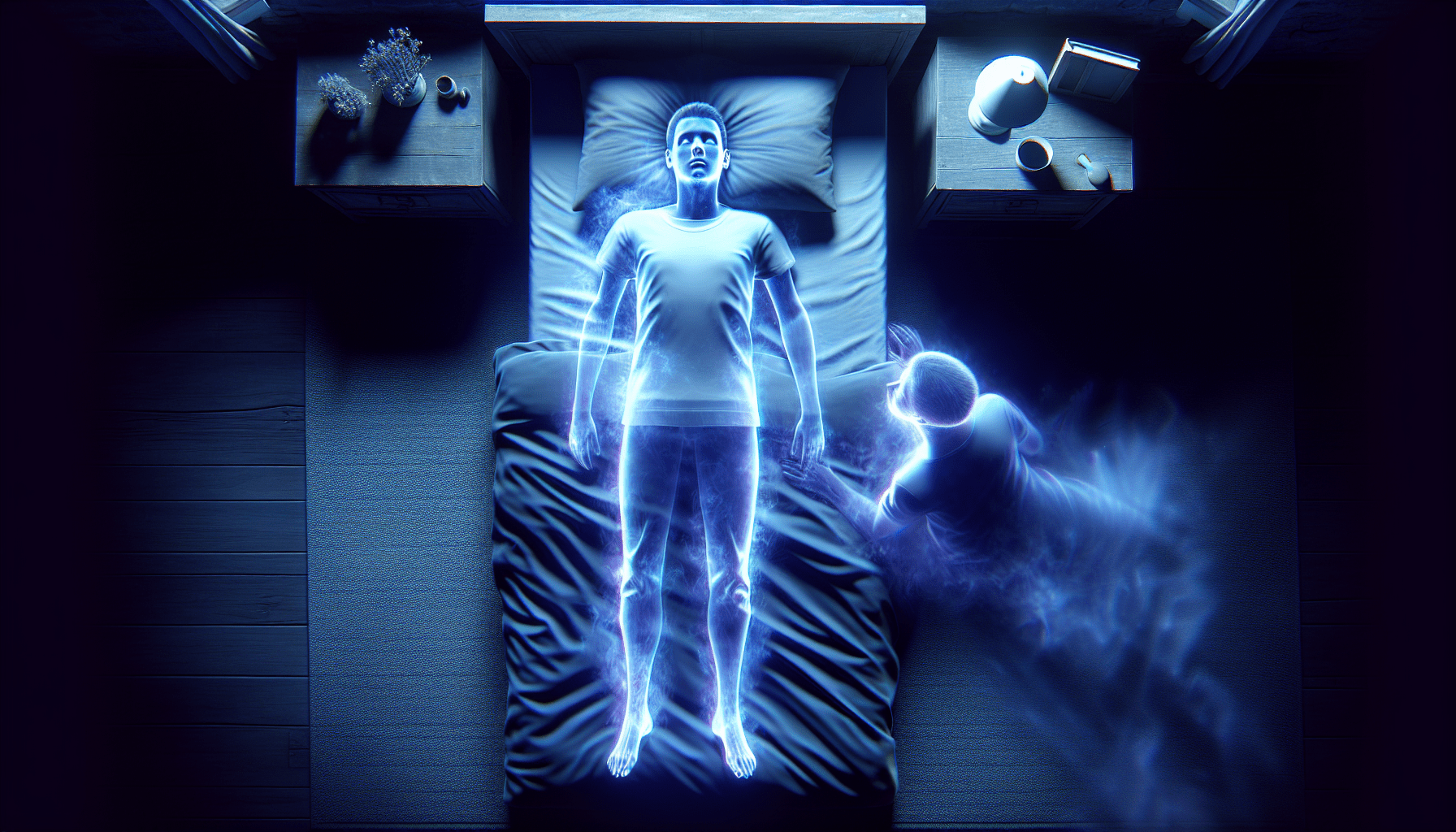
In their personal account, the person describes waking up in the middle of the night unable to move or speak. They vividly recount the hallucinations they experienced during their episodes of sleep paralysis, including a feeling of being strangled and the presence of shadowy figures in the room. The person also relates the intense fear and anxiety they felt during these episodes, as well as the difficulty they had in trying to differentiate between what was real and what was a hallucination.
Effects on Daily Life
Difficulty in getting enough sleep
The disruptive nature of sleep paralysis can lead to difficulties in obtaining sufficient sleep. Individuals who experience frequent episodes of sleep paralysis may find themselves avoiding sleep altogether in an attempt to avoid the distressing episodes. This can result in chronic sleep deprivation, which can be detrimental to overall health and well-being.
Impact on mental and emotional well-being
Sleep paralysis can have a profound impact on mental and emotional well-being. The intense fear and anxiety experienced during episodes can lead to feelings of helplessness and a heightened sense of vulnerability. This can contribute to the development of anxiety disorders, depression, and other mental health issues.
Struggles with daytime fatigue
The disrupted sleep caused by sleep paralysis can result in excessive daytime fatigue. Individuals may find themselves struggling to stay awake, lacking energy, and experiencing difficulty concentrating throughout the day. This can have a negative impact on work or academic performance, as well as overall quality of life.
Coping Mechanisms
Seeking support from medical professionals
If you are experiencing sleep paralysis, it is important to consult with a medical professional. They can help determine if an underlying sleep disorder is contributing to the episodes and provide appropriate treatment. They may recommend a sleep study to gather more information about your sleep patterns and identify any potential contributing factors. Additionally, they may prescribe medications or suggest lifestyle changes to help manage the condition.
Learning relaxation techniques
Practicing relaxation techniques can be beneficial in managing sleep paralysis. Techniques such as deep breathing, progressive muscle relaxation, and guided imagery can help reduce anxiety and promote relaxation before sleep. By incorporating these techniques into your daily routine, you may be able to create a more peaceful and calming sleep environment.
Establishing a sleep routine
Establishing a consistent sleep routine can help regulate your sleep patterns and reduce the likelihood of sleep paralysis episodes. Aim to go to bed and wake up at the same time each day, even on weekends. Avoiding irregular sleep schedules and maintaining a regular sleep-wake cycle can promote healthier sleep patterns.
Creating a comfortable sleeping environment
Creating a comfortable sleeping environment can also aid in preventing sleep paralysis episodes. Ensure that your bedroom is dark, quiet, and at a comfortable temperature. Use comfortable bedding and pillows to promote relaxation and minimize any potential discomfort.

Overcoming Fear and Anxiety
Confronting and understanding the fear
Dealing with the fear associated with sleep paralysis can be challenging, but it is essential for overcoming it. By confronting and understanding the fear, you can begin to regain control over your emotions and reactions. Education about sleep paralysis, its causes, and its effects can help demystify the experience and alleviate some of the fear surrounding it.
Seeking therapy or counseling
Therapy or counseling can be invaluable in addressing the emotional impact of sleep paralysis. A mental health professional can provide support, guidance, and coping strategies to help manage anxiety and any resulting mental health issues. Cognitive-behavioral therapy (CBT) has shown particular effectiveness in helping individuals overcome the fear and distress associated with sleep paralysis.
Educating oneself about sleep paralysis
Educating oneself about sleep paralysis can be empowering and help reduce anxiety. By learning about the causes, symptoms, and treatment options, individuals can gain a better understanding of their condition and feel more in control. Books, reputable websites, and support groups can provide valuable information and a sense of community for those coping with sleep paralysis.
Alternative Treatment Options
Herbal remedies and supplements
Some individuals find relief from sleep paralysis symptoms through the use of herbal remedies and supplements. Chamomile, valerian root, and lavender are known for their calming properties and may help promote relaxation and improve sleep quality. However, it is important to consult with a healthcare professional before incorporating any new supplements into your routine, as they may interact with other medications or have side effects.
Exploring alternative therapies such as acupuncture or meditation
Alternative therapies, such as acupuncture or meditation, may also offer a way to manage sleep paralysis symptoms. Acupuncture, an ancient Chinese practice that involves the insertion of thin needles into specific points on the body, is believed to help balance the body’s energy and promote relaxation. Meditation, on the other hand, focuses on calming the mind and relieving stress. These practices can help individuals relax and achieve a sense of inner peace, potentially reducing the frequency or severity of sleep paralysis episodes.
Support from Others
Sharing experiences with others who have sleep paralysis
Sharing experiences with others who have sleep paralysis can be incredibly comforting and validating. Hearing that you are not alone in your struggles can provide a sense of relief and reassurance. Online forums, support groups, and social media communities dedicated to sleep paralysis can serve as safe spaces to connect with others who understand your experiences firsthand.
Joining support groups or online communities
Joining support groups or online communities dedicated to sleep paralysis can provide a wealth of information, resources, and support. These groups often offer a platform for individuals to share their stories, ask questions, and seek advice from others who have similar experiences. Engaging with these communities can provide a sense of belonging and foster a supportive network of individuals who understand the challenges of living with sleep paralysis.
Preventing Sleep Paralysis
Maintaining a healthy sleep schedule
Maintaining a consistent and healthy sleep schedule is key to preventing sleep paralysis. Aim to establish a regular sleep routine, prioritizing an adequate amount of sleep each night. Avoiding irregular sleep patterns and consistently getting enough sleep can help regulate your sleep cycle and reduce the likelihood of experiencing sleep paralysis.
Avoiding stimulants before bedtime
Stimulants such as caffeine, nicotine, and alcohol can disrupt sleep and increase the likelihood of sleep paralysis episodes. It is advisable to avoid consuming these substances, particularly in the hours leading up to bedtime. Instead, opt for calming and decaffeinated beverages such as herbal tea to promote relaxation and better sleep.
Creating a calming bedtime routine
Creating a calming bedtime routine can signal to your body and mind that it is time to relax and prepare for sleep. Engage in activities that promote relaxation, such as reading a book, taking a warm bath, or practicing mindfulness meditation. By consistently following a relaxing routine, you can set the stage for a peaceful transition into sleep.
Managing Sleep Paralysis Triggers
Identifying personal triggers
It is essential to identify personal triggers for sleep paralysis in order to effectively manage the condition. Keep a sleep journal to track potential triggers, such as specific foods, stressors, or sleep patterns. By identifying patterns and potential triggers, you can take proactive steps to minimize or avoid them and reduce the occurrence of sleep paralysis episodes.
Taking steps to minimize or avoid triggers
Once personal triggers have been identified, it is important to take steps to minimize or avoid them. For example, if stress is a trigger, consider incorporating stress-reduction techniques into your daily routine, such as yoga or meditation. If irregular sleep patterns contribute to sleep paralysis, focus on establishing a consistent sleep schedule. By actively managing and mitigating triggers, you can decrease the likelihood of experiencing sleep paralysis.
Embracing Positivity
Focusing on positive aspects of life
Embracing a positive mindset can be beneficial in managing sleep paralysis. By focusing on the positive aspects of life and practicing gratitude, you can shift your perspective and improve your overall well-being. Engaging in activities that bring joy and fulfillment, such as spending time with loved ones or pursuing hobbies, can help cultivate a positive outlook and reduce the impact of sleep paralysis on your daily life.
Practicing gratitude and mindfulness
Practicing gratitude and mindfulness can help shift your attention away from the negative aspects of sleep paralysis and toward appreciation for the present moment. Incorporate gratitude exercises into your daily routine, such as writing down three things you are grateful for each day. Additionally, mindfulness practices, such as meditation or deep breathing, can help promote relaxation and reduce stress levels.
Finding activities that bring joy and relaxation
Engaging in activities that bring joy and relaxation can serve as a form of self-care and help alleviate the impact of sleep paralysis. Find hobbies or activities that help you unwind and recharge. This could include reading, painting, listening to music, or spending time in nature. By prioritizing activities that bring you happiness and relaxation, you can enhance your overall well-being and minimize the impact of sleep paralysis on your daily life.
In conclusion, sleep paralysis can be a distressing and disruptive experience. However, by understanding the condition, seeking support, and implementing coping mechanisms, individuals can effectively manage sleep paralysis and minimize its impact on their daily lives. Through a combination of medical support, lifestyle changes, and self-care techniques, it is possible to overcome fear and anxiety, find ways to prevent sleep paralysis, and embrace a positive outlook on life. Remember, you are not alone in your experiences, and there are resources and communities available to provide support and guidance on this journey towards better sleep and well-being.