
In this article, you will delve into the fascinating realm of sleep paralysis hallucinations. This peculiar phenomenon occurs when a person is temporarily unable to move or speak while transitioning between sleep and wakefulness. The hallucinations experienced during sleep paralysis can be vivid and terrifying, often involving the perception of sinister figures or supernatural beings in the room. Through the lens of various scientific studies and research, we will explore the underlying mechanisms and possible explanations for these eerie hallucinations that occur during episodes of sleep paralysis.
Exploring the Science Behind Sleep Paralysis Hallucinations
Have you ever woken up unable to move, feeling a presence in the room, and experiencing vivid and often terrifying hallucinations? This phenomenon is known as sleep paralysis and it affects a significant portion of the population. In this article, we will delve into the science behind sleep paralysis hallucinations to understand what causes them and how they can be managed.
What is Sleep Paralysis?
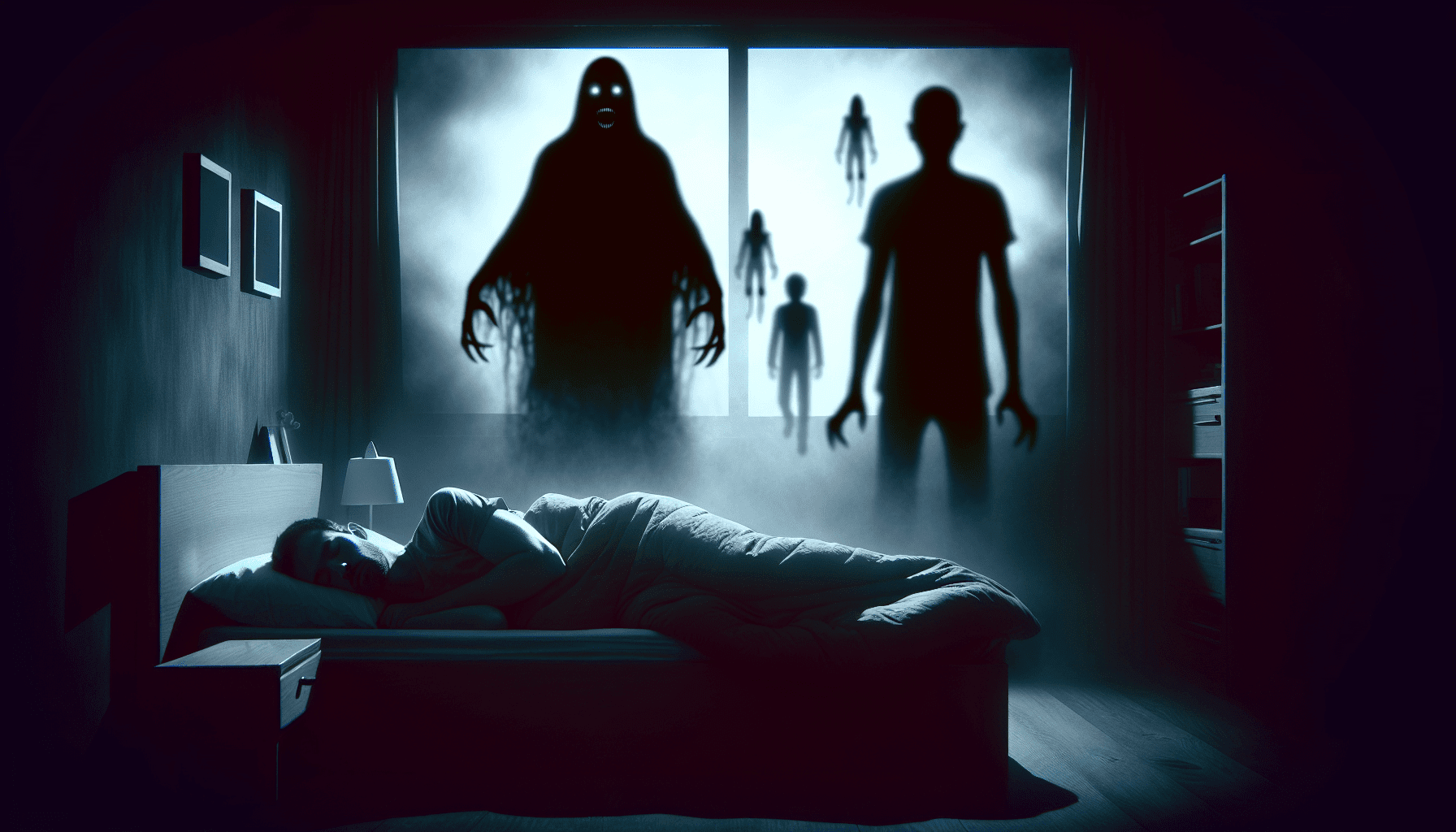
Sleep paralysis is a common phenomenon characterized by temporary paralysis of the body that occurs upon falling asleep or waking up. During an episode of sleep paralysis, you may feel awake but unable to move, speak, or react. This can be a terrifying experience, especially when accompanied by hallucinations.
Feeling of Presence
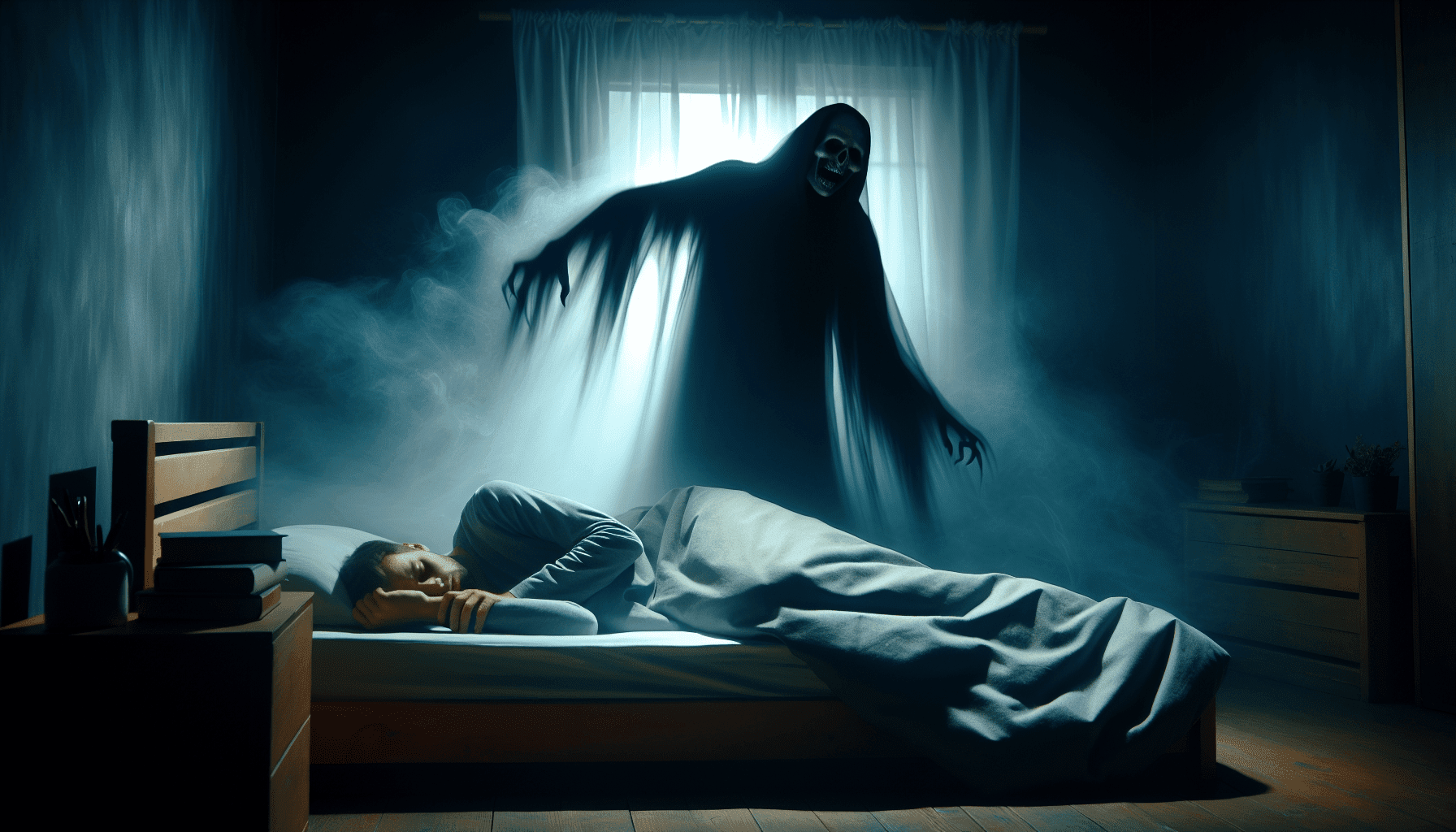
One of the hallmark features of sleep paralysis is the sensation of a presence in the room. This feeling of being watched or accompanied by an unseen entity can be distressing and is often associated with intense fear.
Hallucinations
Hallucinations experienced during sleep paralysis can range from visual to auditory, tactile, and even olfactory. These hallucinations are often vivid and can be indistinguishable from reality, leading to intense feelings of terror and dread.
The Science Behind Sleep Paralysis
Sleep paralysis occurs during rapid eye movement (REM) sleep, a stage of sleep when the brain is highly active, and dreaming occurs. Normally, during REM sleep, the body is paralyzed to prevent acting out dreams. In the case of sleep paralysis, this paralysis extends into wakefulness, leading to the inability to move.
REM Atonia
REM atonia is the state of muscle paralysis that occurs during REM sleep to prevent bodily movement during dreams. When this state persists upon awakening, it results in sleep paralysis. The brain is awake and aware, but the body remains in a state of temporary paralysis.
Hypnagogic and Hypnopompic Hallucinations
The hallucinations experienced during sleep paralysis are known as hypnagogic if they occur upon falling asleep and hypnopompic if they occur upon waking up. These hallucinations can be extremely vivid and often involve themes of threat, danger, or malevolent entities.
Table 1: Types of Hallucinations in Sleep Paralysis
| Type of Hallucination | Description |
|---|---|
| Visual | Seeing people, shapes, or entities |
| Auditory | Hearing voices, footsteps, or noises |
| Tactile | Feeling pressure, touch, or movement |
| Olfactory | Sensing smells or odors |
Risk Factors for Sleep Paralysis
While sleep paralysis can occur in individuals without underlying conditions, certain factors increase the likelihood of experiencing sleep paralysis episodes.
Sleep Deprivation
Lack of sufficient sleep or disrupted sleep patterns can predispose individuals to sleep paralysis. Poor sleep hygiene and irregular sleep schedules can disrupt the normal sleep cycle, increasing the risk of experiencing sleep paralysis.
Stress and Anxiety
High levels of stress and anxiety are strongly associated with sleep paralysis. Emotional distress can disrupt sleep patterns and exacerbate REM sleep abnormalities, leading to an increased likelihood of experiencing sleep paralysis episodes.
Mental Health Disorders
Individuals with mental health conditions such as anxiety, depression, and post-traumatic stress disorder (PTSD) are more likely to experience sleep paralysis. The relationship between mental health and sleep paralysis is complex and may involve disruptions in neurotransmitter systems.
Coping Strategies for Sleep Paralysis
If you experience sleep paralysis frequently or find it distressing, there are several coping strategies that can help manage the episodes and reduce their impact on your sleep and daily life.
Improve Sleep Hygiene
Establishing a regular sleep schedule, creating a relaxing sleep environment, and practicing relaxation techniques can improve sleep quality and reduce the frequency of sleep paralysis episodes. Maintaining a consistent bedtime and wake-up time can help regulate your sleep-wake cycle and promote restful sleep.
Stress Management
Managing stress through mindfulness, meditation, deep breathing exercises, and relaxation techniques can help reduce the likelihood of experiencing sleep paralysis. Addressing underlying stressors and practicing stress reduction strategies can improve sleep quality and overall well-being.
Seek Professional Help
If sleep paralysis is significantly impacting your life or causing distress, consider seeking help from a healthcare provider or mental health professional. Therapeutic interventions, such as cognitive-behavioral therapy (CBT) or medication, may be recommended to address underlying issues and improve sleep quality.
Conclusion
Sleep paralysis hallucinations are a fascinating yet often unsettling phenomenon that can occur during episodes of sleep paralysis. Understanding the science behind sleep paralysis and the factors that contribute to its occurrence can help demystify this experience and provide insights into how to manage and cope with it effectively. By implementing strategies to improve sleep hygiene, manage stress, and seek support when needed, you can navigate the challenges of sleep paralysis and minimize its impact on your life. Remember, you are not alone in experiencing sleep paralysis, and there are resources available to help you better understand and address this complex phenomenon.