How does sleep paralysis impact your creativity?
Understanding Sleep Paralysis
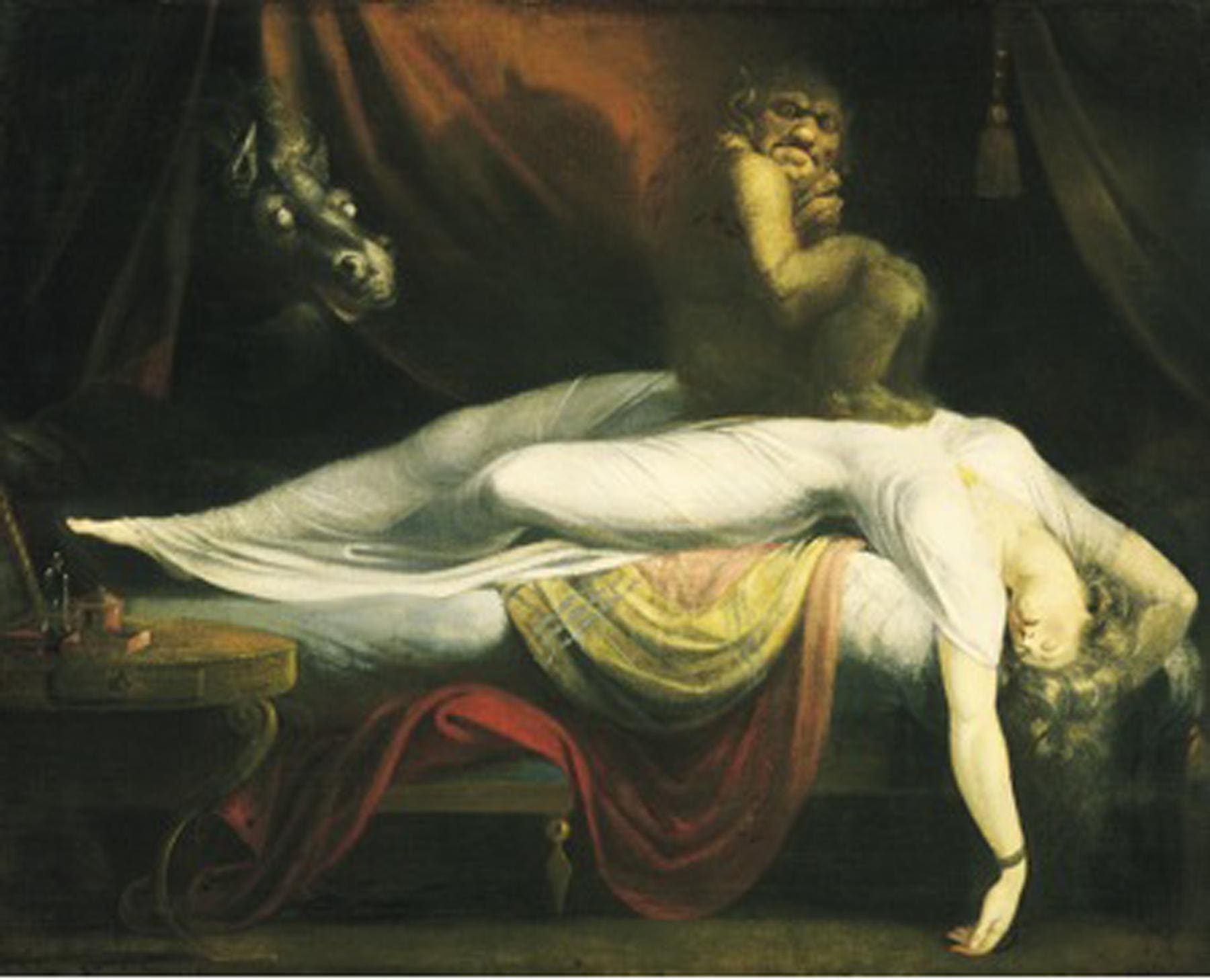
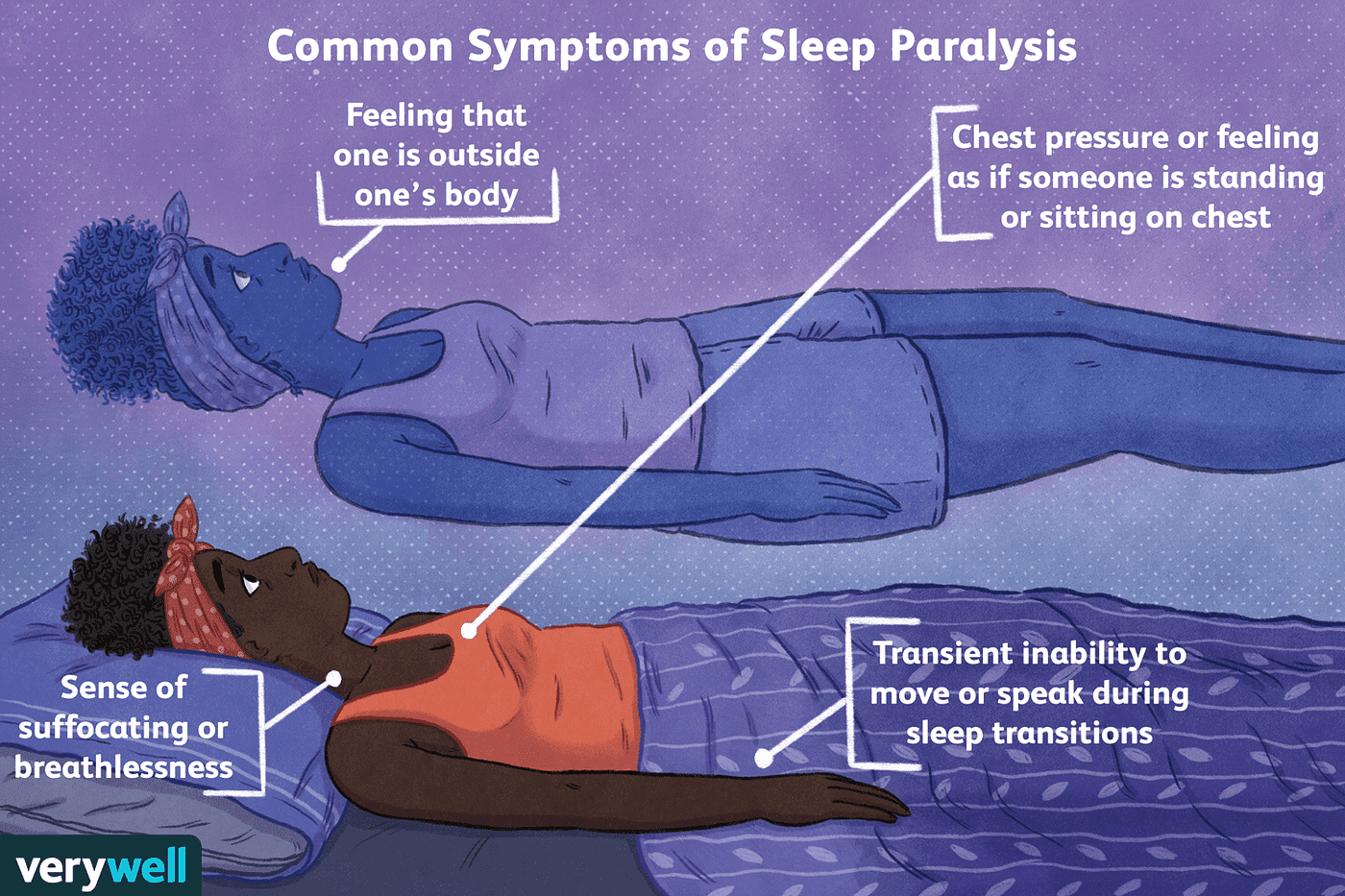
Sleep paralysis is a phenomenon where you are fully conscious but unable to move or speak as you are falling asleep or waking up. It can be a terrifying experience as you may feel pressure on your chest, see dark figures, or hear strange noises. This temporary inability to move can be caused by disrupted REM (rapid eye movement) sleep patterns.
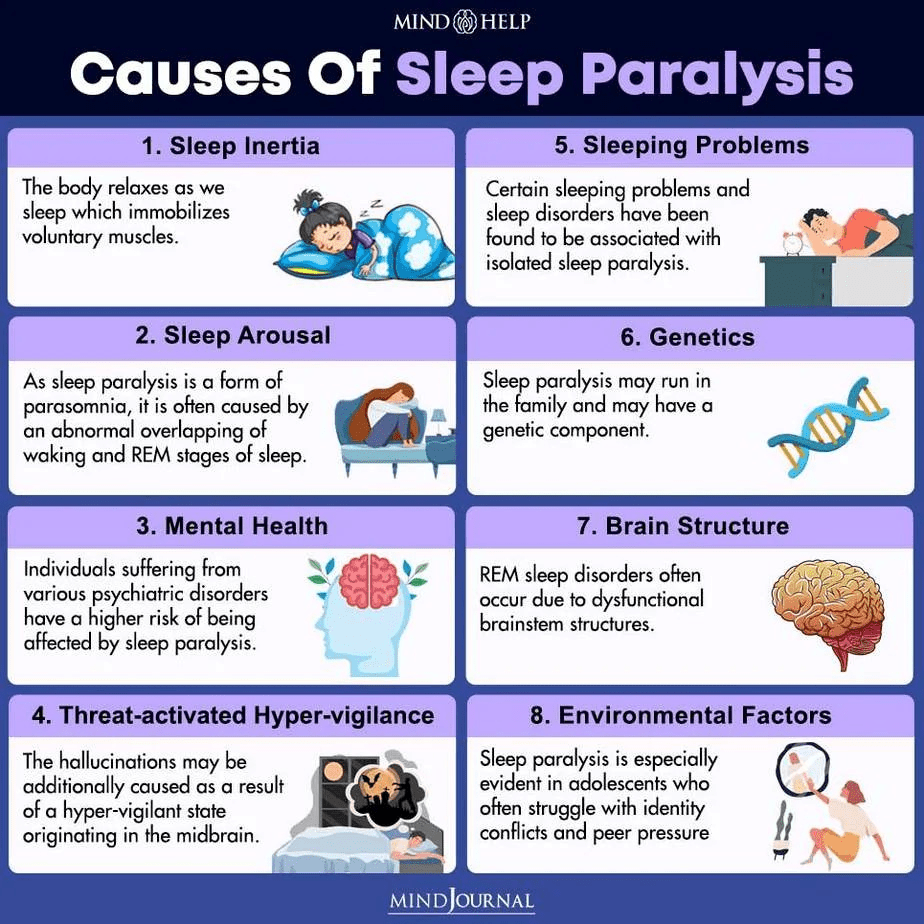
Causes of Sleep Paralysis
Several factors can contribute to experiencing sleep paralysis, including:
- Sleep deprivation: Not getting enough sleep can increase your chances of experiencing sleep paralysis.
- Irregular sleep schedule: Inconsistent bedtimes and waking times can disrupt your sleep cycle.
- Mental health conditions: Stress, anxiety, and depression can increase the likelihood of sleep paralysis.
- Sleeping position: Sleeping on your back can make you more prone to sleep paralysis episodes.
Understanding the factors that can trigger sleep paralysis is essential in managing and preventing these episodes.
Impact on Creativity
Sleep paralysis can have a significant impact on your creativity, affecting your ability to think creatively, problem-solve, and generate new ideas. When you are sleep deprived or experiencing disturbed sleep due to sleep paralysis, your cognitive functions can be impaired, leading to a decrease in creativity.
Impaired Cognitive Function
During sleep paralysis episodes, your brain may be unable to fully transition between sleep stages, leading to fragmented REM sleep. This fragmented sleep can result in impaired cognitive function, affecting your memory, attention span, and creativity. Your brain needs restful sleep to consolidate memories and process information, critical for creative thinking.
Disrupted Dreaming
Dreaming is closely linked to creativity, as it allows your brain to explore new ideas, solve problems, and make connections. Sleep paralysis can disrupt the natural dreaming process by interfering with REM sleep, where most dreaming occurs. This disruption can limit your brain’s ability to access the creativity and inspiration that comes from dreaming, impacting your creative output.
Negative Impact on Mood
Experiencing sleep paralysis can have a negative impact on your mood, leading to increased stress, anxiety, and fatigue. These negative emotions can hinder your creative process by creating mental blocks, inhibiting your ability to think creatively and generate new ideas. Managing your mood and emotional well-being is crucial in fostering creativity despite experiencing sleep paralysis episodes.
Coping Strategies
While experiencing sleep paralysis can be challenging, there are strategies you can use to cope with these episodes and mitigate their impact on your creativity. By implementing healthy sleep habits and relaxation techniques, you can improve your sleep quality, reduce the frequency of sleep paralysis episodes, and enhance your creativity.
Healthy Sleep Habits
Establishing a consistent sleep routine is essential in managing sleep paralysis and promoting restful sleep. Some healthy sleep habits include:
- Maintain a regular sleep schedule: Go to bed and wake up at the same time every day to regulate your sleep-wake cycle.
- Create a relaxing bedtime routine: Engage in calming activities before bed, such as reading, meditation, or listening to soothing music.
- Create a sleep-friendly environment: Make your bedroom comfortable and conducive to sleep, with minimal noise and light.
Prioritizing good sleep hygiene can help improve your sleep quality and reduce the likelihood of experiencing sleep paralysis episodes.
Relaxation Techniques
Incorporating relaxation techniques into your daily routine can help alleviate stress and anxiety, improving your overall sleep quality. Some relaxation techniques to consider include:
- Deep breathing exercises: Practice deep breathing to calm your mind and body before bedtime, promoting relaxation and better sleep.
- Progressive muscle relaxation: Tense and relax each muscle group in your body to release tension and promote physical relaxation.
- Mindfulness meditation: Focus on the present moment and cultivate a sense of calm and awareness, reducing stress and anxiety levels.
By incorporating relaxation techniques into your routine, you can create a sense of calm and relaxation that can help mitigate the impact of sleep paralysis on your creativity.
Seeking Professional Help
If you are experiencing frequent or severe episodes of sleep paralysis that significantly impact your daily life and creativity, it may be beneficial to seek professional help. A healthcare provider or sleep specialist can assess your symptoms, provide a diagnosis, and recommend appropriate treatment options to manage your sleep paralysis and improve your overall well-being.
Sleep Study
A sleep study, also known as polysomnography, may be recommended to monitor your sleep patterns and identify any underlying sleep disorders contributing to your sleep paralysis episodes. This comprehensive evaluation can provide valuable insights into your sleep quality, REM sleep patterns, and potential disturbances that may be affecting your creativity.
Cognitive Behavioral Therapy
Cognitive behavioral therapy (CBT) can be an effective treatment for managing sleep paralysis and improving sleep quality. By addressing negative thought patterns, behaviors, and emotions associated with sleep paralysis, CBT can help you reframe your perceptions, develop coping strategies, and improve your overall sleep hygiene, which can positively impact your creativity.
Medication
In some cases, medication may be prescribed to manage underlying sleep disorders or alleviate symptoms of sleep paralysis. However, medication should be used under the guidance of a healthcare provider, as certain medications can have side effects or interactions that may affect your creativity and cognitive function.
Seeking professional help can provide you with the resources and support needed to manage sleep paralysis effectively, enhance your sleep quality, and foster your creativity despite experiencing these challenging episodes.
Conclusion
Sleep paralysis can have a significant impact on your creativity, disrupting your cognitive function, dreaming process, and mood. By understanding the causes and effects of sleep paralysis and implementing coping strategies such as healthy sleep habits, relaxation techniques, and seeking professional help when needed, you can mitigate the impact of sleep paralysis on your creativity. prioritizing your sleep quality and emotional well-being can enable you to tap into your creative potential despite experiencing these challenging episodes.