
Welcome to the fascinating world of sleep paralysis and its possible connection to your sleeping position. Have you ever experienced the feeling of being unable to move or speak while drifting off to sleep or upon waking up? This unsettling sensation, known as sleep paralysis, has been a topic of interest for researchers who are exploring the correlation between sleep position and the likelihood of experiencing this phenomenon. Let’s dive into this intriguing subject and unravel the mysteries behind the relationship between sleep paralysis and your sleeping posture.
Analyzing The Relationship Between Sleep Paralysis And Sleep Position
Have you ever woken up in the middle of the night unable to move, feeling a heavy pressure on your chest, and a sense of impending doom? If you have experienced sleep paralysis, you are not alone. It is a common phenomenon that can be terrifying for those who experience it. In this article, we will explore the relationship between sleep paralysis and sleep position. Could the way you sleep be impacting your likelihood of experiencing this unsettling phenomenon? Let’s dive in and find out.
What Is Sleep Paralysis?
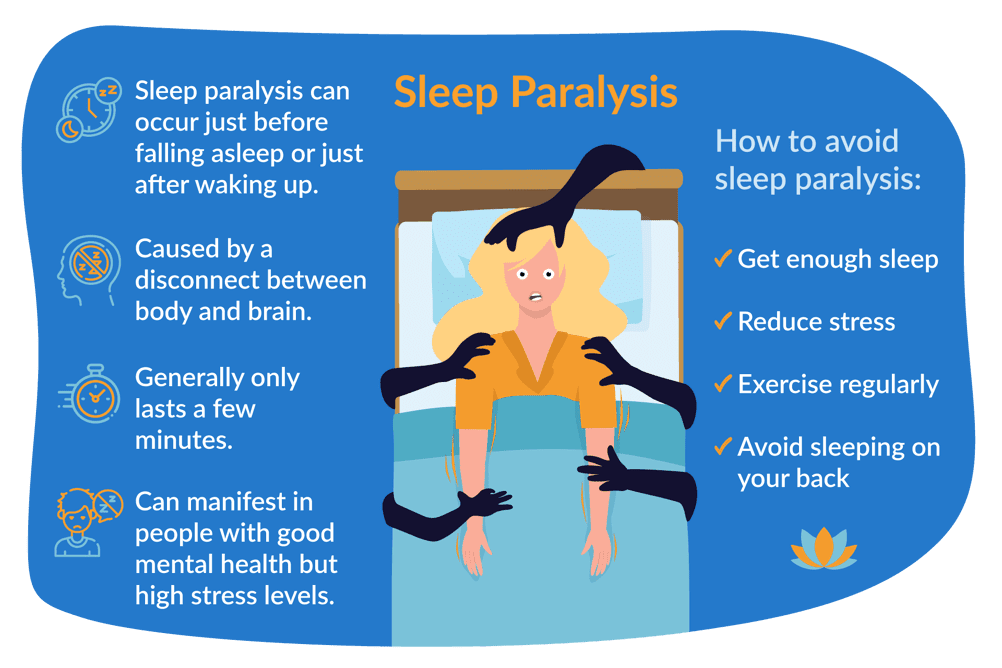
Before we delve into the relationship between sleep paralysis and sleep position, let’s first understand what sleep paralysis is. Sleep paralysis is a state where you are conscious but unable to move or speak, typically occurring when you are falling asleep or waking up. During sleep paralysis, you may also experience hallucinations, such as seeing or feeling a presence in the room. While the experience can be frightening, it is usually harmless and only lasts for a few seconds to a few minutes.

Types of Sleep Paralysis
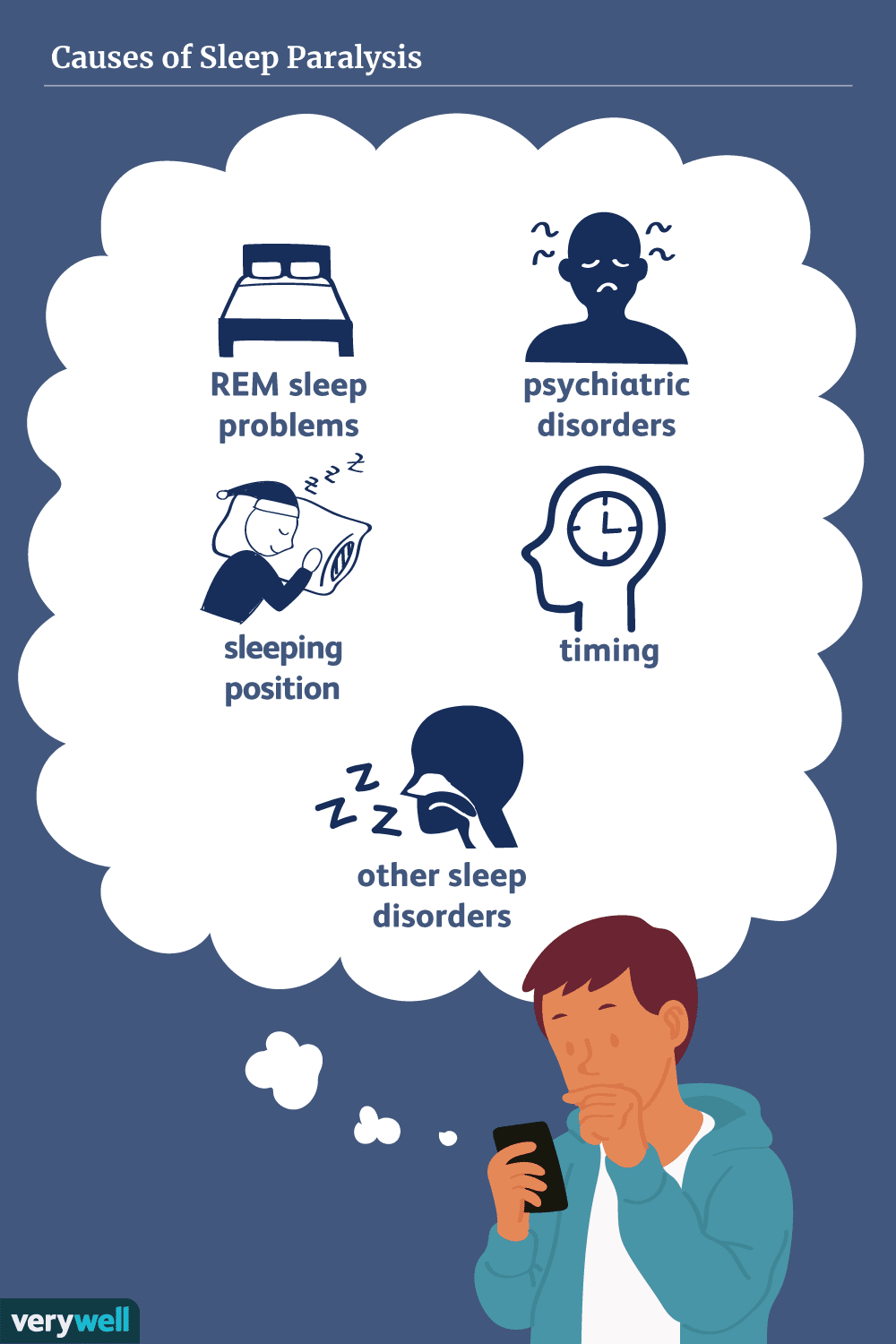
There are two main types of sleep paralysis: isolated sleep paralysis and recurrent sleep paralysis. Isolated sleep paralysis occurs infrequently and is often triggered by lack of sleep, irregular sleep patterns, or stress. On the other hand, recurrent sleep paralysis is when episodes of sleep paralysis happen regularly, often several times a month. Recurrent sleep paralysis is more likely to be linked to sleep disorders such as narcolepsy.
Common Sleep Positions
The way you sleep can have a significant impact on your overall sleep quality and the likelihood of experiencing sleep paralysis. There are several common sleep positions, each with its own set of pros and cons. Let’s take a look at some of the most popular sleep positions and how they may affect your chances of experiencing sleep paralysis.
Back Sleeping
Sleeping on your back, also known as the supine position, is a common sleep position for many people. While back sleeping can be comfortable for some, it is also associated with a higher risk of sleep apnea, snoring, and acid reflux. Back sleeping can also increase the likelihood of experiencing sleep paralysis.
If you are prone to sleep paralysis, you may want to consider avoiding sleeping on your back. This sleep position is thought to increase the chances of sleep paralysis occurring, possibly due to the fact that the tongue can fall back and partially obstruct the airway, leading to breathing difficulties and disrupted sleep.
Side Sleeping
Side sleeping, particularly on your left side, is often recommended by healthcare professionals as a beneficial sleep position. Side sleeping can help reduce acid reflux symptoms, alleviate snoring, and improve overall breathing. In terms of sleep paralysis, side sleeping is generally considered a safer option compared to back sleeping.
If you are experiencing sleep paralysis frequently, try sleeping on your side to see if it makes a difference. Side sleeping can help keep the airway open and reduce the risk of breathing difficulties that can trigger sleep paralysis episodes.
Stomach Sleeping
Stomach sleeping, also known as the prone position, is less common than back sleeping or side sleeping. While stomach sleeping can help alleviate snoring and mild sleep apnea, it is not typically recommended due to the strain it can place on the neck and spine. In terms of sleep paralysis, stomach sleeping is generally considered to be a neutral position.
If you prefer sleeping on your stomach and are not experiencing any discomfort or pain, there is no strong evidence to suggest that this sleep position significantly increases the risk of sleep paralysis. However, if you find yourself frequently waking up unable to move, you may want to experiment with different sleep positions to see if it makes a difference.
Tips for Preventing Sleep Paralysis
While the relationship between sleep position and sleep paralysis is not fully understood, there are some general tips that may help prevent sleep paralysis episodes:
- Establish a Consistent Sleep Schedule: Going to bed and waking up at the same time every day can help regulate your sleep cycle and reduce the likelihood of sleep paralysis.
- Create a Relaxing Bedtime Routine: Engage in calming activities before bed, such as reading or meditating, to signal to your body that it is time to wind down and prepare for sleep.
- Limit Screen Time Before Bed: The blue light emitted by electronic devices can interfere with your body’s production of melatonin, making it harder to fall asleep and potentially triggering sleep paralysis.
- Maintain a Comfortable Sleep Environment: Make sure your bedroom is cool, dark, and quiet to promote restful sleep. Invest in a comfortable mattress and pillows that support your preferred sleep position.
- Consult a Healthcare Professional: If you are experiencing frequent episodes of sleep paralysis or have concerns about your sleep quality, consider speaking to a healthcare provider who can offer personalized advice and recommendations.
By implementing these tips and paying attention to your sleep position, you may be able to reduce the frequency of sleep paralysis episodes and improve your overall sleep quality.
Conclusion
In conclusion, sleep paralysis is a common phenomenon that can be unsettling for those who experience it. While the exact causes of sleep paralysis are not fully understood, there is evidence to suggest that certain sleep positions, such as back sleeping, may increase the likelihood of experiencing sleep paralysis. By paying attention to your sleep position, establishing a consistent sleep schedule, and creating a relaxing bedtime routine, you may be able to reduce the frequency of sleep paralysis episodes and improve your overall sleep quality. Remember, if you are experiencing frequent episodes of sleep paralysis or have concerns about your sleep health, it is important to consult a healthcare professional for personalized advice and guidance.
:max_bytes(150000):strip_icc()/143073570_10-56a884b23df78cf7729e8392.JPG "Analyzing The Relationship Between Sleep Paralysis And Sleep Position")