
Did you know that sleep paralysis and hallucinations often go hand in hand? It’s true! When you experience sleep paralysis, your body is temporarily immobile, unable to move or speak, while your mind is awake. During this unique state, many individuals report vivid and sometimes terrifying hallucinations. In this article, we will explore the fascinating connection between sleep paralysis and hallucinations, and delve into the possible reasons behind these strange occurrences. So, grab a cup of tea, settle in, and let’s uncover the mysteries of the mind during sleep paralysis.
Overview of Sleep Paralysis and Hallucinations
Definition of sleep paralysis
Sleep paralysis is a phenomenon that occurs during the transition between wakefulness and sleep. It is characterized by the temporary inability to move or speak, accompanied by a sense of heaviness or pressure on the chest. This paralysis typically lasts for a few seconds to a couple of minutes and can be accompanied by vivid hallucinations.
Definition of hallucinations
Hallucinations are perceptual experiences that occur without any external stimuli. During sleep paralysis, hallucinations can involve visual, auditory, tactile, or other sensory experiences that feel incredibly real, often leading individuals to believe they are awake and experiencing paranormal phenomena.
Statistics on sleep paralysis and hallucinations
Sleep paralysis affects a significant portion of the population. According to various studies, between 7.6% and 38% of individuals have experienced at least one episode of sleep paralysis in their lifetime. The occurrence of hallucinations during sleep paralysis varies, with some studies reporting rates as high as 80%. These statistics highlight the prevalence and relevance of sleep paralysis and its associated hallucinations.
Causes of Sleep Paralysis
Disruption of REM sleep
Sleep paralysis is closely linked to the rapid eye movement (REM) stage of sleep. During REM sleep, the brain is highly active, and muscles are temporarily paralyzed to prevent acting out dreams. However, in sleep paralysis, this paralysis persists even as the individual begins to regain consciousness, leading to the characteristic inability to move or speak.
Sleep disorders (narcolepsy, insomnia)
Sleep disorders, such as narcolepsy and insomnia, can increase the likelihood of experiencing sleep paralysis. Narcolepsy, a neurological disorder, significantly disrupts REM sleep and can cause sleep paralysis to occur frequently. Insomnia, a condition characterized by difficulty falling asleep or staying asleep, can lead to sleep deprivation and an increased susceptibility to sleep paralysis.
Stress and anxiety
High levels of stress and anxiety can contribute to the development of sleep paralysis. It is believed that these emotional factors can disrupt normal sleep patterns and trigger episodes of sleep paralysis. Additionally, stress and anxiety may exacerbate the intensity of hallucinations during sleep paralysis, making the experience even more distressing for individuals.

Types of Hallucinations During Sleep Paralysis
Visual hallucinations
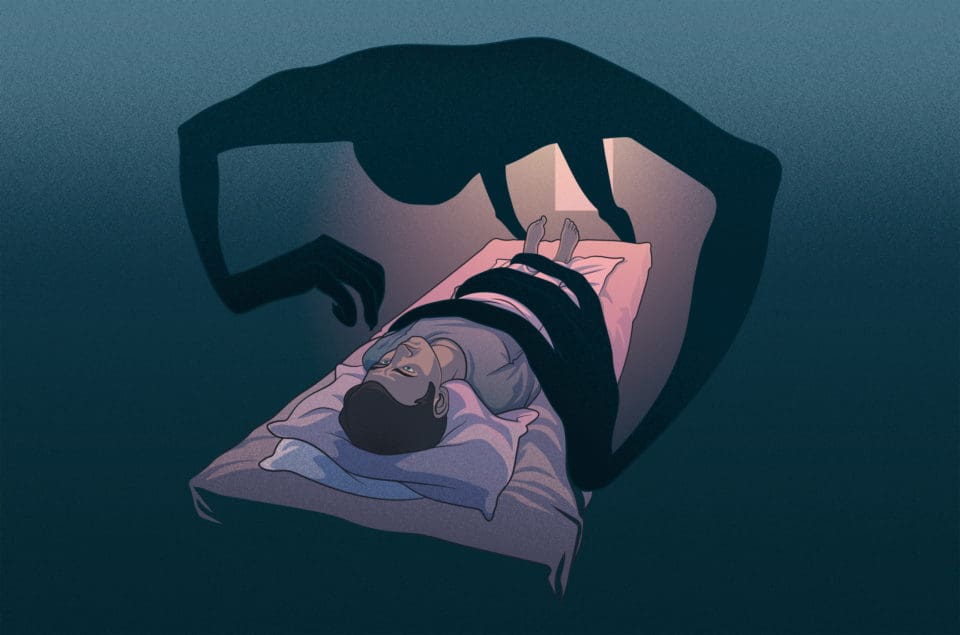
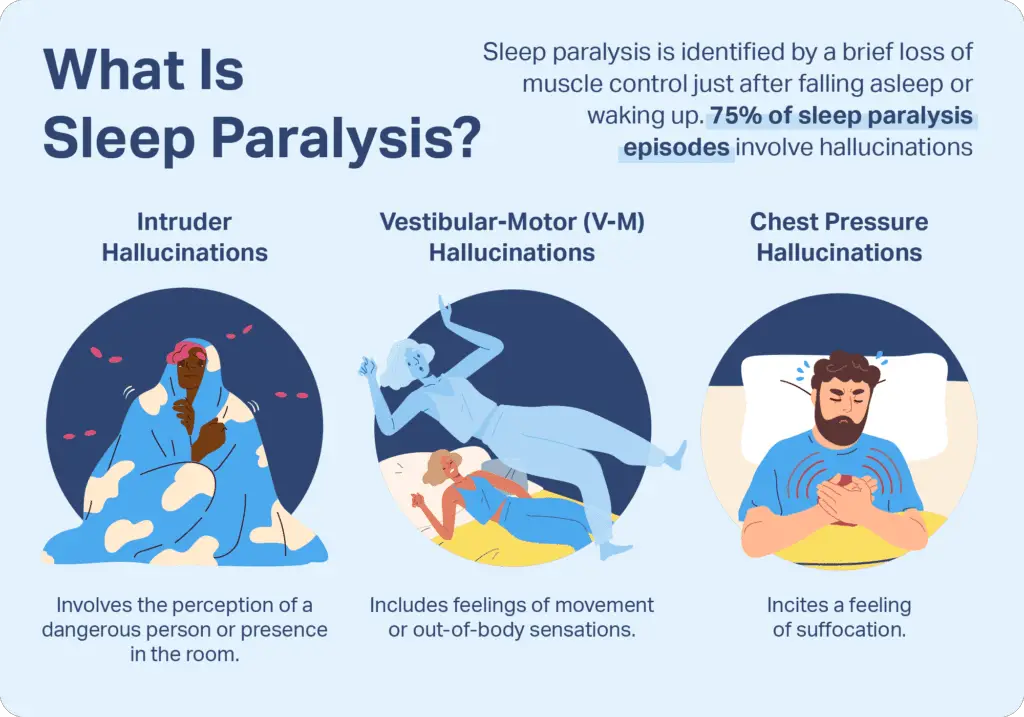
Visual hallucinations during sleep paralysis involve seeing vivid and often terrifying images or figures in the immediate environment or at a distance. These hallucinations can range from shadowy figures to fantastical creatures and can induce immense fear and terror in those experiencing them.
Auditory hallucinations
Auditory hallucinations during sleep paralysis involve hearing sounds or voices that are not actually present. These sounds can vary from whispers and murmurs to loud noises, screams, or even sinister laughter. These auditory hallucinations can further contribute to the distress and fear associated with sleep paralysis episodes.
Tactile hallucinations
Tactile hallucinations involve the perception of physical sensations on the body during sleep paralysis. This can include feelings of being touched, grabbed, or even suffocated by an unseen force. These tactile hallucinations can intensify the sense of helplessness and fear during an episode of sleep paralysis.
Other sensory hallucinations
In addition to visual, auditory, and tactile hallucinations, individuals with sleep paralysis may also experience other sensory hallucinations. These can include olfactory hallucinations (smelling odors that are not present) or gustatory hallucinations (tasting flavors that are not there). These sensory distortions further contribute to the vivid and unsettling nature of sleep paralysis experiences.
Experiences of Sleep Paralysis with Hallucinations
Common experiences during sleep paralysis
Several common experiences are reported by individuals who have experienced sleep paralysis. These include a sense of being unable to move or speak, feelings of pressure or weight on the chest, intense fear or terror, and a belief that there is a menacing presence in the room. These shared experiences contribute to the consistency of sleep paralysis episodes across different individuals.
Frequency and duration of sleep paralysis with hallucinations
The frequency and duration of sleep paralysis episodes can vary among individuals. Some may experience sleep paralysis only once or twice in their lifetime, while others may have recurrent episodes. The duration of sleep paralysis episodes typically ranges from a few seconds to a couple of minutes. However, for those experiencing hallucinations, the perception of time can be distorted, making these brief moments feel much longer and more disturbing.
Impact on sleep quality and daily functioning
Sleep paralysis can significantly impact an individual’s sleep quality and overall daily functioning. The fear and anxiety associated with sleep paralysis episodes can disrupt sleep patterns, leading to sleep deprivation and daytime fatigue. Additionally, the distressing nature of hallucinations can leave individuals feeling emotionally drained and anxious, affecting their mood, productivity, and overall well-being.
The Neurological Basis of Sleep Paralysis and Hallucinations
Role of REM sleep in sleep paralysis and hallucinations
A key determinant of sleep paralysis and its associated hallucinations is the disruption of REM sleep. During REM sleep, the brain exhibits high levels of activity, similar to wakefulness. However, the body experiences muscle paralysis to prevent acting out dreams. In sleep paralysis, this paralysis persists into the waking state, leading to a disconnect between the alert mind and immobilized body.
Neurochemical imbalances and brain activity during sleep paralysis
Neurochemical imbalances and abnormal brain activity have been implicated in the occurrence of sleep paralysis and hallucinations. Studies have suggested that sleep paralysis is associated with decreased levels of gamma-aminobutyric acid (GABA) and abnormal serotoninergic activity, which may disrupt the regulation of REM sleep and contribute to the hallucinatory experiences during sleep paralysis.
Links to other sleep disorders or psychiatric conditions
Sleep paralysis is often comorbid with other sleep disorders, such as narcolepsy, as mentioned earlier. It has also been associated with psychiatric conditions, including anxiety disorders and post-traumatic stress disorder (PTSD). These links suggest that there may be shared underlying factors or mechanisms contributing to both sleep paralysis and these related conditions.
Cultural and Historical Perspectives on Sleep Paralysis and Hallucinations
Folklore and supernatural explanations for sleep paralysis
Throughout history, sleep paralysis has been attributed to supernatural forces or malevolent entities in various cultures and folklore. Concepts such as “night hags,” “demonic visitations,” or “witch riding” have been used to explain the phenomena, reflecting the deep-rooted fear and vulnerability experienced by individuals during sleep paralysis episodes.
Historical cases and cultural beliefs
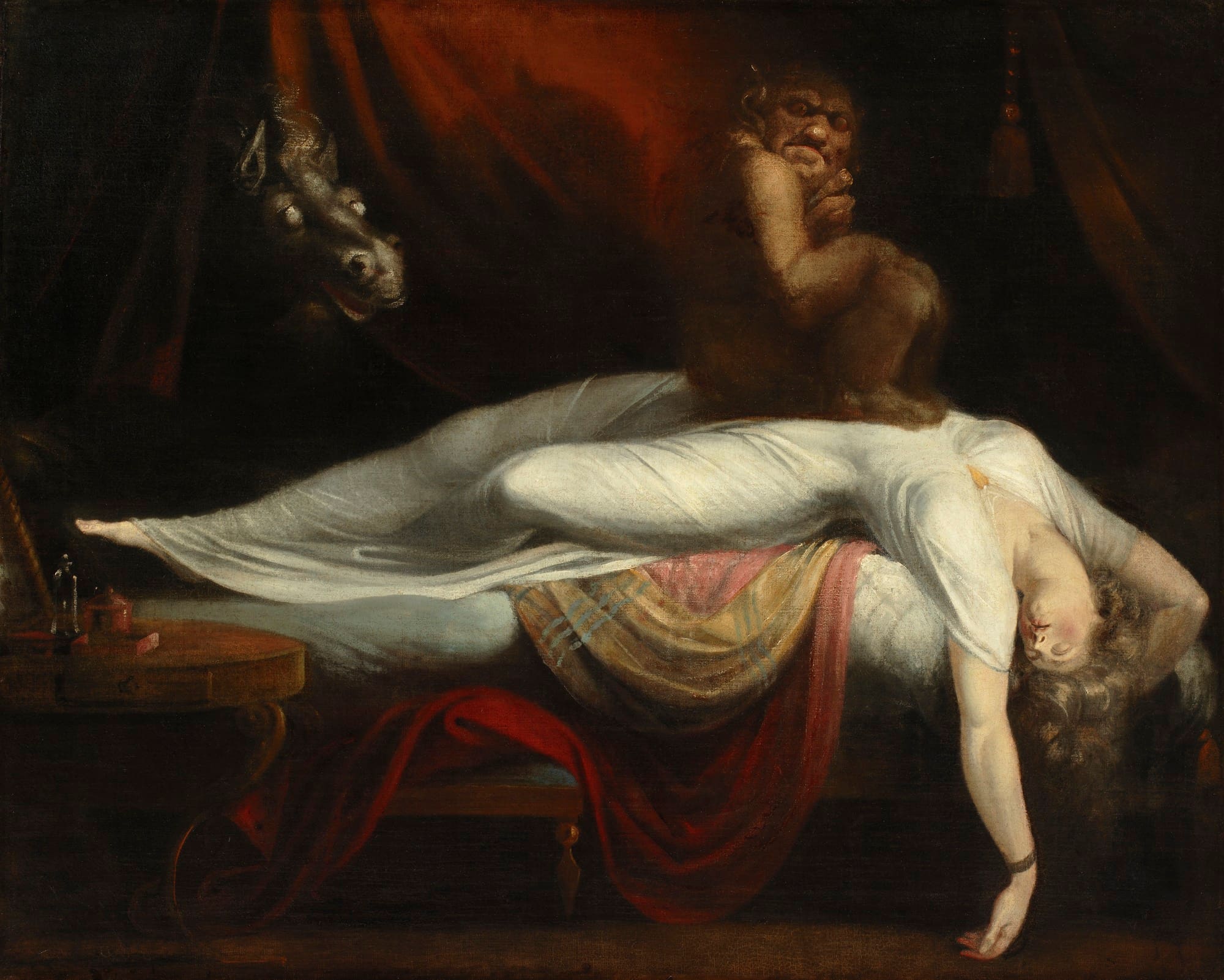
There are numerous historical accounts of sleep paralysis experiences dating back centuries. The famous painter Henry Fuseli’s work “The Nightmare” visually depicts the hallucinatory experiences associated with sleep paralysis. Additionally, cultural beliefs surrounding sleep paralysis vary across different societies and regions, often reflecting local folklore and spiritual beliefs.
Cross-cultural variations in experiences and interpretations
While sleep paralysis and hallucinations are broadly experienced across cultures, there are variations in interpretations and manifestations. Cultural factors, beliefs, and spiritual frameworks can influence the experiences individuals have during sleep paralysis. For example, the interpretation of hallucinations may differ, with some cultures perceiving them as supernatural encounters and others as purely physiological or psychological phenomena.
Treatment and Coping Strategies
Medical interventions (medication, therapy)
Various treatment options are available for individuals experiencing sleep paralysis with hallucinations. Medications such as selective serotonin reuptake inhibitors (SSRIs) or clonazepam may be prescribed to regulate sleep cycles and reduce the frequency of sleep paralysis episodes. Additionally, therapy, such as cognitive-behavioral therapy (CBT), can help individuals manage stress and anxiety, which may contribute to sleep paralysis.
Improving sleep hygiene
Practicing good sleep hygiene is essential for individuals experiencing sleep paralysis. This includes maintaining a regular sleep schedule, creating a comfortable sleep environment, and avoiding stimulating activities or substances close to bedtime. By prioritizing healthy sleep habits, individuals may reduce the occurrence of sleep paralysis episodes.
Relaxation techniques and stress management
Engaging in relaxation techniques, such as deep breathing exercises, mindfulness, or progressive muscle relaxation, can help manage stress and anxiety levels that may contribute to sleep paralysis. Learning effective stress management strategies can assist individuals in reducing the frequency and intensity of sleep paralysis episodes.
Prevention and Lifestyle Factors
Maintaining a regular sleep schedule
Establishing and maintaining a regular sleep schedule is crucial for preventing sleep paralysis. Going to bed and waking up at consistent times can regulate sleep cycles and reduce the likelihood of disruptions that may trigger episodes. A consistent routine supports healthy sleep patterns and can mitigate the occurrence of sleep paralysis.
Creating a sleep-friendly environment
Creating a sleep-friendly environment is essential for promoting restful sleep and reducing the likelihood of sleep paralysis episodes. This includes maintaining a cool and dark bedroom, minimizing noise and distractions, and using comfortable bedding and pillows. A soothing sleep environment can contribute to a more peaceful and uninterrupted sleep experience.
Avoiding substance abuse
Substance abuse, including excessive alcohol consumption or the use of drugs, can disrupt sleep patterns and increase the risk of sleep paralysis. Avoiding these substances, particularly close to bedtime, can help individuals maintain healthier sleep and minimize the occurrence of sleep paralysis.
Research and Scientific Studies
Current findings and ongoing research
Researchers continue to investigate the relationship between sleep paralysis and hallucinations, seeking a deeper understanding of the underlying mechanisms and potential treatments. Recent studies have shed light on neurochemical imbalances, brain activity patterns, and genetic factors associated with sleep paralysis. Ongoing research aims to further explore these areas and develop targeted interventions.
Exploring the correlation between sleep paralysis and other sleep-related phenomena
The correlation between sleep paralysis and other sleep-related phenomena is a topic of interest in current research. Studies have examined the relationship between sleep paralysis and lucid dreaming, out-of-body experiences, and near-death experiences. Exploring these connections can provide valuable insights into the broader realm of consciousness and perception during sleep states.
Impact on understanding consciousness and perception
Sleep paralysis and hallucinations offer unique opportunities to study the boundaries of consciousness and perception. By examining the cognitive and neural processes involved in these phenomena, researchers gain valuable insights into the nature of consciousness and the brain’s ability to construct vivid imaginative experiences while dissociated from the external world. This research has important implications across fields, including psychology and neuroscience.
Myths and Misconceptions About Sleep Paralysis and Hallucinations
Association with paranormal or supernatural forces
Sleep paralysis and its hallucinatory experiences have often been culturally associated with paranormal or supernatural forces. However, scientific research has debunked these myths, attributing sleep paralysis to normal physiological and psychological processes. Education and awareness play a crucial role in dispelling these misconceptions and reducing the fear and stigma associated with sleep paralysis.
Differentiating sleep paralysis from other medical conditions
Differentiating sleep paralysis from other medical conditions is vital for accurate diagnosis and appropriate treatment. Sleep paralysis can share symptoms with conditions such as seizure disorders or sleep disorders like sleep apnea. Therefore, it is essential for healthcare professionals to evaluate each case thoroughly and consider all possible underlying causes.
Educating the public on the reality of sleep paralysis
Public education and awareness campaigns can help promote a better understanding of sleep paralysis and combat misconceptions. By providing accurate information about the phenomenon, its causes, and available treatments, individuals can feel more informed and empowered when encountering sleep paralysis. Spreading awareness can also destigmatize the experiences of those who regularly face sleep paralysis.
