
Imagine a world where you are unable to move, speak, or even open your eyes, yet you are fully aware of your surroundings. This eerie phenomenon is known as sleep paralysis, a condition that affects countless individuals worldwide. With its mysterious nature, researchers have been tirelessly exploring the depths of this peculiar occurrence, hoping to shed light on its causes and potential treatments. In this article, we will embark on a journey into the future directions of sleep paralysis research, delving into the latest findings and uncovering the promising avenues that lie ahead. Get ready to uncover the secrets behind this enigmatic state and discover what the future holds for those affected by sleep paralysis.
Understanding the Neurobiology of Sleep Paralysis
Sleep paralysis is a phenomenon that occurs during the transition between sleep and wakefulness, where an individual is temporarily unable to move or speak. In recent years, there has been growing interest in understanding the neurobiology underlying this perplexing experience. By unraveling the intricate workings of the brain during sleep paralysis, researchers aim to shed light on the mechanisms that contribute to its occurrence.
Investigating the Role of Neurotransmitters in Sleep Paralysis
Neurotransmitters play a crucial role in regulating various physiological processes in the brain, including sleep and wakefulness. Researchers are examining the involvement of neurotransmitters such as serotonin and gamma-aminobutyric acid (GABA) in sleep paralysis. By understanding how these chemical messengers influence sleep paralysis, we can gain valuable insights into the underlying neurochemical imbalances that may contribute to its occurrence.
Examining the Brain Regions Involved in Sleep Paralysis
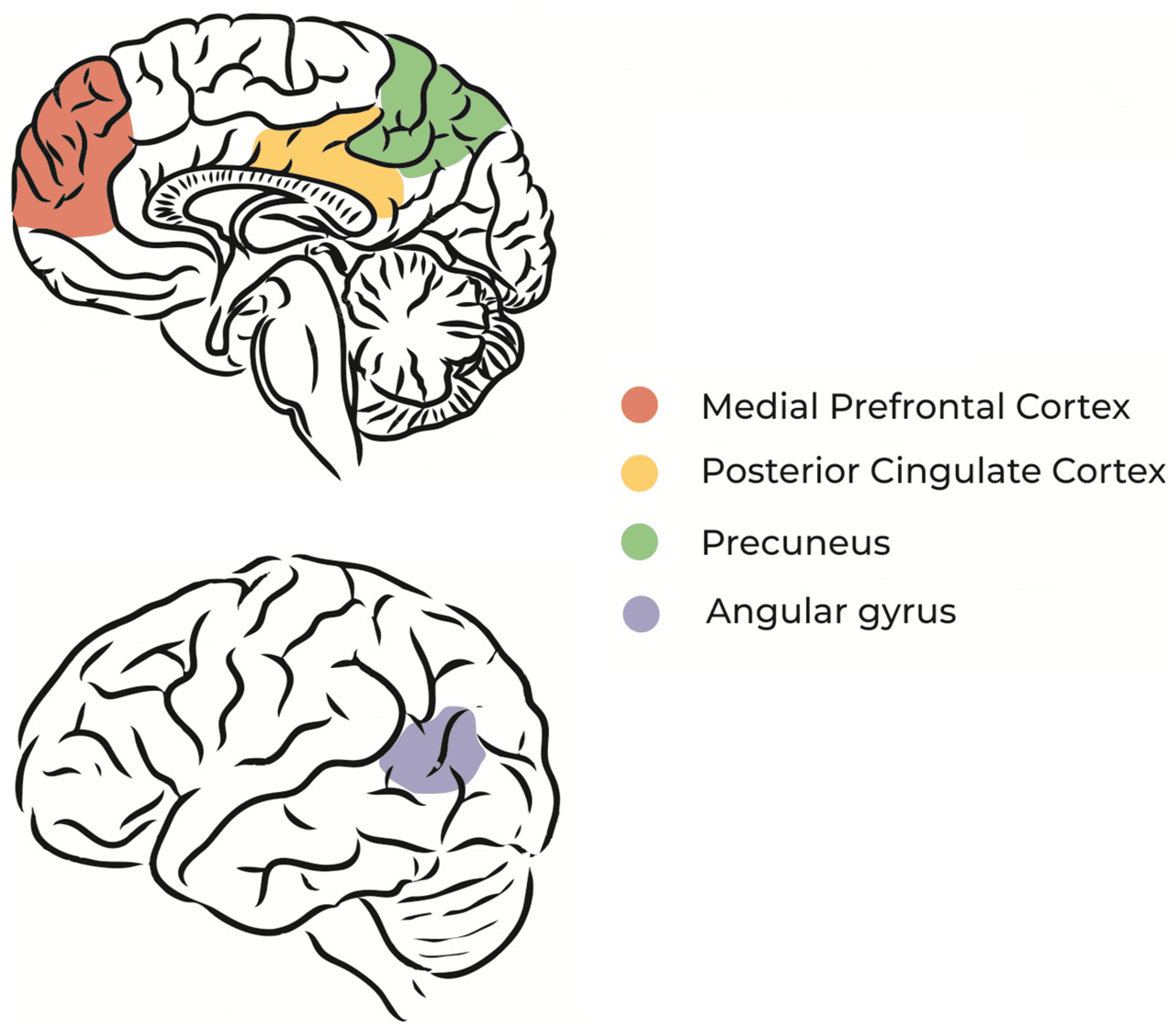
Functional imaging techniques, such as functional magnetic resonance imaging (fMRI), are helping researchers identify specific brain regions that are active during sleep paralysis. Preliminary studies have suggested the involvement of regions associated with motor control, self-awareness, and emotion regulation. Further research is needed to unravel the complex neural networks that contribute to the occurrence of sleep paralysis.
Exploring the Genetic Factors Associated with Sleep Paralysis
Genetic factors are thought to play a role in predisposing individuals to sleep paralysis. Twin studies have indicated a genetic component to sleep paralysis, but the specific genes involved remain elusive. Researchers are now utilizing genome-wide association studies (GWAS) and other genetic techniques to identify potential genetic markers associated with sleep paralysis. This research has the potential to enhance our understanding of the underlying genetic architecture of this phenomenon.
Identifying Triggers and Risk Factors
Sleep paralysis is often preceded by certain triggers and risk factors. By identifying these factors, we can gain insights into the circumstances that increase the likelihood of experiencing sleep paralysis.
Investigating the Impact of Sleep Deprivation on the Occurrence of Sleep Paralysis
Sleep deprivation has been implicated as a potential trigger for sleep paralysis. Lack of sufficient sleep disrupts the delicate balance of the sleep-wake cycle and can increase the likelihood of experiencing sleep paralysis. Researchers are investigating the relationship between sleep deprivation and sleep paralysis to better understand the mechanisms linking them.
Exploring the Relationship Between Stress and Sleep Paralysis
Stress has long been recognized as a potential trigger for sleep paralysis. During times of heightened stress, the body’s stress response system becomes activated, disrupting normal sleep patterns. This disruption can increase the occurrence of sleep paralysis. Researchers are delving into the complex interplay between stress and sleep paralysis to elucidate the underlying mechanisms.
Examining the Influence of Certain Medications on Sleep Paralysis
Certain medications, such as antidepressants and sleep aids, have been reported to increase the likelihood of experiencing sleep paralysis. Researchers are exploring the potential pharmacological mechanisms underlying this relationship. By understanding how different medications may influence sleep paralysis, healthcare providers can make informed decisions when prescribing medications to individuals vulnerable to this phenomenon.
Developing Effective Diagnostic Criteria
Accurate diagnosis is crucial for understanding the prevalence and impact of sleep paralysis. To further enhance the diagnostic process, researchers are working on refining the existing diagnostic criteria and considering the inclusion of subjective experiences.
Evaluating the Existing Diagnostic Criteria for Sleep Paralysis
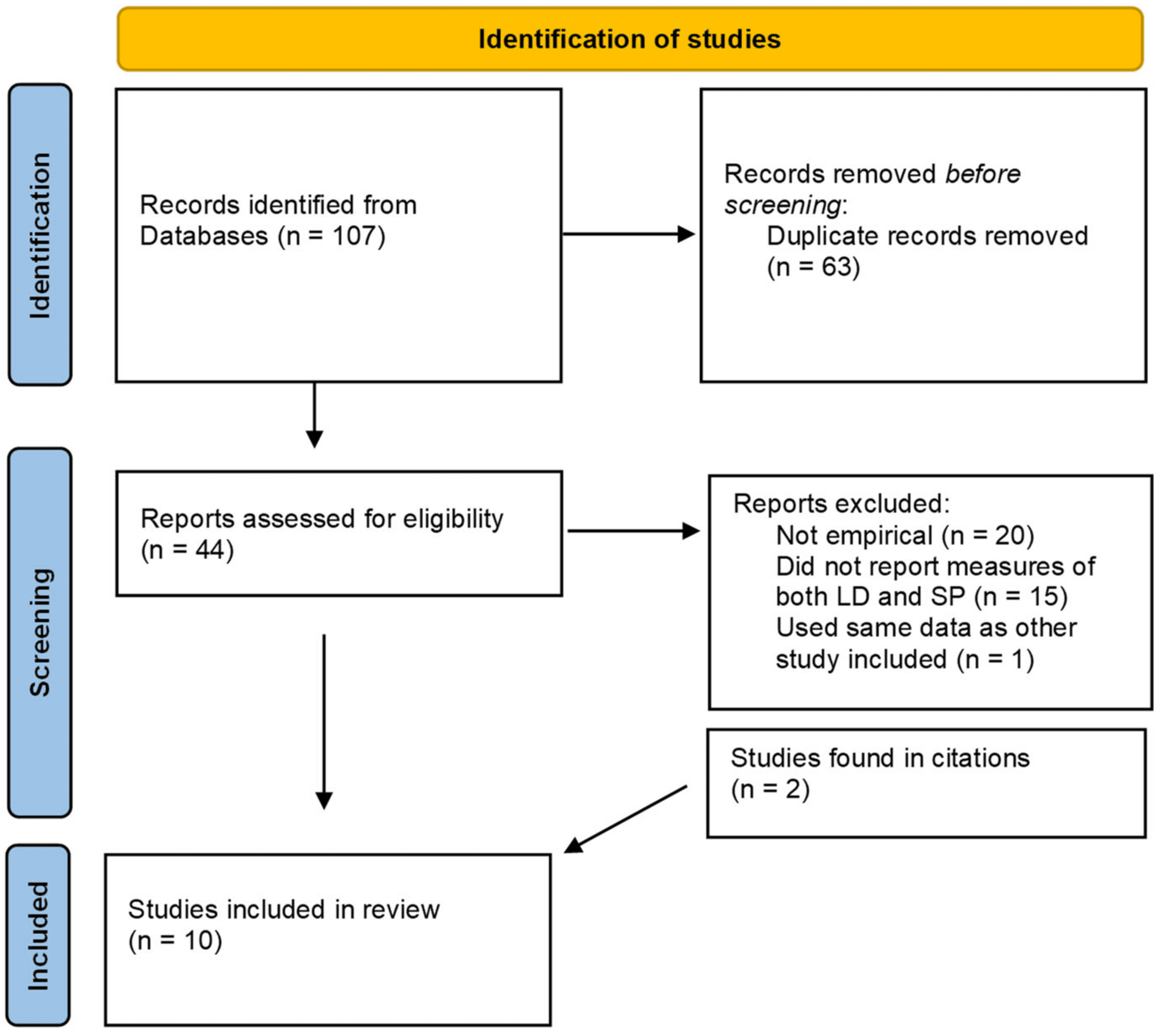
The current diagnostic criteria for sleep paralysis primarily focus on the physical inability to move or speak during sleep transitions. However, the subjective experiences during sleep paralysis, such as hallucinations and intense fear, are also important to consider. Researchers are evaluating the existing criteria to ensure they adequately capture the multifaceted aspects of this phenomenon.
Proposing New or Refined Diagnostic Criteria for Better Accuracy
Building upon the existing diagnostic criteria, researchers are proposing new or refined criteria that encompass both the objective and subjective elements of sleep paralysis. By incorporating a more comprehensive set of diagnostic criteria, healthcare professionals can improve the accuracy of sleep paralysis diagnosis and better understand its prevalence.
Considering the Inclusion of Subjective Experiences in Diagnostic Criteria
Subjective experiences, such as hallucinations and intense emotions, are often reported during sleep paralysis episodes. Researchers are exploring the potential inclusion of these subjective experiences in diagnostic criteria. By acknowledging the full range of experiences associated with sleep paralysis, healthcare professionals can ensure more accurate diagnoses and provide appropriate support and treatment.
Enhancing Treatment Options
While there is no specific treatment for sleep paralysis, various approaches have shown promise in managing its symptoms. Researchers are evaluating the efficacy of existing treatment methods and exploring novel therapeutic approaches to enhance the management of sleep paralysis.
Evaluating the Efficacy of Current Treatment Methods for Sleep Paralysis
Current treatment methods for sleep paralysis primarily focus on addressing underlying sleep disorders or comorbid conditions. These include improving sleep hygiene, treating sleep apnea, and managing anxiety or stress. Researchers are evaluating the effectiveness of these approaches and identifying areas for improvement.
Developing Novel Therapeutic Approaches for Sleep Paralysis
Innovative therapeutic approaches, such as transcranial magnetic stimulation (TMS) and neurofeedback, are being explored as potential interventions for sleep paralysis. These non-pharmacological approaches aim to modulate brain activity and potentially reduce the occurrence of sleep paralysis. By investigating these novel techniques, researchers hope to expand the range of available treatment options.
Investigating the Role of Cognitive-Behavioral Therapy in Managing Sleep Paralysis
Cognitive-behavioral therapy (CBT) has shown promise in managing sleep disorders and associated symptoms. Researchers are investigating the potential benefits of CBT in managing sleep paralysis. By addressing maladaptive beliefs and behaviors related to sleep paralysis, CBT may help individuals develop more effective coping strategies and reduce the impact of sleep paralysis on their lives.
Assessing the Impact on Quality of Life
Sleep paralysis can have significant psychological and emotional consequences, as well as affect daytime functioning. Researchers are exploring the impact of sleep paralysis on various aspects of an individual’s quality of life.
Exploring the Psychological and Emotional Consequences of Sleep Paralysis
Sleep paralysis can induce intense fear, anxiety, and distressing hallucinations. Researchers are examining the psychological and emotional consequences of sleep paralysis to better understand the ways in which it impacts individuals’ mental well-being. By identifying these consequences, healthcare professionals can provide targeted support and interventions.
Investigating the Impact of Sleep Paralysis on Daytime Functioning
Daytime impairment is commonly reported by individuals who experience sleep paralysis. Researchers are investigating the extent to which sleep paralysis affects daytime functioning, including cognitive performance, productivity, and overall quality of life. This research can inform interventions and strategies to minimize the impact of sleep paralysis on individuals’ daily lives.
Assessing the Relationship Between Sleep Paralysis and Mental Health Disorders
Sleep paralysis has been found to co-occur with various mental health disorders, such as anxiety and depression. Researchers are examining the relationship between sleep paralysis and these conditions to determine whether there is a causal link or shared underlying factors. Understanding this relationship can inform more targeted approaches for managing both sleep paralysis and mental health disorders.
Examining the Cultural and Societal Influences
Sleep paralysis is not only influenced by neurobiological factors but also by cultural and societal beliefs. Researchers are exploring the cultural interpretations, media portrayals, and societal impact of sleep paralysis.
Exploring the Cultural Beliefs and Interpretations of Sleep Paralysis
Different cultures attribute various meanings to sleep paralysis, ranging from supernatural explanations to physiological interpretations. Researchers are exploring the diverse cultural beliefs and interpretations surrounding sleep paralysis. By understanding these cultural perspectives, researchers can develop culturally sensitive interventions and support systems.
Investigating the Influence of Media Portrayals on Public Perception of Sleep Paralysis
Media portrayals of sleep paralysis, such as in movies or television shows, can shape public perception and understanding of this phenomenon. Researchers are investigating the influence of media on public perception and awareness of sleep paralysis. By identifying potential misconceptions or inaccuracies, efforts can be made to promote accurate information and reduce stigma.
Identifying the Societal Impact and Stigma Associated with Sleep Paralysis
Sleep paralysis can be stigmatizing and isolating for individuals who experience it. Researchers are examining the societal impact and stigma associated with sleep paralysis to raise awareness and develop strategies for reducing stigma. By fostering a more supportive and understanding societal environment, individuals with sleep paralysis can feel validated and empowered to seek help.
Utilizing Advanced Imaging Techniques
Advanced imaging techniques afford researchers the ability to study the brain’s activity during sleep paralysis. By employing these techniques, researchers seek to gain a deeper understanding of the neural processes underlying sleep paralysis.
Using Functional Magnetic Resonance Imaging (fMRI) to Study Brain Activity During Sleep Paralysis
Functional MRI allows researchers to observe changes in blood flow and brain activity. By using fMRI during sleep paralysis episodes, researchers can identify the specific brain regions and neural networks that are activated or inhibited. This information is crucial for understanding the underlying mechanisms of sleep paralysis.
Employing Electroencephalography (EEG) to Examine Neural Oscillations During Sleep Paralysis
EEG measures electrical activity in the brain and can provide insights into the neural oscillations occurring during sleep paralysis. Researchers are utilizing EEG to examine the patterns of brain activity associated with sleep paralysis, such as changes in sleep stages and the presence of abnormal neural oscillations. These findings can aid in understanding the neural basis of sleep paralysis.
Exploring the Potential of Positron Emission Tomography (PET) in Sleep Paralysis Research
Positron emission tomography (PET) allows researchers to visualize brain function by detecting the distribution of radioactive tracers. PET has potential applications in sleep paralysis research by providing information about metabolic activity and neurotransmitter binding in specific brain regions. By utilizing PET, researchers can further investigate the neurochemical basis of sleep paralysis.
Exploring the Link Between Sleep Paralysis and Other Sleep Disorders
Sleep paralysis has been commonly reported in conjunction with other sleep disorders. Researchers are examining the relationship between sleep paralysis and various sleep disorders to gain a better understanding of their interconnected nature.
Investigating the Relationship Between Sleep Paralysis and Narcolepsy
Narcolepsy is a neurological disorder characterized by excessive daytime sleepiness and sudden loss of muscle control. Sleep paralysis is a common symptom of narcolepsy. Researchers are investigating the relationship between sleep paralysis and narcolepsy to unravel the shared neurobiological mechanisms and improve diagnostic accuracy.
Examining the Connection Between Sleep Paralysis and REM Sleep Behavior Disorder
REM sleep behavior disorder (RBD) involves acting out vivid dreams, often accompanied by a lack of paralysis during sleep. Sleep paralysis and RBD share similarities in their manifestations during REM sleep. Researchers are exploring the connection between sleep paralysis and RBD to delineate the underlying mechanisms and establish diagnostic criteria.
Exploring the Co-Occurrence of Sleep Paralysis with Sleep Apnea
Sleep apnea is a sleep disorder characterized by interrupted breathing during sleep. Sleep paralysis has been reported alongside sleep apnea, but the nature of their relationship remains unclear. Researchers are examining the co-occurrence of sleep paralysis with sleep apnea to better understand the potential shared pathophysiology and clinical implications.
Conducting Longitudinal Studies
Longitudinal studies provide valuable insights into the natural course, risk factors, and long-term effects of sleep paralysis. By tracking individuals over extended periods, researchers can enhance our understanding of this phenomenon.
Tracking the Progression and Remission of Sleep Paralysis Over Time
Sleep paralysis episodes can vary in frequency and intensity over an individual’s lifetime. Longitudinal studies enable researchers to track the progression and remission of sleep paralysis over time. By monitoring changes in frequency, duration, and associated factors, researchers can identify potential predictors of remission or exacerbation.
Identifying Potential Risk Factors for the Persistence of Sleep Paralysis
While sleep paralysis is often transient, some individuals experience persistent or recurrent episodes. Longitudinal studies can help identify potential risk factors that contribute to the persistence of sleep paralysis. These risk factors may include underlying sleep disorders, genetic factors, or specific environmental triggers.
Examining the Long-Term Effects and Prognosis of Sleep Paralysis
Relatively little is known about the long-term effects and prognosis of sleep paralysis. Longitudinal studies can shed light on the impact sleep paralysis has on individuals’ overall health, well-being, and quality of life over extended periods. By elucidating the long-term consequences, researchers can inform interventions aimed at improving prognosis and minimizing potential complications.
Collaborating Across Disciplines
Given the multifaceted nature of sleep paralysis, interdisciplinary collaborations are essential for a comprehensive understanding. Researchers are engaging colleagues from various fields to incorporate diverse perspectives and methodologies.
Engaging Sleep Researchers, Neuroscientists, and Psychologists in Interdisciplinary Collaborations
Sleep researchers, neuroscientists, and psychologists bring their unique expertise to the study of sleep paralysis. Collaborations between these disciplines enhance the understanding of sleep paralysis by integrating knowledge from basic sleep mechanisms, neural circuitry, and psychological factors. By working together, researchers can approach sleep paralysis with a comprehensive lens.
Incorporating Perspectives from Anthropology, Sociology, and Cultural Studies
Understanding sleep paralysis within its cultural and societal contexts requires input from anthropologists, sociologists, and cultural studies scholars. These disciplines offer insights into the social construction of sleep paralysis, cultural beliefs, and the impact of sociocultural factors on its experience. By incorporating these perspectives, researchers can develop culturally sensitive interventions and increase understanding across diverse populations.
Promoting Cross-Disciplinary Integration for a Comprehensive Understanding of Sleep Paralysis
Collaborations across disciplines are crucial for gaining a comprehensive understanding of sleep paralysis. Integrating findings and methodologies from multiple disciplines ensures a well-rounded approach and prevents siloed knowledge. By promoting cross-disciplinary integration, researchers can move closer to unraveling the complexities of sleep paralysis and improving outcomes for individuals who experience it.
In conclusion, future directions in sleep paralysis research encompass a wide range of topics, from neurobiology and diagnostic criteria to treatment options and societal influences. By addressing these areas, researchers strive to deepen our understanding of sleep paralysis and provide better support and interventions for individuals who experience it. Through comprehensive investigations and interdisciplinary collaborations, the field of sleep paralysis research continues to evolve, bringing us closer to unraveling the mysteries of this intriguing phenomenon.