Imagine waking up in the middle of the night, unable to move a single muscle, while eerie shadows dance around the room. This is the terrifying reality of sleep paralysis, a phenomenon that affects millions around the world. In this beginner’s guide, you will explore the triggers behind this unsettling experience and discover practical tips to prevent it from recurring. So grab a cozy blanket and delve into the mysterious world of sleep paralysis, where the key to a peaceful slumber awaits you.
Understanding Sleep Paralysis
Sleep paralysis is a common sleep phenomenon that can be quite frightening and unsettling. In this article, we will explore the definition, types, symptoms, triggers, and prevention techniques for sleep paralysis. By understanding sleep paralysis and taking proactive steps, you can alleviate its effects and get a good night’s sleep.
Definition of Sleep Paralysis
Sleep paralysis is a condition in which an individual is temporarily unable to move or speak while transitioning between sleep and wakefulness. It occurs when there is a disruption in the rapid eye movement (REM) sleep cycle, leading to a temporary loss of muscle control. This phenomenon can last from a few seconds to a couple of minutes and often leaves individuals feeling trapped and anxious.
Types of Sleep Paralysis
There are two main types of sleep paralysis: isolated sleep paralysis and recurrent sleep paralysis. Isolated sleep paralysis occurs sporadically and isn’t necessarily associated with an underlying sleep disorder. Recurrent sleep paralysis, on the other hand, is more frequent and usually linked to sleep disorders such as narcolepsy.
Common Symptoms of Sleep Paralysis
Sleep paralysis is characterized by several common symptoms that can vary from person to person. Here are some of the most frequently reported symptoms:
Inability to Move or Speak
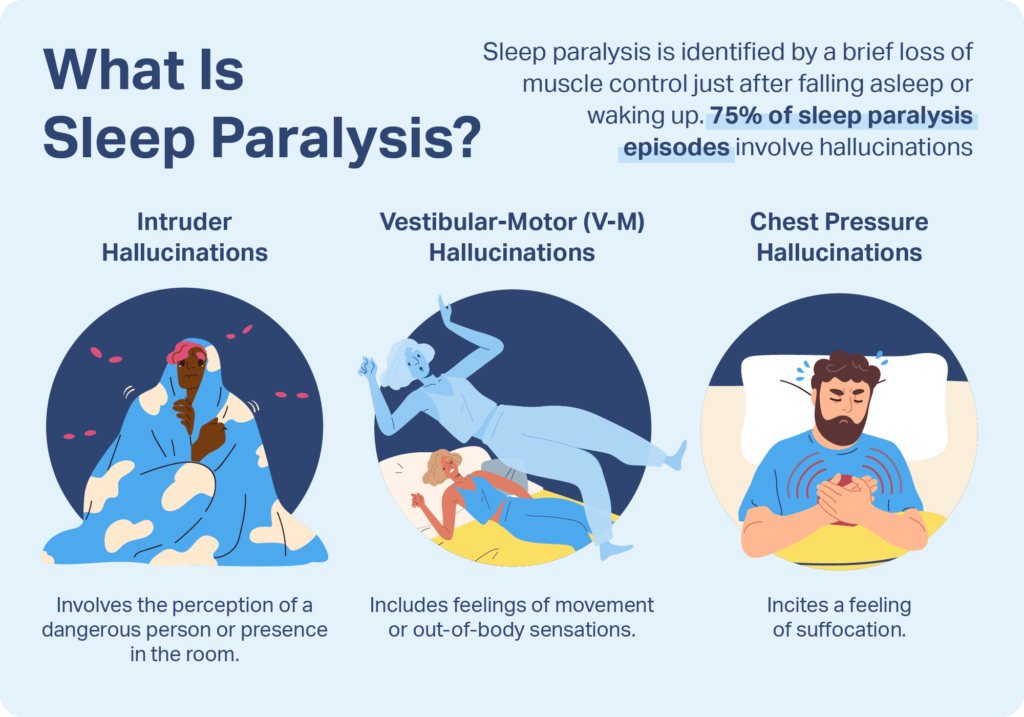
One of the primary symptoms of sleep paralysis is the inability to move or speak. Despite being fully conscious, you might find yourself unable to control your body or vocalize. This sensation can be distressing and cause feelings of helplessness.
Feeling of Pressure on Chest
Many individuals who experience sleep paralysis also report a feeling of pressure on their chest. This sensation can make it even more challenging to breathe and intensify feelings of panic.
Hallucinations
Hallucinations are another common symptom of sleep paralysis. These hallucinations can take various forms, including visual, auditory, or tactile experiences. People often report seeing shadowy figures, hearing voices or whispers, or feeling as if they are being touched by an unseen presence.
Sense of Fear or Dread
Sleep paralysis is often accompanied by a profound sense of fear or dread. This feeling can be overwhelming and contribute to the anxiety associated with the condition. It’s crucial to recognize that these emotions are a result of the sleep paralysis and not based on any real danger.
Triggers of Sleep Paralysis
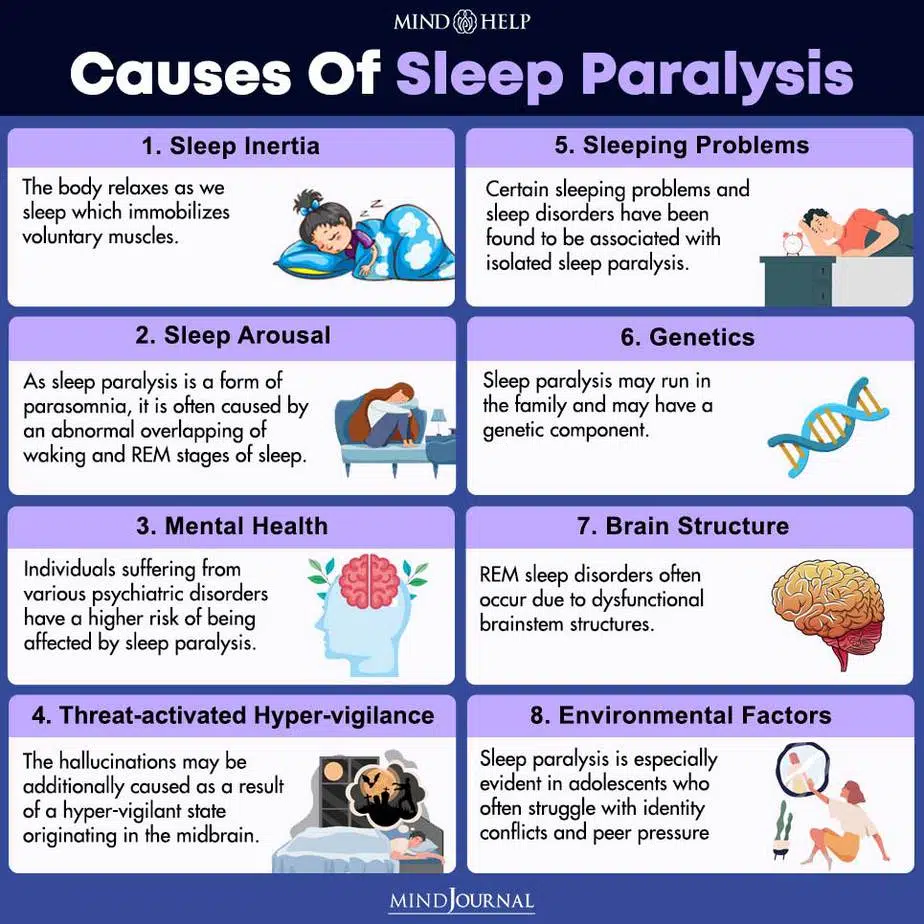
Sleep paralysis can be triggered by several factors, including:
Sleep Schedule Disruptions
Disruptions in your sleep schedule can significantly impact your overall sleep quality and increase the likelihood of experiencing sleep paralysis. Irregular sleep patterns, such as frequently changing your sleep times, can cause disruptions in the REM sleep cycle and trigger sleep paralysis episodes.
Sleep Deprivation
Lack of sufficient sleep and chronic sleep deprivation can also contribute to sleep paralysis. When your body is deprived of the rest it needs, the chances of experiencing disruptions in the sleep cycle, including sleep paralysis, are heightened.
Stress and Anxiety
High levels of stress and anxiety are often linked to sleep paralysis. These emotional factors can disrupt the normal sleep cycle and make individuals more susceptible to experiencing sleep paralysis episodes.
Sleeping on Your Back
Sleeping on your back is associated with a higher risk of sleep paralysis. This position can lead to an increased likelihood of experiencing muscle atonia, the temporary loss of muscle control during REM sleep, which is a characteristic of sleep paralysis.
Sleep Disorders
Certain sleep disorders, such as narcolepsy, can increase the likelihood of experiencing sleep paralysis. Individuals with narcolepsy often experience disruptions in their REM sleep cycle, making them more susceptible to sleep paralysis episodes.
Understanding REM Sleep
To better understand sleep paralysis, it’s essential to familiarize yourself with REM sleep and its role in this phenomenon.
Definition of REM Sleep
REM sleep, or rapid eye movement sleep, is a stage of sleep characterized by rapid eye movements, increased brain activity, and vivid dreaming. It is during this stage that most vivid dreaming occurs, and the body experiences muscle atonia, or the temporary loss of muscle control.
The Role of REM Sleep in Sleep Paralysis
Sleep paralysis occurs when there is a disruption in the transition from REM sleep to wakefulness. Normally, during REM sleep, the brain sends signals to inhibit muscle movement, preventing us from acting out our dreams. In sleep paralysis, these signals persist even after waking up, leading to the temporary inability to move or speak.

Prevention Techniques for Sleep Paralysis
While sleep paralysis can be distressing, there are several prevention techniques you can employ to reduce its occurrence. Here are some helpful strategies:
Establishing a Regular Sleep Schedule
Maintaining a regular sleep schedule is crucial for preventing sleep paralysis. Try to go to bed and wake up at the same time every day, even on weekends. This consistency helps regulate your body’s internal clock and promotes healthy sleep patterns.
Creating a Relaxing Bedtime Routine
Developing a relaxing bedtime routine can signal to your body that it’s time to wind down and prepare for sleep. Engage in calming activities before bed, such as reading, taking a warm bath, or practicing relaxation techniques like deep breathing or gentle stretches.
Managing Stress and Anxiety
Stress and anxiety can contribute to sleep paralysis. Finding healthy ways to manage your stress, such as engaging in regular exercise, practicing mindfulness or meditation, and seeking support from friends or mental health professionals, can help reduce the occurrences of sleep paralysis.
Sleeping in a Comfortable Environment
Creating a comfortable sleep environment is crucial for promoting quality sleep and reducing the likelihood of sleep paralysis. Ensure your bedroom is cool, quiet, and dark. Invest in a comfortable mattress and pillows that support your body properly.
Avoiding Sleep Deprivation
Prioritize getting enough sleep to prevent sleep paralysis. Aim for the recommended 7-9 hours of sleep per night, ensuring you give yourself enough time to unwind and relax before bed.
Using Medications or Supplements
In some cases, medications or supplements may be prescribed to help manage sleep paralysis. These may include medications to regulate sleep patterns or alleviate anxiety, as well as supplements like melatonin, which can aid in establishing a healthy sleep-wake cycle.
Relaxation Techniques for Sleep Paralysis Relief
In addition to prevention techniques, there are various relaxation techniques that can help alleviate the symptoms of sleep paralysis. Here are some effective methods:
Deep Breathing Exercises
Deep breathing exercises can help calm your mind and relax your body, making it easier to manage the anxiety and fear that often accompany sleep paralysis. Focus on taking slow, deep breaths in through your nose and exhaling slowly through your mouth.
Progressive Muscle Relaxation
Progressive muscle relaxation involves systematically tensing and then releasing each muscle group in your body. Start from your toes and work your way up, consciously relaxing each muscle. This technique can promote overall relaxation and alleviate feelings of tension during sleep paralysis.
Visualization Techniques
Visualization techniques involve creating mental images that promote relaxation and calmness. Visualize yourself in a peaceful location or engaging in a soothing activity to shift your focus away from the sensations of sleep paralysis and induce a sense of relaxation.
Guided Imagery
Guided imagery involves listening to pre-recorded or guided audio sessions that lead you through a mental journey designed to promote relaxation and reduce stress. These guided sessions often incorporate soothing music and verbal cues that encourage relaxation and ease anxiety.
Meditation and Mindfulness
Meditation and mindfulness practices can help train your mind to stay present and centered, reducing stress and anxiety. Engage in meditative exercises, such as focusing on your breath or repeating a calming mantra, to alleviate the symptoms of sleep paralysis.

Healthy Sleep Habits for Sleep Paralysis Prevention
Developing healthy sleep habits can contribute to preventing sleep paralysis. Here are some habits to adopt:
Limiting Caffeine and Alcohol Intake
Caffeine and alcohol can disrupt your sleep patterns and lead to more wakeful periods during the night. Restricting your intake, especially close to bedtime, can promote better overall sleep quality and reduce the likelihood of experiencing sleep paralysis.
Avoiding Electronic Devices before Bedtime
Electronic devices emit blue light that can interfere with your body’s natural sleep-wake cycle. Avoid using electronic devices for at least an hour before bed. Instead, engage in relaxation techniques or read a book to prepare your mind and body for sleep.
Creating a Comfortable Sleep Environment
Your sleep environment plays a significant role in the quality of your sleep and can impact sleep paralysis. Ensure your bedroom is comfortable, cool, and dark. Invest in a supportive mattress and pillows, and consider using white noise machines or earplugs if noise is a concern.
Exercising Regularly
Regular exercise can promote better sleep quality and reduce stress levels, ultimately contributing to the prevention of sleep paralysis. Engage in moderate-intensity exercise, such as walking, jogging, or swimming, for at least 30 minutes a day to reap the benefits.
Maintaining a Balanced Diet
Eating a balanced diet can positively impact your sleep patterns and overall sleep quality. Avoid heavy meals close to bedtime, as they can disrupt digestion and make it more challenging to fall asleep. Additionally, incorporate sleep-friendly foods, such as lean proteins, complex carbohydrates, and foods high in tryptophan, into your diet to promote better sleep.
Seeking Professional Help
If you continue to experience sleep paralysis despite implementing preventive measures, seeking professional help may be necessary. Here are a few options to consider:
Consulting a Sleep Specialist
A sleep specialist can conduct a comprehensive evaluation and provide tailored recommendations to help manage sleep paralysis. They can help identify any underlying sleep disorders contributing to sleep paralysis and develop a treatment plan that meets your specific needs.
Considering Therapy or Counseling
Therapy or counseling can be beneficial for individuals experiencing significant anxiety, fear, or distress related to sleep paralysis. A therapist can help you explore coping strategies and techniques to manage the emotional impact of sleep paralysis effectively.
Exploring Medication Options
In some cases, medication may be prescribed to address underlying sleep disorders or manage anxiety and stress associated with sleep paralysis. Consult with a healthcare professional to determine if medication could be a suitable option for you.

Understanding Sleep Disorders Related to Sleep Paralysis
Several sleep disorders are closely related to sleep paralysis. Understanding these disorders can provide further insights into sleep paralysis triggers and prevention. Here are a few common sleep disorders associated with sleep paralysis:
Narcolepsy
Narcolepsy is a neurological disorder characterized by excessive daytime sleepiness, sudden loss of muscle control (cataplexy), and disrupted REM sleep patterns. Individuals with narcolepsy often experience frequent episodes of sleep paralysis.
Sleep Apnea
Sleep apnea is a sleep disorder characterized by interruptions in breathing during sleep. These interruptions lead to repeated awakenings throughout the night, affecting the sleep cycle and increasing the risk of experiencing sleep paralysis.
Insomnia
Insomnia refers to difficulty falling asleep, staying asleep, or experiencing poor sleep quality. Insomnia can disrupt the sleep cycle and contribute to sleep paralysis episodes.
Restless Legs Syndrome
Restless Legs Syndrome (RLS) is a condition characterized by an uncontrollable urge to move the legs, especially at night. This movement can interrupt sleep and impact the overall sleep quality, increasing the likelihood of experiencing sleep paralysis.
Conclusion
Understanding sleep paralysis and its triggers is essential for managing and preventing sleep paralysis episodes. By establishing healthy sleep habits, managing stress and anxiety, and utilizing relaxation techniques, you can significantly reduce the frequency and intensity of sleep paralysis experiences. Remember to consult with a healthcare professional if sleep paralysis persists, as they can provide personalized guidance and support. Empower yourself with knowledge and techniques to regain control of your sleep and improve your overall well-being.