

Have you ever experienced the unsettling feeling of being unable to move or speak while falling asleep or waking up? If so, you may have encountered sleep paralysis. This phenomenon, characterized by temporary paralysis of the muscles during sleep, has perplexed and fascinated individuals for centuries. While it can be a terrifying experience, many wonder if it is a symptom of a more serious medical condition. In this article, we will explore the nature of sleep paralysis and whether it signals a larger health concern.

What is sleep paralysis?
Sleep paralysis is a phenomenon that occurs during the transition between sleep and wakefulness. It is characterized by a temporary paralysis of the muscles, which can last for a few seconds to a few minutes. During sleep paralysis, the person is fully aware of their surroundings but is unable to move or speak.
Definition of sleep paralysis
Sleep paralysis can be defined as a state of temporary muscle paralysis that occurs during the REM (rapid eye movement) stage of sleep or while transitioning between sleep and wakefulness. It can be accompanied by vivid hallucinations and a feeling of pressure on the chest.
Prevalence and demographics
Sleep paralysis is more common than people think, with estimates suggesting that it affects between 8% and 50% of the general population at some point in their lives. It often starts during adolescence and tends to decrease in frequency and intensity with age. There’s evidence to suggest that sleep paralysis may be more prevalent in certain populations, such as those with psychiatric or sleep disorders.
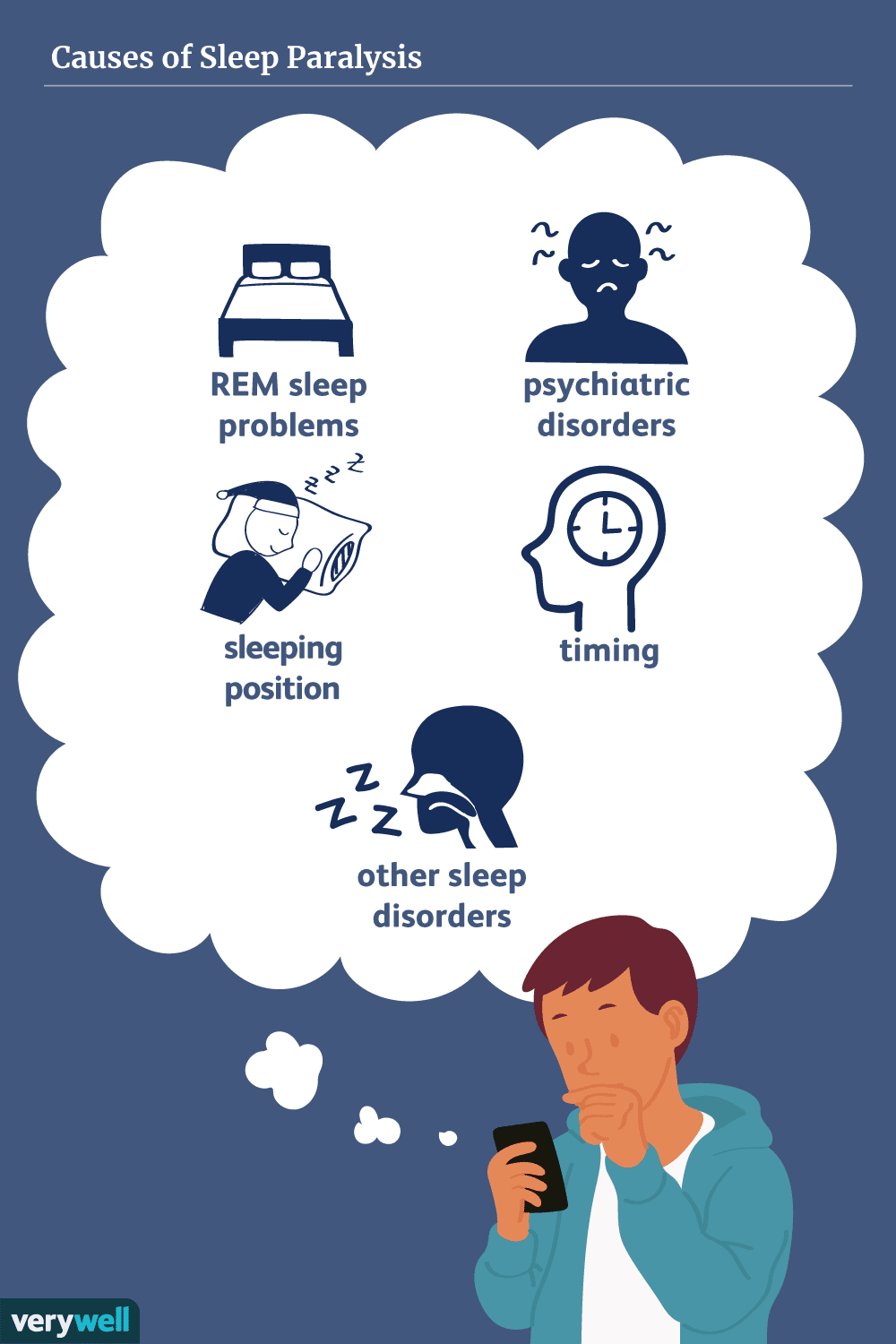
Causes of sleep paralysis
Sleep paralysis can have various underlying causes, including:
Narcolepsy and sleep paralysis
One of the most common causes of sleep paralysis is narcolepsy, a chronic neurological disorder that affects the brain’s ability to regulate sleep-wake cycles. Individuals with narcolepsy often experience excessive daytime sleepiness and can have frequent episodes of sleep paralysis.
Sleep deprivation and sleep paralysis
Lack of sufficient sleep or frequent disruptions to the sleep cycle can increase the likelihood of experiencing sleep paralysis. Sleep deprivation can disrupt the normal functioning of the brain and increase the risk of abnormal transitions between sleep stages.
Stress and anxiety as triggers
High levels of stress and anxiety can contribute to the development or exacerbation of sleep paralysis episodes. Both mental and emotional factors can play a role in triggering sleep paralysis, as they can disrupt the sleep-wake cycle and increase muscle tension.
Sleep disorders and sleep paralysis
Other sleep disorders, such as sleep apnea or insomnia, can also be associated with sleep paralysis. The disruptions to breathing or difficulty falling asleep or maintaining sleep can lead to an increased risk of sleep paralysis episodes.

Symptoms of sleep paralysis
The symptoms of sleep paralysis can vary from person to person, but some common experiences include:
Inability to move or speak
During a sleep paralysis episode, you may find yourself completely immobilized. Your muscles may feel heavy or unresponsive, and you may struggle to speak or cry out for help.
Feeling of pressure on the chest
Many individuals who experience sleep paralysis report feeling a sense of pressure on their chest, which can make breathing difficult. This sensation can be quite distressing and contribute to feelings of fear and anxiety.
Visual and auditory hallucinations
Sleep paralysis is often accompanied by vivid hallucinations, which can be visual or auditory in nature. These hallucinations can range from seeing shadowy figures or monsters in the room to hearing strange noises or voices.
Fear and anxiety
Given the intense sensory experiences and the feeling of being trapped or helpless, it is common for individuals who experience sleep paralysis to feel fear and anxiety during and after an episode. These emotional responses can further contribute to the overall distress associated with sleep paralysis.
Medical conditions associated with sleep paralysis
While sleep paralysis itself is not a medical condition, it can be associated with several underlying medical conditions, including:
Narcolepsy
As mentioned earlier, sleep paralysis is often associated with narcolepsy. Narcolepsy is a neurological disorder characterized by excessive daytime sleepiness and uncontrollable episodes of falling asleep.
Obstructive sleep apnea
Obstructive sleep apnea is a sleep disorder characterized by episodes of interrupted breathing during sleep. People with sleep apnea may experience recurrent episodes of sleep paralysis due to the disruption of normal sleep patterns.
Post-traumatic stress disorder (PTSD)
Individuals with post-traumatic stress disorder (PTSD) may be more prone to sleep paralysis. The intense and distressing experiences associated with PTSD can disrupt sleep patterns, leading to an increased risk of sleep paralysis episodes.
Migraine
Migraine is a neurological disorder known for causing severe headaches and other symptoms, such as sensory disturbances. Some people with migraine may experience sleep paralysis as a component of their migraines or as a result of disrupted sleep patterns related to migraine attacks.
Depression and anxiety disorders
Depression and anxiety disorders can increase the risk of experiencing sleep paralysis. Both conditions can interfere with sleep quality and disrupt the normal sleep-wake cycle, making individuals more susceptible to sleep paralysis episodes.
Diagnosing sleep paralysis
Diagnosing sleep paralysis typically involves a combination of medical history assessment, physical examination, and sometimes specialized tests. The healthcare provider will aim to rule out other potential causes of the symptoms and determine if there are any underlying medical conditions contributing to the sleep paralysis episodes.
Medical history and physical examination
During the medical history assessment, the healthcare provider will ask about the frequency and characteristics of the sleep paralysis episodes. They may also inquire about any underlying medical conditions, medications, or substances that could be contributing to the symptoms.
A physical examination will be performed to rule out any physical factors that may be causing or exacerbating the sleep paralysis episodes.
Polysomnography (sleep study)
In some cases, a polysomnography, or sleep study, may be recommended to monitor brain activity, eye movements, muscle activity, heart rate, and other physiological parameters during sleep. This can help identify any abnormalities in sleep patterns that may be associated with sleep paralysis.
Other diagnostic tests
Depending on the suspected underlying cause, additional diagnostic tests may be performed. These may include blood tests, imaging studies, or consultations with specialists in relevant fields, such as neurology or psychiatry.
Treatment options for sleep paralysis
There is no specific cure for sleep paralysis, but various treatment options can help manage the symptoms and reduce the frequency of episodes.
Improving sleep hygiene
Practicing good sleep hygiene can be beneficial for individuals experiencing sleep paralysis. This includes maintaining a regular sleep schedule, creating a relaxing sleep environment, avoiding stimulating activities before bedtime, and limiting caffeine and alcohol intake.
Treating underlying medical conditions
If sleep paralysis is associated with an underlying medical condition, such as narcolepsy or sleep apnea, treating the primary condition may help alleviate the symptoms of sleep paralysis. This may involve medications, lifestyle changes, or other interventions specific to the diagnosed condition.
Prescription medications
In some cases, medications may be prescribed to help manage the symptoms of sleep paralysis. These medications can include antidepressants, anti-anxiety drugs, or medications specifically targeting sleep disorders.
Therapies and relaxation techniques
Therapies such as cognitive-behavioral therapy (CBT) or relaxation techniques like meditation or progressive muscle relaxation can be utilized to reduce stress levels and promote better sleep. These techniques can help individuals cope with the anxiety and fear associated with sleep paralysis.

Prevention and coping strategies
While it may not be possible to completely prevent sleep paralysis, there are some strategies that may help reduce the frequency or severity of episodes.
Establishing a regular sleep schedule
Maintaining a consistent sleep schedule, even on weekends, can help regulate the sleep-wake cycle and reduce the chances of experiencing sleep paralysis. This involves going to bed and waking up at the same time every day.
Stress management
Managing stress levels through techniques such as regular exercise, mindfulness, or engaging in relaxing activities can help reduce the likelihood of experiencing sleep paralysis. Stress reduction can have a positive impact on overall sleep quality and may minimize the occurrence of sleep paralysis episodes.
Sleep position adjustments
Some individuals find that adjusting their sleep position can reduce the frequency of sleep paralysis episodes. Sleeping on your side rather than your back may help alleviate the pressure on the chest, which can contribute to the sensation of being unable to breathe during an episode.
Avoiding certain medications or substances
Certain medications or substances, such as stimulants or certain antidepressants, can increase the risk of sleep paralysis. If you experience frequent episodes of sleep paralysis, it may be worth discussing with your healthcare provider if any medications or substances you are taking could be contributing to the problem.
Distinguishing sleep paralysis from other conditions
Sleep paralysis can sometimes be confused with other sleep-related phenomena or disorders. It is important to distinguish sleep paralysis from these conditions to ensure accurate diagnosis and appropriate management.
Nightmares
While nightmares can be vivid and distressing, they are different from sleep paralysis. During a nightmare, you are able to move and speak, whereas sleep paralysis involves temporary muscle paralysis.
Sleep-related hallucinations
Sleep-related hallucinations can occur during the transition into or out of sleep, much like sleep paralysis. However, sleep-related hallucinations can involve vivid visuals or sounds without the accompanying muscle paralysis.
REM sleep behavior disorder
REM sleep behavior disorder (RBD) involves physically acting out dreams during sleep due to a lack of muscle paralysis during REM sleep. Unlike sleep paralysis, individuals with RBD have the ability to move and can physically engage in actions related to their dreams.

When to seek medical help
In most cases, sleep paralysis is not a cause for concern and does not require medical intervention. However, there are certain situations where seeking medical help is warranted.
Frequent or persistent sleep paralysis episodes
If you are experiencing sleep paralysis episodes frequently, or if they are becoming more intense or disruptive to your daily life, it is recommended to consult a healthcare professional. They can help determine if there is an underlying medical condition contributing to the episodes and guide you through appropriate treatment options.
Severe distress or impairment
If sleep paralysis is causing severe distress, anxiety, or impairment in your daily functioning, it is important to seek medical help. A healthcare professional can provide support, address any underlying mental health concerns, and offer strategies to manage the emotional impact of sleep paralysis.
Associated physical symptoms
If sleep paralysis is accompanied by other physical symptoms, such as difficulty breathing or chest pain, it is crucial to seek medical attention promptly. These symptoms may indicate a potential underlying medical condition that requires immediate intervention.
Conclusion
Sleep paralysis is a common and often temporary condition characterized by temporary muscle paralysis during the sleep-wake transition. While it can be distressing, it is important to understand that sleep paralysis is typically a symptom rather than a medical condition in itself. It is associated with various underlying causes, including narcolepsy, sleep deprivation, stress, and sleep disorders.
If you experience sleep paralysis, it is recommended to consult a healthcare professional for an accurate diagnosis and appropriate management. They can help identify any underlying medical conditions, provide treatment options, and offer support to cope with the experience. Remember, you are not alone, and there are strategies and interventions that can help manage sleep paralysis and improve overall sleep quality.